- August 5, 2026
Above all, the single biggest mistake people make with a packing list for northern Pakistan is packing for one climate. Hunza and Skardu don’t have one climate, they have several, sometimes in the same day. A 30 degree afternoon in the Skardu valley can drop to 5 degrees by evening on the Deosai plains. So the real skill here isn’t packing more, it’s packing the right layers.
So, here’s exactly what to bring, organized by category, plus what you can just buy once you arrive.
The layering principle behind this packing list for northern Pakistan
Overall, every recommendation below comes back to one idea: layers you can add or remove as the day changes. A base layer for warmth, a mid layer like fleece for insulation, and a waterproof shell for wind and rain. This beats packing one heavy coat that’s either too much or not enough depending on the hour.
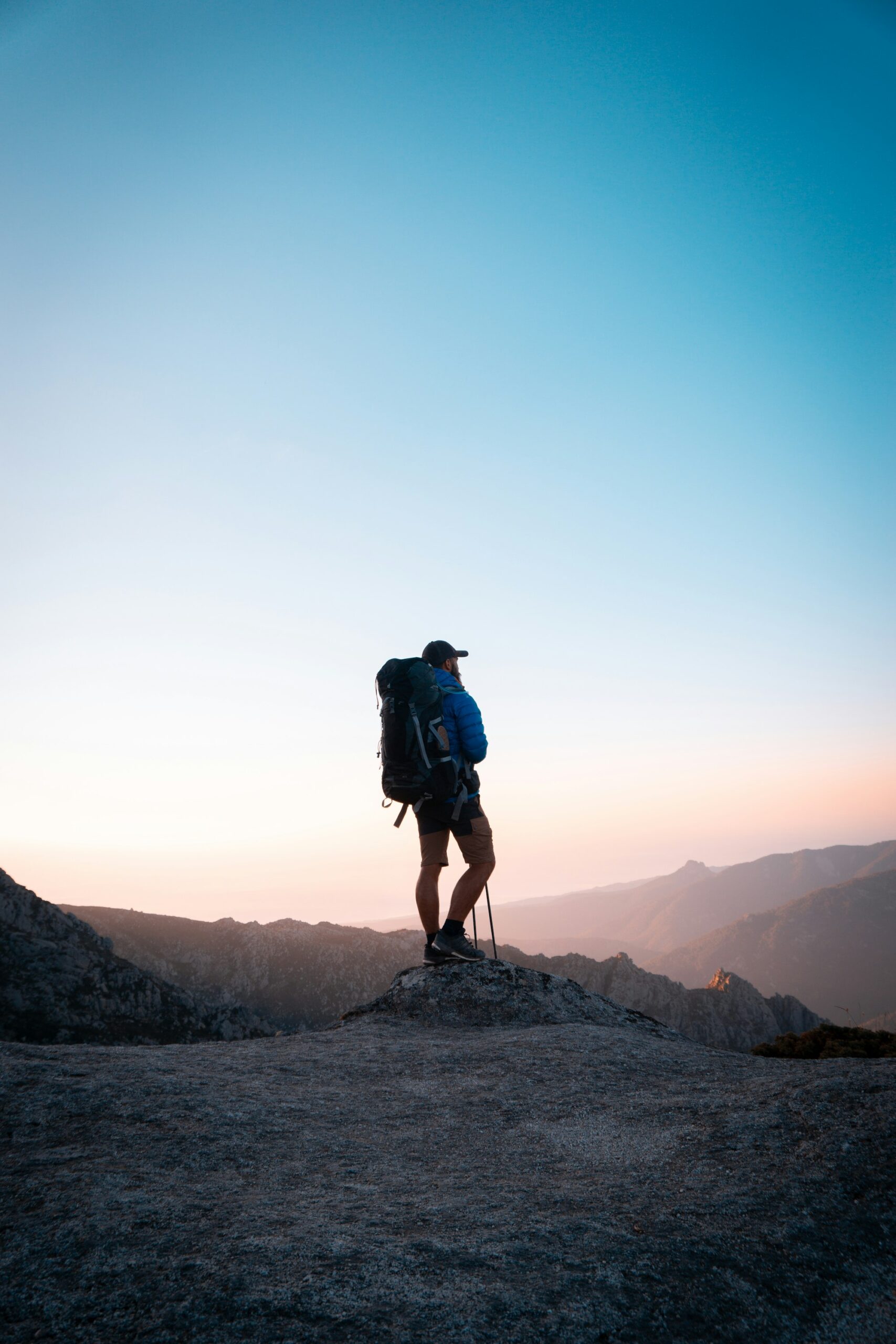
Clothing essentials
- 3 to 4 lightweight, quick-dry t-shirts or long-sleeve shirts
- 1 to 2 pairs of trekking trousers (avoid denim, it’s heavy and slow to dry)
- 1 mid-layer fleece or light down jacket, useful even in summer evenings
- 1 waterproof shell jacket with a hood
- A warm hat and gloves, needed year-round at higher elevations like Deosai
- Comfortable, broken-in walking shoes or trekking boots
- Modest clothing for religious and cultural sites; a light scarf is worth carrying for mosques and shrines
Health and safety items
- A basic first aid kit, including any personal medication
- Sunscreen and sunglasses; UV exposure is stronger at altitude than it feels
- Water purification tablets or a filter bottle for remote areas
- Hand sanitizer and basic hygiene items
If your route climbs above 4,000 meters, read our altitude sickness guide before you go. A few packing choices there are about prevention, not just comfort.
Documents and practical items
- Passport, with your e-visa printed and saved digitally
- Cash withdrawn before you head north; see our ATM and cash guide, since machines get unreliable once you’re in Hunza or Skardu
- A local SIM card, ideally sorted on arrival using our SIM card guide
- A portable power bank, since outlets aren’t always available on longer travel days
- A headlamp or small flashlight for evenings without reliable electricity
What to buy once you arrive
In fact, you genuinely don’t need to bring everything from home. Skardu’s main bazaar sells down jackets, fleeces, trekking trousers, and standard toiletries at reasonable prices, and quality is generally solid. Save your luggage space for items that are harder to find locally. That means specific prescription medications, prescription sunscreen, and technical Gore-Tex gear if you have a brand preference.
Seasonal changes to this packing list for northern Pakistan
Overall, the main travel season runs April through October, and what you pack shifts within that window too. Spring (April to May) brings cherry blossom season in Hunza, with cooler evenings than summer. Summer (June to August) is warmest in the valleys but still cold at higher elevations like Deosai. Autumn (September to October) turns noticeably colder in the evenings. Lean more heavily on the fleece and down-jacket end of your layers.
If you’re trekking, not just sightseeing
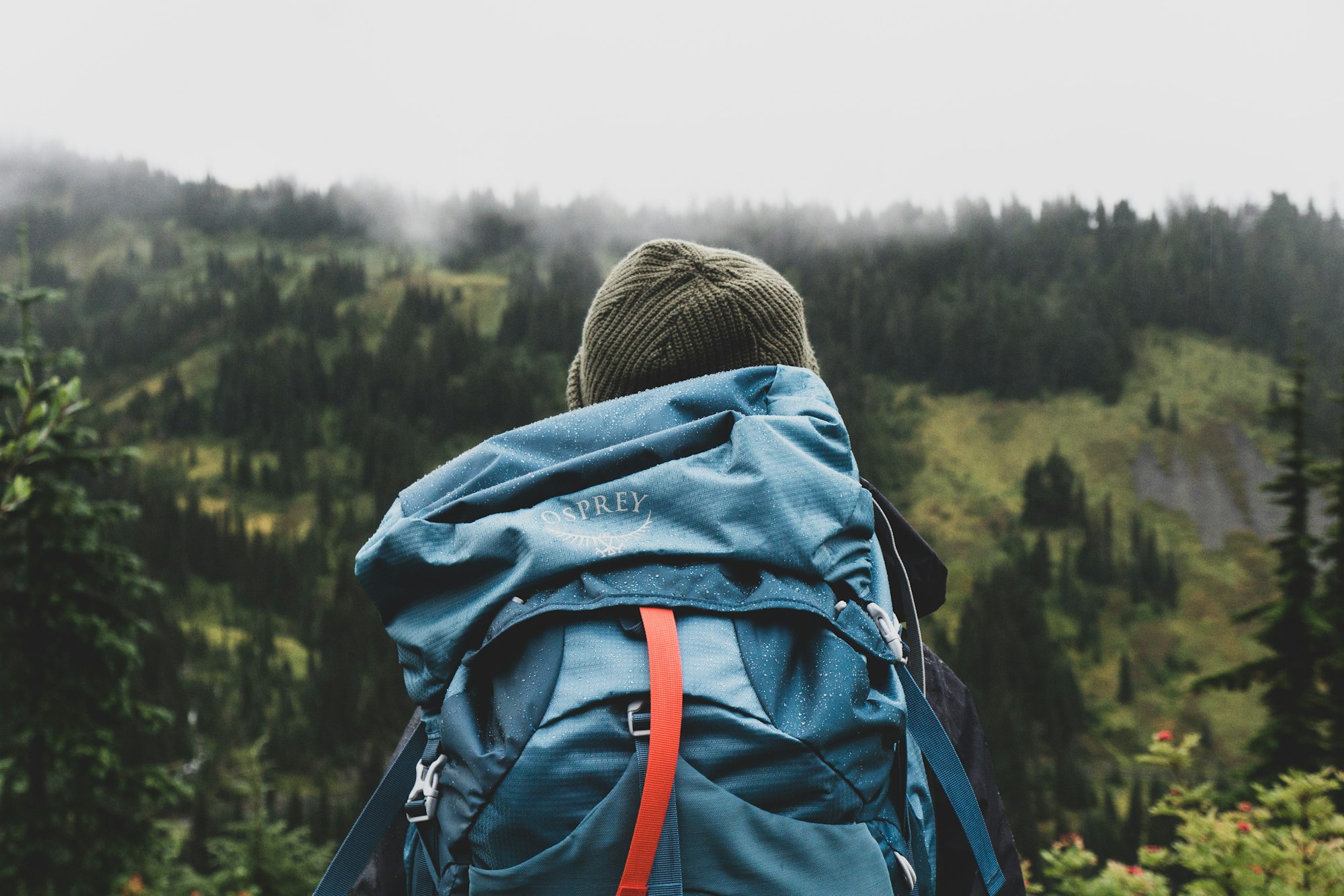
Also, multi-day treks add gear beyond this general list. Think a sleeping bag rated for cold nights (rentable in Skardu for around $55), trekking poles, and crampons or microspikes depending on the route. If you’re heading into a restricted zone, pair your packing with our guide to trekking permits in Gilgit-Baltistan. The permit and the gear list tend to go together.
A few practical tips
- Don’t overpack. Almost everything except specialist gear is available locally in Skardu or Gilgit.
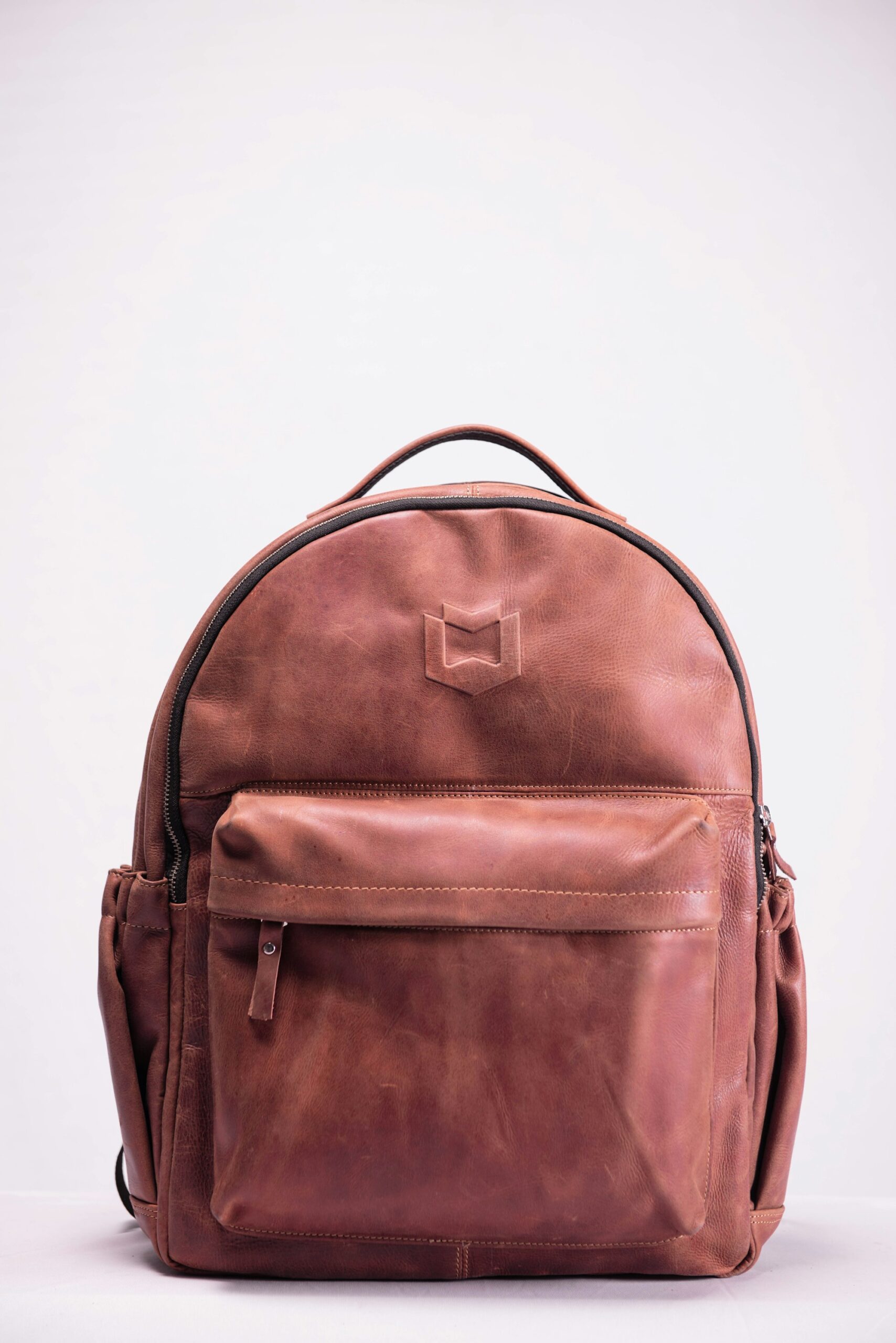
- Pack a day bag separately. If you’re trekking with porters, your main bag travels ahead, so keep the day’s essentials, water, snacks, camera, extra layer, in something you carry yourself.
- Check zippers and stitching before you go. Gear failing mid-trip is far more disruptive than gear you didn’t bring.
- Weight matters more than you’d think. A lighter bag makes a real difference on long travel days between valleys.
In the end, a good packing list for northern Pakistan isn’t about bringing everything. It’s about layering smart and knowing what to buy locally. Pack light enough that travel days between Hunza, Skardu, and Deosai stay easy rather than exhausting. For more detail on the tourism infrastructure supporting your trip, the Pakistan Tourism Development Corporation maintains updated regional travel information. It’s worth checking before a longer trip.
Frequently asked questions
What should I pack for Hunza and Skardu?
Layered clothing is the priority: lightweight shirts, a fleece or light down jacket, a waterproof shell, and a warm hat and gloves. Temperatures swing significantly between midday and evening.
Do I need to bring trekking gear from home?
Not necessarily. Skardu’s bazaar sells down jackets, fleeces, and trekking trousers at reasonable prices. Bring specialist items like prescription medication or specific technical gear you can’t easily replace.
What’s the biggest mistake people make packing for northern Pakistan?
Packing for one climate. The temperature can swing from 30 degrees in the valley to 5 degrees at higher elevations like Deosai, on the same day. Layering matters more than any single item.
Is cash or card better in northern Pakistan?
Cash. ATMs in Skardu and Hunza are unreliable for foreign cards. Withdraw what you need before heading north rather than counting on machines along the way.
What should I pack for a multi-day trek specifically?
Beyond the general list, add a cold-rated sleeping bag and trekking poles. Crampons or microspikes are also worth it if your route crosses snow or ice, common even in peak season above 4,000 meters.