
- September 21, 2026
Hunza food is quiet compared to the rest of Pakistan’s cuisine. Low salt, minimal spice, apricot in nearly everything, built around raw fruit, nuts, and yogurt rather than the meat-and-masala style found elsewhere in the country.
Hunza food guide: the essential dishes
- Chapshoro: often called “Hunza Pizza,” a crustless meat pie, beef, mutton, or occasionally yak, sandwiched between two layers of dough and cooked on a hot tawa. Genuinely the dish most associated with the valley.
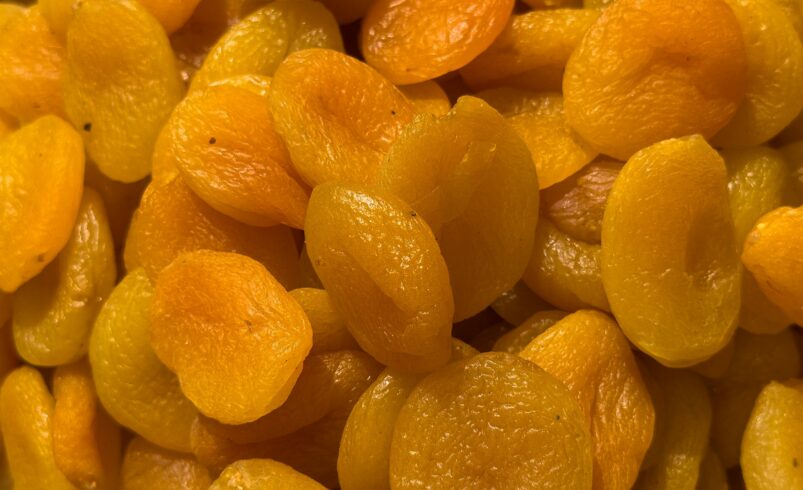
- Daudo: an apricot-based soup, made by boiling dried apricots with wheat flour dumplings, traditionally prepared in winter as a warming remedy.
- Bath (Sharrbat): milk simmered with dough until thick, served with apricot oil, eaten any time of day.
- Ghilmindi: pan-fried wheat chapatis, cut into triangles and stuffed with a yogurt-cheese mixture blended with coriander, mint, and onion, sometimes finished with apricot oil.
- Diram Phitti: a traditional Hunza breakfast dish.
- Fenugreek Soup: known locally as Sikarkuch’e Dagowang, a simple, warming soup built around the herb’s distinctive flavor.
Why the food looks the way it does
Frying is largely avoided, and heavy spice blends common elsewhere in Pakistan don’t feature much here. Grains and legumes are typically steamed in covered pots with minimal water over wood fires. Fruits and vegetables are often eaten raw with yogurt, and preservation relies on sun-drying rather than heavy processing. Apricots, cherries, grapes, peaches, wheat, and barley form the backbone of the local diet. It’s shaped by what actually grows well at this elevation.
A claim worth treating carefully
The Hunza diet has long been associated with claims of exceptional longevity, sometimes citing lifespans reaching 120 years. It’s worth being direct about this: these claims lack solid scientific backing, and no rigorous study has confirmed them. The food is genuinely healthy by most conventional measures, low in processed ingredients, high in raw fruit and vegetables. The specific longevity claims, though, should be treated as popular belief rather than established fact.
Where to try it
- Nagar Famous Chapshoro Point: a well-known roadside stop between Hunza and Passu, serving chapshoro fresh in the traditional style. Worth the detour if you’re already making that drive.
- Guesthouses and homestays throughout the valley: most serve a home-cooked version of the local diet as a matter of course, often the most authentic way to experience it.
Hunza food guide: practical tips
- Try chapshoro fresh off the tawa. It’s genuinely best eaten hot, straight from where it’s cooked.
- Ask your guesthouse for a home-cooked meal. This is often more representative of daily Hunza eating than restaurant menus.
- Expect noticeably less spice than elsewhere in Pakistan. Don’t come expecting the heat of Karachi or Peshawar’s cuisine.
- Try apricot-based dishes specifically in season. Fresh apricots, roughly June through August, offer a genuinely different experience than the dried version used year-round.
Pair this with our Hunza Valley travel guide for the wider region.
Frequently asked questions
What is chapshoro?
A crustless meat pie, often called “Hunza Pizza.” It’s made with beef, mutton, or yak, sandwiched between two layers of dough and cooked on a hot tawa.
Is Hunza food spicy?
No, it’s notably milder than most Pakistani regional cuisines, relying on minimal spice and natural flavors instead.
Is it true that Hunza people live to 120 years because of their diet?
These claims are widely repeated but lack solid scientific evidence. The diet is genuinely healthy by conventional standards. The specific longevity figures, though, should be treated as popular belief rather than confirmed fact.
What role does apricot play in Hunza cuisine?
A central one. Apricot oil, dried apricots, and apricot-based soups like daudo appear throughout the local diet.
Where can I try authentic Hunza food?
Guesthouses and homestays throughout the valley typically serve home-cooked versions, often more representative than restaurant menus.