
- July 31, 2026
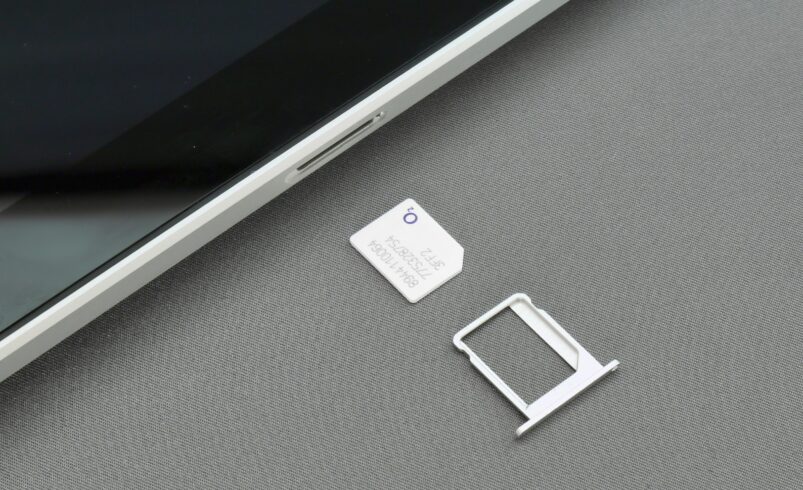
First things first: you’ll want data the moment you land, and buying a local SIM is the cheapest way to get it. Roaming fees from your home carrier add up fast. A local SIM gets you maps, ride-hailing, and messaging for a fraction of the cost. Here’s exactly how to get one.
Best SIM card for tourists in Pakistan: the main providers
Overall, Pakistan has four major networks: Jazz, Zong, Telenor, and Ufone. Jazz is the largest, with the strongest overall coverage in cities and along highways. Zong runs a close second and often edges Jazz on data speed. Telenor is worth calling out specifically for this site’s audience. It has a reputation for the most reliable coverage in the northern regions, including Skardu and Gilgit-Baltistan. If your trip is mostly northern valleys, Telenor is the safer default. If you’re sticking to Lahore, Karachi, or Islamabad, Jazz or Zong will serve you just as well.
Where to buy one
First, the easiest option is right at the airport. Jazz, Zong, and Telenor all run kiosks at Islamabad, Lahore, and Karachi’s international airports, set up specifically for arriving travelers. Beyond the airport, official stores and authorized dealers are common in every city. You’re never far from a top-up or a new SIM later in your trip.
What you’ll need
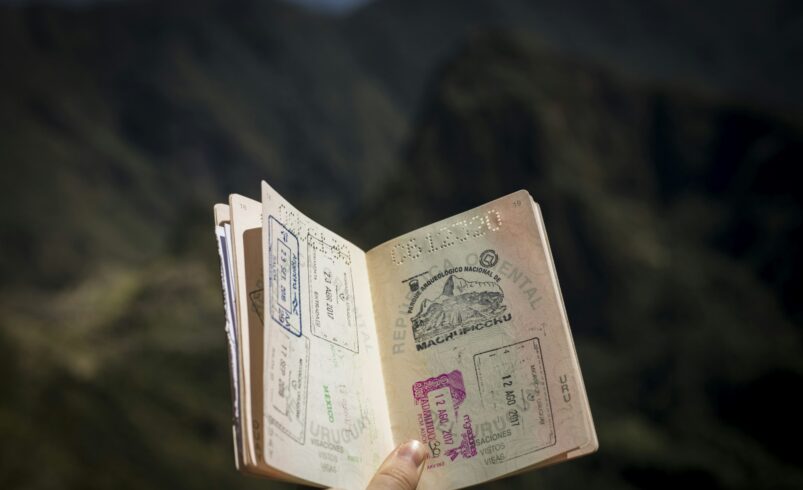
Also, registration requires your passport and a fingerprint scan. Pakistan’s telecom regulator (PTA) mandates biometric verification for every SIM. This isn’t optional, so bring your passport with you, not a photocopy. The process itself is quick, usually done on the spot at the kiosk or store.
How much it costs
n
Once you’ve got your SIM sorted, pair it with our currency exchange guide so you’re set on both connectivity and cash.
In terms of cost, a basic SIM card typically runs PKR 500 to 1,500 (roughly $2 to $5), depending on the provider. On top of that, tourist data packages generally cost $10 to $30 for a few weeks of reasonable data. Pricing shifts often, though, so check current rates at the kiosk rather than relying on numbers from any blog post, including this one.
eSIM options
If your phone supports eSIM, Jazz and Telenor both offer it. Tourist eSIM registration is still a developing service, though, and availability can vary by outlet. A more reliable option for many travelers is a third-party eSIM, like Airalo or Holafly. You can buy it online before you even leave home. These typically run $5 to $30 depending on data volume. They let you land already connected instead of hunting for a kiosk on arrival.
A few practical tips
- Buy at the airport if you can. It’s set up for exactly this, and you’ll avoid hunting for a store on your first day.
- Bring your actual passport. A photo of it on your phone won’t satisfy the biometric registration requirement.
- Choose Telenor for northern trips. If Hunza, Skardu, or Gilgit-Baltistan are on your itinerary, Telenor’s coverage there is the most consistently reliable.
- Keep your home SIM for calls. Many travelers run a local data SIM alongside their home number for calls and texts, especially on phones that support dual SIM.
Overall, getting connected in Pakistan is genuinely simple once you know where to go. Sort your e-visa first, then pick up a SIM the moment you land. You’ll have maps and messaging running before you’ve even left the airport.
Frequently asked questions
Which SIM card is best for tourists in Pakistan?
Jazz and Zong both offer strong nationwide coverage. Telenor is the better choice if you’re heading to northern Pakistan. Its coverage there tends to be more reliable than the alternatives.
Do I need my passport to buy a SIM card in Pakistan?
Yes. Pakistani law requires biometric registration with a passport and fingerprint scan for every SIM card sold, including to tourists.
Can I buy a SIM card at the airport in Pakistan?
Yes. Jazz, Zong, and Telenor all operate kiosks at the international airports in Islamabad, Lahore, and Karachi, specifically for arriving travelers.
Is an eSIM a better option than a physical SIM?
It depends on your priorities. A third-party eSIM like Airalo lets you arrive already connected. A local physical SIM, though, is usually cheaper for longer stays and gives you a local number.
How much data do I actually need as a tourist?
Most tourist packages offering a few gigabytes over 2 to 4 weeks are enough for maps, messaging, and light browsing. If you plan to post photos or video frequently, a larger package is worth the extra cost.