- August 6, 2026
August splits Pakistan into two different trips depending on where you go. The upper north stays relatively dry and genuinely pleasant. The plains and lower valleys sit deep in monsoon season. Knowing which is which shapes your route more than almost any other month on the calendar.
Best places to visit in Pakistan in August: where it’s dry
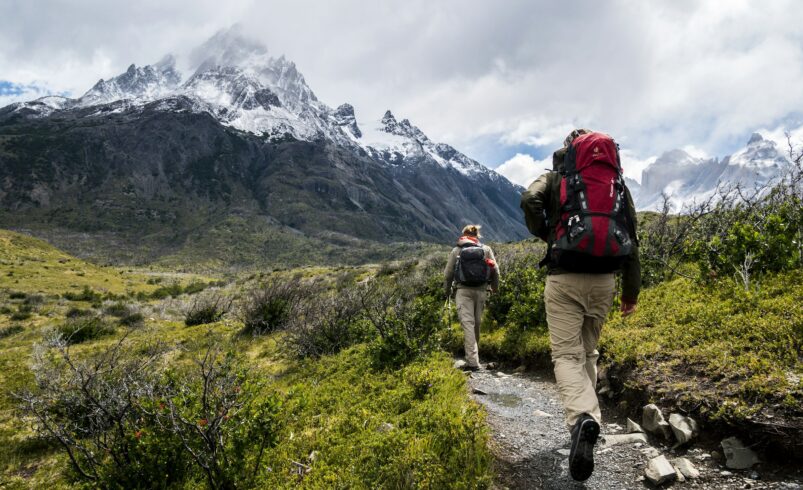
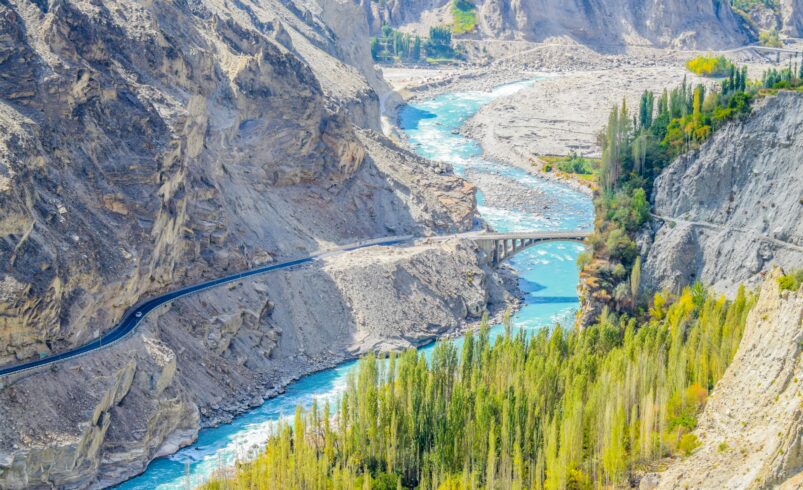
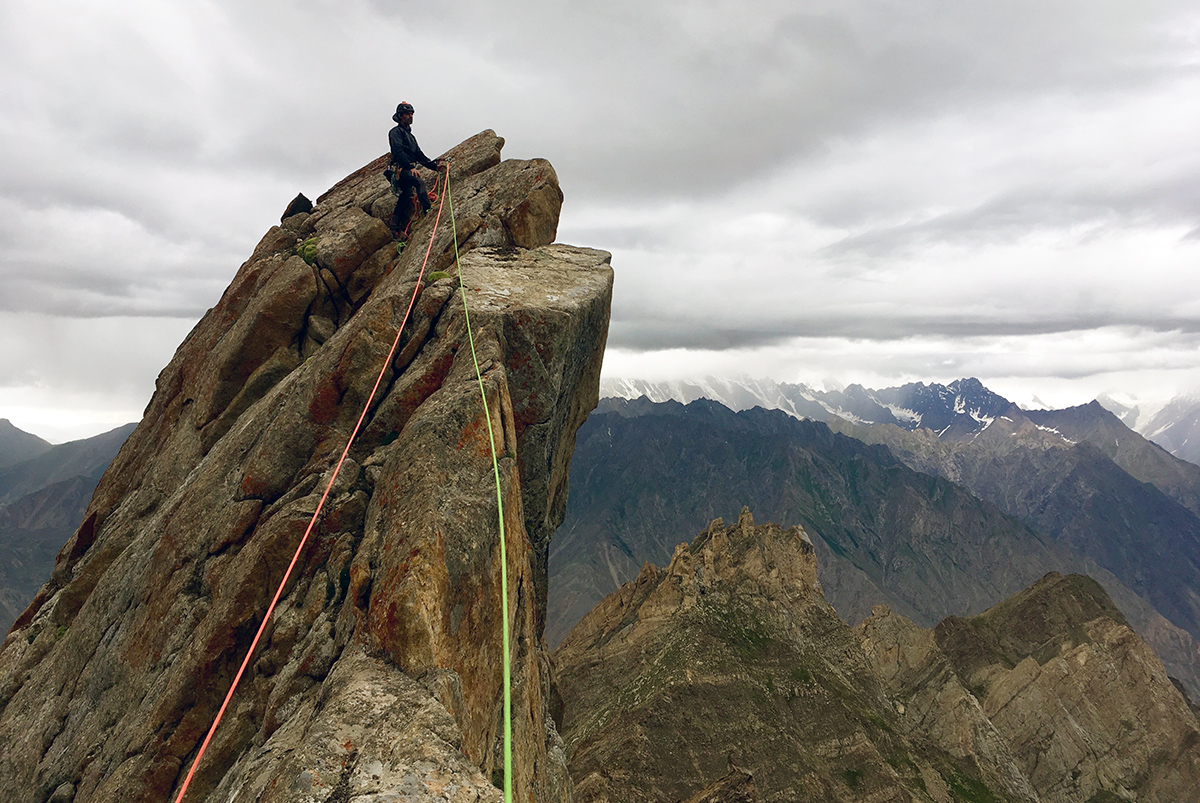
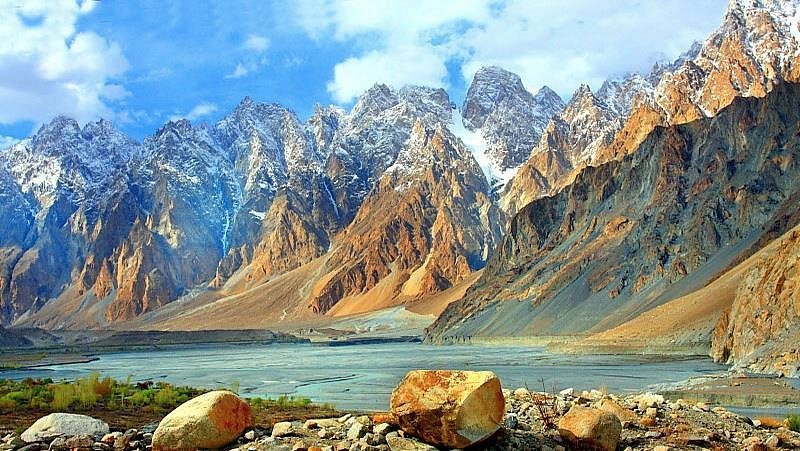
Hunza, Skardu, and Gilgit stay comparatively dry through August. Daytime temperatures run 18 to 30 degrees, genuinely pleasant for sightseeing and moderate trekking. This is also apricot harvest season in Hunza, with orchards heavy with fruit. It’s a small but real seasonal detail worth timing a visit around.
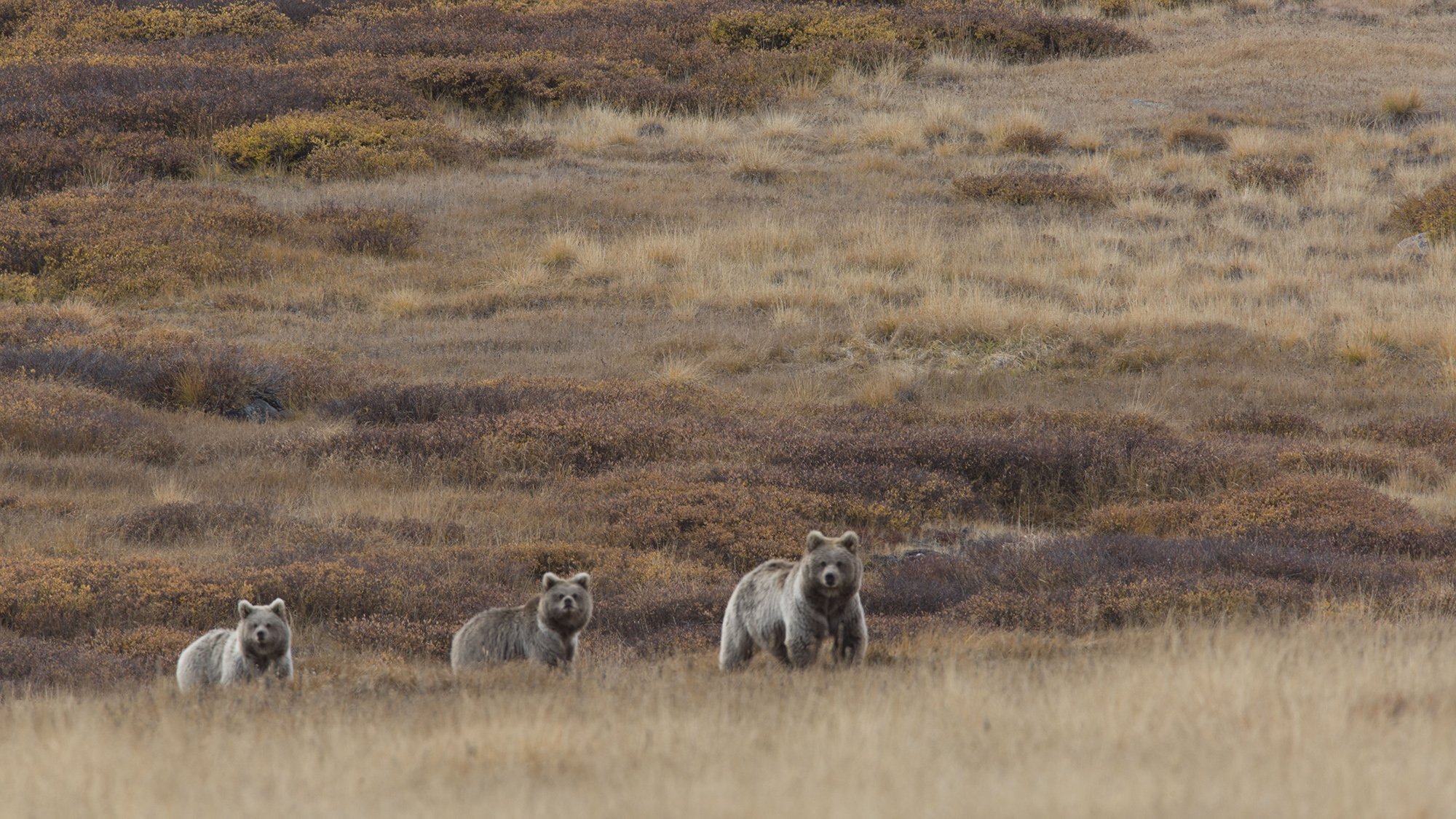
Deosai National Park is accessible and green, though nights at 4,114 meters can drop close to freezing even in August. Pack accordingly, and see our packing list for northern Pakistan if you haven’t already.
Where monsoon actually affects your trip
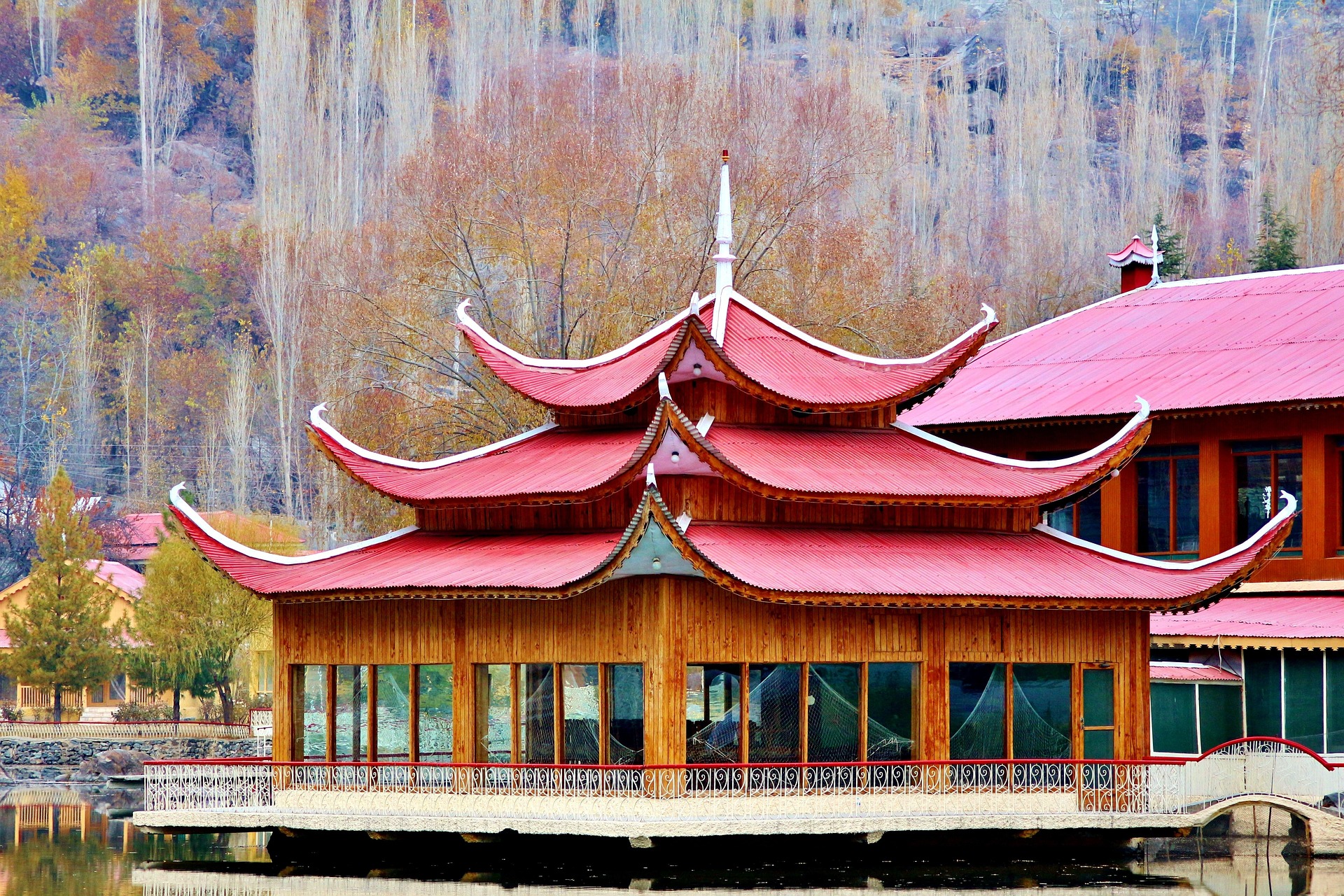
Naran, Kaghan, Neelum Valley, and Swat sit lower and catch heavier monsoon rain than Hunza or Skardu. Landslides and temporary road closures are a real possibility here in August, not just a theoretical caution. Build flexibility into your itinerary if these valleys are on your route. Check current road conditions before committing to a tight schedule.
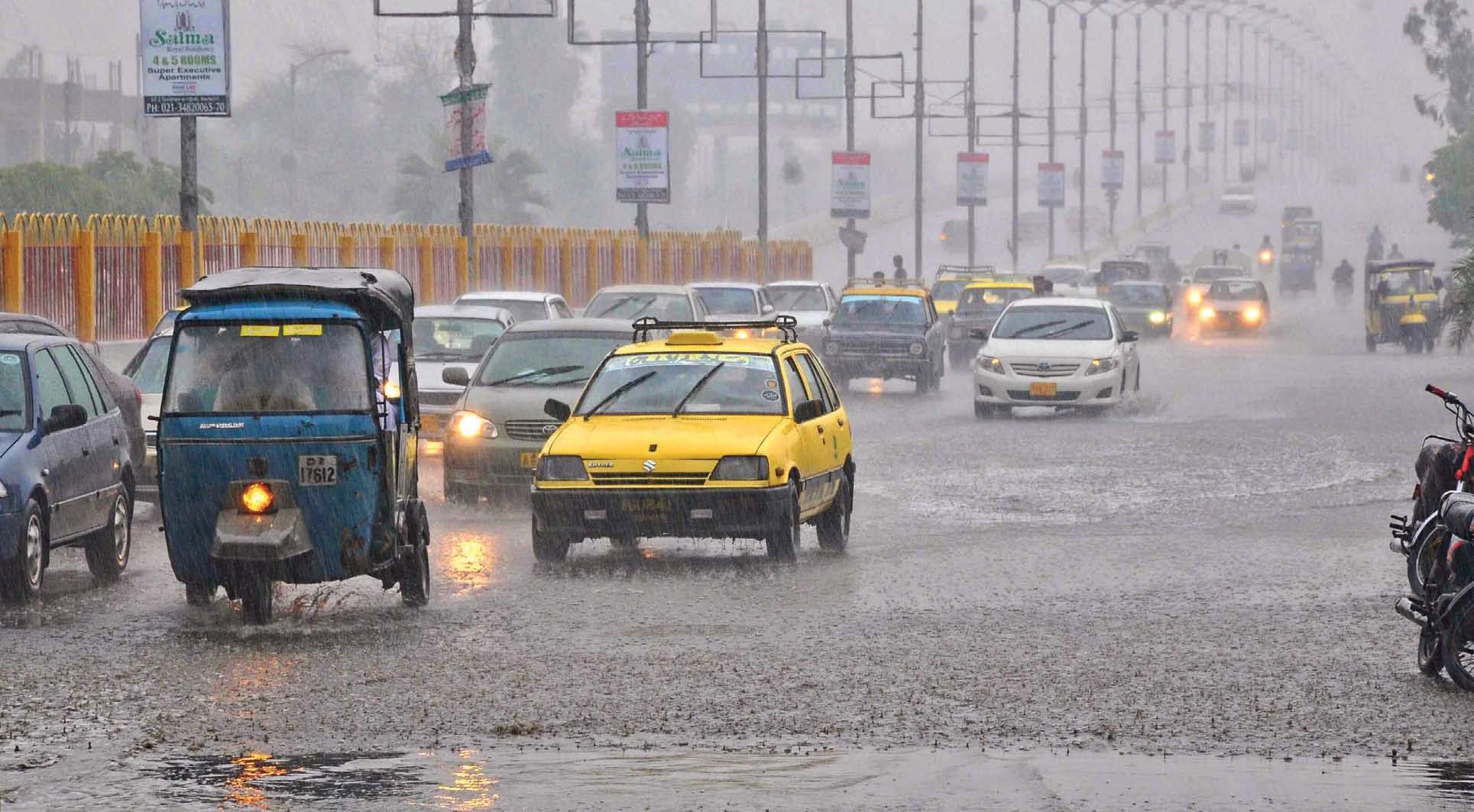
The plains and major cities, Lahore, Islamabad, Karachi, sit deep in monsoon season too. Expect heat, humidity, and heavy rain bursts. Temperatures run 31 to 36 degrees with high humidity, which feels considerably hotter than the number suggests.
Independence Day: the country’s biggest week
August 12 through 14 brings Pakistan’s Independence Day. It’s genuinely one of the most atmospheric weeks to be in the country if your itinerary includes major cities. Green and white lights cover streets, and fireworks run through the nights. The mood in tea shops turns reflective and open in a way that’s rare outside this specific week. If your trip lands here, don’t skip it for the sake of sticking to a rigid itinerary.
Best places to visit in Pakistan in August: planning your route
- Anchor your trip in the north if trekking and sightseeing matter most. Hunza, Skardu, and Gilgit hold up best against the monsoon.
- Build in buffer days for Naran, Kaghan, or Swat. Road closures happen, and a rigid schedule turns a delay into a real problem.
- Time a city stop around August 12 to 14 if you can. Independence Day celebrations are worth experiencing, not avoiding.
- Pack for both heat and cold. Humid plains and near-freezing Deosai nights can both be part of the same August trip.
Pair this with our altitude sickness guide if Deosai or higher elevations are on your route. Also check our trekking permits guide for restricted zones this month.
Frequently asked questions
Is August a good time to visit Hunza or Skardu?
Yes. Both stay comparatively dry through August, with pleasant daytime temperatures and good conditions for sightseeing and moderate trekking.
Does monsoon affect travel in northern Pakistan in August?
It affects lower valleys like Naran, Kaghan, Neelum, and Swat more than Hunza or Skardu. Landslides and road closures are a real possibility in those areas specifically.
Is Lahore or Islamabad worth visiting in August?
The weather is hot and humid with heavy monsoon rain. Independence Day celebrations from August 12 to 14, though, make this a genuinely worthwhile time for a city stop.
Is Deosai National Park accessible in August?
Yes, and it’s green and scenic. Nights at that altitude can still drop close to freezing, so pack warm layers regardless of daytime heat elsewhere.
What should I pack for Pakistan in August?
Layers that handle both humid heat in the plains and near-freezing nights at higher elevations like Deosai. Waterproof gear is worth carrying if your route includes monsoon-affected valleys.