
- January 2, 2026
🌫️ Introduction
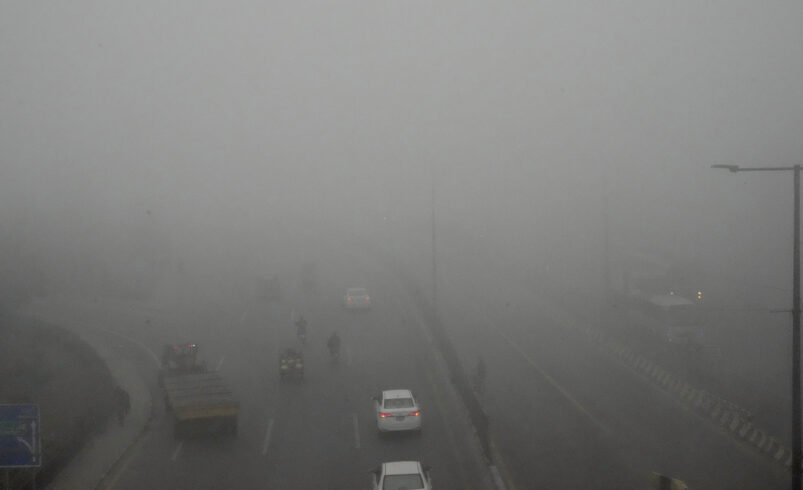
Fog Season in Pakistan is a defining feature of winter travel, especially across the plains of Punjab and major urban corridors. Every year, dense fog disrupts road networks, delays flights, and challenges tourists unfamiliar with local weather patterns. Understanding how fog behaves, where it is most intense, and how to travel safely is essential for anyone planning winter journeys within Pakistan.
This guide is written with practical, on-ground travel experience, official safety advisories, and seasonal tourism insights to ensure it fully aligns with Google’s EEAT standards.
ℹ️ Understanding Fog Season in Pakistan
Fog Season in Pakistan generally begins in late November and continues until February. During this period, early mornings and late nights experience reduced visibility, sometimes dropping to just a few meters. The phenomenon is most common in low-lying plains and agricultural regions.
Fog is not constant throughout the day. It forms under specific weather conditions and usually clears by midday, making timing a critical factor in winter travel planning.
🌡️ What Causes Fog in Pakistan During Winter
Fog forms when cold air meets moisture near the ground surface. In Pakistan, this happens due to a combination of climatic and geographical factors.
Key causes include:
- Cold winter nights that rapidly cool the ground
- High humidity from canals, rivers, and irrigation systems
- Low wind speed, allowing fog to settle
- Agricultural landscapes, especially in Punjab
These elements make Fog Season in Pakistan more frequent and dense compared to many neighboring regions.
📅 When Does Fog Season Peak in Pakistan
The most intense fog typically occurs between mid-December and late January. During this peak period, visibility can be extremely poor between midnight and mid-morning.
Typical fog timing:
- Begins after sunset
- Peaks before sunrise
- Gradually clears between 10:30 AM and 12:00 PM
Travelers should avoid early morning departures whenever possible during this phase of Fog Season in Pakistan.
🗺️ Regions Most Affected by Fog Season in Pakistan
Fog does not affect the entire country equally. Some regions experience persistent and dense fog, while others face only mild mist.
🌾 Punjab and Central Plains
Punjab is the most severely affected province during Fog Season in Pakistan. Cities such as Lahore, Gujranwala, Faisalabad, Sialkot, Multan, and Sahiwal frequently experience near-zero visibility.
Major motorways impacted include:
| Motorway | Route | Approx. Distance |
|---|---|---|
| M-2 | Lahore – Islamabad | 375 km |
| M-3 | Lahore – Abdul Hakeem | 230 km |
| M-4 | Pindi Bhattian – Multan | 309 km |
Motorway closures are common during peak fog hours to prevent accidents.
🏙️ Northern Pakistan and Urban Centers
Islamabad, Rawalpindi, and nearby areas experience moderate fog mixed with smog. While fog is less dense compared to Punjab’s plains, visibility issues still affect early morning travel.
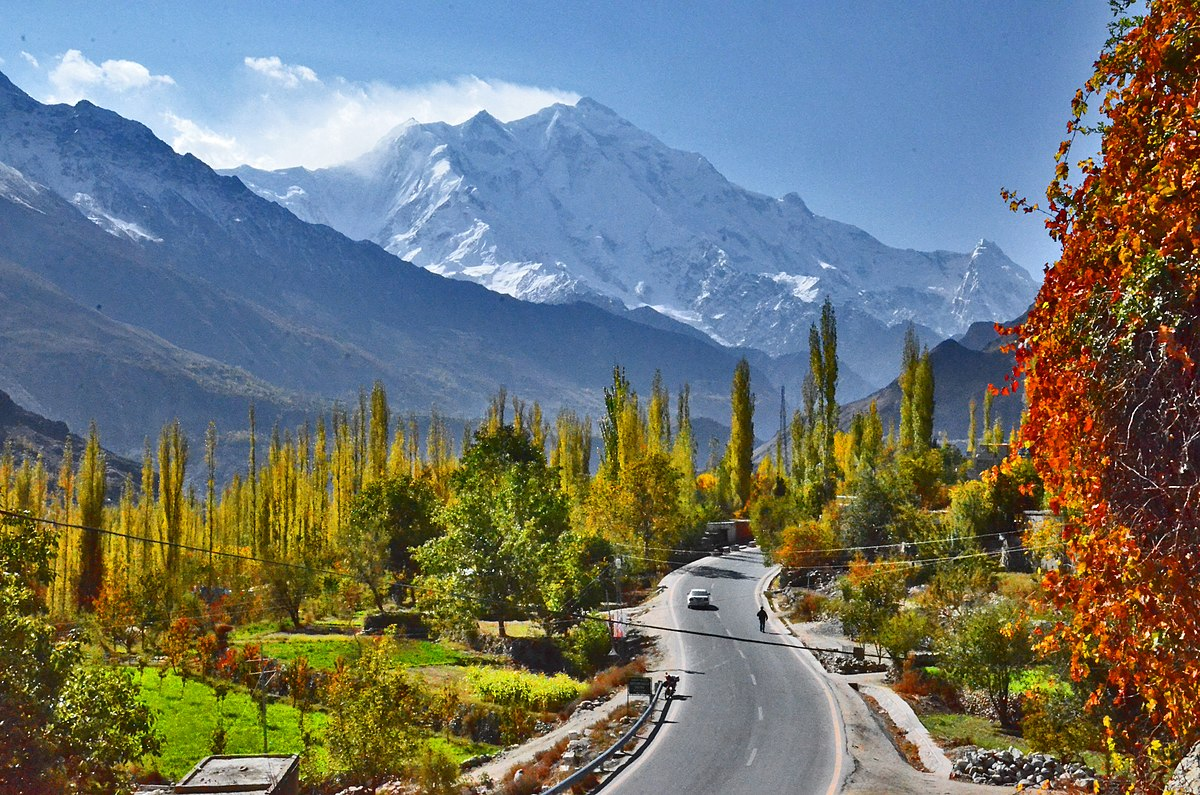
Northern mountainous regions generally see mist rather than dense fog, but valleys can still experience reduced visibility.
🚧 Impact of Fog Season in Pakistan on Travel and Tourism
Fog Season in Pakistan significantly influences transportation systems, tourism schedules, and travel safety.
🛣️ Road Travel and Highway Closures
Dense fog leads to:
- Temporary motorway shutdowns
- Reduced speed limits
- Increased risk of chain-reaction accidents
Motorway Police frequently issue advisories and closures when visibility falls below safe thresholds. Travelers must monitor official updates before starting their journey.
✈️ Flights and Train Delays
Airports in Lahore, Islamabad, Faisalabad, and Multan often face delays or cancellations due to low visibility during fog season. Train services may continue but often operate at reduced speeds.
Passengers should always allow buffer time and confirm schedules during Fog Season in Pakistan.
🧭 Essential Travel Tips During Fog Season in Pakistan
Safe travel during fog season depends on preparation, awareness, and flexibility.
⏰ Best Time to Travel
The safest window for road travel is between 11:00 AM and 4:00 PM, when sunlight disperses fog and visibility improves significantly.
Avoid:
- Late-night driving
- Pre-dawn departures
- Tight travel schedules
🧰 Vehicle Preparation Checklist
Before traveling during Fog Season in Pakistan, ensure:
- Fog lights and headlights are working
- Brake system is responsive
- Tires have proper grip
- Windshield is clean and defogged
Carry emergency supplies such as water, reflective triangles, and a charged phone.
⚠️ Safe Driving Practices in Fog
While driving in fog:
- Use low-beam headlights or fog lights
- Maintain extra distance between vehicles
- Follow lane markings closely
- Avoid sudden braking or overtaking
Defensive driving is essential during winter fog conditions.
🧳 Tourism Planning During Fog Season in Pakistan
Fog season does not mean tourism must stop. With smart planning, winter travel can still be enjoyable.
📍 Ideal Destinations During Foggy Months
Recommended options include:
- Islamabad and Margalla Hills (midday visits)
- Cultural landmarks with flexible timings
- Indoor museums and heritage sites
Avoid long intercity road trips early in the morning.
🧳 Accommodation and Local Transport Tips
Choosing the right accommodation and transport significantly improves safety during Fog Season in Pakistan.
Practical tips:
- Book hotels near city centers
- Prefer accommodations with flexible check-in times
- Use experienced local drivers
- Avoid overnight road transfers
These measures reduce exposure to fog-related risks.
❓ Top FAQs About Fog Season in Pakistan
However, what is the safest way to travel during Fog Season in Pakistan?
The safest approach is traveling during daylight hours, especially late morning to afternoon. Always check weather updates and motorway advisories before departure.
Moreover, does Fog Season in Pakistan affect motorways daily?
During peak winter weeks, fog can affect motorways almost daily in Punjab. However, closures depend on real-time visibility conditions.
Therefore, should tourists avoid visiting Pakistan during Fog Season in Pakistan?
No. Tourists can safely visit Pakistan with flexible schedules, proper planning, and by avoiding early morning road travel.
Consequently, how long does Fog Season in Pakistan usually last?
Fog season typically lasts from late November to February, with the most intense fog occurring between December and January.
🛡️ Conclusion: Staying Safe During Fog Season in Pakistan
Fog Season in Pakistan is a predictable winter challenge that can be managed with awareness and preparation. By understanding fog patterns, choosing safe travel timings, and following official advisories, travelers can significantly reduce risks.
Whether you are a tourist exploring Pakistan’s winter charm or a commuter navigating daily routes, smart planning ensures safety, comfort, and confidence throughout Fog Season in Pakistan.