







This Lahore travel guide covers what most visitors need to plan a trip: the Fort and Badshahi Mosque, the Walled City, Shalimar Gardens, the food streets, how to get there, what things cost, and two issues many older guides leave out: winter smog and the rules around Basant. Lahore is the capital of Punjab and Pakistan’s second-largest city, and it holds more Mughal-era heritage in one place than almost anywhere else in the country.
Quick answer: is Lahore worth visiting?
Yes, if you want history, bazaars and food in one city. Plan about three days. The most comfortable months are February to early April. Smog is common from October to January, and May to August can be very hot. The must-see sites are Lahore Fort, Badshahi Mosque, Wazir Khan Mosque, the Walled City and Shalimar Gardens. Entry fees and opening hours change, so confirm them on the day.
Lahore quick facts
| Detail | Lahore |
|---|---|
| Province | Punjab (provincial capital) |
| Size | Pakistan’s second-largest city |
| Elevation | About 217 m |
| Languages | Punjabi and Urdu; English is understood at hotels and major sites |
| Currency | Pakistani rupee (PKR) |
| Airport | Allama Iqbal International Airport (LHE) |
| Main railway station | Lahore Junction |
| From Islamabad | About 380 km, roughly 4 to 5 hours by motorway |
| UNESCO sites | Lahore Fort and Shalimar Gardens (inscribed 1981) |
| Best months | February to early April |
| Suggested stay | 3 days |
Where is Lahore?
Lahore sits in north-eastern Punjab, close to the Indian border, with the Ravi River along its northern edge. The old Walled City is the historic core, where the Fort and Badshahi Mosque stand. Newer districts such as Gulberg, with Liberty Market and MM Alam Road, hold most hotels, malls and restaurants. The Wagah border crossing lies roughly 25 to 30 km east of the centre.
History of Lahore
Lahore has been an important city for about a thousand years. It was ruled in turn by the Ghaznavids, the Mughals, the Sikh Empire and the British, and each left buildings you can still visit. The Mughal period shaped the Fort, the great mosques and the gardens. Emperors including Akbar, Jahangir, Shah Jahan and Aurangzeb all added to the city. In 1940 the Lahore Resolution was passed here, which is why Minar-e-Pakistan stands in the city today.
How to reach Lahore
Nearest airport
Allama Iqbal International Airport serves the city. It handles domestic flights, including from Islamabad and Karachi, and international routes. Airlines and routes change, so check current schedules. See our guides to Pakistan’s international airports and domestic flights.
Nearest railway station
Lahore Junction is on the Pakistan Railways main line, with services from cities such as Karachi, Rawalpindi, Peshawar and Multan. Timetables and classes change, so check Pakistan Railways before you travel.
Road access
The M-2 Motorway links Islamabad and Lahore, a drive of about 4 to 5 hours. Intercity coach operators such as Daewoo, Faisal Movers and Skyways run between Lahore and other major cities. See our public transport guide for how coaches and trains compare.
Best time to visit Lahore
| Period | What to expect |
|---|---|
| February to early April | The most comfortable weather for walking the Walled City and the gardens |
| April to June | Hot and getting hotter; plan sightseeing for early morning and evening |
| July to September | Monsoon; humid, with heavy rain on some days |
| October to January | Cooler, but smog is common, and it is usually worst from November to January |
Many older guides call winter the best time for street food. It is a good time to eat, but smog can make a long day outdoors unpleasant. Check the Punjab government air quality page at aqi.punjab.gov.pk before you plan outdoor days, and carry a good mask (KN95 or FFP2) if the reading is poor.
Basant: when kite flying is allowed
Basant, the spring kite festival, was banned in Punjab from 2007. It returned in Lahore only on 6 to 8 February 2026, under strict rules, and officially approved dates are the only days kite flying is legal. Reports that month said at least 17 people died during the three days, and the matter was reviewed by the Lahore High Court. In October 2026 the Punjab chief minister approved a 10-day Basant from 29 January to 7 February 2027. Treat those dates as provisional until officially notified, and check the 2026 rules for the conditions. Outside notified dates, kite flying remains prohibited.
Weather in Lahore
Summers are very hot, often above 40°C. The monsoon brings rain and humidity from July to September. Winters are cool, with fog and smog in the mornings. Check a forecast and the air quality reading before you travel, and plan indoor visits such as the Lahore Museum for the hottest or smokiest hours.
Places to visit in Lahore
Lahore Fort (Shahi Qila)
The Fort covers about 20 hectares in the Walled City. It was built up over several Mughal reigns, from Akbar to Aurangzeb. Highlights include Sheesh Mahal, with its mirror work, the Diwan-e-Aam, the marble Moti Masjid and the Alamgiri Gate. It is a UNESCO site, inscribed in 1981 together with Shalimar Gardens. Hours are reported as roughly 8:30 or 9 am to 5 or 6 pm, with Sheesh Mahal sometimes closing earlier. Foreign visitors pay more than Pakistani citizens, and published prices differ, from about PKR 500 up to 1,500, so confirm at the ticket window.
Badshahi Mosque
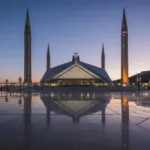
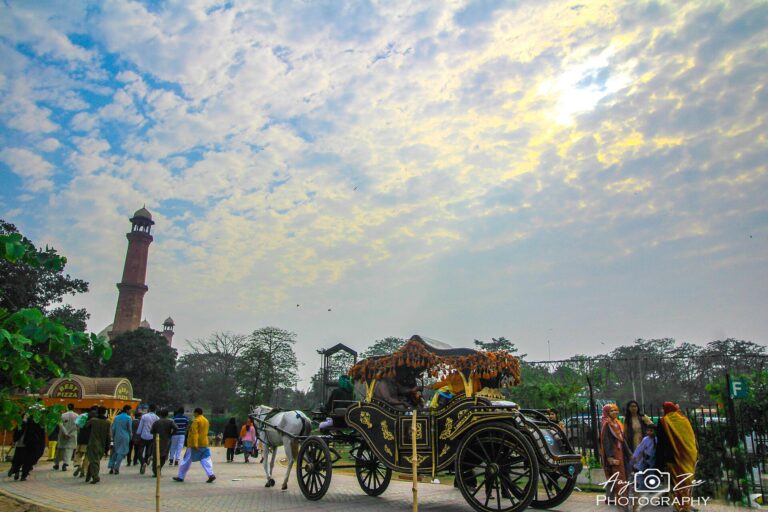
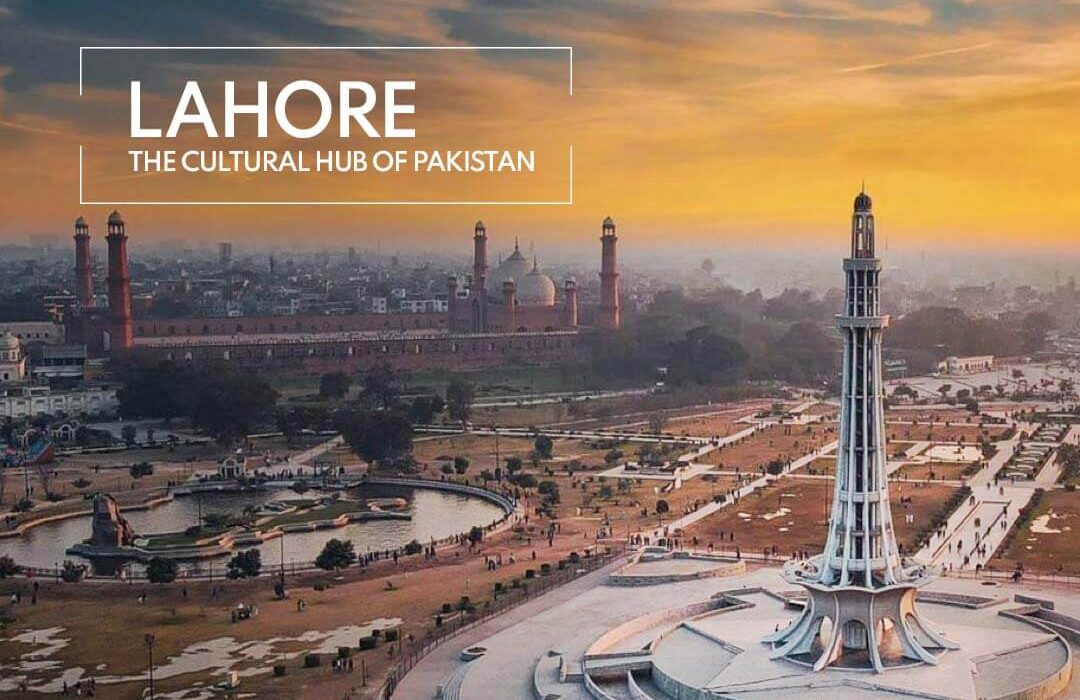
The mosque was completed in 1673 under Emperor Aurangzeb and is among the largest in the world. Visitors can usually enter outside prayer times. Dress modestly, remove your shoes, and women should cover their heads. Hazuri Bagh, between the Fort and the mosque, is a good place to rest. For more on both sites, read our guide to Badshahi Mosque and the Shahi Qila.
Walled City and Wazir Khan Mosque
The Walled City is a maze of lanes, bazaars and old havelis. Start at Delhi Gate, then walk to the Wazir Khan Mosque, a 17th-century Mughal mosque known for its tile work and painted interior. Nearby are the Shahi Hammam, a restored Mughal bathhouse, and Gali Surjan Singh. The Walled City of Lahore Authority runs guided walks, see its site at walledcitylahore.gop.pk.
Minar-e-Pakistan
This national monument in Greater Iqbal Park marks the place where the Lahore Resolution was passed in 1940. It is best visited in the evening. Read the full history and visiting tips in our Minar-e-Pakistan guide.
Shalimar Gardens
Emperor Shah Jahan built these terraced Mughal gardens around 1641 to 1642. They are on the north-east side of the city and are UNESCO-listed together with the Fort. Spring and winter mornings are the best times for a walk.
Lahore Museum
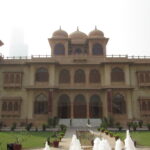
Founded in 1865 on Mall Road, this is one of Pakistan’s oldest and best-known museums. It holds Gandhara Buddhist sculpture, including the famous Fasting Buddha, as well as Mughal-era and later collections. Check opening days and hours before you go.
Data Darbar
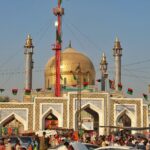
This is the shrine of Ali Hujwiri, known as Data Ganj Bakhsh, and one of the most visited Sufi shrines in South Asia. Evenings, especially Thursdays, are busy. Security is tight. Dress modestly, cover your head if you are a woman, remove your shoes, and ask before taking photographs.
Anarkali Bazaar and Liberty Market
Anarkali is one of Lahore’s oldest markets, close to the Lahore Museum, with clothing, jewellery and handicrafts. Its name comes from the legend of Anarkali, so treat the story as tradition, not recorded history. Liberty Market in Gulberg is the modern shopping and cafe area. Bargain politely in bazaars and ask prices first.
Wagah border ceremony
The daily flag-lowering ceremony is performed before sunset by Pakistan Rangers and India’s Border Security Force. Entry is free and seats are first come, first served. Start times follow sunset: roughly 5:00 to 5:30 pm in summer and about 4:00 to 4:30 pm in winter. Leave central Lahore at least two hours early because of traffic and security checks, and carry ID or your passport. Arrangements and the format of the ceremony can change with the security situation, and the border crossing itself has been closed to travellers at times, so confirm locally that visitors are being admitted.
Lesser-known stops
- Tomb of Jahangir, Shahdara. A Mughal tomb across the Ravi, usually visited with the nearby Asif Khan’s tomb and Akbari Sarai.
- Hazuri Bagh and the tomb of Allama Iqbal. A quiet courtyard beside the mosque.
- Fort Road Food Street. Rooftop restaurants with views of the Fort and mosque, best at dusk.
Things to do in Lahore
- Walk the Walled City with a guide, starting at Delhi Gate.
- Visit the Fort and Badshahi Mosque on the same morning, since they are next to each other.
- Eat in the old city and on Fort Road Food Street.
- Shop at Anarkali Bazaar and Liberty Market.
- Watch the Wagah border ceremony in the late afternoon.
- See a qawwali evening at Data Darbar, with respect for worshippers.
- Take an air-conditioned break at a mall such as Emporium or Packages Mall in hot weather.
Adventure activities
Lahore is a city destination, not an adventure one. For mountain activities, see our Punjab travel guide and the northern Pakistan guides.
Photography spots
- Hazuri Bagh at golden hour, with Badshahi Mosque and the Fort in frame.
- Wazir Khan Mosque, for tile work and courtyard light.
- Fort Road Food Street rooftops, for dusk views over the Walled City.
- Shalimar Gardens, in the morning for soft light.
Photography is generally allowed at heritage sites, but some places charge for professional equipment or restrict tripods. Drone use at heritage sites is restricted, so ask the site management or the Walled City authority before flying. Ask before photographing people, especially women and worshippers.
Where to stay in Lahore
Lahore has options for every budget. The Walled City area suits short sightseeing stays, while Gulberg offers more hotels, restaurants and malls. Check recent reviews and confirm the price and cancellation terms directly. See our guides to the best hotels in Lahore and, for food, the best restaurants in Lahore.
What to eat in Lahore
Classic dishes include nihari, paye, Lahori chargha, gol gappay, halwa puri and falooda. Long-established names often recommended include Phajja Siri Paye in Gawalmandi for breakfast, Butt Karahi near Lakshmi Chowk, and Fort Road Food Street for dinner with a view. Opening hours and quality change, so check recent reviews. Read our Lahore food streets guide for more.
If you are visiting during Ramadan, many restaurants limit daytime service and eating openly in public is discouraged out of respect.
Transportation in Lahore
| Option | Notes |
|---|---|
| Ride-hailing apps | inDrive, Yango and Bykea work in the city. Fares are agreed or bid in the app, so confirm the price before you ride |
| Metro Bus | A dedicated bus corridor across the city |
| Orange Line Metro Train | An elevated line crossing the city |
| Rickshaws | Cheap and convenient for short trips, but agree the fare before you start |
| Hired car with driver | Useful for Wagah and trips outside the city |
Traffic is heavy at rush hour. Allow extra time for the Walled City, where many lanes are for pedestrians only.
Estimated costs in PKR
These are approximate ranges reported in 2026 by hotel-booking sites and travel budget guides. Prices change with season and demand, so check current rates before you book.
| Item | Approximate range |
|---|---|
| Budget room, per night | PKR 2,500 to 6,000 |
| Mid-range hotel, per night | PKR 8,000 to 20,000 |
| Three modest meals, per day | PKR 1,500 to 3,500 for budget travellers; 4,000 to 8,000 for mid-range |
| Fort and museum tickets | Charged separately; foreign rates are higher, so confirm on arrival |
| Wagah border ceremony | Free |
For the wider budget, see our Pakistan travel cost guide and the ATM and cash guide.
Packing checklist
- Light, modest clothing that covers shoulders and knees, plus a scarf for women for mosques and shrines
- Comfortable walking shoes that are easy to take off
- A KN95 or FFP2 mask in smog season
- Sunscreen, hat and sunglasses in warm months
- A warm layer for winter evenings
- Passport or CNIC, plus copies, especially for Wagah
- A power bank and a refillable water bottle
Travel tips
- Visit the Fort and mosque early to avoid heat and crowds.
- Carry small notes for tickets, rickshaws and bazaars.
- Foreign visitors should check visa rules in our e-visa guide and get a local SIM using our SIM card guide.
- Solo and female travellers can read our solo travel safety tips.
- Families will find ideas in our family-friendly destinations guide.
Safety tips
- Lahore is a large, busy city. Keep valuables out of sight in crowded bazaars and avoid isolated areas late at night.
- Expect security checks at major sites and the Wagah border. Carry ID and avoid large bags.
- See our safety guide before travelling.
- Smog season is a health issue. People with asthma or heart conditions should check the air quality and limit outdoor time.
- During any Basant dates, take extra care on motorbikes and rickshaws and stay off roofs without proper edges.
- Muharram processions can close roads and affect mobile service in places, so plan around them.
Responsible tourism
- Dress modestly and follow the rules at mosques and shrines.
- Do not climb on or write on historic walls.
- Buy from local craftspeople and eat at local restaurants.
- Do not litter, and avoid single-use plastic where you can.
Emergency contacts in Lahore
- Police: 15
- Rescue 1122
- Major hospitals include Jinnah Hospital and Mayo Hospital
- Confirm numbers locally before you travel.
Attractions near Lahore
- Wagah border, roughly 25 to 30 km east of the centre.
- Shahdara, across the Ravi, for the tomb of Jahangir.
- Nankana Sahib, the birthplace of Guru Nanak and a major Sikh pilgrimage site, reachable as a day trip.
- More of Punjab. See our Punjab travel guide, forts in Pakistan and UNESCO sites in Pakistan.
- Islamabad. Our Islamabad guide covers the capital, about 4 to 5 hours away by motorway.
Possible 3-day itinerary for Lahore
These are example plans. Check opening days and hours first, because some sites close on certain days or for events.
| Day | Plan |
|---|---|
| Day 1: Walled City | Morning at Delhi Gate, Wazir Khan Mosque and Shahi Hammam. Midday at Lahore Fort. Late afternoon at Hazuri Bagh and Badshahi Mosque. Dinner on Fort Road Food Street. |
| Day 2: City and culture | Breakfast in Gawalmandi. Lahore Museum, then Anarkali Bazaar. Late afternoon at Data Darbar if you wish. Evening at Minar-e-Pakistan. |
| Day 3: Gardens and border | Morning at Shalimar Gardens or the tomb of Jahangir. Shopping at Liberty Market. Leave early afternoon for the Wagah ceremony, allowing for traffic and security. |
If you have only one day, choose the Fort, Badshahi Mosque, Wazir Khan Mosque and a food street dinner. Our guide to historical places in Lahore helps you prioritise.
Lahore travel guide FAQs
How many days should I spend in Lahore?
Three days covers the main sights comfortably. Add a fourth for the museum, markets and a day trip.
What is the best time to visit Lahore?
February to early April has the most pleasant weather. October to January often brings smog, and May to August is very hot.
Is Lahore safe for tourists?
Most visitors move around the main sites without trouble, but it is a large city. Take normal precautions, expect security checks.
How far is Lahore from Islamabad?
About 380 km. The motorway drive takes roughly 4 to 5 hours, and there are also flights, trains and coaches.
Is Basant celebrated in Lahore every year?
No. It was banned from 2007 and returned only on 6 to 8 February 2026 under strict rules. Dates for 2027 were announced for 29 January to 7 February, so confirm the official notification before planning around them.
Can foreigners visit Lahore Fort and Badshahi Mosque?
Yes. The Fort charges a ticket, with a higher rate for foreign visitors. The mosque is open to visitors outside prayer times, with modest dress and no shoes.
How much does the Lahore Fort ticket cost?
Reported foreign prices range from about PKR 500 to 1,500, and the Sheesh Mahal may need a separate ticket. Confirm at the ticket window.
What time does the Wagah border ceremony start?
It follows sunset, roughly 5:00 to 5:30 pm in summer and 4:00 to 4:30 pm in winter. Arrive about two hours early.
Is the Wagah border ceremony free?
Yes, there is no ticket, and seating is first come, first served.
Where can I try Lahori street food?
Gawalmandi, the old city lanes and Fort Road Food Street are the usual starting points. Read our food streets guide.
What should I wear in Lahore?
Light, modest clothing that covers shoulders and knees. Carry a scarf for mosques and shrines.
Is photography allowed at historical sites?
Usually yes, though some sites charge for professional equipment, and drones are restricted. Ask first, and always ask before photographing people.
What public transport is available in Lahore?
Ride-hailing apps such as InDrive and Yango, the Metro Bus, the Orange Line Metro Train and rickshaws. See our public transport guide.
Final thoughts on this Lahore travel guide
Lahore rewards a slow visit. Start in the Walled City, spend a full morning at the Fort and mosque, and keep your evenings for food. Choose your dates carefully, because weather and smog change the experience a lot, and confirm ticket prices, opening hours and any festival dates before you travel. For official heritage information, see the UNESCO entry for Lahore Fort and Shalimar Gardens.
Traveler Notes
Public comments are closed on this guide. Have a tip, an update or a correction? Send it to us.