


Last checked: October 2026. UNESCO listings are stable, but opening hours, ticket prices and security conditions change, so confirm locally before you travel.
Pakistan has six UNESCO World Heritage Sites, all cultural: ancient Buddhist and Indus Valley sites, Mughal monuments and a 16th-century fort. This guide lists each site with its inscription year, where it is, how to plan a visit and what to check first.
Quick answer: which are Pakistan’s UNESCO World Heritage Sites?
The six sites are Mohenjo-daro, Taxila, Takht-i-Bahi and the ruins of Sahr-i-Bahlol, the Fort and Shalamar Gardens in Lahore, the Historical Monuments at Makli (Thatta) and Rohtas Fort. Taxila, Mohenjo-daro and Takht-i-Bahi were inscribed in 1980, Makli and Lahore in 1981 and Rohtas in 1997.
Pakistan UNESCO sites at a glance
| Site | Province | Inscribed | Known for |
|---|---|---|---|
| Mohenjo-daro | Sindh | 1980 | Ruins of an Indus Valley Civilisation city |
| Taxila | Punjab | 1980 | Ancient Gandhara cities, stupas and monasteries |
| Takht-i-Bahi and Sahr-i-Bahlol | Khyber Pakhtunkhwa | 1980 | A Buddhist monastery complex on a hilltop |
| Lahore Fort and Shalamar Gardens | Punjab | 1981 | Mughal fort and terraced gardens |
| Makli Necropolis (Thatta) | Sindh | 1981 | One of the large necropolises of South Asia |
| Rohtas Fort | Punjab | 1997 | A 16th-century fortress built under Sher Shah Suri |
Mohenjo-daro
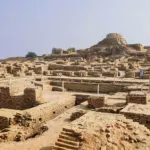
Mohenjo-daro in Sindh was a major city of the Indus Valley Civilisation, dating back more than 4,000 years. Visitors walk through the planned streets, wells and the Great Bath area. Heat, flooding and salt damage are ongoing conservation issues. See our Mohenjo-daro guide.
Taxila
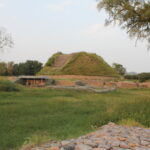
Taxila, near Islamabad and Rawalpindi, holds Gandhara-era cities, stupas and monasteries and is one of the easiest sites to reach from the capital. It also has a museum with Buddhist sculpture. Our Islamabad guide covers the surrounding area.
Takht-i-Bahi and Sahr-i-Bahlol
This hilltop Buddhist monastery complex near Mardan in Khyber Pakhtunkhwa dates from the early centuries CE. It involves a short climb.
Lahore Fort and Shalamar Gardens
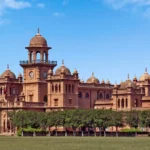
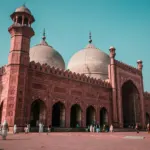
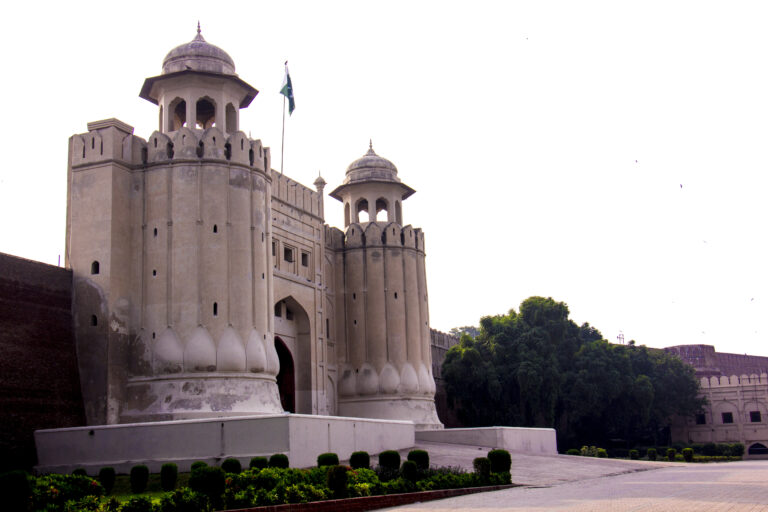
The Fort, with Sheesh Mahal and the Alamgiri Gate, and the Shalamar Gardens, built by Shah Jahan around 1641 to 1642, were inscribed together. See our Lahore travel guide and Badshahi Mosque and the Shahi Qila guide.
Makli Necropolis, Thatta
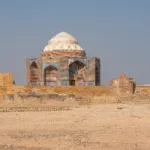
Makli, near Thatta in Sindh, is a vast cemetery with royal tombs and mausoleums spanning several centuries and styles. See our Makli guide.
Rohtas Fort
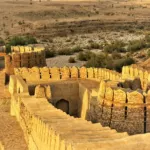
Rohtas Fort near Jhelum in Punjab was begun by Sher Shah Suri in 1541 and has massive walls and twelve gates. It is also a living fort, with a village inside. A full guide is being prepared for this site.
Other places on the tentative list
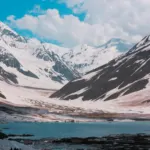
Pakistan also has sites on its UNESCO tentative list, including Deosai National Park, which are not yet inscribed. Tentative listing does not guarantee inscription.
How to visit the sites
- Best time: October to March for the plains sites, while avoiding smog months in Punjab if you can.
- Tickets: fees and foreign rates vary by site, so confirm at the gate.
- Dress and etiquette: dress modestly, and do not climb on ancient structures.
- Photography: usually allowed, but confirm rules for tripods and drones.
Planning a heritage route
A simple route is Lahore, then Rohtas and Taxila near Islamabad, with Mohenjo-daro and Makli as a Sindh trip from Karachi. See our forts in Pakistan guide and travel cost guide.
Safety tips
Security conditions differ by province. Expect checkpoints at some sites, and read our Pakistan safety guide.
Pakistan UNESCO sites FAQs
How many UNESCO World Heritage Sites does Pakistan have?
Six, all cultural sites.
Which UNESCO site is closest to Islamabad?
Taxila, which is a short drive from the capital.
Is Rohtas Fort a UNESCO site?
Yes, it was inscribed in 1997.
Is Baltit Fort a UNESCO World Heritage Site?
No. It is on Pakistan’s tentative list, not yet inscribed.
When is the best time to visit?
October to March for the plains sites.
Final thoughts on Pakistan’s UNESCO sites
Pick a region, confirm opening hours and security advice, and give each site half a day. For official records, see the UNESCO page for Pakistan.