

- January 3, 2026
🏜️ Introduction
Winter Desert Tourism in Pakistan reaches its finest expression between November and February, when the vast sands of Thar Desert and Cholistan Desert become comfortably explorable. Cooler temperatures, vibrant cultural calendars, and improved accessibility allow travelers to experience Pakistan’s deserts with safety, depth, and authenticity. From heritage forts and folk music to jeep safaris and ethical homestays, winter reveals the deserts as living landscapes tied to Pakistan’s national identity and rural resilience.
🌤️ Why Winter Is Ideal for Desert Travel in Pakistan
Winter changes the desert equation. Daytime temperatures average 18–25°C, nights remain crisp, and visibility improves—conditions aligned with responsible desert tourism and outdoor exploration.
❄️ Climate Comfort and Safety
Lower heat reduces dehydration risks and supports longer excursions, making winter desert tourism in Pakistan suitable for families, photographers, and cultural travelers alike.
🎉 Festivals and Cultural Rhythm
Winter coincides with desert festivals, weddings, and fairs—windows into Sindhi and Rohi traditions that define the social fabric of the region.
🌵 Thar Desert in Winter: Culture, Color, and Community
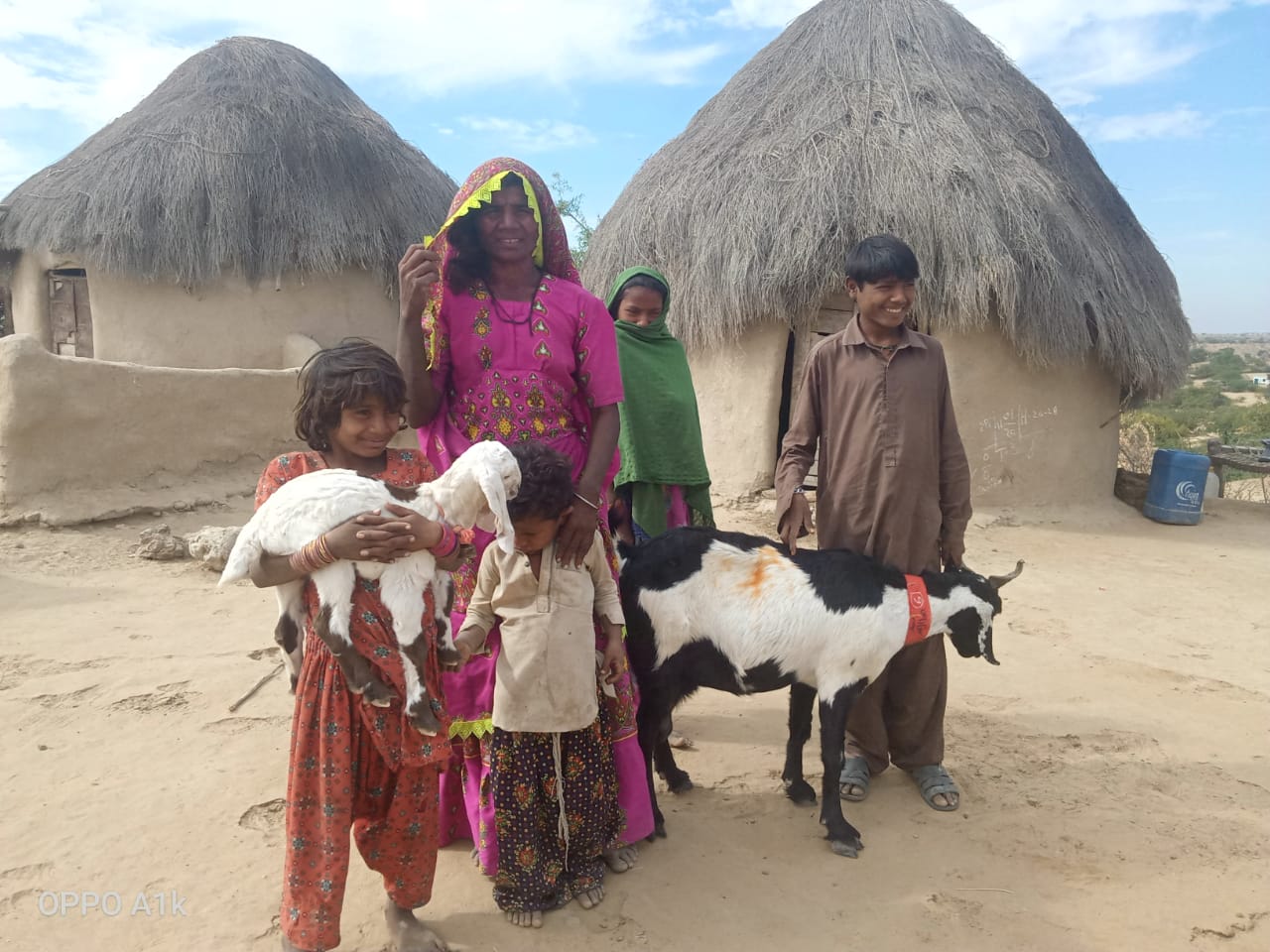
The Thar transforms into a mosaic of color during winter, especially across Tharparkar’s villages.
🏘️ Tharparkar Villages and Indigenous Life
Stone homes, mirror-work attire, and pastoral livelihoods dominate winter scenes. Ethical visits support local artisans and sustain heritage tourism.
🎶 Folk Music, Crafts, and Cuisine
Winter evenings echo with Sindhi folk music, while kitchens serve bajra roti, saag, and camel milk tea—authentic tastes best enjoyed in community settings.
🐪 Cholistan Desert in Winter: History and Vastness
Cholistan’s winter calm reveals its historic depth and expansive silence.
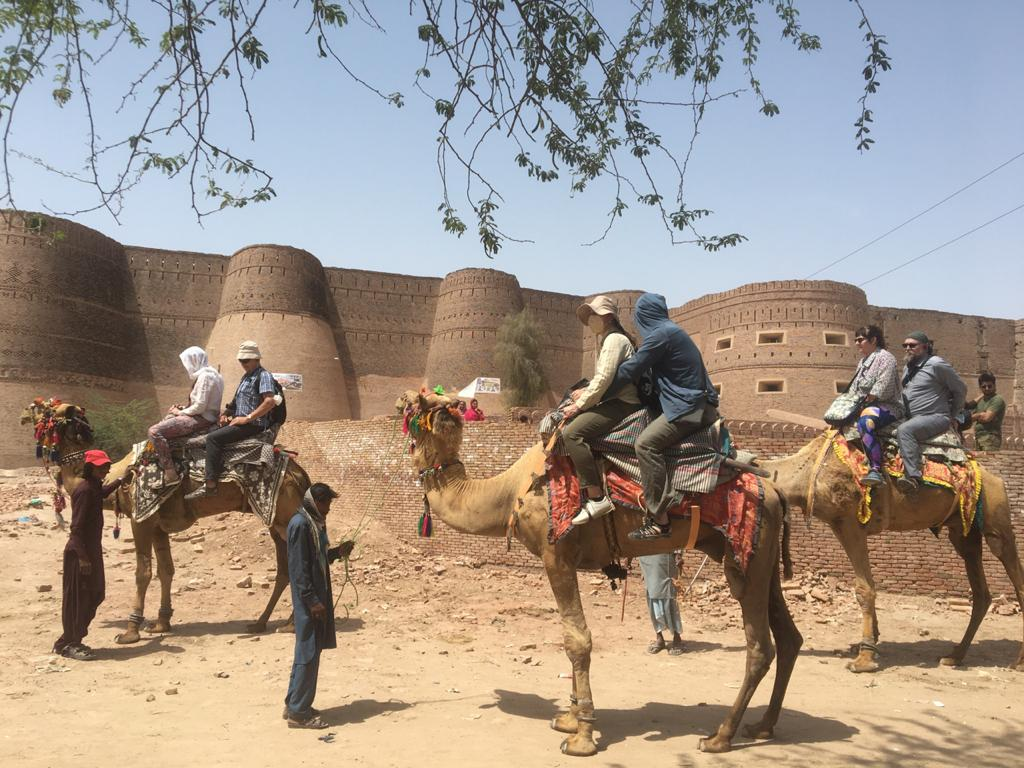
🏰 Derawar Fort and Desert Heritage
The iconic Derawar Fort stands as a testament to desert engineering and regional power. Winter light enhances architectural photography and guided interpretation.
🚙 Safaris and Stargazing
Jeep and camel safaris are safer and more scenic in winter, while clear skies enable exceptional stargazing—an emerging niche in winter desert tourism in Pakistan.
🧭 Key Routes and Distances for Winter Desert Tourism
| Destination | Access City | Approx. Distance | Best Winter Route |
|---|---|---|---|
| Tharparkar | Karachi | ~410 km | Karachi → Hyderabad → Mithi |
| Cholistan | Bahawalpur | ~30–80 km | Bahawalpur → Derawar |
Reliable road access and winter daylight improve safety and logistics for desert itineraries.
📸 Photography and Wildlife in Winter Deserts
🦅 Migratory Birds and Desert Fauna
Winter attracts migratory birds to desert wetlands and oases. Ethical wildlife viewing is encouraged.
🌅 Light, Color, and Composition
Soft winter light enhances textures of dunes, textiles, and stone—ideal for desert photography and documentary work.
🧳 Responsible Travel Tips for Winter Deserts
♻️ Eco-Friendly Practices
Carry water responsibly, avoid plastic, and respect grazing lands to preserve fragile ecosystems.
🏠 Community-Led Stays
Choose locally run camps and homestays to ensure economic benefits remain within desert communities.
🍲 Winter Cuisine and Hospitality
Seasonal dishes emphasize warmth and nutrition. In Cholistan, Rohi cuisine features slow-cooked meats and breads; in Thar, vegetarian fare reflects local ecology. Hospitality peaks in winter, aligning with Pakistan’s cultural values.
🧠 Planning Your Winter Desert Itinerary
🗓️ Best Months
Late November to February offers optimal conditions for winter desert tourism in Pakistan.
🧑🤝🧑 Guided vs. Independent Travel
Guides add safety, cultural context, and access to festivals—recommended for first-time desert visitors.
❓ Top FAQs on Winter Desert Tourism in Pakistan
➡️ First, why is Winter Desert Tourism in Pakistan safer than summer travel?
Winter reduces extreme heat exposure, improves road conditions, and aligns with festival calendars, making exploration safer and richer.
➡️ Moreover, how does Winter Desert Tourism in Pakistan support local communities?
Winter travel channels income to artisans, guides, and homestays during peak cultural activity, strengthening rural economies.
➡️ Additionally, what should I pack for Winter Desert Tourism in Pakistan?
Pack layered clothing, sun protection, closed shoes, and refillable water bottles for comfort and sustainability.
➡️ However, is Winter Desert Tourism in Pakistan suitable for families?
Yes. Cooler weather, shorter excursions, and cultural programs make it family-friendly with proper planning.
➡️ Finally, which desert offers more history during Winter Desert Tourism in Pakistan?
Cholistan emphasizes forts and routes; Thar highlights living culture—both are complementary winter experiences.
🧾 Conclusion
Winter Desert Tourism in Pakistan reveals Thar and Cholistan as accessible, meaningful, and culturally profound destinations. Cooler climates, vibrant traditions, and ethical travel opportunities converge to offer experiences that honor Pakistan’s national heritage while supporting local communities. By choosing winter, travelers unlock the deserts’ true character—timeless, resilient, and unforgettable—making winter the definitive season to explore Pakistan’s sands with confidence and respect.