

Introduction
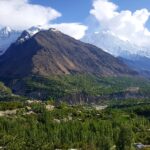
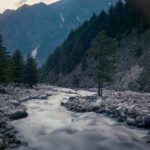
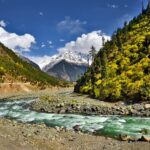
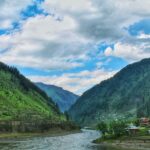
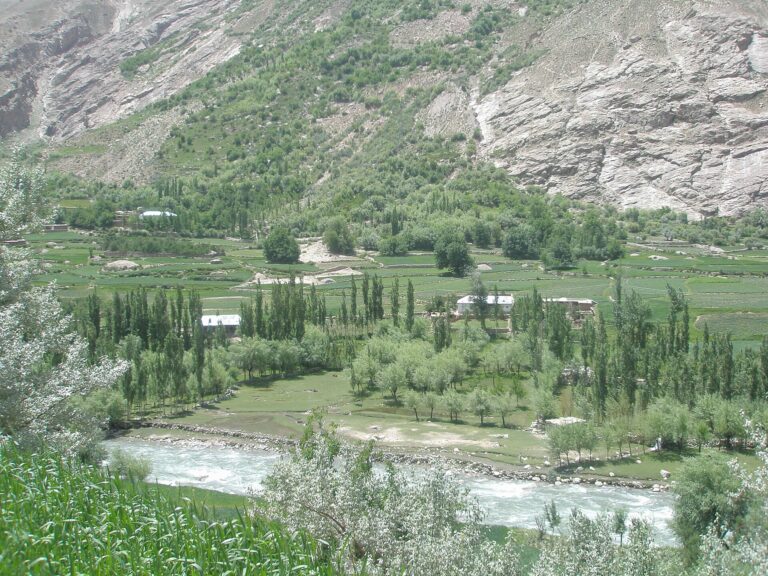
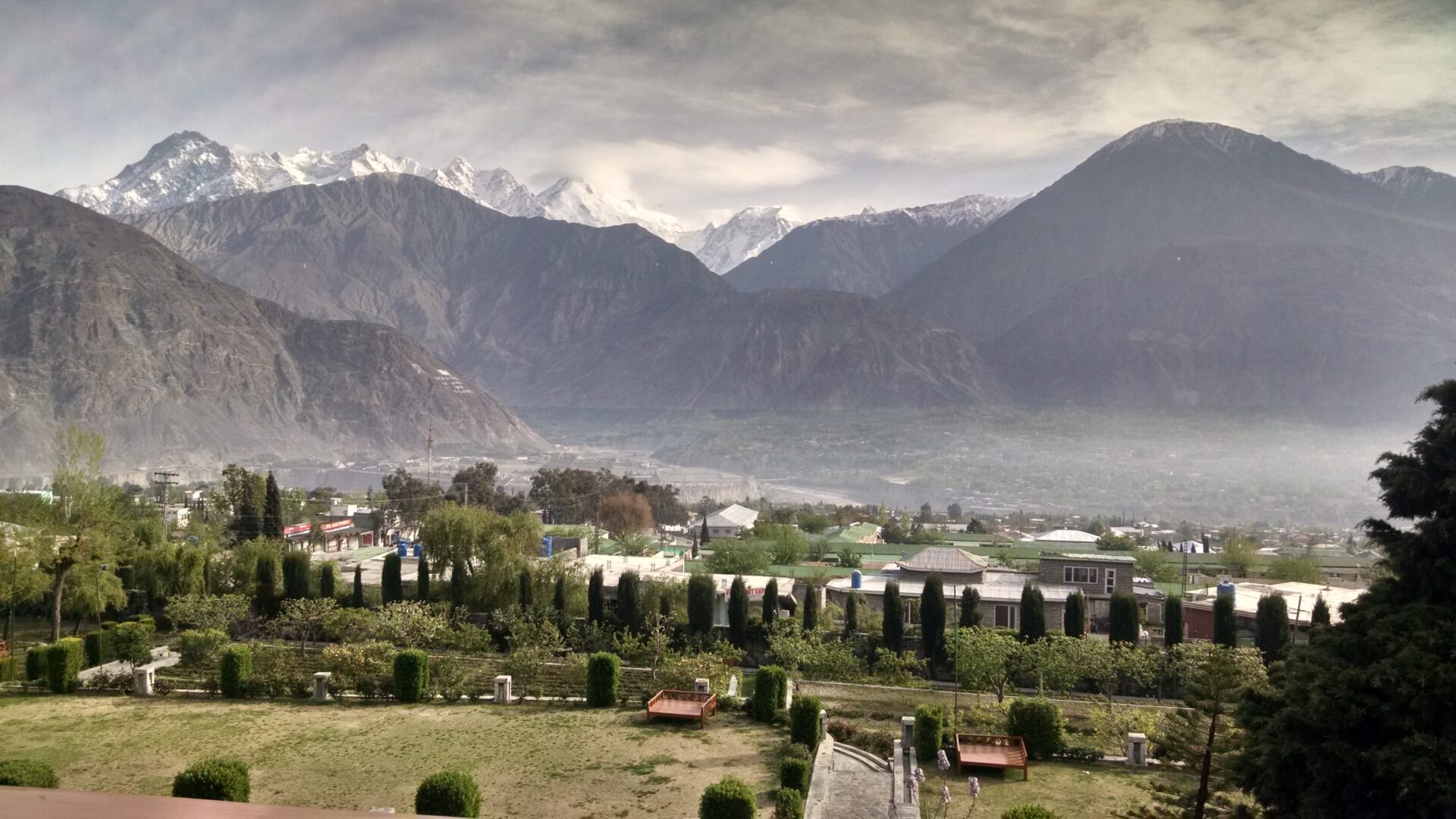
Gilgit Baltistan, set in the northernmost region of Pakistan, is a land of snow-capped peaks, crystal-clear rivers, historical marvels, and warm hospitality. This Gilgit Baltistan travel guide will take you through its scenic valleys, centuries-old heritage, and practical tips for exploring one of Asia’s most enchanting destinations.
History
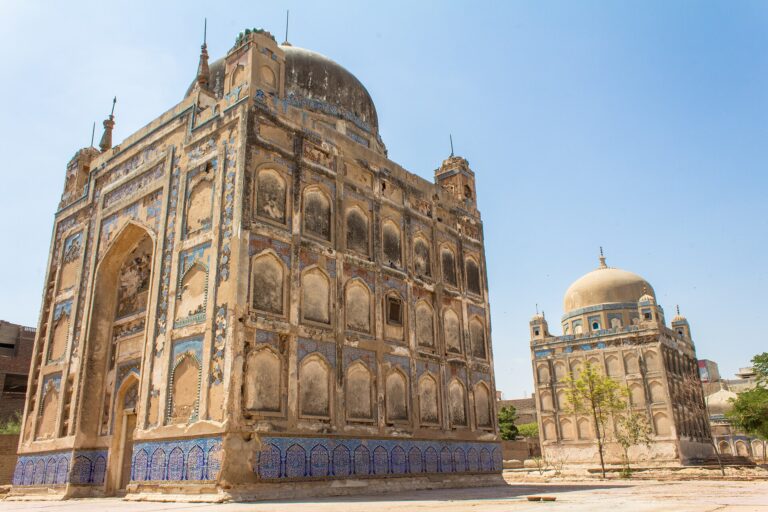
The history of Gilgit Baltistan dates back to ancient times when it was a crucial segment of the Silk Road. The region witnessed the influence of Buddhism, Tibetan, Persian, and Islamic cultures. Remnants like rock carvings, stupas, and forts illustrate the rich past of the area, while historic trade routes highlight its strategic significance.
Cultural Heritage
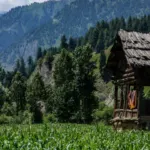
Gilgit Baltistan’s culture is a unique blend of Balti, Shina, Wakhi, and Burushaski traditions. Festivals like Jashn-e-Baharan and Navroz showcase music, dance, and local rituals. The people are known for their hospitality, vibrant handicrafts, woolen wear, and traditional wooden homes.
Best Time to Visit
The best time to visit Gilgit Baltistan is
- Spring (April to June): Blooming meadows, moderate climate.
- Summer (July to September): Ideal for trekking and sightseeing.
- Autumn (October): Mesmerizing fall foliage.
- Winter (November to March): Snow-laden views, limited access due to road closures.
Location
Gilgit Baltistan is located in the extreme north of Pakistan, bordered by China, Afghanistan, and Indian-administered Kashmir. It comprises ten districts, including Skardu, Hunza, Gilgit, and Astore. It lies within the ranges of the Karakoram, Himalayas, and Hindu Kush.
Top Places to Visit in Gilgit Baltistan
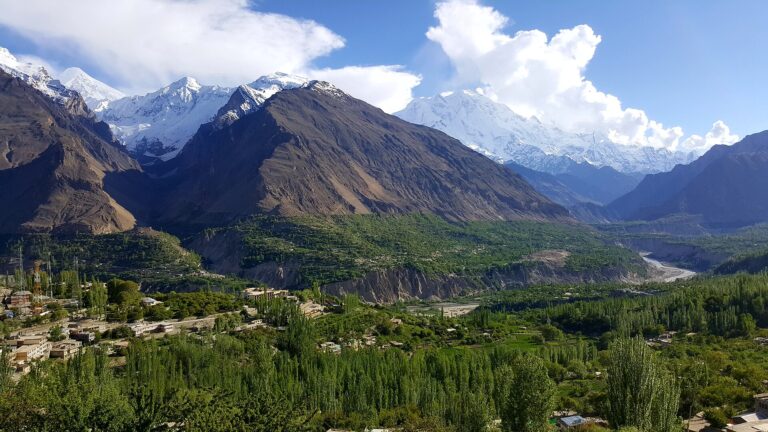
Hunza Valley
Famed for its picturesque views and historical forts.
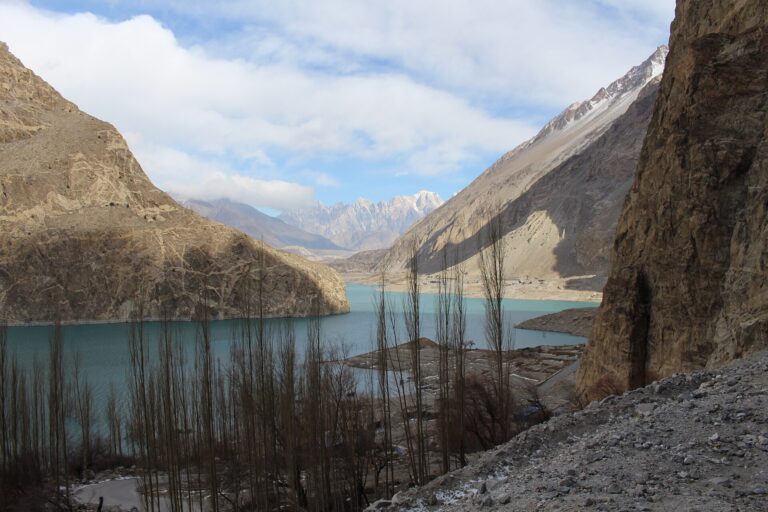
- Key Attractions: Altit Fort, Baltit Fort, Attabad Lake, Eagle’s Nest, Passu Cones.
- Best Time: April to October.
Skardu
A gateway to some of the world’s highest peaks.
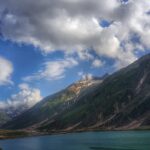
- Key Attractions: Shigar Fort, Katpana Desert, Satpara Lake, Deosai Plains, Sheosar Lake.
- Best Time: June to September.
Fairy Meadows
A lush green plateau with views of Nanga Parbat.
- Activities: Trekking, camping, photography.
- Best Time: May to September.
Naltar Valley
Famous for colorful lakes and skiing.
- Activities: Skiing, jeep rides, chair lifts.
- Best Time: June to August (for greenery), December to February (for snow).
Khaplu
A historic town with Tibetan influence.
- Key Attractions: Khaplu Palace, Chaqchan Mosque, trekking trails.
Astore Valley
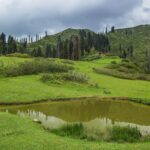
Green landscapes perfect for solitude and natural beauty.
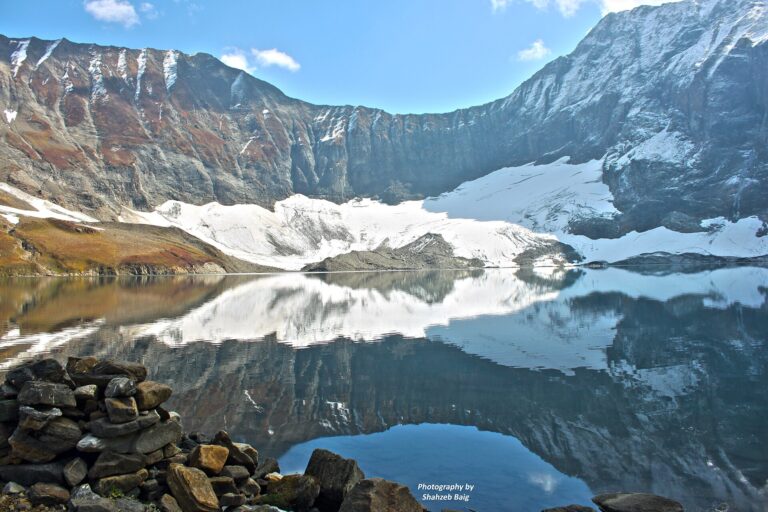
- Key Attractions: Rama Meadows, Rama Lake.
Where to Stay
Accommodation options range from luxury hotels to budget guesthouses
- Hunza Serena Inn (Hunza)
- Shangrila Resort (Skardu)
- Gilgit Serena Hotel (Gilgit)
- Glamping spots at Fairy Meadows and Rama
- Local homestays available across most valleys
Emergency Contacts & Health Precautions
- Rescue 1122 (Emergency): 1122
- Local Police: 15
- Travel Health Tips:
- Carry a basic first aid kit
- Acclimatize gradually to high altitudes
- Avoid street food if you have a sensitive stomach
- Keep hydrated and wear sunscreen
Travel Tips
- Always check weather forecasts before planning.
- Keep photocopies of your NIC or Passport.
- Respect local customs and culture.
- Travel in groups when trekking.
- Hire local guides for better navigation.
FAQs
What is the best time to visit Gilgit Baltistan?
The best time to visit Gilgit Baltistan is between April and October, when the weather is pleasant and roads are open.
How can I reach Gilgit Baltistan?
You can reach by
- Air: Flights to Gilgit and Skardu from Islamabad.
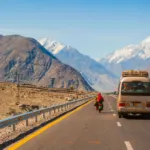
- Road: Via Karakoram Highway (KKH), about 15-20 hours drive from Islamabad.
Are there good accommodations?
Yes, from luxury resorts to local inns, Gilgit Baltistan has diverse stay options catering to all budgets.
What food should I try?
Try Chapshuro, Mamtu, Balti Gosht, Buckwheat bread, and Yak meat.
What should I pack for GB?
- Warm clothes (even in summer)
- Trekking shoes
- Power bank & torch
- Personal medications
- Sunglasses and sunscreen
Is trekking safe for beginners?
Yes, many beginner-level treks in Hunza and Fairy Meadows are safe with local guides.
Is altitude sickness a concern?
Some areas are above 2,500m. Ascend slowly and hydrate to prevent sickness.
Is Gilgit Baltistan safe for tourists?
Many travellers visit without problems, but conditions can change. Travel with a local guide where recommended and read our Pakistan safety guide.
Can I camp in GB?
Absolutely! Fairy Meadows, Rama Meadows, and Deosai Plains are popular camping spots.
Is photography allowed?
Yes, but always ask permission before photographing locals.
Conclusion
Gilgit Baltistan Insights offer a powerful glimpse into the mesmerizing charm of northern Pakistan. From towering peaks to colorful cultures, every traveler finds something unforgettable in this region. Whether you’re a photographer, trekker, history buff, or cultural explorer, Gilgit Baltistan is a dream come true. Plan wisely, travel responsibly, and let this Gilgit Baltistan travel guide lead your way to awe-inspiring memories
Facts, distances and seasons in this guide are approximate and vary by source. Confirm current access, permits and conditions with local authorities or a registered operator before you travel. Last checked: October 2026.