
- January 5, 2026
❄️ Introduction
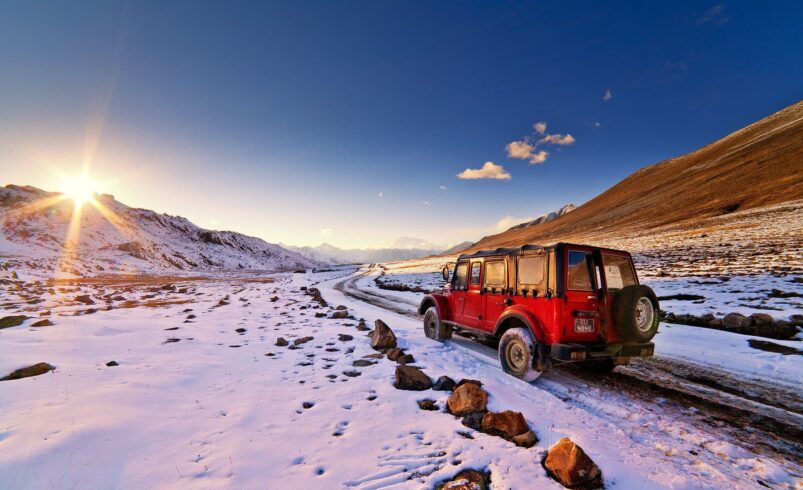
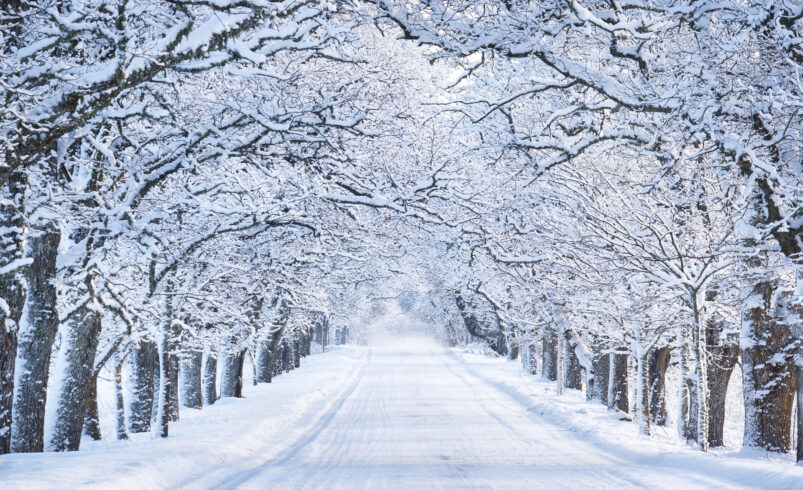
Pakistan’s winter landscape transforms into a mesmerizing wonderland, offering travelers an extraordinary opportunity to experience some of Asia’s most spectacular snowfall destinations. When temperatures drop and snow blankets the northern regions, best places to visit in Pakistan in winter for snowfall become accessible to adventurous explorers seeking pristine alpine beauty. This comprehensive guide explores the most captivating winter snowfall destinations in Pakistan, providing detailed insights into each location, travel logistics, and what makes each destination unique during the cold season.
The northern territories of Pakistan, blessed with towering mountain ranges including the Karakoram, Hindu Kush, and Himalayas, create ideal conditions for spectacular winter snowfall. These regions don’t just offer picturesque views; they provide authentic experiences that connect travelers with Pakistan’s rich natural heritage and mountain culture. Whether you’re a seasoned trekker, photography enthusiast, or simply seeking a peaceful winter retreat, Pakistan’s winter mountain travel destinations deliver unforgettable memories.
❄️ Understanding Pakistan’s Winter Season and Snowfall Patterns
Before embarking on your journey to experience best places to visit in Pakistan in winter for snowfall, it’s essential to understand the seasonal dynamics that shape these destinations. Pakistan’s winter season typically spans from December through February, with some higher-altitude regions experiencing snowfall from November through March. The winter snowfall in Pakistan varies significantly based on altitude, geographical location, and annual weather patterns.
The northern regions receive consistent precipitation during winter months, transforming mountain valleys into snow-covered landscapes. December marks the beginning of heavy snowfall in most alpine areas, with January representing peak snow season when most winter snowfall destinations in Pakistan are fully accessible. February sees gradually warming temperatures, though snow remains abundant at higher elevations. Understanding these patterns helps travelers plan optimal visit times for their specific interests, whether seeking maximum snow coverage or more moderate conditions.
Altitude plays a crucial role in determining snowfall intensity and duration. Areas above 2,000 meters experience reliable winter snow, while regions between 1,500-2,000 meters may see intermittent snowfall depending on weather systems. Lower valleys occasionally receive snow but cannot be guaranteed. This geographical variation means that Pakistan winter snow destinations offer diverse experiences, from snow-dusted valleys to completely snow-covered alpine peaks.
⛰️ Hunza Valley: The Crown Jewel of Pakistan’s Winter Snowfall Destinations
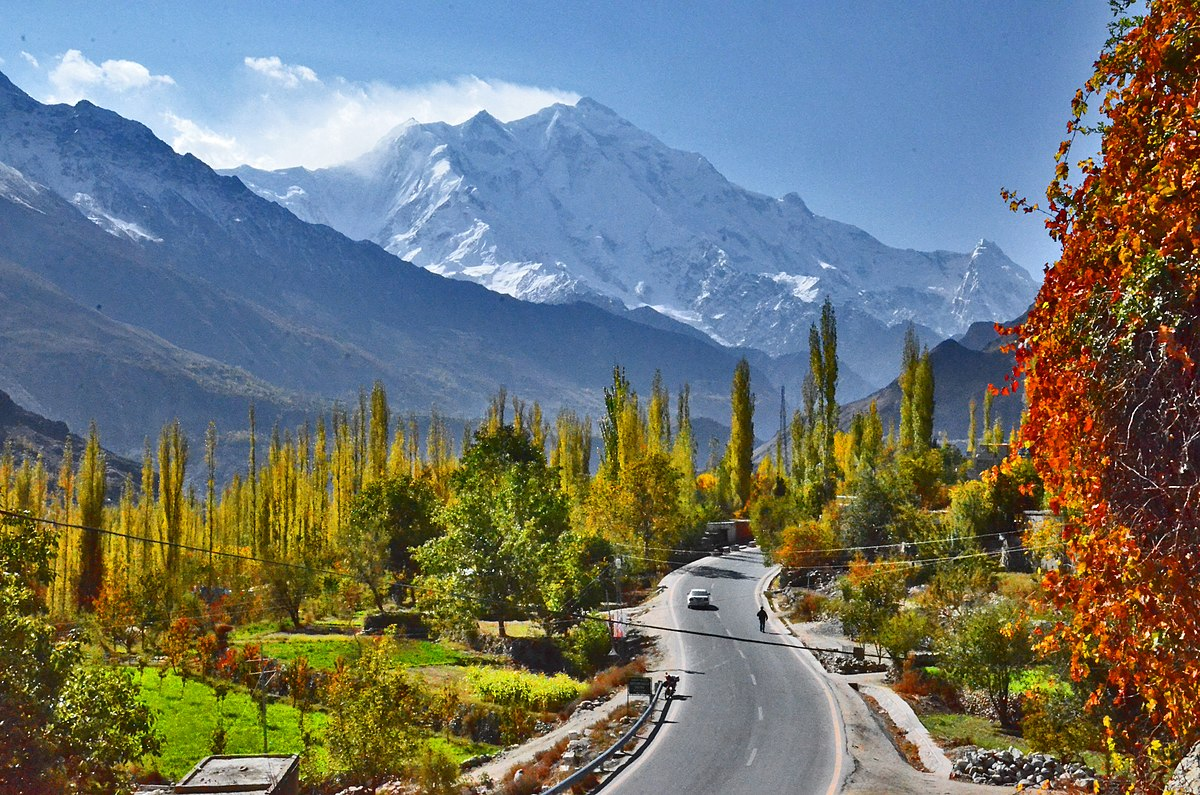
Hunza Valley stands as one of the most iconic best places to visit in Pakistan in winter for snowfall, renowned for its dramatic snow-capped peaks, terraced agriculture, and welcoming Hunza culture. Located in the Gilgit-Baltistan region at approximately 2,500 meters elevation, Hunza Valley winter destinations offer breathtaking panoramic views where snow-covered mountains create an almost surreal landscape. The valley’s unique geography, nestled between the Karakoram and Hindu Kush ranges, ensures consistent and spectacular snowfall throughout winter.
🏔️ Karimabad and Altit: Historic Towns in Snow
Karimabad, the main town in Hunza Valley, transforms into a picturesque snow-covered settlement during winter months. The town’s historic Baltit Fort, perched on a hilltop overlooking the valley, becomes even more dramatic when surrounded by snow. Winter snowfall in Hunza Valley typically begins in late November, with December through February offering the most reliable snow coverage. The contrast between the ancient fort’s architectural heritage and the pristine white snow creates compelling photography opportunities and deeply moving travel experiences.
Altit Fort, another historical landmark in the valley, similarly benefits from winter’s transformative beauty. These winter destinations in Hunza represent more than mere tourist attractions; they embody Pakistan’s cultural heritage enhanced by seasonal natural beauty. Local communities maintain their traditional lifestyles year-round, and winter visitors gain authentic insights into mountain living during harsh seasons.
🌲 Fairy Meadows and Alpine Trekking Routes
Beyond the main settlements, Hunza Valley winter snowfall destinations include spectacular trekking routes and alpine meadows that become snow-covered wonderlands. Fairy Meadows, accessible via challenging winter treks, offers solitude and pristine natural beauty for experienced adventurers. These high-altitude routes require proper preparation, including specialized winter gear and experienced guides familiar with snow conditions.
The winter mountain travel through Hunza’s surrounding peaks provides opportunities for mountaineering, snow trekking, and alpine photography. Routes to Rakaposhi Base Camp and other peaks become snow-covered challenges that attract serious mountaineers. For less experienced trekkers, lower-altitude walks through snow-covered valleys offer equally rewarding experiences without extreme technical difficulty.
📊 Hunza Valley Winter Travel Information
| Destination | Altitude | Best Season | Distance from Gilgit | Key Features |
|---|---|---|---|---|
| Karimabad | 2,500m | Dec-Feb | 110 km | Historic forts, valley views |
| Altit | 2,450m | Dec-Feb | 115 km | Ancient fort, cultural sites |
| Fairy Meadows | 3,300m | Jan-Feb | 140 km | Alpine trekking, solitude |
| Hunza River Valley | 2,000-2,500m | Dec-Feb | 100-120 km | Scenic drives, photography |
🏔️ Swat Valley: Where Ancient History Meets Winter Snow
Swat Valley represents another premier destination among best places to visit in Pakistan in winter for snowfall, combining cultural richness with natural alpine beauty. Located in Khyber Pakhtunkhwa province, Swat winter destinations offer accessible snowfall experiences without requiring extreme mountaineering skills. The valley’s elevation ranges from 1,000 to 3,000 meters, creating diverse snow conditions across different areas.
⛩️ Mingora and Saidu Swat: Cultural Centers in Winter
Mingora, Swat’s main city, experiences occasional snowfall during severe winter weather, though snow coverage remains less consistent than higher-altitude areas. However, the city serves as an excellent base for exploring Swat winter snowfall destinations in surrounding mountains. The nearby Saidu Swat area, home to important Buddhist archaeological sites, becomes particularly atmospheric when dusted with snow, creating a mystical backdrop for historical exploration.
🎿 Malam Jabba: Pakistan’s Premier Winter Sports Destination
Malam Jabba stands as the most developed winter snowfall destination in Swat, featuring Pakistan’s only ski resort. Situated at 2,600 meters, Malam Jabba winter activities include skiing, snowboarding, and snow sports during peak season. The resort provides equipment rental, professional instruction, and accommodation facilities, making it accessible for winter sports enthusiasts of all skill levels. The surrounding snow-covered slopes offer stunning views of the Swat Valley below.
🌲 Kalam and Mingora to Kalam Route
Kalam, located at the valley’s northern end at approximately 2,000 meters, experiences reliable winter snowfall creating a perfect base for Swat winter mountain travel. The drive from Mingora to Kalam, covering about 40 kilometers, passes through increasingly snow-covered landscapes as elevation increases. This scenic route showcases the valley’s transformation from lower agricultural areas to alpine forests blanketed in snow.
Winter trekking from Kalam provides access to pristine alpine meadows, frozen lakes, and snow-covered peaks. Ushu Forest, accessible from Kalam, becomes a winter wonderland with snow-laden pine and deodar trees. These Swat winter destinations offer moderate trekking difficulty suitable for travelers with basic fitness levels and proper winter preparation.
📊 Swat Valley Winter Travel Information
| Destination | Altitude | Best Season | Distance from Mingora | Key Features |
|---|---|---|---|---|
| Malam Jabba | 2,600m | Dec-Feb | 45 km | Ski resort, winter sports |
| Kalam | 2,000m | Dec-Feb | 40 km | Alpine meadows, trekking |
| Ushu Forest | 2,200m | Dec-Feb | 50 km | Snow-covered forests |
| Saidu Swat | 1,800m | Dec-Feb | 15 km | Historical sites, occasional snow |
🏔️ Naran and Kaghan Valley: Accessible Alpine Winter Beauty
Naran-Kaghan represents one of the most accessible best places to visit in Pakistan in winter for snowfall, attracting both experienced adventurers and casual travelers. Located in Khyber Pakhtunkhwa at approximately 2,000 meters elevation, Naran Kaghan winter destinations offer reliable snowfall with relatively easy accessibility compared to more remote northern regions.
🌲 Naran Town: Winter Gateway to Alpine Wonders
Naran town, situated in a picturesque valley surrounded by forested mountains, experiences consistent winter snowfall creating a charming snow-covered settlement. Naran winter snowfall typically begins in December, with January offering peak snow conditions. The town’s hotels and guesthouses remain operational throughout winter, providing comfortable accommodation for visitors seeking winter snowfall destinations in Pakistan with modern amenities.
❄️ Lake Saif-ul-Malook: Frozen Alpine Lake
Lake Saif-ul-Malook, located at 3,494 meters approximately 15 kilometers from Naran, becomes a frozen alpine jewel during winter months. This legendary lake, steeped in Punjabi folklore and poetry, transforms into a pristine snow-covered landscape where the frozen surface creates surreal reflections of surrounding peaks. Winter snowfall at Lake Saif-ul-Malook creates one of Pakistan’s most photogenic destinations, attracting photographers and nature enthusiasts worldwide.
The trek to the lake during winter requires proper preparation and experienced guides familiar with snow conditions. However, the effort rewards visitors with unparalleled natural beauty and a sense of accomplishment in reaching this remote alpine destination. The lake’s frozen surface, surrounded by snow-covered peaks and pine forests, creates an almost otherworldly atmosphere that justifies the challenging winter journey.
🏔️ Sharan Forest and Siri Paye
Sharan Forest, accessible from Naran, becomes a snow-covered wonderland during winter months. The forest’s dense pine and deodar trees, laden with snow, create magical winter landscapes ideal for photography and peaceful contemplation. Naran Kaghan winter destinations include numerous forest trails that become snow-covered trekking routes during peak season.
Siri Paye, another popular destination near Naran, offers panoramic valley views and snow-covered meadows. The drive to Siri Paye passes through increasingly snow-covered landscapes, providing continuous visual rewards. These Naran winter destinations require less technical skill than higher-altitude peaks, making them suitable for families and less experienced trekkers.
📊 Naran-Kaghan Valley Winter Travel Information
| Destination | Altitude | Best Season | Distance from Naran | Key Features |
|---|---|---|---|---|
| Lake Saif-ul-Malook | 3,494m | Jan-Feb | 15 km | Frozen lake, alpine scenery |
| Sharan Forest | 2,500m | Dec-Feb | 8 km | Snow-covered forests, trekking |
| Siri Paye | 2,600m | Dec-Feb | 12 km | Panoramic views, meadows |
| Naran Town | 2,000m | Dec-Feb | Base | Accommodation, amenities |
🏔️ Chitral and Tirich Mir: Remote Alpine Wilderness
Chitral represents the most remote and challenging among best places to visit in Pakistan in winter for snowfall, offering unparalleled wilderness experiences for serious mountaineers and adventurous travelers. Located in the Hindu Kush mountains at approximately 1,500 meters, Chitral town serves as a base for accessing Chitral winter destinations and Pakistan’s highest peaks.
⛰️ Tirich Mir: Pakistan’s Highest Peak in Winter
Tirich Mir, standing at 7,708 meters, represents Pakistan’s highest mountain and one of the world’s most challenging winter mountaineering objectives. Winter snowfall on Tirich Mir creates extreme conditions requiring elite mountaineering skills, specialized equipment, and extensive preparation. However, lower-altitude areas around Chitral offer more accessible winter snowfall destinations in Pakistan suitable for less experienced adventurers.
🌲 Kalash Valleys: Cultural Winter Experiences
The Kalash Valleys, inhabited by the unique Kalash people with distinct cultural practices, experience winter snowfall that transforms the landscape while communities maintain traditional lifestyles. Chitral winter destinations in the Kalash Valleys offer opportunities to experience authentic mountain culture during winter months. The valleys’ lower elevation means snowfall remains intermittent, but winter visits provide unique cultural immersion experiences unavailable during other seasons.
🏔️ Shandur Top and Chitral River Valley
Shandur Top, the world’s highest polo ground at 3,600 meters, becomes snow-covered during winter months. The pass connecting Chitral and Dir districts offers spectacular panoramic views and challenging winter driving conditions. Chitral winter mountain travel through these high passes requires experienced drivers and proper vehicle preparation.
The Chitral River Valley, winding through dramatic mountain scenery, provides accessible winter experiences without extreme technical difficulty. The valley’s lower elevation means more moderate snowfall, but winter landscapes remain stunning with snow-covered peaks framing the river valley.
📊 Chitral Winter Travel Information
| Destination | Altitude | Best Season | Distance from Chitral | Key Features |
|---|---|---|---|---|
| Tirich Mir Base Camp | 3,600m | Jan-Feb | 60 km | Mountaineering, extreme peaks |
| Kalash Valleys | 1,800-2,200m | Dec-Feb | 40-60 km | Cultural sites, moderate snow |
| Shandur Top | 3,600m | Jan-Feb | 100 km | Polo ground, panoramic views |
| Chitral Town | 1,500m | Dec-Feb | Base | Accommodation, supplies |
🏔️ Fairy Meadows and Nanga Parbat: Extreme Winter Adventure
Fairy Meadows, accessible via Gilgit-Baltistan, represents one of Pakistan’s most spectacular winter snowfall destinations, offering dramatic views of Nanga Parbat, the world’s ninth-highest mountain. Located at 3,300 meters, Fairy Meadows winter experiences combine extreme natural beauty with challenging accessibility.
⛰️ Nanga Parbat: The Killer Mountain in Winter
Nanga Parbat, standing at 8,126 meters, dominates the landscape surrounding Fairy Meadows. Winter snowfall on Nanga Parbat creates extreme mountaineering conditions that have claimed numerous lives throughout climbing history. The mountain’s steep slopes and unpredictable weather patterns make winter ascents extraordinarily dangerous, reserved exclusively for elite mountaineers with extensive high-altitude experience.
🌲 Fairy Meadows Base Camp: Alpine Trekking
Fairy Meadows Base Camp, though technically a mountaineering staging area, offers accessible winter experiences for serious trekkers. The trek to Fairy Meadows from Gilgit requires 3-4 days of challenging mountain travel through snow-covered terrain. Winter snowfall at Fairy Meadows creates pristine alpine landscapes where Nanga Parbat’s north face dominates the horizon.
The meadows themselves, despite their name, become snow-covered during winter months, offering solitude and extreme natural beauty for adventurers seeking Pakistan winter snow destinations beyond typical tourist routes. The combination of accessibility (compared to actual mountaineering) and dramatic scenery makes Fairy Meadows a unique winter destination.
🏔️ Skardu and Deosai National Park: High-Altitude Winter Wonderland
Skardu, the capital of Gilgit-Baltistan at 2,228 meters, experiences reliable winter snowfall creating a picturesque mountain town atmosphere. Skardu winter destinations serve as gateways to some of Pakistan’s most spectacular best places to visit in Pakistan in winter for snowfall.
🌲 Deosai National Park: The Roof of the World
Deosai National Park, located at 4,114 meters average elevation, represents one of the world’s highest plateaus and transforms into a pristine snow-covered wilderness during winter. Deosai winter snowfall creates one of Pakistan’s most dramatic seasonal transformations, with the plateau becoming completely snow-covered from November through April.
Winter snowfall in Deosai creates extreme conditions that close the main roads during peak winter months. However, winter trekking through Deosai’s snow-covered landscape offers unparalleled experiences for serious adventurers. The plateau’s vast open spaces, combined with snow coverage, create an almost lunar landscape that feels disconnected from civilization.
🏔️ Satpara Lake and Khyber Pass
Satpara Lake, located near Skardu at 2,460 meters, freezes during winter months creating a pristine frozen surface surrounded by snow-covered mountains. Skardu winter destinations include numerous lakes and high-altitude areas that become snow-covered during peak season.
The Khyber Pass area, accessible from Skardu, offers moderate winter trekking through snow-covered alpine terrain. These Skardu winter snowfall destinations provide accessible alternatives to more extreme high-altitude experiences while maintaining spectacular natural beauty.
📊 Skardu and Deosai Winter Travel Information
| Destination | Altitude | Best Season | Distance from Skardu | Key Features |
|---|---|---|---|---|
| Deosai National Park | 4,114m | Jan-Feb | 100 km | High plateau, extreme snow |
| Satpara Lake | 2,460m | Dec-Feb | 30 km | Frozen lake, mountain views |
| Skardu Town | 2,228m | Dec-Feb | Base | Accommodation, supplies |
| Khyber Pass | 3,600m | Jan-Feb | 80 km | Alpine trekking, panoramic views |
🎒 Essential Preparation for Pakistan’s Winter Snowfall Destinations
Visiting best places to visit in Pakistan in winter for snowfall requires thorough preparation and proper equipment. Winter snowfall destinations in Pakistan present unique challenges including extreme cold, high altitude, and variable weather conditions that demand respect and careful planning.
❄️ Physical Preparation and Acclimatization
Proper physical conditioning before visiting Pakistan winter snow destinations significantly improves experience quality and safety. High-altitude areas require gradual acclimatization to prevent altitude sickness. Spending 2-3 days at intermediate elevations before ascending to higher altitudes allows your body to adjust to reduced oxygen levels.
Winter snowfall in Pakistan’s mountains creates additional physical demands beyond normal trekking. Snow-covered terrain requires more energy expenditure, and cold temperatures increase caloric needs. Pre-trip fitness training should include cardiovascular conditioning, leg strengthening, and endurance building.
🧥 Winter Gear and Equipment Essentials
Proper winter equipment proves absolutely essential for winter snowfall destinations in Pakistan. Layered clothing systems, including moisture-wicking base layers, insulating mid-layers, and waterproof outer shells, provide protection against extreme cold and precipitation. Quality winter boots with excellent insulation and aggressive tread patterns prevent frostbite and ensure safe footing on snow-covered terrain.
Additional essential equipment includes:
- Thermal underwear and heavy wool socks
- Insulated jackets rated for extreme cold
- Waterproof gloves and mittens with liner gloves
- Balaclava or face mask for wind protection
- Goggles for snow glare protection
- Sleeping bag rated for temperatures well below expected minimums
- Trekking poles with snow baskets
- Crampons for icy terrain
- Ice axe for serious mountaineering routes
🏥 Health and Safety Considerations
Winter mountain travel in Pakistan presents health risks requiring serious preparation. Altitude sickness, hypothermia, frostbite, and snow blindness represent primary concerns. Consulting with travel medicine specialists before departure ensures proper vaccinations and preventive medications.
Carrying comprehensive first aid kits, including treatments for altitude sickness, hypothermia, and frostbite, proves essential. Hiring experienced local guides familiar with winter conditions significantly improves safety. These guides understand local weather patterns, avalanche risks, and emergency procedures critical for safe winter travel.
📱 Permits and Logistics
Some Pakistan winter snow destinations, particularly in Gilgit-Baltistan and sensitive border regions, require special permits. Researching permit requirements well in advance prevents travel disruptions. Hiring reputable tour operators familiar with winter logistics ensures proper arrangements for accommodation, transportation, and guide services.
❓ Frequently Asked Questions About Pakistan’s Winter Snowfall Destinations
❄️ When is the best time to visit Pakistan’s best places to visit in Pakistan in winter for snowfall?
Transition: Regarding optimal timing for best places to visit in Pakistan in winter for snowfall, January represents the ideal month for most destinations. During this period, winter snowfall destinations in Pakistan receive maximum snow coverage while weather patterns remain relatively stable. December offers good conditions with slightly less snow, while February sees warming temperatures that may reduce snow quality. However, specific timing depends on individual destination preferences and personal tolerance for extreme cold. Higher-altitude areas like Deosai maintain excellent snow conditions through February, while lower valleys may experience melting in late February.
❄️ What are the main challenges when visiting best places to visit in Pakistan in winter for snowfall?
Transition: Understanding challenges associated with best places to visit in Pakistan in winter for snowfall helps travelers prepare appropriately. Primary challenges include extreme cold temperatures dropping below -20°C at higher elevations, altitude-related health concerns including acute mountain sickness, avalanche risks on steep slopes, and limited accessibility due to road closures. Additionally, winter snowfall in Pakistan creates variable weather conditions with rapid changes from clear skies to severe storms. Shorter daylight hours limit trekking time, and emergency services remain limited in remote areas. Proper preparation, experienced guides, and realistic expectations address these challenges effectively.
❄️ Are best places to visit in Pakistan in winter for snowfall accessible without mountaineering experience?
Transition: Many best places to visit in Pakistan in winter for snowfall accommodate travelers without mountaineering expertise. Destinations like Naran-Kaghan, lower Swat Valley areas, and Skardu town offer accessible winter experiences requiring only basic fitness and proper equipment. However, winter snowfall destinations in Pakistan at extreme altitudes or involving technical climbing demand specialized mountaineering skills and experience. Moderate trekking routes through snow-covered forests and valleys provide excellent winter experiences for fit travelers without technical climbing background. Hiring experienced guides enables safe participation in winter activities matching individual skill levels.
❄️ How do I choose between different best places to visit in Pakistan in winter for snowfall?
Transition: Selecting appropriate best places to visit in Pakistan in winter for snowfall depends on personal preferences, fitness levels, and available time. Accessibility considerations favor Naran-Kaghan and Swat Valley for travelers seeking easier access with reliable amenities. Adventure seekers preferring remote wilderness choose Hunza Valley or Chitral. Extreme mountaineers target Tirich Mir or Nanga Parbat base camps. Photography enthusiasts prioritize Lake Saif-ul-Malook and Fairy Meadows for dramatic scenery. Winter snowfall destinations in Pakistan offer diverse experiences, so matching destination characteristics with personal goals ensures satisfying travel experiences.
❄️ What accommodation options exist at best places to visit in Pakistan in winter for snowfall?
Transition: Accommodation availability varies significantly across best places to visit in Pakistan in winter for snowfall. Established towns like Naran, Kalam, and Skardu maintain hotels and guesthouses operational throughout winter, offering comfortable facilities with heating and hot water. Remote areas provide basic mountain lodges or homestays with minimal amenities. High-altitude winter snowfall destinations in Pakistan require camping with specialized winter tents and equipment. Booking accommodation well in advance proves essential, as winter tourism increases demand while many facilities reduce capacity during harsh weather. Local tour operators arrange appropriate accommodation matching individual preferences and budgets.
❄️ What is the cost of visiting best places to visit in Pakistan in winter for snowfall?
Transition: Budget requirements for best places to visit in Pakistan in winter for snowfall vary based on destination, duration, and comfort preferences. Budget-conscious travelers visiting accessible areas like Naran spend $30-50 daily including basic accommodation and meals. Mid-range experiences with comfortable hotels and guide services cost $60-100 daily. Luxury winter experiences with premium accommodation and private guides exceed $150 daily. Winter snowfall destinations in Pakistan requiring specialized equipment, mountaineering guides, and remote logistics cost significantly more. Multi-day treks to Fairy Meadows or Tirich Mir base camps range $1,500-3,000 including all logistics. International travelers should budget additional costs for flights to Pakistan and internal transportation.
🎯 Conclusion: Embracing Pakistan’s Winter Snowfall Magic
Pakistan’s best places to visit in Pakistan in winter for snowfall offer transformative travel experiences combining natural beauty, cultural richness, and personal adventure. From the accessible charm of Naran Kaghan winter destinations to the extreme wilderness of Deosai and Fairy Meadows, winter snowfall destinations in Pakistan cater to diverse traveler preferences and experience levels.
Best places to visit in Pakistan in winter for snowfall represent more than mere tourist destinations; they embody the raw power of nature and the resilience of mountain communities adapting to harsh seasonal conditions. Hunza Valley’s historic forts surrounded by snow, Swat’s alpine forests, and Skardu’s frozen lakes create memories that resonate long after travelers return home.
The winter snowfall in Pakistan transforms familiar landscapes into extraordinary winter wonderlands where snow-covered peaks pierce pristine skies and silence amplifies natural beauty. These Pakistan winter snow destinations challenge visitors physically while rewarding them spiritually with profound connections to nature’s majesty.
Whether you seek accessible winter experiences or extreme mountaineering adventures, best places to visit in Pakistan in winter for snowfall deliver authentic encounters with one of Asia’s most spectacular mountain regions. Proper preparation, realistic expectations, and respect for mountain conditions ensure safe, memorable experiences exploring Pakistan’s winter treasures. The winter snowfall destinations in Pakistan await those brave enough to embrace cold, altitude, and adventure—promising transformative journeys through some of Earth’s most beautiful landscapes.