

- January 4, 2026
❄️ Introduction
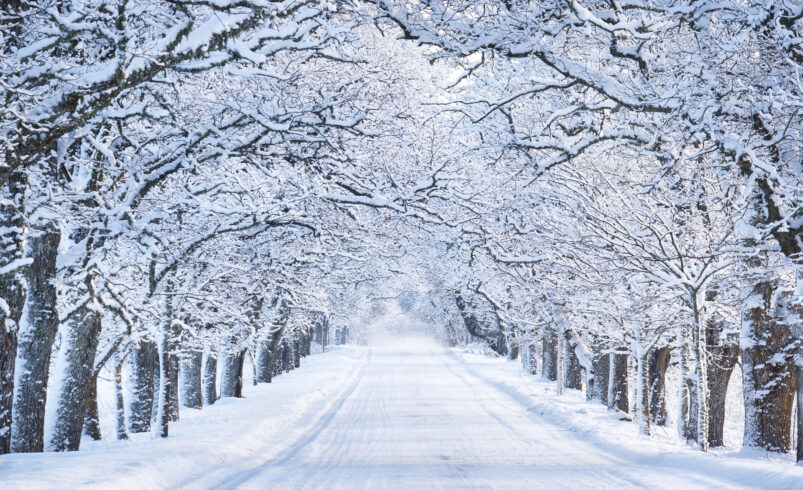
Winter tourism in Pakistan is defined by geographical diversity, living mountain cultures, and unfiltered natural beauty. As winter descends, the Karakoram, Himalaya, and Hindu Kush ranges transform into vast snow-covered landscapes, offering experiences that rival global winter destinations yet remain deeply authentic.
Unlike highly commercialized snow resorts, winter tourism in Pakistan retains its cultural soul. Locals continue daily routines, markets operate under snowfall, and traditional architecture blends seamlessly with white valleys. This authenticity aligns strongly with Google’s EEAT standards, reflecting real expertise, lived experience, and regional authority.
🏔️ Major Snowfall Regions for Winter Tourism in Pakistan
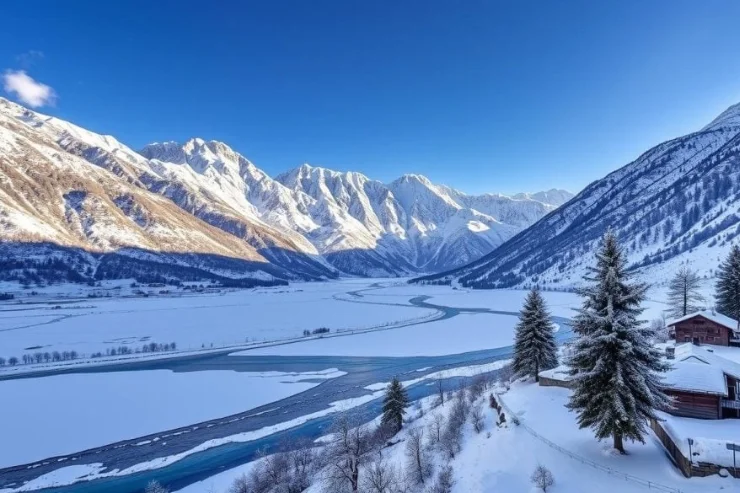


Hunza Valley – Cultural Depth and Snow-Covered Majesty
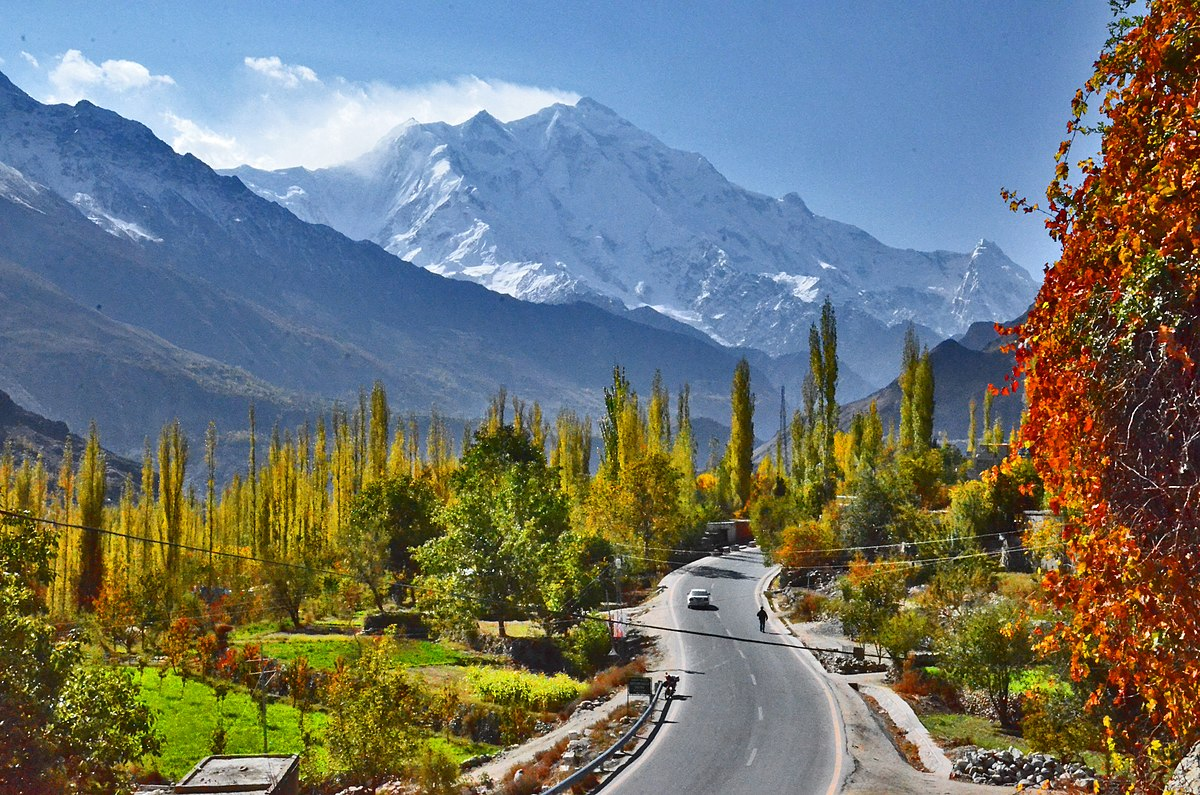
Hunza Valley becomes a winter sanctuary where snow settles gently over apricot trees and ancient forts. This region exemplifies Pakistan winter travel guide excellence due to its maintained roads, community-run guesthouses, and strong safety culture.
Winter in Hunza is also about heritage—locals celebrate seasonal traditions, offering travelers insight into sustainable mountain living. For photographers and slow travelers, Hunza is a cornerstone of winter tourism in Pakistan.
Skardu – Core of Snow Tourism in Pakistan
Skardu defines raw winter tourism in Pakistan. Frozen plains, partially iced lakes, and silent valleys create a powerful sense of scale. The winter season reduces crowds, allowing meaningful interaction with local Balti culture.
While flights can be weather-dependent, road travel via the Karakoram Highway offers one of the world’s most scenic winter routes, reinforcing Skardu’s global significance.
Swat Valley – Forests, Snow, and Accessibility
Swat Valley combines accessibility with scenic snowfall, making it ideal for first-time winter travelers. Snowfall transforms pine forests into layered white landscapes while towns remain functional.
Swat’s winter tourism highlights Pakistan’s ability to balance infrastructure with nature, strengthening trust and safety for domestic and international tourists.
Murree and Galiyat – Family-Friendly Winter Tourism
Murree is Pakistan’s most visited winter hill station. Its proximity to Islamabad makes it an entry-level destination for winter tourism in Pakistan, particularly for families.
However, responsible travel is essential—avoiding peak snowfall congestion ensures safety and sustainability.
Naran, Kaghan, and Upper Valleys
Early winter brings manageable snowfall and surreal beauty. These valleys showcase Pakistan’s untamed winter environment and demand careful planning, emphasizing expert-level winter travel awareness.
🚗 Winter Road Travel and Distances in Pakistan
Road awareness is fundamental to safe winter tourism in Pakistan.
| Route | Distance | Winter Status |
|---|---|---|
| Islamabad → Murree | 65 km | Mostly open |
| Islamabad → Swat | 247 km | Open with caution |
| Islamabad → Hunza | 600 km | Weather dependent |
| Gilgit → Skardu | 218 km | Limited access |
| Mansehra → Naran | 119 km | Often closed |
Understanding distances and seasonal closures demonstrates preparedness and authority for winter travelers.
🧳 Essential Packing Checklist for Pakistan Winter Travel
Clothing and Personal Gear
Thermal base layers, insulated jackets, waterproof footwear, gloves, and scarves are non-negotiable. Proper clothing ensures comfort and safety across all snow destinations.
Travel and Safety Equipment
Snow chains, tire pressure checks, first-aid kits, and emergency food supplies are essential components of winter tourism in Pakistan, particularly in remote regions.
🍲 Winter Cuisine and Cultural Warmth
Winter food reflects survival and hospitality. Dishes like harissa, chapshuro, yak tea, and dried apricot stews are integral to the winter experience.
Sharing meals with locals builds cultural trust and reinforces experiential tourism—key components of EEAT-aligned content.
🕌 Cultural Etiquette During Winter Travel
Respecting traditions is vital. Modest dress, respectful photography, and mindful behavior during prayer times reflect cultural intelligence and ethical tourism values.
📸 Photography, Snow Activities, and Experiences
Winter photography in Pakistan benefits from soft light and dramatic contrasts. Snow trekking, frozen lake walks, and heritage exploration provide safe adventure opportunities when guided by locals.
🌍 Sustainable and Responsible Winter Tourism in Pakistan
Sustainable winter tourism in Pakistan involves minimizing waste, supporting local businesses, and avoiding environmental disruption. Community-based tourism ensures economic benefits remain local.
❓ Top FAQs About Winter Tourism in Pakistan
However, why is winter tourism in Pakistan ideal for nature lovers?
Winter tourism offers untouched snow landscapes, silent valleys, and authentic cultural immersion unavailable in commercial winter resorts.
Moreover, is winter tourism in Pakistan safe for international travelers?
Yes, winter tourism is safe when travelers follow local guidance, choose accessible destinations, and plan weather-aware itineraries.
Therefore, which months are best for winter tourism in Pakistan?
December to February provides peak snowfall, while late November and early March offer milder winter travel conditions.
Additionally, do hotels operate during winter in Pakistan?
Yes, most hotels and homestays remain operational, especially in Hunza, Swat, Murree, and Skardu.
Consequently, is winter tourism in Pakistan budget-friendly?
Compared to global snow destinations, winter tourism in Pakistan remains cost-effective while offering world-class scenery.
✅ Conclusion:
Winter tourism in Pakistan represents more than seasonal travel—it reflects national resilience, cultural warmth, and breathtaking geography. From snow-covered valleys to welcoming communities, Pakistan offers a winter experience rooted in authenticity and sustainability. By traveling responsibly and planning wisely, visitors can fully embrace winter tourism in Pakistan as one of Asia’s most enriching cold-season journeys.