
- January 13, 2026
Introduction
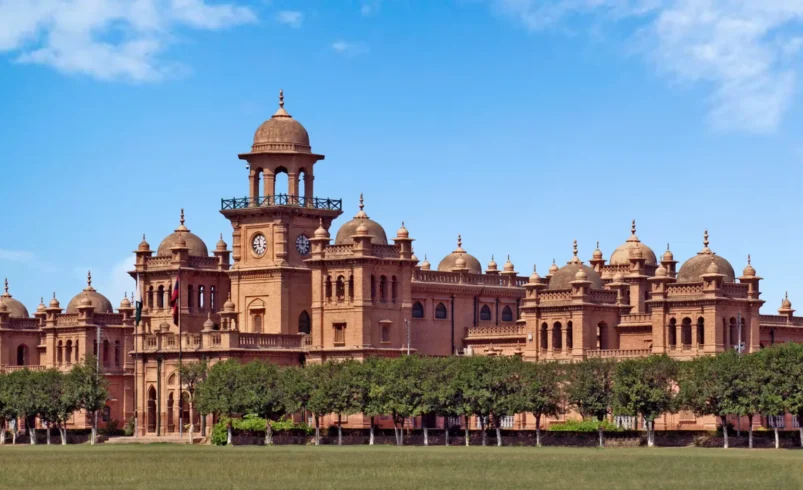
Peshawar is not just a city—it is a living story. Known as one of the oldest continuously inhabited cities in South Asia, Peshawar has welcomed traders, scholars, conquerors, and travelers for over 2,000 years. Located near the historic Khyber Pass, this ancient city has long served as a gateway between Central Asia and the Indian Subcontinent.
Today, Peshawar blends its deep-rooted history with a vibrant modern life. From bustling bazaars and centuries-old mosques to flavorful street food and warm hospitality, the city offers an experience that feels both timeless and alive. This guide will help you explore Peshawar confidently, whether you are a history lover, food enthusiast, or cultural explorer.
Where Is Peshawar Located?
Peshawar is the capital of Khyber Pakhtunkhwa province in northwestern Pakistan. It sits close to the Afghan border and lies at the entrance of the famous Khyber Pass, a historic trade route that connected Asia with Europe for centuries.
Geographical Importance
- Gateway between Central Asia and South Asia
- Strategic location along ancient Silk Road routes
- Surrounded by hills, plains, and fertile valleys
This location shaped Peshawar into a cultural melting pot with influences from Persian, Afghan, Mughal, and South Asian civilizations.
A Brief History of Peshawar
Peshawar’s history stretches back more than two millennia. It has been ruled by many empires, each leaving a lasting mark on its architecture, culture, and traditions.
Key Historical Phases
- Gandhara Civilization: A major center of Buddhist learning
- Mauryan & Kushan Empires: Flourishing trade and art
- Mughal Era: Forts, gardens, and mosques
- British Period: Railways, cantonments, and education
The layers of history are still visible today in the city’s streets, monuments, and museums.
Top Tourist Attractions in Peshawar


Qissa Khwani Bazaar
Often called the “Bazaar of Storytellers,” this historic market was once a resting place for traders who shared tales from distant lands. Today, it is famous for:
- Traditional tea houses
- Handcrafted goods
- Authentic Pashtun cuisine
Bala Hisar Fort
This iconic fort has watched over Peshawar for centuries. It offers:
- Panoramic views of the city
- Insight into Mughal and Sikh military architecture
Peshawar Museum
A must-visit for history lovers, the museum houses:
- Gandharan Buddhist artifacts
- Ancient sculptures and coins
- Cultural exhibits of Khyber Pakhtunkhwa
Mohabbat Khan Mosque
Built in the 17th century, this mosque is known for:
- Elegant Mughal design
- Peaceful courtyards
- Stunning white marble features
Khyber Pass
A legendary mountain pass that has witnessed countless invasions and trade caravans. Visiting it feels like stepping into history itself.
Culture and Traditions of Peshawar
Peshawar is the heart of Pashtun culture. Traditions here are deeply rooted in values of honor, hospitality, and community.
Key Cultural Highlights
- Pashtunwali: A traditional code of conduct
- Hospitality: Guests are treated with great respect
- Traditional Dress: Shalwar kameez with turbans or caps
Music, poetry, and storytelling remain important parts of daily life.
Food in Peshawar: A Paradise for Meat Lovers


Peshawar is famous across Pakistan for its rich, flavorful cuisine.
Must-Try Dishes
- Chapli Kabab: Spicy, flat minced meat kebabs
- Namkeen Karahi: Lightly salted lamb or mutton
- Kabli Pulao: Fragrant rice with meat and raisins
- Green Tea (Kahwa): A local favorite after meals
Food here is simple, hearty, and unforgettable.
Best Time to Visit Peshawar
The ideal time to visit Peshawar is from October to March, when the weather is pleasant and suitable for sightseeing.
Seasonal Overview
- Winter (Nov–Feb): Cool and comfortable
- Spring (Mar–Apr): Mild and colorful
- Summer (May–Sep): Very hot, not ideal for travel
Getting Around the City
Transportation in Peshawar is improving rapidly.
Common Options
- Rickshaws and taxis
- Ride-hailing apps
- Local buses and BRT system
Walking is also a great way to explore the old city, especially bazaars.
Safety and Travel Tips
Peshawar is much safer today than in the past, but like any city, caution is important.
Helpful Tips
- Dress modestly
- Respect local customs
- Avoid crowded areas during protests
- Keep identification handy
Locals are friendly and often eager to help visitors.
Shopping in Peshawar


Popular shopping items include:
- Handwoven carpets
- Traditional jewelry
- Spices and dry fruits
- Handmade leather goods
Accommodation Options
Peshawar offers a range of accommodations:
- Budget guesthouses
- Mid-range hotels
- A few high-end hotels
Most are located in secure areas with modern amenities.
FAQs About Peshawar
Is Peshawar safe for tourists?
Yes, Peshawar is generally safe, especially in central and tourist-friendly areas.
What language is spoken in Peshawar?
Pashto is the main language, but Urdu and English are widely understood.
How many days are enough for Peshawar?
Two to three days are ideal to explore major attractions.
What is Peshawar famous for?
Peshawar is famous for its history, food, bazaars, and Pashtun culture.
Can foreigners visit Peshawar?
Yes, with valid travel documents and local guidance.
Is Peshawar expensive?
No, it is one of the more affordable cities for travelers.
Why You Should Visit Peshawar
Peshawar is not a polished tourist destination—and that is exactly its charm. It is raw, authentic, and deeply human. Every street tells a story, every meal feels like home, and every interaction leaves a memory.
If you want to experience history, culture, and hospitality in its purest form, Peshawar deserves a place on your travel list.
External Resource
For official tourism updates, visit the Pakistan Tourism Development Corporation website:
https://tourism.gov.pk