
- July 28, 2026
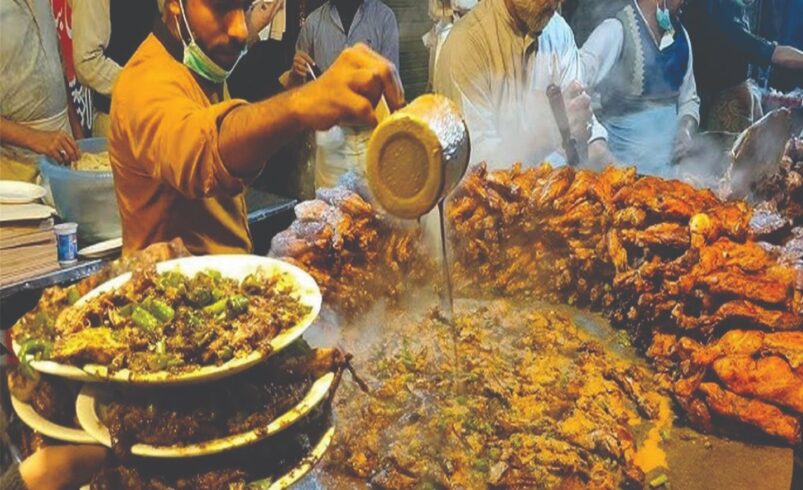
Ask anyone who’s spent an evening wandering Lahore’s old city. They’ll tell you the same thing: this is a city you taste as much as you see. The food streets in Lahore aren’t a tourist add-on. They’re where the city actually lives after sunset. As the stalls light up, the smell of grilling meat and fresh naan takes over entire blocks. It doesn’t really let up until well past midnight.
If you want the full picture of the city first, Lahore’s cultural side is worth reading up on too. Locally, there’s an old Punjabi saying: “Jinhay Lahore nai vekhya o jamya e nai.” Roughly translated: “Whoever hasn’t seen Lahore hasn’t really been born.” Locals half-joke that the same is true of Lahore’s food streets specifically. So if you’re planning a trip, here’s a proper, detailed breakdown. Where to go, what to order, what it’ll cost you, and when to show up.
Quick reference: Lahore’s main food streets
| Food street | Known for | Best time | Vibe |
|---|---|---|---|
| Gawalmandi | Nihari, paya, fried fish | Breakfast & late evening | Old-school, traditional |
| Fort Road | Karahi with a mosque view | Evening / night | Scenic, semi-touristy |
| Anarkali | Chaat, kebabs, shopping | Late afternoon onward | Busy, market atmosphere |
| Lakshmi Chowk | Biryani, fried fish | Evening / night | Local, less touristy |
| MM Alam Road | Modern & international food | Evening | Contemporary, upscale |
Gawalmandi: the oldest food street in the city
Gawalmandi predates Pakistan itself. It grew up as one of the first settlements outside the Walled City. After Partition, families who migrated from Amritsar and other parts of Indian Punjab settled here. They brought recipes that are still cooked the same way generations later.
Above all, this is the place for nihari and paya. Both are slow-cooked overnight and traditionally eaten at breakfast, though vendors serve them well into the evening for visitors. The area is also home to some of the city’s oldest sweet shops, still running family recipes that predate independence.
Must-try at Gawalmandi:
- Nihari and paya, a slow-cooked beef stew and trotters, traditionally a breakfast dish
- Fried fish, a Gawalmandi specialty since the street’s earliest days
- Hareesa, a rich, ghee-drizzled wheat and meat dish
- “Feeka lassi,” the street’s own take on a lightly sweetened yogurt drink
Fort Road Food Street: dinner with a view
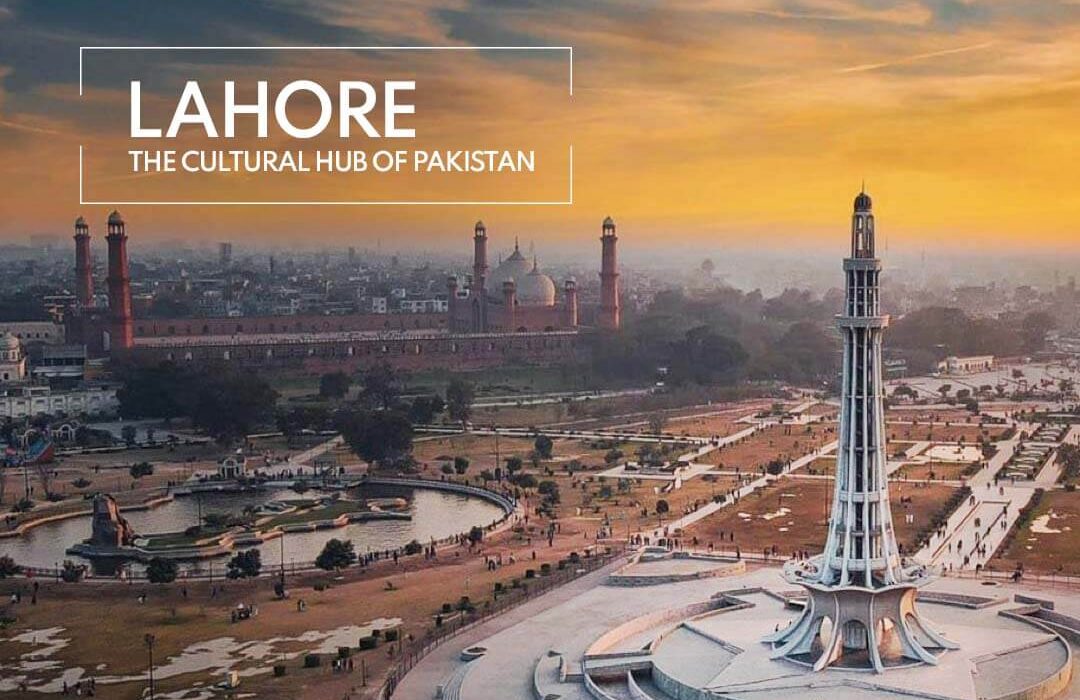
Fort Road Food Street sits directly beneath the Badshahi Mosque and Lahore Fort. It was officially reconstructed and opened in 2012. It’s as much about the setting as the food. It was built in 2012 on what was once a run-down street behind the Walled City. The redevelopment gave visitors a place to eat with a view of the mosque lit up at night. It’s a good choice if you’re already spending the day at the Walled City sites. You won’t need to travel far for dinner.
Must-try at Fort Road:
- Chicken karahi, cooked fresh in individual woks at most restaurants here
- Seekh kebabs and mixed grills
- Gola ganda, a shaved-ice dessert, good for cooling down after a spicy meal
- Rooftop seating with a direct view of Badshahi Mosque, worth requesting when you sit down
Overall, expect prices here to run somewhat higher than Gawalmandi or Lakshmi Chowk. You’re partly paying for the view, and it’s worth it at least once.
Anarkali: history, shopping, and street snacks in one stop
In fact, Anarkali Bazaar is one of the oldest surviving markets in the Indian subcontinent, dating back roughly 200 years. It’s also close to several of Lahore’s other historical landmarks, so it’s easy to build a full day around this part of the city. Its food street runs right alongside the shopping. That makes it a good pick if you want to combine browsing with your meal.
Must-try at Anarkali:
- Channa chaat, a spicy chickpea salad with tangy tamarind sauce
- Seekh kebabs, skewered and grilled, usually served straight off the coals
- Gol gappay and samosas from the street vendors lining the main path
- Doodh faluda and milkshakes, a popular way to finish a walk through the bazaar
Because Anarkali sits close to Lahore Museum, it pairs naturally with a museum visit earlier in the day.
Lakshmi Chowk: for serious biryani and fried fish
Locally, Lakshmi Chowk has a reputation as the place to go for fried fish and biryani specifically. It’s less geared toward tourists than Fort Road or Anarkali. As a result, prices tend to be lower. The crowd is also mostly Lahoris rather than visitors, a good sign if you want an authentic experience.
Must-try at Lakshmi Chowk:
- Chicken karahi, considered by many locals to be among the best in the city
- Fried fish, a signature dish of the area
- Biryani from the street’s long-running vendors
MM Alam Road: if you want a break from street food
MM Alam Road isn’t a traditional food street in the historic sense. It’s still worth mentioning for balance. It’s a strip of modern restaurants and cafes, covering everything from fast food to fine dining. It’s popular with younger Lahoris, and it’s a good option if you want variety, air conditioning, or a break from spice.
When to go
Across the traditional food streets, the general rule holds: evening and night are when Lahore’s food streets come alive. Many vendors don’t fully set up until early evening. Meanwhile, the atmosphere is a real part of the experience, not just a side effect. Families are out late, students share plates, and the noise and movement never really stop. Ramadan is a notable exception. During the holy month, the streets shift toward iftar timing, with vendors preparing food all afternoon for the evening fast-breaking rush.
Practical tips for eating your way through Lahore
- Go hungry, order small portions of several things. Street food here is meant to be shared and sampled, not eaten one dish at a time.
- Ask locals what’s fresh that day. Vendors sometimes sell out of their best dish early, especially nihari and fried fish.
- Pace your spice tolerance. Lahori food doesn’t hold back on heat, especially karahi and chargha. It’s completely normal to ask a vendor to go lighter.
- Combine with sightseeing. Because Fort Road and Anarkali sit close to Lahore’s major landmarks, you can fold a food stop into a day of sightseeing instead of treating it as a separate trip.
- Carry cash. Most street vendors and smaller restaurants on these streets don’t accept cards. If you’re staying nearby, our guide to the best hotels in Lahore covers options close to the Walled City.
- Vegetarian options exist but take some looking. Chaat, samosas, and some chaana-based dishes work well if you’re avoiding meat; just ask before ordering, since many dishes are meat-based by default.
In the end, Lahore has earned its reputation as Pakistan’s food capital honestly. It isn’t because of any single famous restaurant, but because of an entire culture built around these streets. Pick two or three from this list, go in the evening, and you’ll understand why.
Frequently asked questions
What food is Lahore most famous for?
Lahore is best known for nihari, paya, halwa puri, and chicken karahi. Street snacks like gol gappay and samosas are popular too, alongside desserts like kulfi falooda.
Which food street is best for first-time visitors?
Fort Road Food Street is the easiest starting point. It’s close to major landmarks like Badshahi Mosque and offers a mix of traditional and more tourist-friendly dining.
What time do Lahore’s food streets get busy?
Evening and late night. Most food streets are quieter during the day and reach full activity after sunset. During Ramadan, though, this shifts to afternoon preparation and evening iftar timing.
Is Gawalmandi or Anarkali better for street food?
Gawalmandi leans more traditional and local, with dishes like nihari and fried fish. Anarkali combines street food with shopping, so it’s slightly more tourist-friendly.
Do I need to worry about spice levels?
Yes, Lahori food is generally spicier than in other parts of Pakistan. It’s fine to ask vendors to go lighter on the chili if needed.
Can I combine food streets with sightseeing in one day?
Yes. Fort Road and Anarkali both sit within walking distance of major Walled City attractions. It’s easy to pair a meal with a day of sightseeing.
Are there vegetarian options on Lahore’s food streets?
Yes, though they take a bit more searching. Chaat, samosas, and chickpea-based dishes like channa chaat are widely available and vegetarian-friendly.
Do these food streets accept credit cards?
Generally no. Most street vendors and many smaller restaurants on these streets are cash-only. It’s worth carrying enough rupees before you go.