
- September 22, 2026
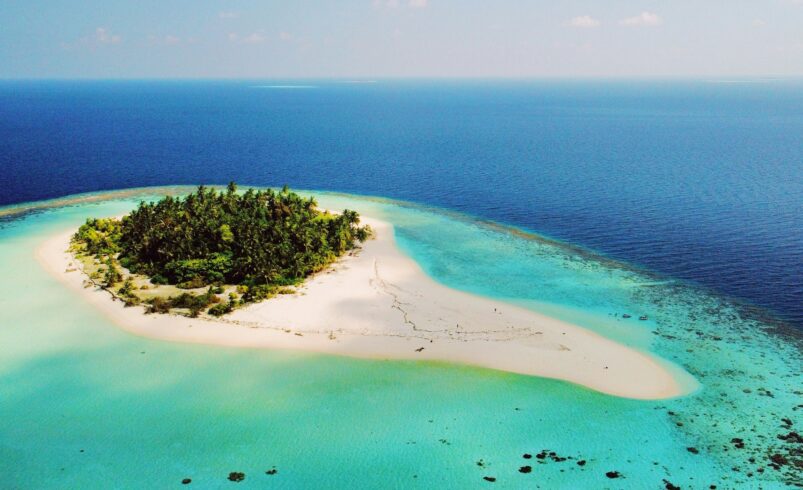
Astola Island has no fresh water, no electricity, and no permanent residents. Just seven low hills ringed by cliffs, three hours by boat from the nearest town. It’s Pakistan’s largest offshore island and its first Marine Protected Area, and reaching it means genuinely leaving everything behind.
Astola Island travel guide: the basics
| Detail | Astola Island |
|---|---|
| Declared Marine Protected Area | 15 June 2017 |
| Area | 6.7 square kilometers |
| Distance from Pasni | Roughly 25 km, 2 to 3 hours by boat |
| Best season | October to March |
Also called Island of the Seven Hills
Locally known as Jezira Haft Talar, meaning “Island of the Seven Hills,” Astola sits roughly 25 km south of Pasni. It’s about 40 km off the Makran coast, in Gwadar District. There’s no road, no dock infrastructure, nothing but open water and distance, which is precisely what has kept it intact.
A genuinely important turtle nesting site
Astola’s beaches host one of South Asia’s most significant nesting grounds for green and hawksbill turtles. In 2021, researchers recorded over 800 green turtle nests on the northern beach in a single season. The surrounding waters hold at least 23 documented hard coral species, reef fish, and lobster. Occasional sightings of the Arabian Sea humpback whale and dolphins add to the draw.
The island also has its own endemic species: the Astola saw-scaled viper, found nowhere else on Earth. It’s genuinely venomous, a real reason to wear covered footwear at all times.
What visiting actually involves
- Carry in everything. Water, food, and shelter all need to come with you; there’s no fresh water source on the island.
- Leave-no-trace is mandatory, not optional. The protected status requires every item brought in to leave with you.
- Register in Pasni before departure. Permit and registration requirements exist given the island’s Marine Protected Area status; confirm current rules before traveling.
- Snorkeling and diving are the main activities, alongside camping and turtle watching during nesting season, roughly May through August.
Astola Island travel guide: practical tips
- Travel October through March. Monsoon conditions between June and August make the crossing rough, sometimes impossible.
- Stock up fully in Pasni. It’s the last stop with real supplies; Gwadar, roughly 110 km further, is better provisioned if you need it.
- Check marine weather before and during your visit. Don’t attempt the crossing in deteriorating conditions.
- Respect nesting turtles from a real distance. No lights directed at them, no approaching closer than 10 meters during nesting.
Read our safety guide before planning a trip this remote.
Frequently asked questions
How do I get to Astola Island?
By boat from Pasni, roughly 2 to 3 hours each way, depending on sea conditions.
Can you stay overnight on Astola Island?
Yes, camping is possible, but the island has no facilities whatsoever, so you need to bring everything, including water.
When is the best time to visit Astola Island?
October through March for calm seas. Turtle nesting season runs roughly May through August, though sea conditions are rougher then.
Is Astola Island dangerous?
The main risks are the remote setting itself, no nearby medical facilities, and the endemic Astola saw-scaled viper. It’s genuinely venomous. Covered footwear and sensible precautions matter here more than most places.
Why was Astola Island declared a Marine Protected Area?
To protect its nesting sea turtles, coral reefs, and endemic species. This was formalized on 15 June 2017, in response to unsustainable fishing, coral extraction, and pollution.