






















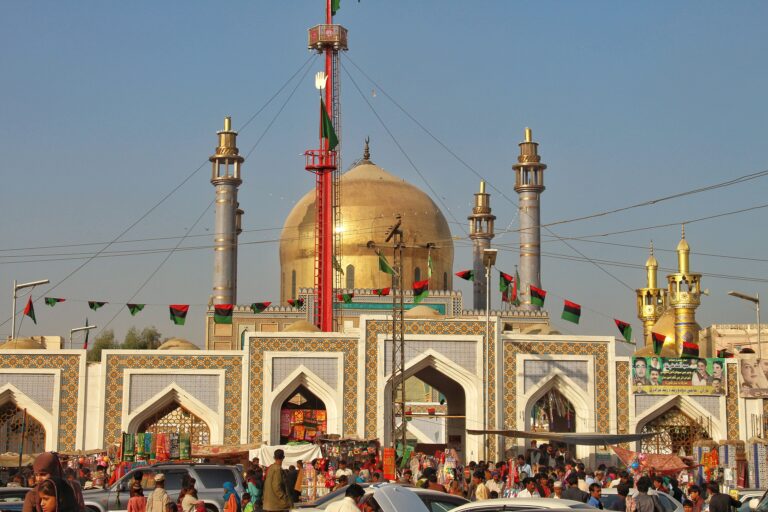


Sehwan Sharif is a small town on the west bank of the Indus in Sindh, and it holds one of the busiest Sufi shrines in South Asia. The shrine of Lal Shahbaz Qalandar draws devotees every day, with larger crowds on Thursdays and an enormous gathering at the annual urs. Hindus and Muslims both revere the saint, who is also called Jhule Lal.
This guide covers who Lal Shahbaz Qalandar was, what happens at the shrine, when the urs falls, how to reach Sehwan from Karachi and Hyderabad, and how to behave when you get there.
Quick answer
Sehwan Sharif lies about 130 to 150 km northwest of Hyderabad (sources differ), in Jamshoro District. The shrine is open to visitors of all backgrounds, and the most atmospheric time is the evening dhamal, a drum-led devotional dance held around Maghrib. The annual urs falls on 18 Sha’ban and lasts about three days. We could not find a published entry fee or opening hours, so ask locally.
Sehwan Sharif at a glance
| Province | Sindh |
| District | Jamshoro (older sources say Dadu) |
| From Hyderabad | Roughly 130 to 150 km, about 2 hours by road |
| From Karachi | About 287 km via the Hyderabad Motorway |
| Main site | Shrine of Lal Shahbaz Qalandar |
| Annual urs | 18 Sha’ban, about three days |
| Nearby | Manchar Lake, about 18 km away |
Who was Lal Shahbaz Qalandar?
Sayyid Uthman al-Marwandi was born in 1177 CE in Marwand, in the Sistan region, and died in Sehwan in 1274. He is remembered under the title Lal Shahbaz Qalandar, roughly “the red falcon of the wandering mystics”. Tradition links him with three older friends from Multan, Baha-ud-din Zakariya, Baba Farid and Jalaluddin Bukhari, known together as the Chahar Yar. The date he settled in Sehwan is not settled, with one common reference giving around 1251.
His following crosses religious lines. Sindhi Hindus know him as Jhule Lal, and the famous song “Dama Dam Mast Qalandar” is associated with his name.
The shrine
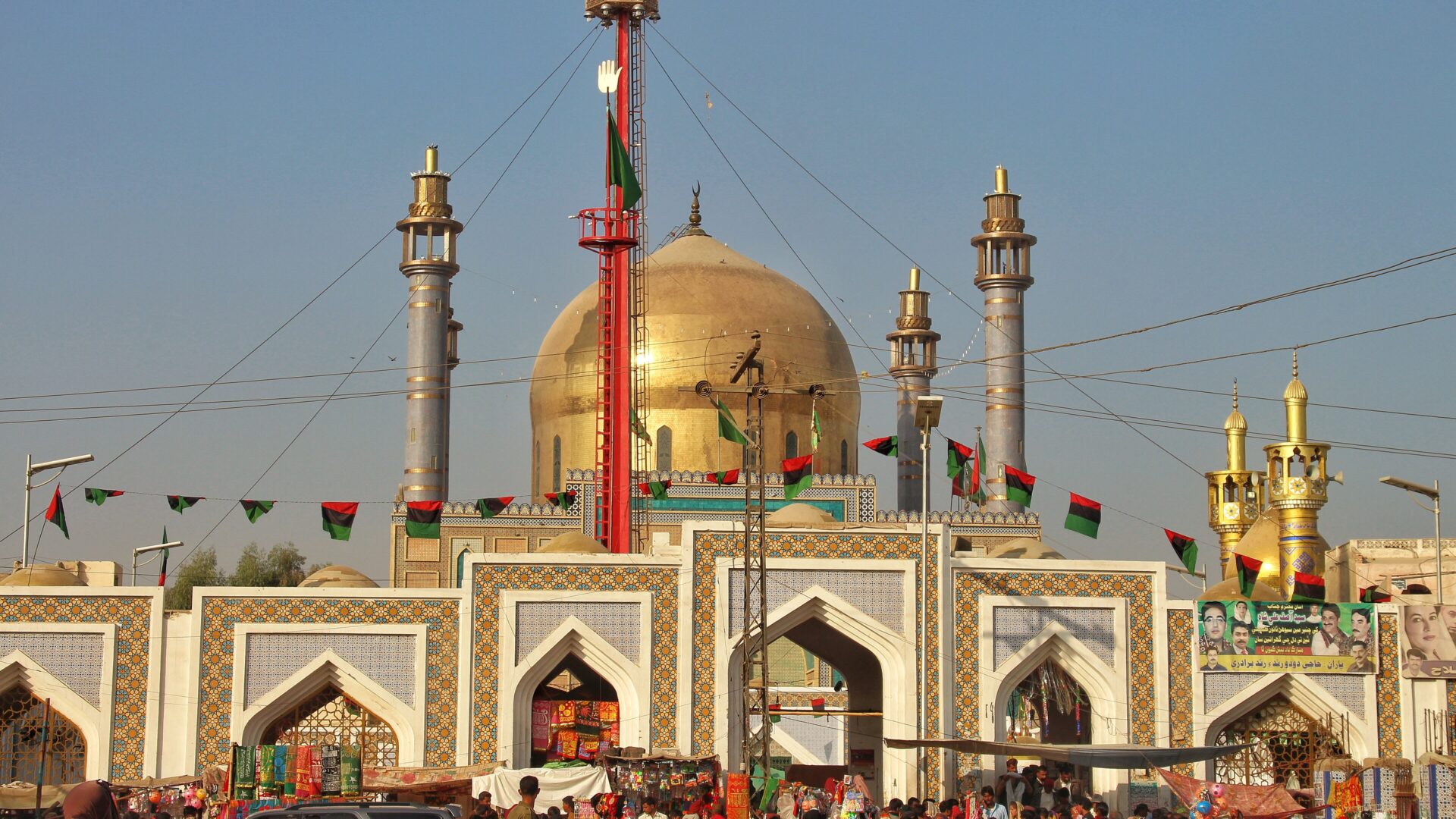
Firuz Shah Tughlaq is credited with building the shrine in 1356, and later rulers added to it. The courtyard was paved with glazed tiles in 1639, the Talpur rulers donated silverwork, and a gold-plated door was installed in the twentieth century. The result is a Sindhi-style complex of white marble, mirror work and bright tile, with a separate courtyard used for dhamal.
Many visitors first pay respects at the shrine of Sakhi Bodla Bahar, in a narrow street after the main bazaars, before going on to the main tomb. At the grave, devotees kiss the floor and the wooden frame around it. If you are unsure what to do, watch the people ahead of you and follow your host or guide.
Dhamal and Thursday gatherings
Dhamal is the shrine’s best-known ritual. Drummers play the nagara and other instruments while devotees, many in red and black, dance and sometimes fall into trance. It is held around Maghrib and lasts about an hour, with music often continuing into the night. Thousands of devotees are reported to visit every Thursday.
We could not confirm a fixed Thursday dhamal schedule, so ask at your hotel or with a local contact before you build a day around it.
The annual urs
The urs marks the saint’s death anniversary and falls on 18 Sha’ban, the eighth Islamic month, over about three days. Because the Islamic calendar is lunar, the date moves roughly eleven days earlier in the Gregorian calendar each year. One blog’s record shows it starting on 23 April in 2019, 11 April in 2020, 31 March in 2021, 22 March in 2022 and 10 March in 2023. The 774th urs began in early February 2026, with about three million visitors expected.
Expect dense crowds, garlands and green chadars, free food (langar), street music and a heavy police and traffic-management presence. If you plan to attend, book transport and a room well ahead, arrive early in the day and be ready for slow movement on the roads and at the shrine. We could not find a confirmed 2027 start date, so check the Sehwan announcements once the Sha’ban moon is near. For other shrine festivals, see our guide to Urs festivals in Pakistan.
How to reach Sehwan Sharif
- By road from Hyderabad: roughly 130 to 150 km, about 2 hours, though traffic can stretch the trip.
- By road from Karachi: about 287 km via the Hyderabad Motorway. Allow most of a day for a return trip.
- By bus or train: bus services run from Karachi and some trains stop at Sehwan, but fares and timetables change, and the figures we found are dated. Check with the operator.
The shrine is visible from the Indus Highway. For wider trip planning in the province, see our Sindh travel guide and train travel guide.
Etiquette at the shrine
- Dress conservatively, with shoulders and legs covered. Women should carry a scarf for the head.
- Leave your shoes outside, usually with a shopkeeper nearby.
- Expect bag and camera restrictions at the entrance. Men and women usually queue separately.
- Do not photograph security staff, and ask before photographing people.
- Accept langar food if it is offered, as declining can be seen as rude.
- Keep your voice low outside dhamal, and give devotees space.
What else to see near Sehwan
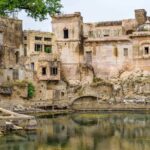
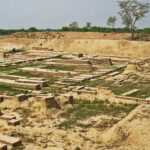
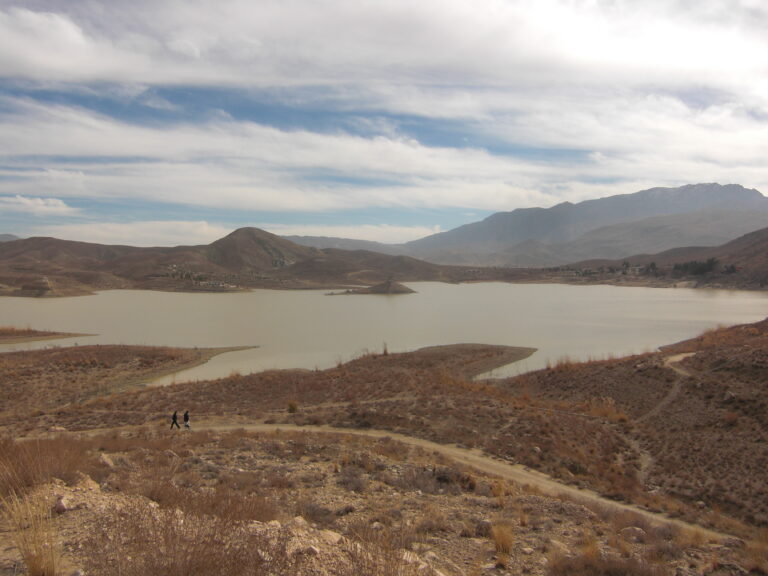
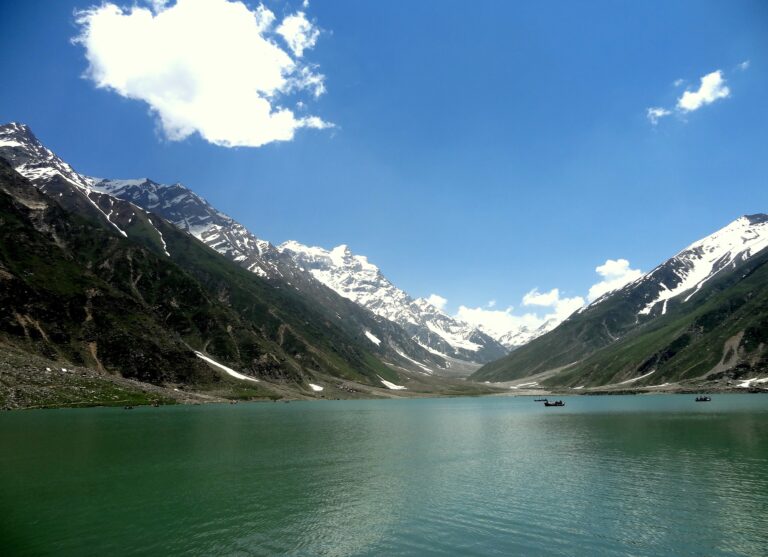
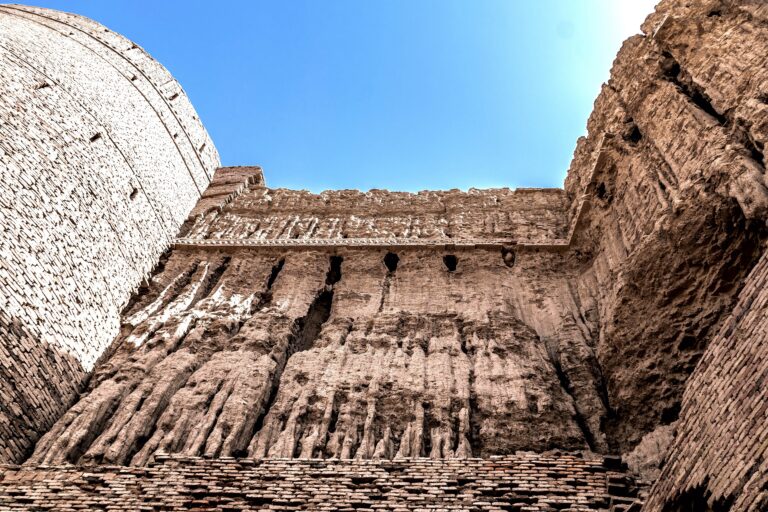
Manchar Lake is about 18 km from the town and is described as Pakistan’s largest natural freshwater lake. Its size changes sharply with the season, and the Mohana boat communities who live on it face pollution and salinity problems. Kafir Qila is an archaeological mound north of the town, linked to a very old fortified site. We could not find visiting details for either, so ask locally.
Best time to visit
Winter is the most comfortable season for travel in interior Sindh, while summer is very hot. Choose the urs if you want crowds and spectacle, and an ordinary Thursday evening if you prefer a calmer visit.
Sample plan: a day trip from Hyderabad
- Leave Hyderabad in the morning for the drive to Sehwan.
- Visit the shrine and the nearby bazaars before the afternoon heat.
- Stay for Maghrib to see the dhamal, then return by road or stay overnight.
Frequently asked questions
Where is Sehwan Sharif?
In Sindh, on the west bank of the Indus, roughly 130 to 150 km northwest of Hyderabad.
When is the Sehwan urs?
On 18 Sha’ban, for about three days. It moves about eleven days earlier each year, so check the current date.
Can non-Muslims visit the shrine?
The saint is revered by Hindus and Muslims alike. We did not find a published restriction, but follow local guidance on conduct and dress.
Is there an entry fee?
We could not find a published fee. Ask on arrival.
What is dhamal?
A drum-driven devotional dance performed at the shrine, usually around Maghrib.
Details such as schedules, fares and road conditions change. Confirm them locally before you travel.