















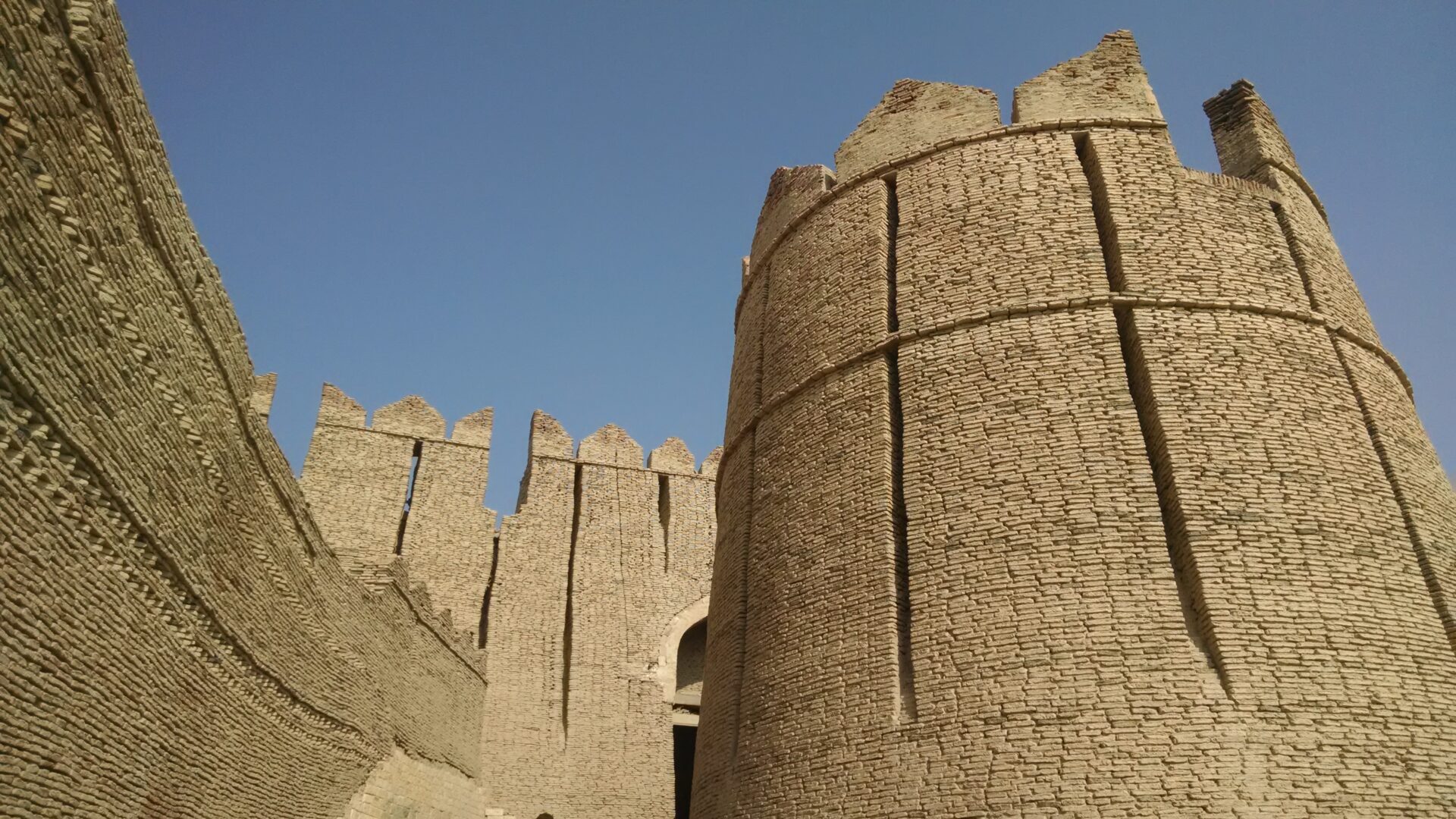
Kot Diji Fort rises from a rocky hill at the southern end of the Rohri Hills in Khairpur District, Sindh, built by the Talpur rulers in the late 1700s. It is one of the best-preserved Talpur-era forts in the province and an easy stop for anyone travelling between Karachi, Sukkur and the rest of upper Sindh. This Kot Diji Fort guide covers its history, what you can see inside, how to get there and when to go. Last checked: October 2026. Opening hours and entry rules change, so confirm locally before you travel.
Quick answer: is Kot Diji Fort worth visiting?
Yes, if you like forts, Sindh history or architecture. Plan about one to two hours for the climb and the walk through the three gates and ramparts. It pairs well with Sukkur, Rohri and the Indus heritage sites of upper Sindh, and it is an easy stop on a long road trip along the National Highway. Go in the cooler months, because the exposed hilltop is very hot in summer.
Kot Diji Fort quick facts
| Detail | Kot Diji Fort |
|---|---|
| Location | Kot Diji town, Khairpur District, Sindh |
| From Khairpur city | About 22 to 25 km, depending on the source |
| Built | 1785 to 1795, by Mir Sohrab Khan Talpur |
| Material | Kiln-baked brick |
| Height | About 110 ft above the surrounding ground (Sindh Antiquities) |
| Perimeter | About 1.8 km |
| Bastions | About 50 for cannons |
| Best months | November to February |
| Time needed | 1 to 2 hours |
Where is Kot Diji Fort?
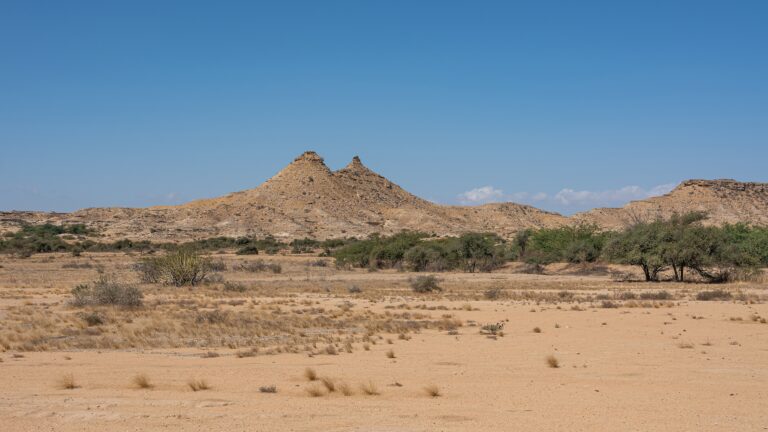
The fort stands in Kot Diji town, in Khairpur District in upper Sindh, near the edge of the Thar Desert and east of the Indus River. It sits on a hill at the southern end of the Rohri Hills, which gives it a wide view over the surrounding plain. The local Sindhi name, Diji Jo Qilo, is usually translated as Fort of the Daughter, and the fort was also known as Fort Ahmadabad.
History of Kot Diji Fort
Mir Sohrab Khan Talpur, the ruler of Khairpur, founded three forts to protect the frontiers of his territory, and Kot Diji was built between 1785 and 1795. It was designed purely for defence, which explains the fifty bastions placed for cannons and the way the entrance turns at right angles to slow an attacking force.
After the British conquest of Sindh the administrative offices moved to Khairpur, and the fort gradually lost its importance. In 1955, after Khairpur State merged with Pakistan, the last ruler, Mir Ali Murad Khan Talpur II, handed it to the government. Following the 18th Constitutional Amendment, the monument came under the custody of the Government of Sindh. The fort also stands above a prehistoric mound of the same name, where remains of a pre-Harappan settlement have been found.
How to reach Kot Diji Fort
Nearest airport
Sukkur is the usual gateway for visitors from other cities. Check current flights directly with the airlines, because schedules change.
Nearest railway station
The main Pakistan Railways line runs through upper Sindh, with Rohri Junction near Sukkur as a major hub. Confirm timetables and the best stop for Kot Diji with Pakistan Railways before you book.
Road access
Kot Diji is close to the National Highway. One reference puts the driving distance from Karachi at about 435 km, so allow a full day each way if you drive from the coast. Travellers heading north to Sukkur and beyond often stop at the fort on the way. Ask locally for the best approach road to the main gate.
Best time to visit and weather
November to February is the most comfortable period, with mild days for climbing and walking the ramparts. Summers in upper Sindh are extremely hot, so avoid the middle of the day between roughly May and September. Check the forecast before you leave, and carry plenty of water at any time of year.
What to see at Kot Diji Fort
- The three gates: the main portion of the fort lies beyond the third and last gate, known locally as the Shahi Darwaza (Royal Gate).
- Ramparts and bastions: the fifty bastions and the long perimeter wall show how the fort was designed for defence.
- Sandstone pavilion: a notable feature inside the upper part of the fort.
- Ammunition depot, prison and courtroom: parts of the interior served these purposes, and some areas may be closed or in poor repair.
- The views: the hilltop looks out over the plain and the edge of the desert.
Things to do and photography
Walk the full circuit of the ramparts, climb to the upper levels and look for the pavilion. Photography is best in early morning or late afternoon, when the brick glows and the heat is lower. Ask permission before photographing local people and families.
Where to stay and what to eat
Most visitors stay in Sukkur or Khairpur, where hotels and restaurants are easier to find. Prices and availability change, so check with the hotels directly. Upper Sindh is known for sweet lassi and fresh flatbreads, and Khairpur is famous for its dates.
Estimated costs
One travel resource lists no entry fee and daily timings of 8 am to 7 pm in summer and 9 am to 6 pm in winter. This is not confirmed by an official source, so treat it as a guide and check locally. Budget separately for fuel or a hired car, meals and accommodation.
Packing checklist
- Sun hat, sunscreen and plenty of drinking water
- Sturdy shoes for steps and uneven brick
- Light, modest cotton clothing
- Camera or phone with a charged battery
- Cash, since card payments are uncommon in small towns
Travel tips and safety tips
- Visit in the cooler months and arrive early in the day.
- Watch your footing on steep, worn steps and near unfenced edges.
- Keep children close on the ramparts.
- Carry ID and confirm road conditions locally before a long drive.
- Fill the fuel tank in Khairpur or Sukkur before heading out.
Responsible tourism
Do not climb on fragile walls or remove bricks or fragments. Take your rubbish with you and avoid writing on the walls. Hire local guides where available and buy from local vendors.
Emergency contacts
Police: 15. Rescue 1122 (ambulance and emergency rescue) where available. Save the number of your hotel and a trusted contact.
Nearby attractions
The most useful nearby stops are in Sukkur and Rohri, and the wider Indus heritage trail includes Mohenjo-daro, Makli Necropolis and Ranikot Fort. See the Sindh travel guide for the wider region.
Possible half-day itinerary
- Morning: arrive early, walk the approach and pass through the three gates.
- Mid-morning: climb to the upper fort and the pavilion, then walk the ramparts.
- Midday: return to Khairpur or Sukkur for lunch and rest out of the heat.
- Afternoon: continue to Sukkur and its heritage sites.
Frequently asked questions
Who built Kot Diji Fort?
Mir Sohrab Khan Talpur, ruler of Khairpur, built it between 1785 and 1795.
Where is Kot Diji Fort located?
In Kot Diji town, Khairpur District, Sindh, roughly 22 to 25 km from Khairpur city.
Does Kot Diji Fort have an entry fee?
One travel resource lists no entry fee, but this is not confirmed by an official source, so check locally.
What does Kot Diji mean?
The Sindhi name Diji Jo Qilo is usually translated as Fort of the Daughter.
What is the best time to visit?
November to February. Summers are very hot.
Conclusion
Kot Diji Fort is a compact, well-built reminder of the Talpur era and a rewarding stop in upper Sindh. Visit in the cooler months, check local conditions before you set out and combine it with Sukkur and the wider Indus heritage trail.
Sources and official information
See the Sindh Culture Department’s antiquities page for the Fort of Kotdiji.