
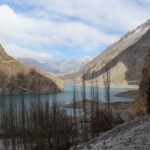
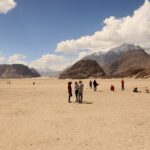

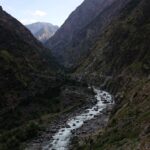
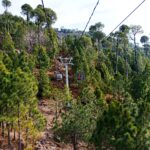



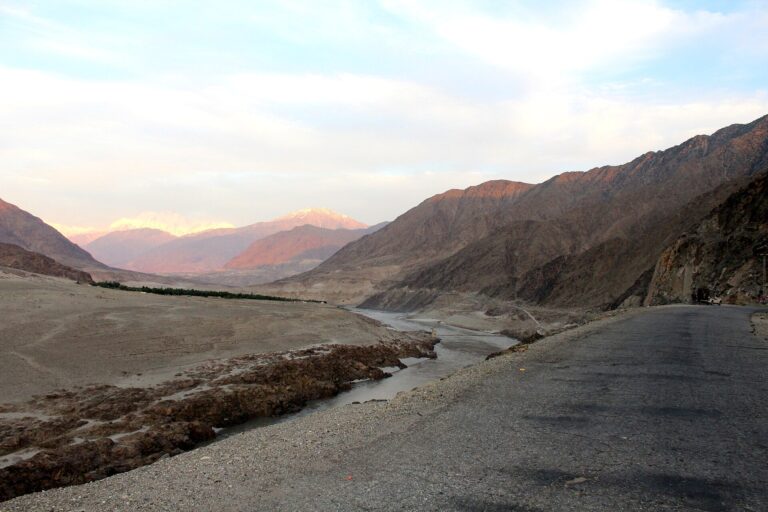
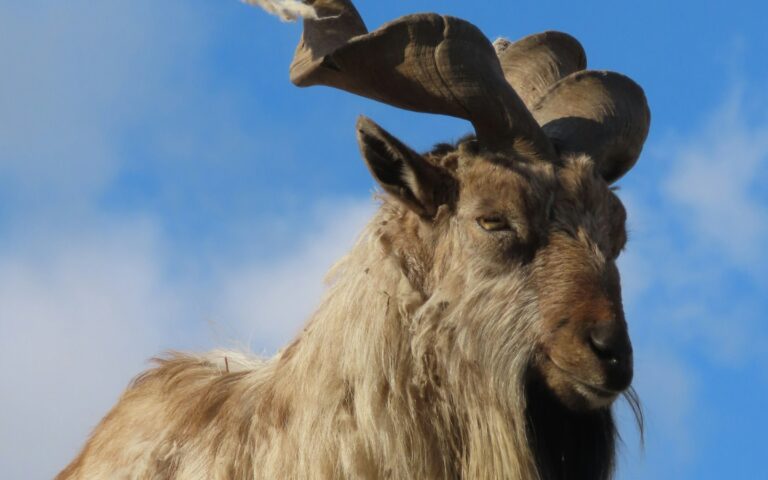
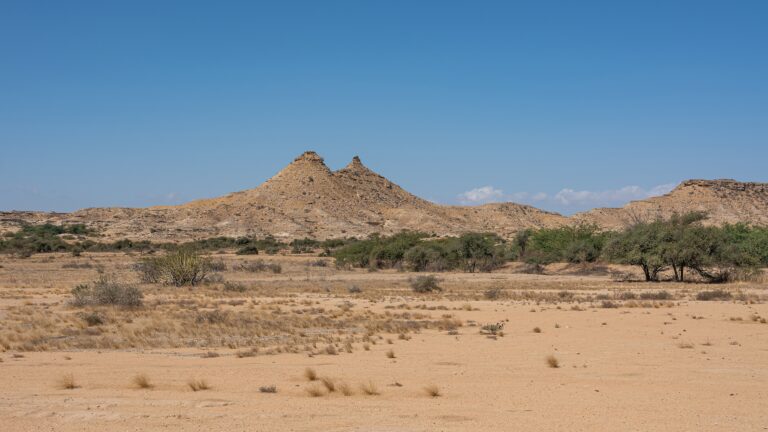
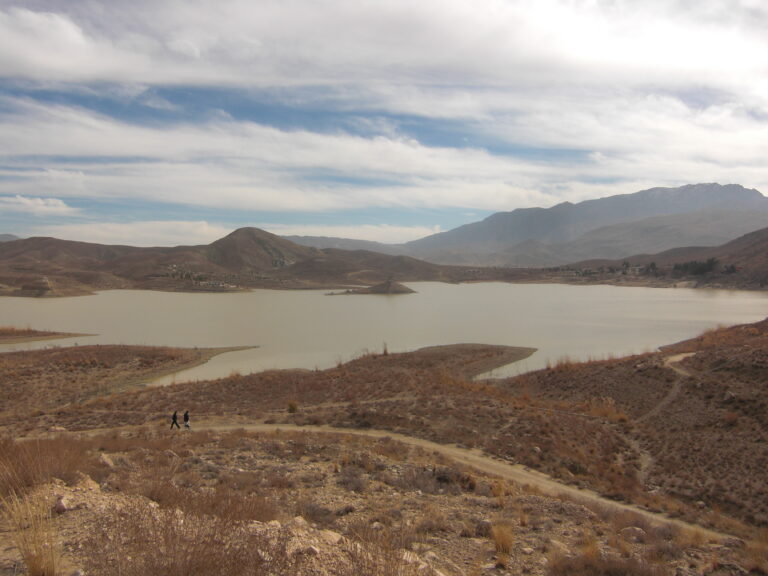

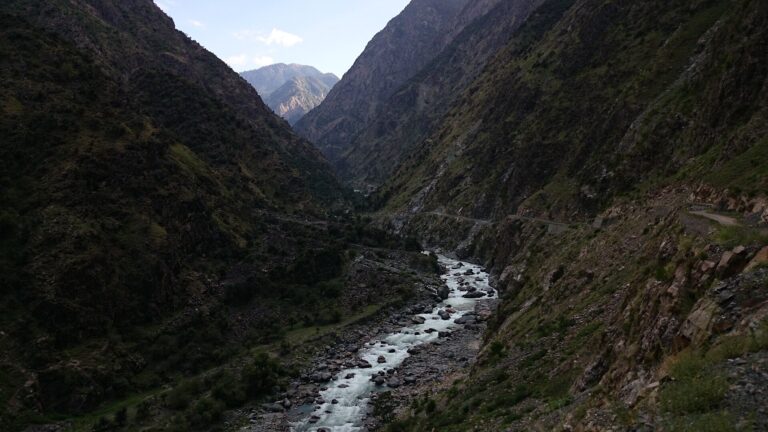

Kirthar National Park is dry rock, thorn scrub and seasonal pools, and the Sindh ibex herds on its ridges are the main reason to come. Its 308,733 hectares run north from Hub Dam, near Karachi, toward Ranikot, with visitor centres at Khar and Karchat. Last checked: November 2026.
Quick answer: what to expect at Kirthar National Park
Kirthar National Park is a 308,733 hectare protected area in the Kirthar Mountains of Sindh, declared on 31 January 1974. The park is bare ridges, dry riverbeds, thorn scrub and seasonal pools rather than forest, and its main draw is wildlife: Sindh ibex, urial and chinkara. Visit between mid October and mid March, enter through the Khar centre near Hub Dam or the Karchat centre off the M-9, and use a 4×4 for the Karchat side.
Kirthar National Park quick facts
| Item | Detail |
|---|---|
| Province and districts | Sindh, mainly Jamshoro and Dadu districts, reaching north of Karachi |
| Area | 308,733 hectares (about 3,087 sq km) |
| Status | Wildlife sanctuary from 1972, national park from 31 January 1974 |
| Managed by | Sindh Wildlife Department |
| Visitor centres | Karchat (main centre) and Khar (near Hub Dam) |
| Main wildlife | Sindh ibex, Afghan urial, chinkara, striped hyena, Indian wolf, caracal, leopard (rare) |
| Birds | At least 147 recorded species, including Bonelli’s eagle and wintering vultures |
| Best months | Mid October to mid March |
| Languages | Sindhi, Balochi and Urdu |
Where is Kirthar National Park?
The park covers a long block of the Kirthar Range, the mountains that mark the boundary between Sindh and Balochistan. Its southern edge runs close to Hub Dam, just north of Karachi, and it stretches north toward Ranikot Fort in Jamshoro district. The hills also form the watershed of the Hub River. For the wider province, see our Sindh travel guide.
History of the park
The Kirthar hills were hunting grounds under the Talpur rulers and later under British rule, and by the 1960s the wild goat and sheep herds had been badly reduced. The area became a wildlife sanctuary in 1972 and a national park on 31 January 1974. In 1975 it became the first Pakistani park included in the United Nations list of national parks. The highway between Karachi and Quetta was later routed around the park rather than through it after a campaign by environmental groups.
The hills also hold archaeological sites, including the Taung tombs, carved historical graves in the Karchat area, and they connect to Ranikot, one of the largest forts in the world.
How to reach Kirthar National Park
Khar centre, near Hub Dam
Khar is the easier entrance from Karachi. Take the Karachi Northern Bypass (M-10) and turn onto Kirthar Park Road, which is paved to the centre, so an ordinary car can reach it. Khar has enclosures used for captive breeding, including blackbuck for a reintroduction project, and views over the Hub Dam reservoir.
Karchat centre, off the M-9
Karchat is the main visitor centre and sits deeper in the hills. Drive up the M-9 motorway from Karachi toward Hyderabad and turn off near Nooriabad. The road to Karchat is about 160 km from Karachi and the last stretch is an unpaved, poorly signed track, so a 4×4 and someone who knows the way are strongly recommended. The Karchat side is better for wildlife and for the archaeological sites.
Permits
Contact the Sindh Wildlife Department in Karachi before you go to arrange entry, a guide and any overnight stay at Khar or Karchat. Rules and fees can change, and we have not been able to confirm current rates.
Best time to visit
| Season | Conditions | Verdict |
|---|---|---|
| Mid October to mid March | Mild days, cool nights | Best for hiking, driving and wildlife |
| April to June | Very hot and dry | Avoid; daytime walking is dangerous |
| July to August | Monsoon rain turns the hills green | Scenic but tracks can flood |
| September | Hot and humid | Possible early in the morning |
Our Pakistan in November and Pakistan in December guides cover the winter season across the country.
Weather
Kirthar is hotter and drier than coastal Karachi in summer, with very little shade. July and August bring most of the year’s rain, filling pools and springs. Winter days are pleasant and nights can be cold enough for a jacket, especially when camping.
Wildlife in Kirthar National Park
Sindh ibex
The Sindh ibex, or Sindh wild goat, is the provincial animal of Sindh and the park’s flagship species. A 2002 to 2003 survey estimated about 14,000 ibex, and the herds have been described as growing since. Viral disease outbreaks have killed groups of ibex in some years, and the department has cordoned off affected areas when this happens.
Other mammals
Afghan urial graze the lower slopes, mainly around Khar and the Dumbar area, and chinkara gazelles live on the open plains. Predators include striped hyena, Indian wolf, caracal and a small number of leopards, which are rarely seen. At least 38 mammal species have been recorded in the park.
Birds and reptiles
Birdwatchers can look for Bonelli’s eagle, tawny and imperial eagles, griffon and Egyptian vultures, Sind woodpecker, hoopoe and desert larks. Monitor lizards, tortoises and several venomous snakes, including the saw-scaled viper, also live here.
Places to visit
- Karchat: the main centre, rest house and wildlife viewing area.
- Khar: captive breeding enclosures and the Hub Dam shoreline.
- Taung tombs: carved historical graves in the Karchat area.
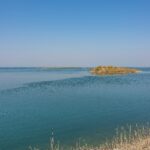
- Hub Dam reservoir: on the park’s southern edge, good for birds and sunsets.
- Ranikot Fort: the vast fort walls on the northern side of the range.
Things to do
- Drive the tracks around Karchat at dawn to watch ibex on the ridges.
- Hike with a ranger to springs and pools in the cooler months.
- Camp or stay overnight for clear night skies.
- Birdwatch around Hub Dam and the Khar centre.
- Combine the park with a day at Ranikot.
Photography spots
Low sun at dawn and dusk turns the bare rock gold and makes ibex easier to pick out against the ridges. Hub Dam gives good sunset reflections. Bring a telephoto lens for wildlife and a wide lens for the hills. Ask permission before photographing local people and do not fly drones without clearance.
Where to stay
The Sindh Wildlife Department runs rest houses at Karchat and Khar for visitors, with basic rooms. Book through the department in advance. Otherwise, Kirthar works as a long day trip from Karachi, where hotels are plentiful.
What to eat
There are no restaurants in the park. Bring all food and plenty of water from Karachi, or arrange meals when you book a rest house. Our Sindh guide covers the province’s food and culture.
Getting around
A high clearance 4×4 is the practical way to get around the Karchat side. Carry a spare tyre, extra fuel and an offline map, since signage is poor and mobile coverage is patchy. Hiring a ranger or local guide saves time and keeps you on safe tracks.
Estimated costs
We have not verified current rupee prices for entry, guides or the rest houses. Budget for:
- 4×4 hire or fuel for your own vehicle
- Park entry and a guide or ranger
- A rest house night, if you stay
- All food and water for the trip
Packing checklist
- At least four litres of water per person per day
- Sun hat, sunglasses and sunscreen
- Sturdy boots for loose, rocky ground
- Binoculars and a camera with a zoom lens
- A warm layer for winter evenings
- Spare tyre, tools and a first aid kit
Travel tips
- Contact the Sindh Wildlife Department before you go.
- Leave Karachi before dawn to reach the hills in good light.
- Travel in more than one vehicle on the Karchat side if you can.
- Tell someone in Karachi your route and expected return time.
Safety tips
- Do not hike in the middle of the day, even in winter.
- Avoid driving into dry riverbeds when rain is forecast.
- Watch where you step and do not reach under rocks.
- Stay with a guide away from the main tracks.
Responsible tourism
Carry every scrap of litter out, keep your distance from animals, never chase wildlife with a vehicle and leave the historic graves untouched. Report any signs of hunting to park staff.
Emergency contacts
Rescue 1122 and police 15 are the standard emergency numbers in Pakistan, but help can be far away inside the park. Carry a charged phone and share your plans before you leave.
Nearby attractions
Suggested 2 day trip from Karachi
Day 1: Karchat
- Leave Karachi before dawn on the M-9 and turn off near Nooriabad.
- Drive the track to Karchat by 4×4 and check in at the rest house.
- Late afternoon drive to watch ibex, then a night under the stars.
Day 2: Taung and Ranikot or return
- Visit the Taung tombs with a guide in the early morning.
- Continue to Ranikot Fort if you have time, or return to Karachi.
Frequently asked questions
Where is Kirthar National Park?
It is in the Kirthar Mountains of Sindh, mainly in Jamshoro and Dadu districts, stretching from near Hub Dam north of Karachi toward Ranikot.
How far is Kirthar National Park from Karachi?
The Khar centre is reached quickly from Karachi via the Northern Bypass, while the Karchat centre is about 160 km by road via the M-9.
Do I need a 4×4 for Kirthar National Park?
For Karchat, yes. The road to Khar is paved and can be driven in an ordinary car.
What animals can I see in Kirthar National Park?
Sindh ibex, urial and chinkara are the most commonly seen, along with many birds of prey.
When is the best time to visit Kirthar National Park?
Mid October to mid March, when the heat is bearable.
Can I stay overnight in Kirthar National Park?
Yes. The Sindh Wildlife Department runs rest houses at Karchat and Khar, which should be booked in advance.
Conclusion
Kirthar needs an early start, a 4×4 for the Karchat side and a call to the Sindh Wildlife Department before you set off. Carry more water than seems sensible.
Sources
- Arab News: Kirthar National Park’s guardians against illegal hunting
- Dawn: Far from the madding crowd, Kirthar National Park