
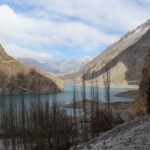
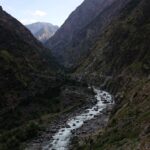
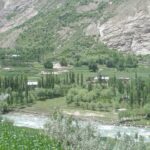
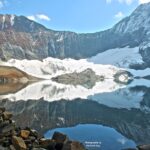
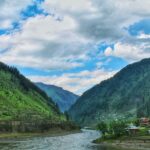
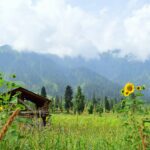



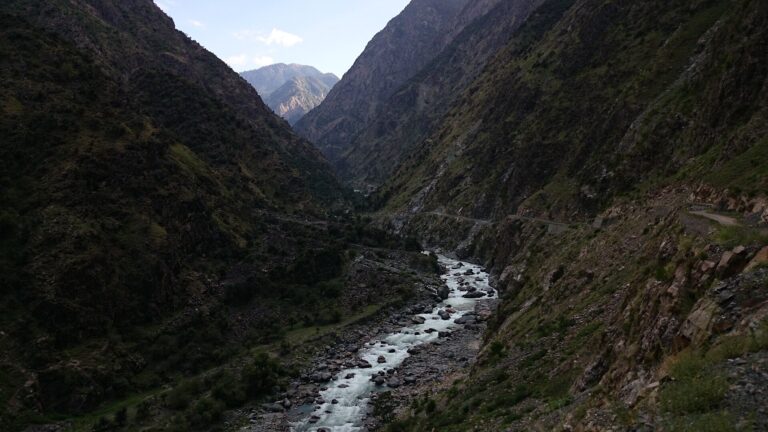
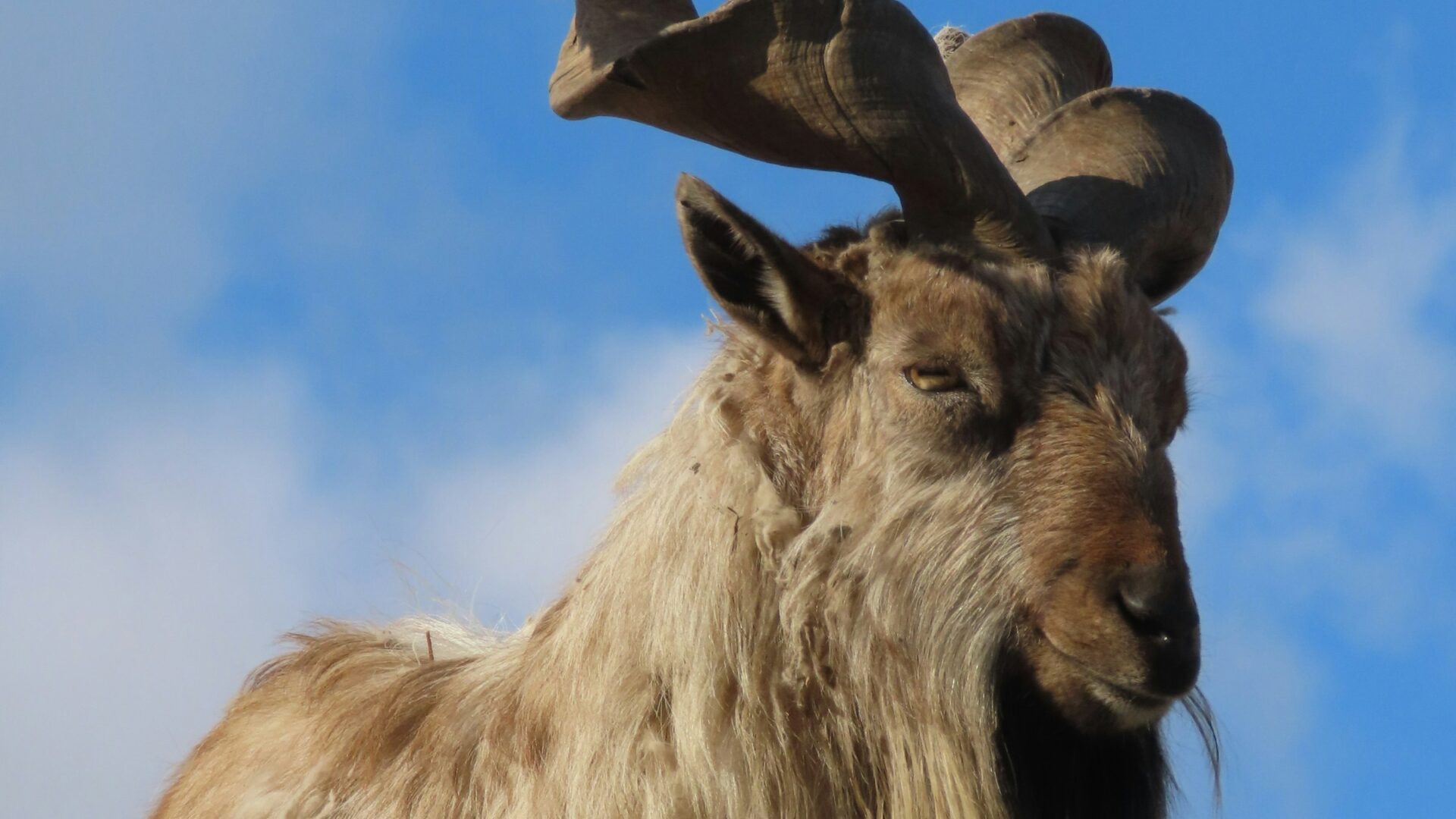
Chitral Gol National Park starts where Chitral town ends. A jeep road climbs west into 7,750 hectares of deodar forest and cliff, and it is one of the easiest places in Pakistan to see Kashmir markhor in the wild. Until 1983 the valley was the private hunting reserve of the Mehtar of Chitral, which is why the herds survived. Last checked: November 2026.
Quick answer: is Chitral Gol National Park worth visiting?
Yes, if you want wildlife and quiet mountain forest close to a town. Chitral Gol is a 7,750 hectare park in the Hindu Kush, set aside for the Kashmir markhor, Pakistan’s national animal. A jeep road climbs from Chitral town into the park, so a half day or full day visit is easy to fit into a Chitral trip. Go in May to September for walking and green meadows, or in December and early winter if seeing markhor is your main goal, since heavy snow pushes the herds to lower slopes.
Chitral Gol National Park quick facts
| Item | Detail |
|---|---|
| Province and district | Khyber Pakhtunkhwa, Lower Chitral District |
| Area | 7,750 hectares (about 77.5 sq km) |
| Status | Wildlife sanctuary from 1979, national park from 1984 |
| Elevation | About 1,450 m to 5,000 m |
| Main wildlife | Kashmir markhor, Siberian ibex, common leopard, grey wolf, Himalayan lynx, black bear, chukar partridge |
| Managed by | Khyber Pakhtunkhwa Wildlife Department |
| Nearest town | Chitral, on the park’s eastern edge |
| Best months | May to September for hiking; December to February for markhor viewing |
| Languages | Khowar is the main local language; Urdu is widely understood |
| Currency and cash | PKR. Withdraw cash in Chitral town; there are no banking facilities in the park |
Where is Chitral Gol National Park?
The park covers the watershed of the Chitral Gol stream, which runs east into the Chitral River at Chitral town. It sits on the Hindu Kush side of the valley, with high ridges to the west running toward the Afghan border. The town of Chitral is the base for every visit, and our Chitral guide covers the wider district.
History of the park
Until 1983, Chitral Gol was the private hunting reserve of the Mehtar, the former ruler of Chitral State. The hunting lodges built for the Mehtar’s family still stand inside the valley: the lodges at Kasawir, Bironshal and Gokhshal date from 1912, and the one at Birmoghlasht from 1934. Because hunting was limited to the ruling family, the markhor herds survived when they were disappearing elsewhere.
The Khyber Pakhtunkhwa Wildlife Department declared the valley a wildlife sanctuary in 1979 and a national park in 1984. Since 2024, local communities in the buffer zone have shared in a markhor trophy hunting scheme in which the trophy may not leave Pakistan, and the first such hunt took place near Shoghore village in February 2025. Hunting is not allowed inside the park itself.
How to reach Chitral Gol National Park
Getting to Chitral town
Most visitors drive from Peshawar or Islamabad through Dir and the Lowari Tunnel, which keeps the road to Chitral open far longer than the old Lowari Pass route. Allow a full day for the drive. Seasonal flights between Islamabad and Chitral have run in the past, but schedules change, so check with the airline before you plan around one. See our tunnels in Pakistan and domestic flights guides.
From Chitral town into the park
A jeep road climbs from the western side of town into the park, as far as the Chaghbini hut, about 18 km from Chitral. The track is narrow, steep and unpaved, and it becomes risky in rain, so hire a local jeep and driver rather than taking a city car. Several footpaths also lead into the park from the surrounding villages.
Permits and entry
Visits are handled by the Wildlife Department office in Chitral town. Ask there about current entry rules, fees, overnight stays in the lodges and whether a ranger needs to accompany you. Fees for Pakistani and foreign visitors have differed in the past, and we have not been able to confirm current rates.
Best time to visit Chitral Gol National Park
| Season | What to expect | Good for |
|---|---|---|
| Spring (April to May) | Snow melting on higher ground, green lower slopes, changeable weather | Birdwatching, short walks |
| Summer (June to September) | Warm days, cool nights, meadows open | Hiking, overnight stays, photography |
| Autumn (October to November) | Clear skies, fewer visitors, colder nights | Walks and long views |
| Winter (December to February) | Snow, cold, tracks may close | Markhor viewing on lower slopes |
Official markhor counts are carried out after the first heavy snowfall, usually around mid December, because that is when the herds come down from the high pastures. December is also the rut, when males are most active and visible. Our Pakistan in December guide covers the wider winter picture.
Weather
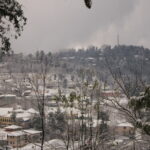
Chitral town has hot summer days and cold winters, and the park is colder at every level above it. Expect cool mornings even in summer and snow on the upper slopes for much of the year. Rain makes the jeep track slippery, so check the forecast before driving up.
What to see in Chitral Gol National Park
Kashmir markhor
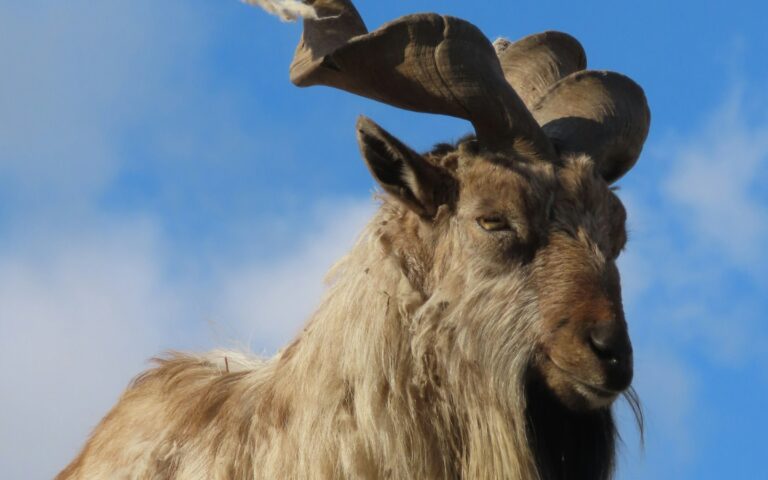
The markhor is the reason the park exists. The provincial count fell from 2,868 animals at the start of 2019 to about 2,000 by 2020, and local residents blamed poaching while officials pointed to migration and snow conditions during the count. Khyber Pakhtunkhwa reported 5,621 markhor across the province in 2023, with 2,427 in Chitral district. Whatever the exact figure, Chitral Gol remains one of the best places in Pakistan to watch markhor in the wild.
Other wildlife
A camera trap survey recorded common leopard, grey wolf and Himalayan lynx in the park. Snow leopards were once seen often but were not detected in that survey, so treat a sighting as very unlikely. Siberian ibex, Himalayan black bear, foxes and a wide range of birds, including the chukar partridge, Pakistan’s national bird, also live here.
Deodar forest and the national symbols
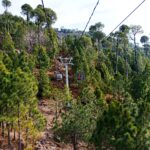
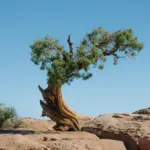
The lower valley is covered in deodar cedar, Pakistan’s national tree. With the markhor and the chukar, that makes Chitral Gol one of the few places where you can see the national animal, bird and tree in the same valley. Our guide to the national symbols of Pakistan explains each one.
The old hunting lodges
Birmoghlasht, a short drive above Chitral town, has the former summer palace of the Mehtar and a wildlife hut, with views down over the town and across to Tirich Mir on clear days. Merin and the other lodges deeper in the valley are used as bases by wildlife staff and visitors with permission.
Things to do
- Take a jeep to the Chaghbini hut and walk the forest track on foot.
- Scan the cliffs with binoculars at dawn and late afternoon, when markhor are most active.
- Visit Birmoghlasht for the view over Chitral and toward Tirich Mir.
- Birdwatch along the stream and forest edge in spring.
- Spend a night in a lodge if the Wildlife Department allows it.
Photography spots
A telephoto lens of at least 300 mm makes a real difference for markhor, which keep to steep rock faces. The ridges above Birmoghlasht give the best wide view over the valley and town. Early morning light works best in the narrow side valleys. Do not use drones in the park without written permission, since they disturb wildlife and are restricted in border districts.
Where to stay
Most visitors stay in Chitral town, which has hotels and guesthouses across a range of budgets, and drive into the park for the day. The lodges inside the park are run by the Wildlife Department, and overnight use needs its permission. Book town accommodation early for summer and for the Shandur and Kalash festival periods.
What to eat
There are no restaurants in the park, so carry food and water from Chitral town. In town, look for Chitrali breads and walnut dishes alongside the usual karahi and rice dishes. Our northern areas cuisine guide has more.
Getting around
A hired jeep with a local driver is the only practical way up the park track. Agree the fare, the stops and the waiting time before you set off. Inside the park you move on foot.
Estimated costs
We have not verified current rupee prices for park entry, jeep hire or the lodges, so we are not printing figures that may be out of date. Budget for:
- Transport to Chitral by road or air
- A jeep and driver from Chitral town for the day
- Park entry and any ranger or guide fee
- Hotel nights in Chitral town
- Food and water for the day in the park
Our Pakistan travel cost guide helps you estimate the rest.
Packing checklist
- Binoculars and a long camera lens
- Warm layers, gloves and a hat, even in summer
- Waterproof jacket and boots with good grip
- Your CNIC or passport for checkposts
- Snacks, water, a power bank and any medicines
See our northern Pakistan packing list.
Travel tips
- Visit the Wildlife Department office in Chitral the day before you go.
- Start early: wildlife is most active in the first hours of daylight.
- Hire a local guide who knows where the herds are feeding that week. See hiring a guide in northern Pakistan.
- Keep your voice down and stay on paths so you do not scatter animals.
Safety tips
- Do not drive the jeep road in or just after heavy rain.
- Slopes are steep and loose, so keep to paths and wear proper boots.
- Keep a respectful distance from all animals, especially bears.
- Carry warm and waterproof clothing even on a clear morning.
- Stray dogs are known in the park, so stay with your guide.
Responsible tourism
Chitral Gol is a protected area, not a picnic ground. Carry all rubbish back to town, do not light fires, never feed or chase animals, and leave plants and stones where they are. Hiring drivers and guides from the surrounding villages supports the communities whose cooperation protects the markhor.
Emergency contacts
Rescue 1122 and police 15 are the standard emergency numbers in Pakistan. Mobile coverage fades quickly inside the park, so tell your hotel and driver where you are going and when you expect to return.
Nearby attractions
Suggested 3 day itinerary
Day 1: Arrive in Chitral
- Arrive by road through the Lowari Tunnel or by flight.
- Visit the Wildlife Department office to arrange entry.
- Evening walk in the bazaar and along the river.
Day 2: Chitral Gol National Park
- Leave at first light by jeep for the park track.
- Walk from the Chaghbini hut and watch for markhor on the cliffs.
- Stop at Birmoghlasht on the way down for the view of Tirich Mir.
Day 3: Kalash valleys or Garam Chashma
- Drive to Bumburet in the Kalash valleys, or northwest to Garam Chashma.
- Return to Chitral for the night.
Frequently asked questions
Where is Chitral Gol National Park?
It is in Lower Chitral District, Khyber Pakhtunkhwa, on the western edge of Chitral town, covering the valley of the Chitral Gol stream.
Can you see markhor in Chitral Gol National Park?
Yes. Your chances are best in winter, from December, when snow pushes the herds to lower slopes. In summer they move higher and are harder to spot.
How big is Chitral Gol National Park?
The park covers 7,750 hectares, about 77.5 square kilometres, between about 1,450 m and 5,000 m.
Do you need a permit to visit Chitral Gol National Park?
Entry is arranged through the Wildlife Department office in Chitral town. Ask there about current fees and rules before you go.
Is there accommodation inside Chitral Gol National Park?
There are old hunting lodges and wildlife huts, but staying in them needs the Wildlife Department’s permission. Most visitors stay in Chitral town.
What is the best time to visit Chitral Gol National Park?
May to September for walking and meadows, and December to February for the best chance of seeing markhor.
Conclusion
Chitral Gol is a jeep ride from Chitral town, and the markhor come lowest after the first heavy snow, usually from the middle of December. Arrange entry at the Wildlife Department office the day before, and bring binoculars.
Sources
- Dawn: Chitral records first non-exportable trophy hunting of markhor
- Relative Abundance of Mammalian Fauna of Chitral Gol National Park