


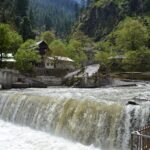
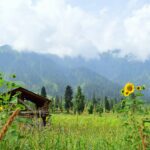








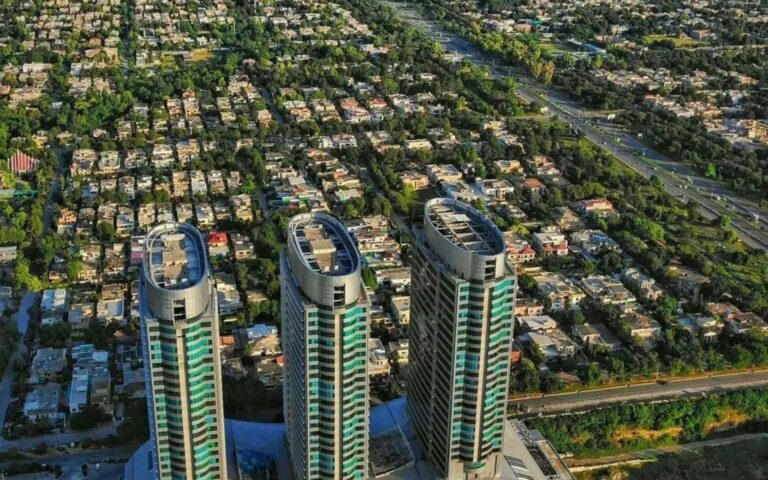
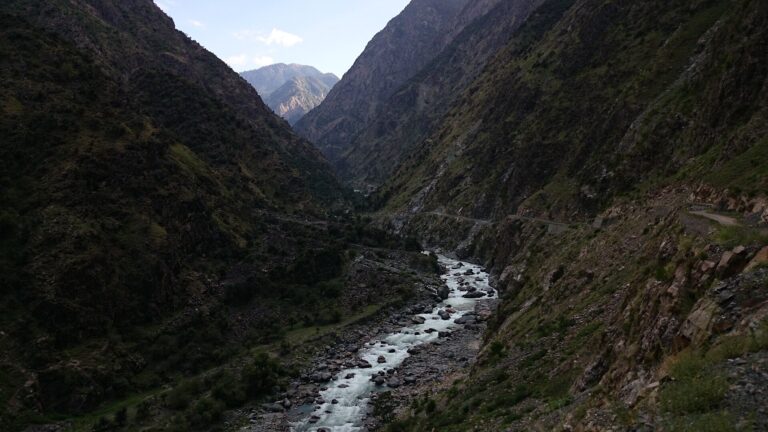
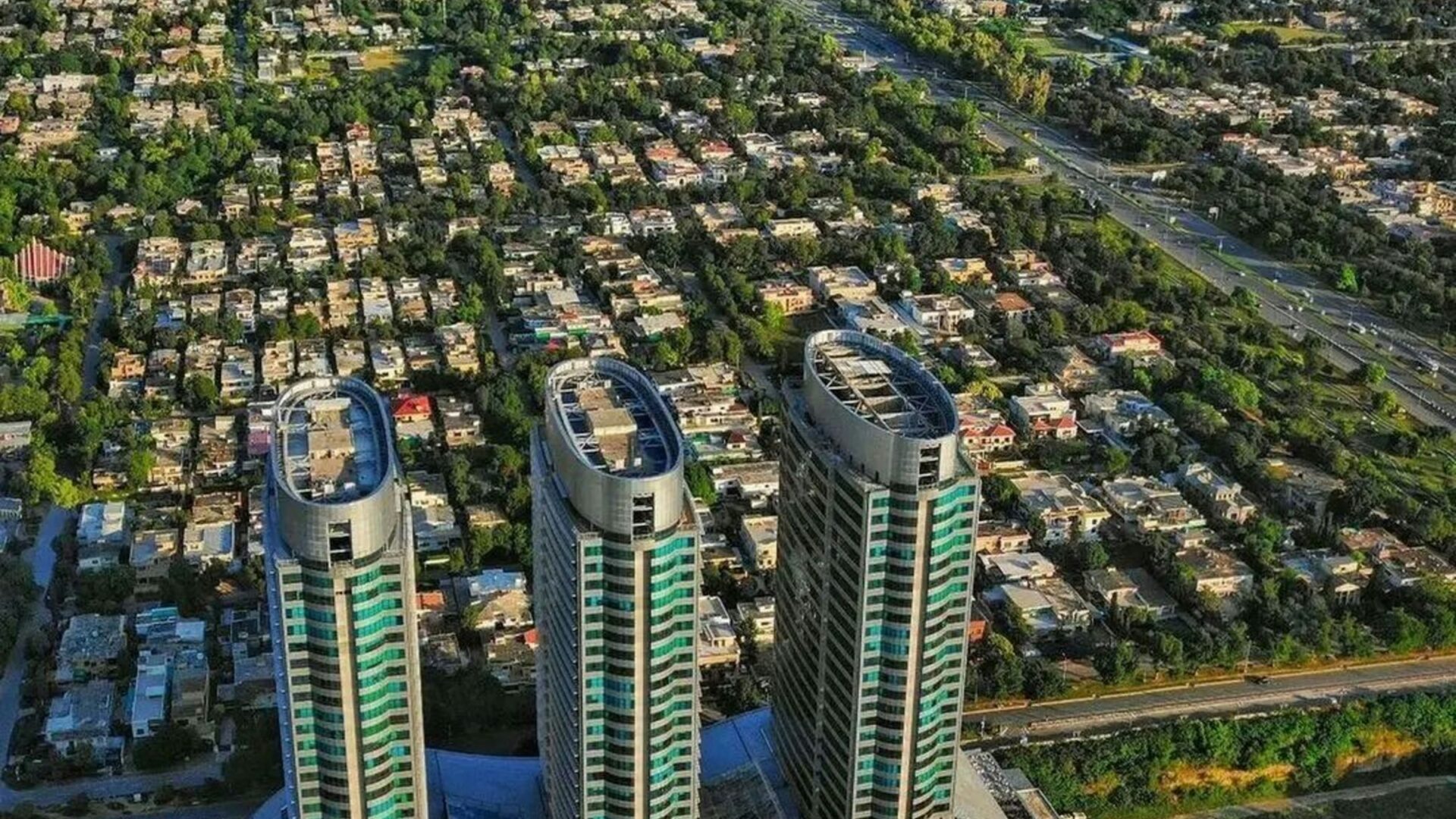
Margalla Hills National Park begins at the top of Islamabad’s F and E sectors, so a forest trail is often closer than the nearest market. Trail 3 is the steep favourite and Trail 5 the longer, gentler walk, and both close when the city administration issues rain or fire warnings. Last checked: November 2026.
Quick answer: what is Margalla Hills National Park?
Margalla Hills National Park is a 17,386 hectare protected area on the northern edge of Islamabad, covering the Margalla Hills, Rawal Lake and Shakarparian. It was declared a national park in 1980. Most visitors come to hike the numbered trails from the F and E sectors, especially Trail 3 and Trail 5. October to March is the most comfortable hiking season, and trails close temporarily during heavy rain and summer fires.
Margalla Hills National Park quick facts
| Item | Detail |
|---|---|
| Location | Islamabad Capital Territory, north of the city |
| Area | 17,386 hectares in total, of which the Margalla Hills cover 12,605 hectares |
| Status | Wildlife sanctuary from 1960, national park from 1980 |
| Includes | Margalla Hills, Rawal Lake and Shakarparian |
| Highest point | Tilla Charouni, 1,604 m |
| Managed by | Islamabad Wildlife Management Board (IWMB), under the Ministry of Climate Change |
| Popular trails | Trail 3, Trail 5, Trail 6 and the Saidpur trail |
| Best months | October to March |
| Wildlife | Common leopard, barking deer, wild boar, rhesus macaque, pheasants and many bird species |
Where are the Margalla Hills?
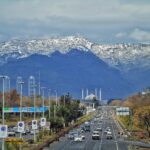
The Margalla Hills are the last foothills of the Himalaya before the Potohar plateau, and they form the northern wall of Islamabad. The trailheads sit at the top of the city’s F and E sectors, so you can be walking in forest within minutes of the city. The range continues northeast toward Murree and the Galiyat. For the city itself, see our Islamabad travel guide and top places to visit in Islamabad.
History of the park
The hills were made a wildlife sanctuary in 1960, while Islamabad was being planned, and became a national park in 1980 under the Islamabad Wildlife Ordinance of 1979. In 2015, after petitions about the park’s condition, the Islamabad High Court’s direction led to the creation of the Islamabad Wildlife Management Board, which is now the park’s legal custodian.
The biggest recent change came in 2024. The Supreme Court ordered all restaurants inside the park to close, and on 11 September 2024 the eateries on Pir Sohawa Road, including Monal and La Montana, were sealed and later demolished. In July 2026 the Federal Constitutional Court set aside the demolition order and returned the case to the trial courts. Whether any restaurant reopens depends on further court and regulatory decisions, so do not plan a hike around a hilltop meal.
How to reach Margalla Hills National Park
Islamabad International Airport is the nearest airport, and Rawalpindi has the nearest major railway station. Within the city, ride hailing apps and taxis drop hikers at the trailheads, and there are parking areas at the start of Trail 3 and Trail 5. Weekend parking fills before 7 am in the cooler months, so arrive early. Pir Sohawa and Daman-e-Koh are also reached by road from Islamabad. See our public transport guide.
Best time to visit
| Season | Conditions | Hiking notes |
|---|---|---|
| October to March | Cool, dry, clear mornings | The best hiking season; go early at weekends |
| April to June | Hot afternoons, dry forest | Fire season; trails may close at short notice |
| July to September | Monsoon rain and humidity | Slippery paths; trails close during heavy rain warnings |
The district administration closes Trails 2, 3, 4 and 5 and the Saidpur trail when heavy rain is forecast, and all trails were closed during fires in May 2026. Check the latest Islamabad administration or IWMB notices before setting out.
Weather
Islamabad has hot summers, a monsoon from July to September and cool winters. The trails are slightly cooler than the city, but summer climbs are still hard work in the heat. Winter mornings can be cold and hazy, and frost is possible on higher ground.
Hiking trails in Margalla Hills National Park
| Trail | Start | Character |
|---|---|---|
| Trail 3 | Margalla Road, F sectors | The most popular and steepest climb, up to the Pir Sohawa road |
| Trail 5 | Margalla Road, F sectors | Longer and gentler, through forest along a stream |
| Trail 6 | Near Faisal Mosque, E-7 | Quieter forest walk |
| Saidpur trail | Behind Saidpur village | Links the village with the ridge |
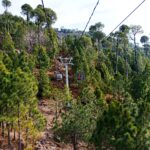
On busy weekends up to 4,000 people walk Trails 3 and 5, so the paths are crowded near the start and much quieter beyond the first viewpoints. Many hikers walk up Trail 3 or Trail 5 to Pir Sohawa, where vendors sell tea and fruit with views over Faisal Mosque and Rawal Lake. For hiking elsewhere, see our hiking trails in Pakistan guide.
Places to visit in and around the park
- Daman-e-Koh: a viewpoint terrace over the city, reached by road.
- Pir Sohawa: the ridgetop road with long views south.
- Saidpur village: a restored old village at the foot of the hills.
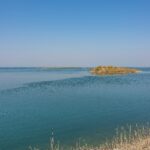
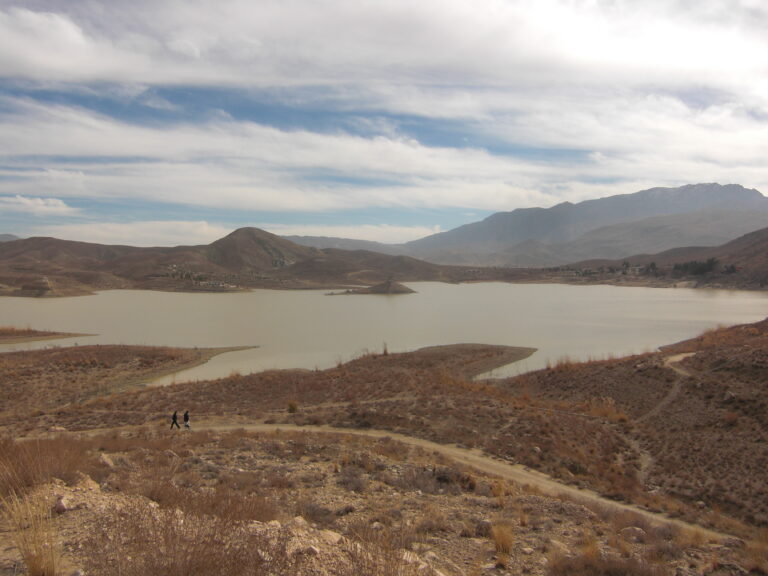
- Rawal Lake and Lake View Park: part of the national park, good for an easy afternoon.
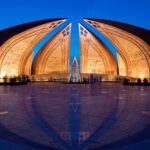
- Shakarparian: a hill park close to the Pakistan Monument.
- Faisal Mosque: at the foot of the hills near Trail 6. See our Faisal Mosque guide.
Wildlife
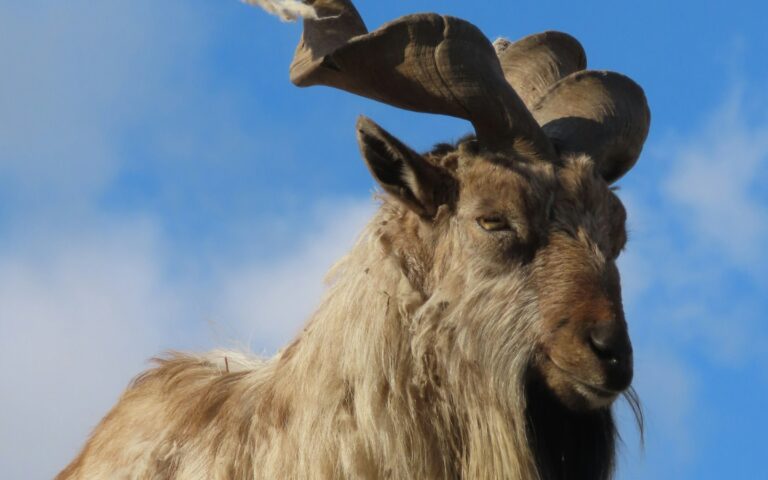
Common leopards live in the hills and have been photographed by camera traps, and occasional sightings near the city edge make the news. Barking deer, wild boar and rhesus macaques are more often seen, and the forests hold pheasants and hundreds of bird species. Snakes, including vipers and cobras, also live here, so watch where you put your hands and feet off the path. Our conservation in Pakistan’s national parks guide covers the wider picture.
Things to do
- Hike Trail 3 at dawn for the sunrise over the city.
- Take Trail 5 for a longer, shaded forest walk.
- Watch birds in the quieter side valleys early in the morning.
- Visit Saidpur village and Daman-e-Koh in one evening.
- Join an organised clean up hike run by the IWMB or hiking clubs.
Photography spots
Daman-e-Koh and the upper part of Trail 3 give the classic view across Islamabad toward Rawal Lake, best in clear winter light after rain. Faisal Mosque framed by the hills works well from E-7. Do not fly drones over the park or government areas without permission.
Where to stay
There is no accommodation inside the park. Stay anywhere in Islamabad: the F and E sectors put you within a short ride of the trailheads. See our best hotels in Islamabad.
What to eat
Carry water and snacks for the hike. Tea and fruit stalls at Pir Sohawa and food at Saidpur village are the closest options, and the rest of Islamabad is minutes away. Our guide to restaurants in Islamabad has ideas for after the hike.
Estimated costs
We could not confirm any entry fee for the hiking trails, and none was charged at the time of writing. Your main costs are transport to the trailhead, water and food. Check with the IWMB if you plan an organised group event.
Packing checklist
- At least one litre of water per person, more in summer
- Shoes with good grip for loose, rocky paths
- A charged phone with an offline map
- A light jacket in winter and sun protection in summer
- A bag to carry your rubbish back down
Travel tips
- Start early, especially at weekends and in warm months.
- Stay on the numbered trails and turn back well before dark.
- Hike with at least one other person on the longer trails.
- Check for closure notices after rain warnings or fire reports.
Safety tips
- Side paths branch off the main trails and new hikers do get lost. Keep to the marked route.
- Some edges drop steeply. A teenage hiker died after a fall on Trail 5 in May 2024.
- Never smoke or light a fire, and leave the hills immediately if you see smoke.
- Avoid midday climbs from April to September.
- Do not feed monkeys or approach any animal.
Responsible tourism
Litter, loud music and people leaving the trails are the main pressures on the park. Carry your rubbish home, keep music off, stay on the path, and report fires or poaching to the authorities. The Margallas are a national park first and a city playground second.
Emergency contacts
Rescue 1122 and police 15 are the standard emergency numbers in Islamabad. Share your route and expected return time with someone before you set off on a longer trail.
Nearby attractions
Suggested one day plan
- Early morning: hike Trail 3 or Trail 5 toward Pir Sohawa.
- Late morning: come down, rest and have brunch in the city.
- Afternoon: visit Faisal Mosque, outside prayer times.
- Evening: drive to Daman-e-Koh for sunset, then dinner at Saidpur village.
Frequently asked questions
When was Margalla Hills National Park established?
It became a national park in 1980, after being a wildlife sanctuary since 1960.
How big is Margalla Hills National Park?
The park covers 17,386 hectares, including the Margalla Hills, Rawal Lake and Shakarparian.
Which is the best trail in Margalla Hills National Park?
Trail 3 is the most popular and the steepest. Trail 5 is longer and gentler, and Trail 6 is quieter.
Are there leopards in Margalla Hills National Park?
Yes. Common leopards live in the park, but they avoid people and sightings are rare.
Is there an entry fee for the Margalla trails?
We could not confirm any entry fee for the hiking trails.
Is Monal restaurant open again?
The Pir Sohawa restaurants closed in September 2024. A July 2026 court ruling reopened the legal case, but any return depends on further decisions.
Conclusion
Go between October and March, start early, and check the district administration’s notices before any hike that follows heavy rain or a fire report. Closures are announced at short notice.
Sources
- Dawn: Margalla Hills fire brought under control, trails closed
- Express Tribune: FCC overturns SC ruling on Monal