
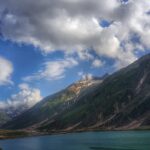
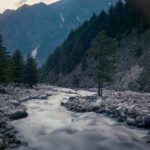
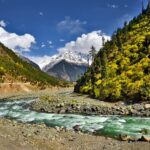




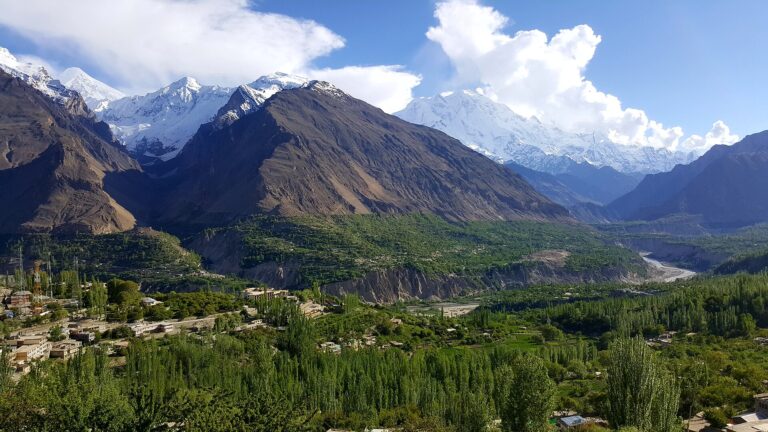
Hunza in winter is quiet, cold and very beautiful, but it is not an easy trip. Snow can close the Karakoram Highway, flights to Gilgit are often delayed, and many services shut for the season. Last checked: October 2026.
Quick answer: is Hunza worth visiting in winter?
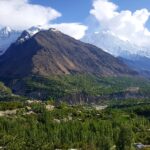
Yes, if you want snow covered views of Rakaposhi, Ultar and Ladyfinger Peak without the summer crowds, and you can accept delays. Winter temperatures range roughly from −10°C to 10°C, many upper roads can close under snow, and tourist services are limited. Build spare days into your plan.
Hunza in winter quick facts
| Item | Detail |
|---|---|
| Winter months | December to February (cold into March) |
| Temperature | Roughly −10°C to 10°C |
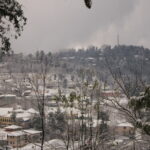
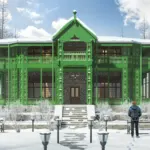
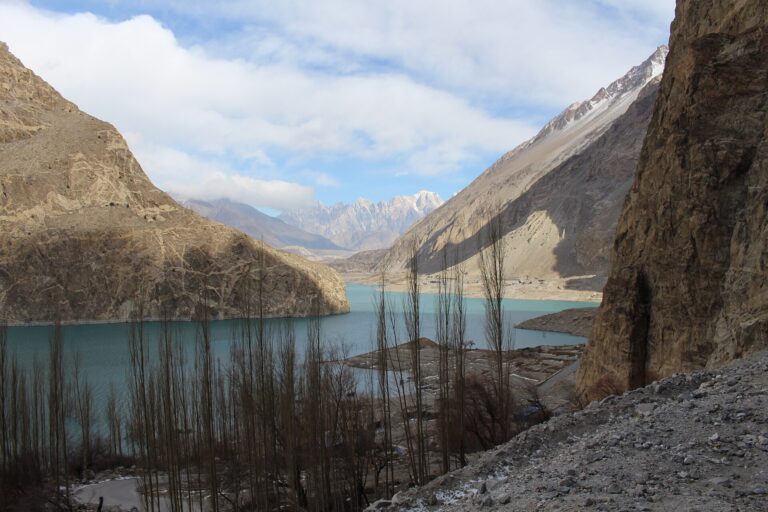
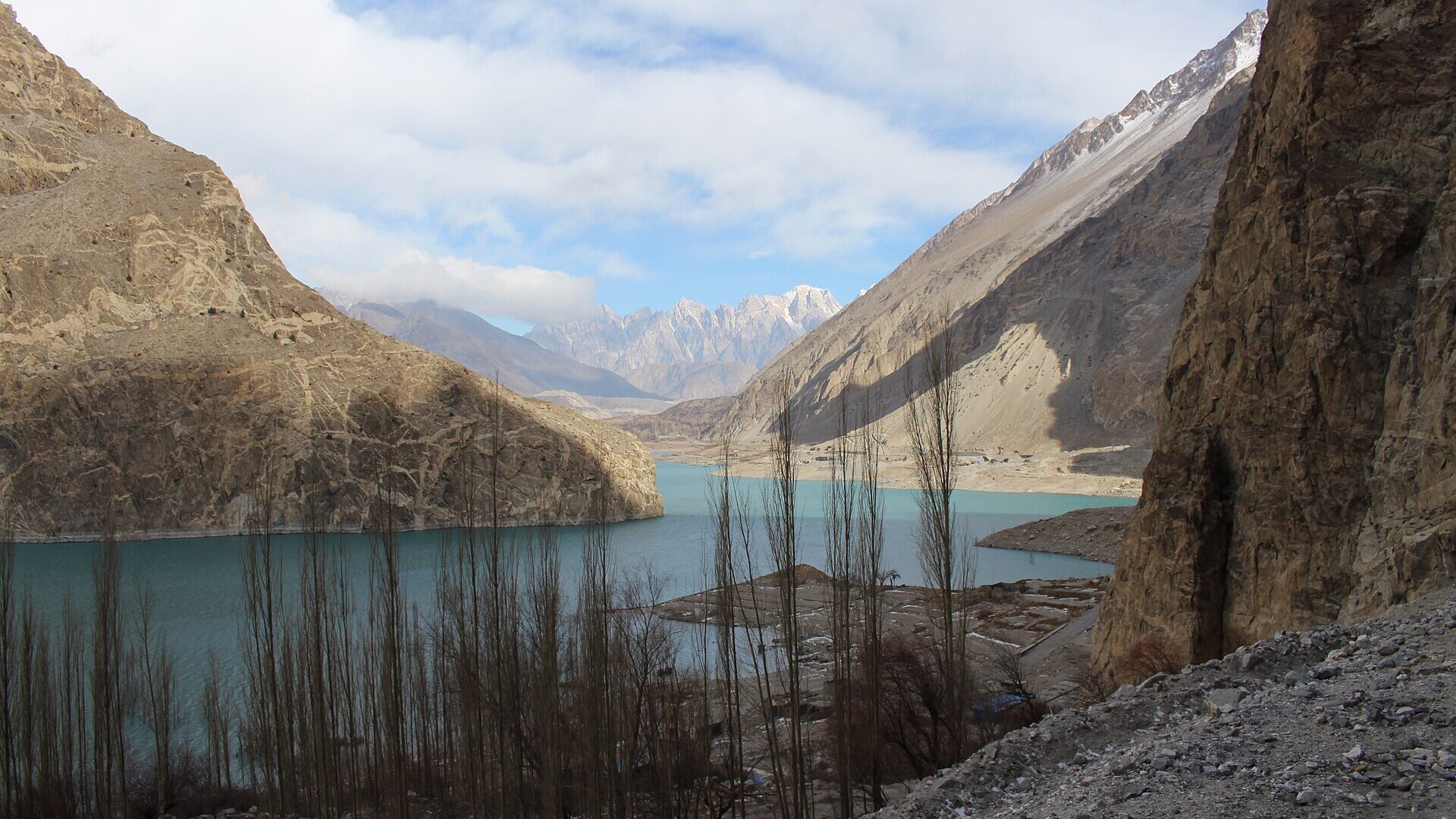
| Snow | Villages such as Aliabad and Karimabad see snow on rooftops; Attabad Lake can be partly frozen |
| Road | The Karakoram Highway has been closed in Hunza after heavy snowfall, and roads to Upper Hunza can close |
| Flights | Islamabad to Gilgit flights are frequently delayed or cancelled by weather |
| Services | Limited. Many hotels and restaurants close for the season |
What winter looks like
Expect crisp air, clear mornings when the weather holds and snowy peaks above bare orchards. Hunza is quieter than in apricot blossom spring or the autumn colour season, which suits travellers who value solitude. Compare the seasons in our spring vs autumn in Hunza and best times to visit Hunza guides.
How to reach Hunza in winter
By road
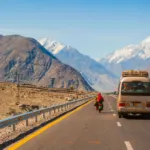
The road from Islamabad covers around 600 km and usually takes 16 to 18 hours via Mansehra, Besham, Chilas and Gilgit, and snow can add hours. Check road status before each leg. See our Islamabad to Gilgit road trip and Chilas guide.
By air
Daily flights run from Islamabad to Gilgit in good weather, taking about an hour, followed by two to three hours by road to Hunza. Flights are frequently delayed or cancelled, so keep an extra day. Read our domestic flights guide.
Things to do in winter
- Walk through snowy Karimabad and Aliabad. See things to do in Karimabad.
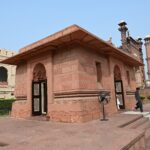
- Visit Baltit Fort and Altit Fort, if open.
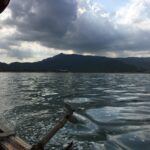
- See Attabad Lake in winter light, and the Hopper Glacier view.
- Enjoy hot local food. Read our Hunza food guide.
What to pack
- Heavy thermals, a down jacket, gloves, a scarf and insulated waterproof boots
- A thermos for hot drinks
- Sunglasses and sunscreen for snow glare
- A power bank, since cold drains batteries
Our northern Pakistan packing list has more.
Where to stay
Heating, hot water and food vary a lot in winter, and some hotels close. Call ahead to confirm they are open and heated. See best hotels in Hunza. We have not verified current prices.
Safety and responsible tourism
Avoid driving at night or in fresh snow, carry chains if you self drive, and tell someone your route. Read our altitude sickness guide. For emergencies, Rescue 1122 and Police 15 are commonly cited national numbers, but please confirm locally.
Frequently asked questions
Is Hunza open in winter?
Yes, but with limited services. Some roads can close after snow.
How cold is Hunza in winter?
Roughly −10°C to 10°C.
Does it snow in Hunza?
Yes. Villages and peaks are snow covered, and Attabad Lake can be partly frozen.
Is the Karakoram Highway open in winter?
It is usually passable but has been closed in Hunza after heavy snow. Check before you travel.
Can I fly to Hunza?
You can fly to Gilgit and drive two to three hours, but flights are often delayed by weather.
Conclusion
Winter Hunza suits flexible, well prepared travellers who want a quiet, snowy valley. Keep extra days, book heated rooms and check the road each morning. For the full destination guide, see our Hunza travel guide.
Sources
Related guides
Road status, flights and conditions change. Confirm the latest information locally before you travel.