







The Salt Range is a low line of hills in northern Punjab, south of the Potohar Plateau and north of the Jhelum River. It is easy to reach from Islamabad and Lahore, and it packs in a spring-fed lake, Mughal-era traces, ruined hilltop temples and one of the largest salt mines in the world. Most visitors do it as a day trip or an overnight loop.
This guide sorts the main stops and explains how they fit together, so you can plan a route without crossing the range twice.
Quick answer
For a first trip, start at Kallar Kahar, which sits beside the Lahore–Islamabad Motorway. Add Katas Raj and Choa Saidan Shah if you like heritage, Khewra if you want the salt mine, and the more remote Malot and Nandana only if you are happy with rough ground and uncertain access. The range’s highest point is Sakesar, at 1,522 m, in the Soon Valley.
Salt Range stops at a glance
| Stop | District | Best for |
|---|---|---|
| Kallar Kahar lake and Takht-e-Babri | Chakwal | Easy first stop beside the motorway |
| Katas Raj | Chakwal | Hindu temple complex and sacred pond |
| Choa Saidan Shah | Chakwal | Shrine town known for roses and perfumes |
| Khewra Salt Mine | Jhelum | Underground tour |
| Malot | Chakwal | Hilltop temple-fortress, for adventurous visitors |
| Nandana Fort | Jhelum | Ruins linked to Al-Biruni |
| Soon Valley and Sakesar | Khushab | Lakes, villages and the highest peak |
What makes the Salt Range unusual
The range holds marine-fossil rock that dates back as far as 570 million years. A thick layer of ancient salt near the base of the rocks acts as a lubricant, so thrust sheets slid over it without building high mountains. That is why the hills are modest in height while the geology is a draw for specialists. Four lakes are named in the range: Jahlar, Khabekki, Uchhali and Namal, with the first three in the Soon Valley.
Kallar Kahar
Kallar Kahar is a town in Chakwal District, about 26 km southwest of Chakwal city, right beside the motorway. A dedicated interchange makes it an easy stop. It is about 125 km and 1.5 hours from Islamabad, and about 250 km and 3 hours from Lahore.
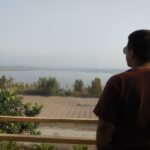
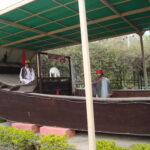
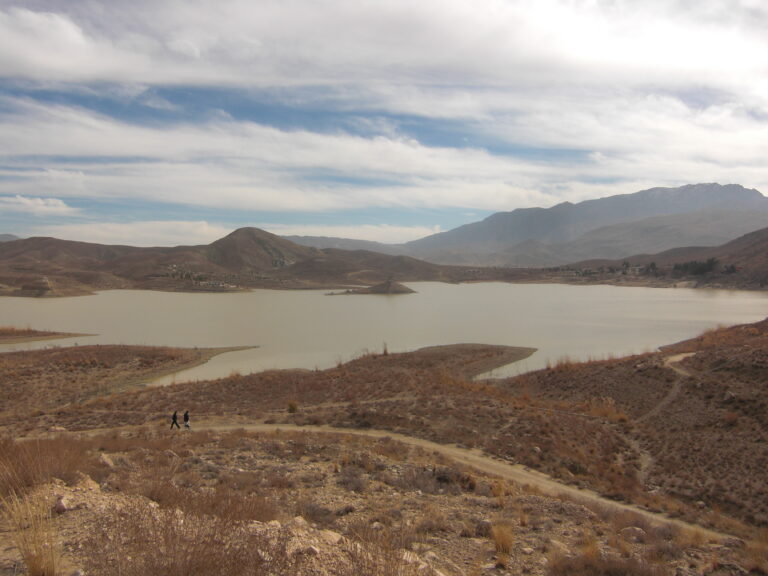
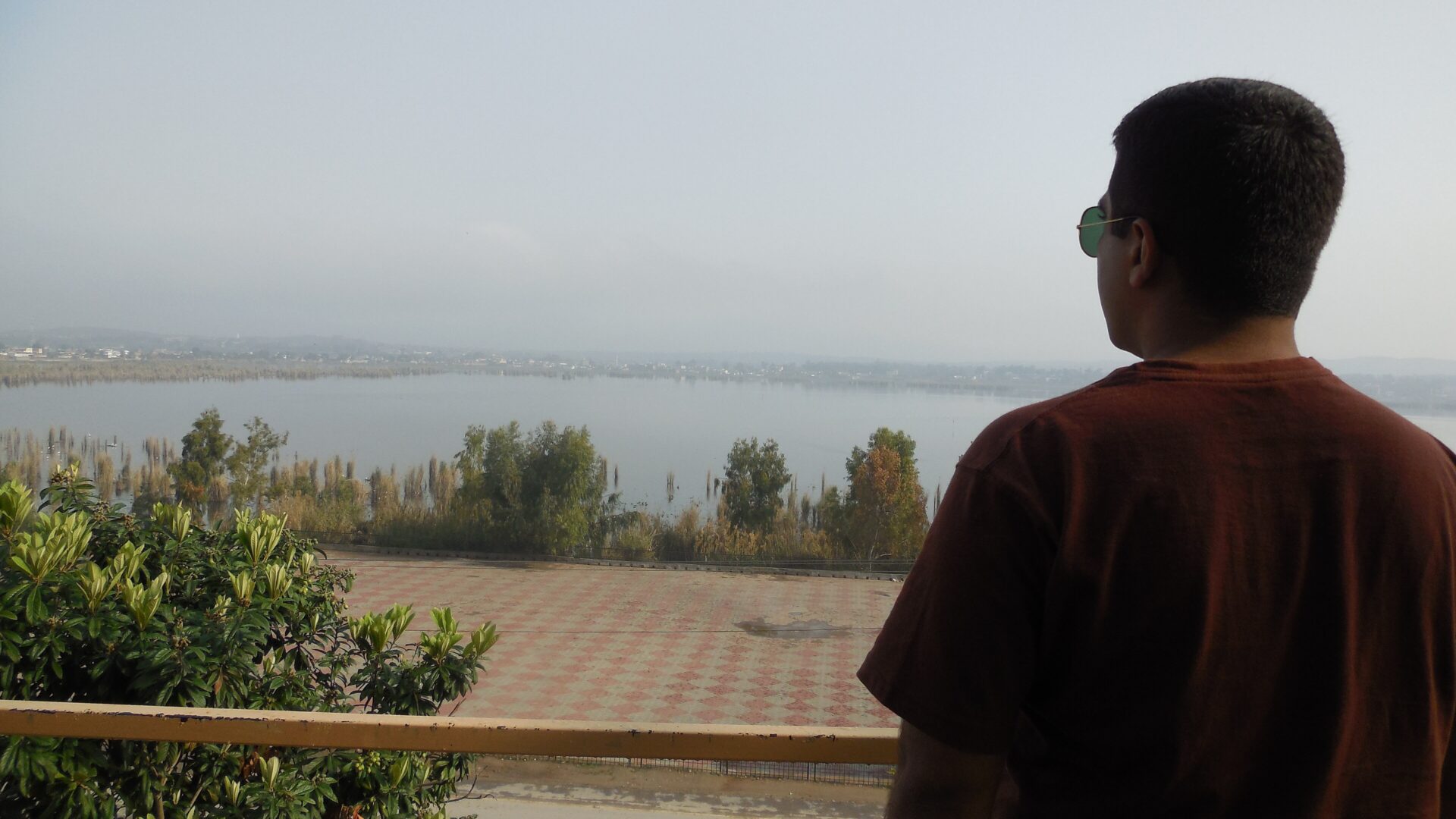
The lake is natural and spring-fed. Babur described it in 1519 as about six miles round, though the modern lake is much smaller. Pollution from nearby hotels and reed-covered banks has been a problem, and the area is a known habitat for peacocks, though numbers have reportedly fallen. Visit expecting a modest lakeside stop, not a pristine one.
Takht-e-Babri is a throne cut into the rock, said to be where Babur addressed his troops, and the nearby Bagh-e-Safa is described as the first Mughal garden in the subcontinent. Older reports describe it as neglected, so check its current condition.
Katas Raj and Choa Saidan Shah
Katas Raj is a Hindu temple complex around a sacred pond, near Choa Saidan Shah and about 40 km from Chakwal. Five of the original seven temples remain intact. We have a separate guide to Katas Raj.
Choa Saidan Shah is a town at 676 m, about 35 km south of Chakwal and about 10 km north of Khewra. It is named after Saidan Shah Shirazi, who legend says struck the ground with his staff and brought water gushing out (“choa” means spring). His annual urs is in April, and the town is known for roses and perfumes.
Khewra Salt Mine
The Khewra mine sits in the Jhelum district portion of the range and is the usual add-on after Katas Raj. See our guide to the Khewra Salt Mine for tickets and what the tour covers.
Malot and Nandana: for the adventurous
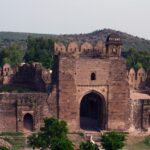
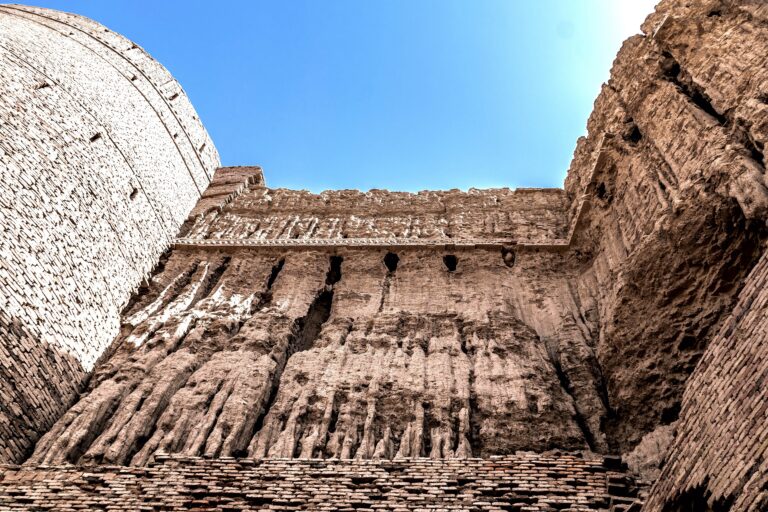
Malot is a 10th-century red-sandstone temple-fortress in Kallar Kahar Tehsil, with Kashmiri-influenced architecture. Sources link it with the Odi Shahi dynasty, though accounts differ on its builders. Fissures have formed in the hill over a thousand years, and Punjab began restoration work in 2021.
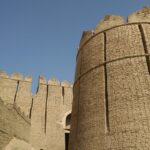
Nandana Fort stands on a hilltop at about 1,500 ft in the eastern Salt Range, near Baghanwala village in Jhelum District. Sources date it to the 9th to 11th centuries. Mahmud of Ghazni took it in 1014, and the scholar Al-Biruni is said to have measured the Earth’s circumference there. An older report says reaching it needs a trek, and restoration plans were announced in 2021. We could not confirm current access, so ask locally before you commit a day to it.
Soon Valley and Sakesar
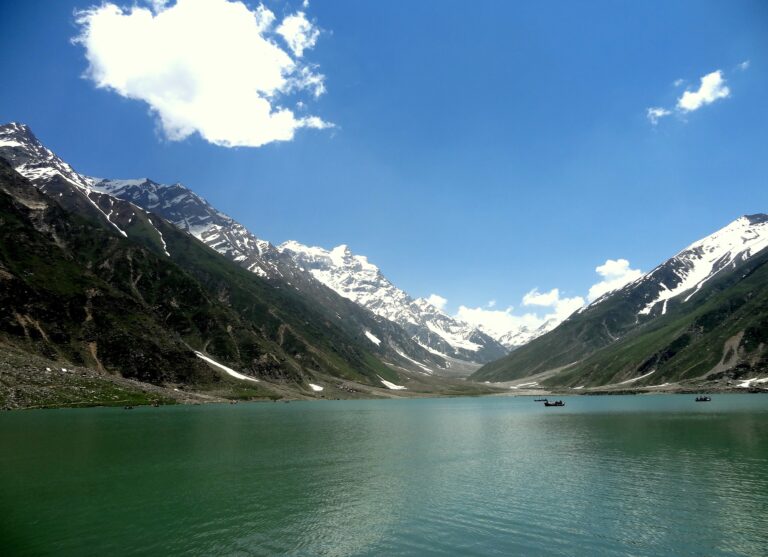
Sakesar is the range’s highest point, and the valley below it holds the Uchhali, Khabekki and Jahlar lakes. It is a longer trip than the other stops, best done as an overnight. See our Soon Valley guide.
Sample plan: a long day from Islamabad
- Leave early and take the motorway to Kallar Kahar. Walk by the lake and visit Takht-e-Babri.
- Drive on to Choa Saidan Shah and Katas Raj.
- If time allows, finish at Khewra before heading back.
Check opening times for each site before you go. We could not confirm fees or hours for any of them.
Best time to visit
Summers can reach about 40°C and winters can fall below 5°C. Spring and autumn are the more comfortable choices for walking between sites.
Frequently asked questions
How far is the Salt Range from Islamabad?
Kallar Kahar is about 125 km from Islamabad, a 1.5-hour drive. Distances to other stops vary, so check a current map.
What is the highest point in the Salt Range?
Sakesar, at about 1,522 m.
Can I visit the Salt Range in one day?
Yes, as a long day covering Kallar Kahar, Katas Raj and Khewra. Malot, Nandana and the Soon Valley need more time.
Is Kallar Kahar lake worth visiting?
It is an easy stop with a pleasant setting, but reports describe pollution and neglect in places.
Details change. Confirm access, fees and road conditions locally before you travel.