
- September 18, 2026
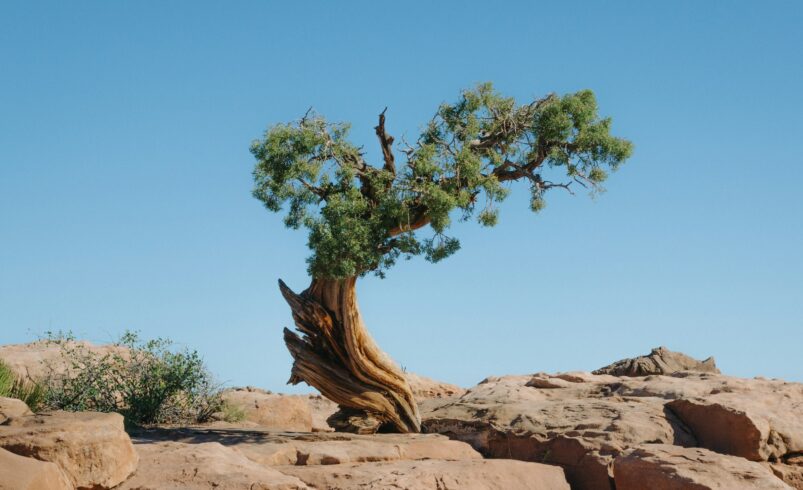
Some of the trees in Ziarat Juniper Forest were alive before the pyramids were built. This is the world’s second-largest juniper forest, home to living fossils estimated at 5,000 to 7,000 years old. It spreads across the hills above one of Balochistan’s most historically significant towns.
Ziarat Juniper Forest National Park travel guide: the basics
| Detail | Ziarat Juniper Forest |
|---|---|
| Area | Roughly 110,000 hectares |
| Elevation range | 1,200 to 3,500 meters |
| Distance from Quetta | Roughly 125 to 130 km, 3 to 4 hours |
| Best season | April to October |
Trees that predate recorded history
The forest holds some of the oldest living trees on Earth. Many specimens are estimated between 5,000 and 7,000 years old, genuinely earning the “living fossil” label. Wildlife sanctuary status arrived in 1971, and the forest became a full biosphere reserve in 2013. In 2016, Pakistan proposed it for UNESCO World Heritage status, where it currently sits on the tentative list.
A living forest under real pressure
Overall, the biosphere shelters markhor and other wild goats on its crags, alongside wolves, foxes, and raptors. But this is an ecosystem genuinely under pressure, from grazing and firewood cutting. Juniper trees this old don’t regrow quickly if lost. Responsible visiting matters here more than at most destinations. Stay on established tracks, take nothing from the forest, and support local conservation-minded operators where possible.
What else is in Ziarat
- Quaid-e-Azam Residency: the colonial-era retreat where Muhammad Ali Jinnah spent his final months in 1948, now a national monument. See our dedicated Residency guide for the full history.
- Ziarat town itself: a genuine hill station destination, drawing visitors for winter snowfall between December and February as much as the forest.
Ziarat Juniper Forest National Park travel guide: practical tips
- Visit April through October for the forest itself. Winter brings snow that limits movement, though it draws its own crowd for that exact reason.
- Stay strictly on established tracks. This ecosystem is genuinely fragile, and casual off-track wandering does real damage to trees that take millennia to grow.
- Combine this with the Quaid-e-Azam Residency. Both sit within the same town, making a natural single-trip pairing.
- Check current conditions before traveling in Balochistan. As with travel anywhere in the province, confirming the latest situation matters.
Frequently asked questions
How old are the trees in Ziarat Juniper Forest?
Many are estimated at 5,000 to 7,000 years old, among the oldest living trees anywhere on Earth.
Is Ziarat Juniper Forest the largest in the world?
Overall, it’s the world’s second-largest juniper forest, after one in California.
How far is Ziarat from Quetta?
Roughly 125 to 130 km, about 3 to 4 hours by road.
What wildlife lives in the forest?
Markhor and other wild goats, along with wolves, foxes, and raptors.
When is the best time to visit Ziarat Juniper Forest?
April through October for the forest itself. December through February brings snowfall, popular for a different kind of visit.