- August 7, 2026
This is a genuinely important question to ask honestly. It’s not one to gloss over for the sake of a good travel post. As of mid-2026, several governments maintain elevated advisories for Pakistan overall. Many specifically distinguish the northern tourist corridor, Gilgit-Baltistan, Hunza, and Skardu, from higher-risk border regions. Both things are true at once, and understanding the difference matters more than a single yes-or-no answer.
Is Pakistan safe to visit? What current advisories actually say
The US State Department rates Pakistan at Level 3, “Reconsider Travel,” citing armed conflict, terrorism, crime, and kidnapping risk. In March 2026, the US ordered non-emergency staff and families out of its consulates in Lahore and Karachi. The embassy in Islamabad, though, remains operational. The UK, Canada, and Australia maintain broadly similar guidance, advising against non-essential travel to specific areas and caution nationwide.
These aren’t advisories to dismiss. They reflect real, current conditions, and checking the latest version before you travel matters, since this situation shifts.
Where the actual risk is concentrated
Every major advisory names the same higher-risk zones consistently:
- Balochistan province, rated Level 4 (“Do Not Travel”) by the US
- Khyber Pakhtunkhwa, including the former Federally Administered Tribal Areas, also Level 4
- Areas within roughly 10 miles of the Pakistan-Afghanistan border
- The immediate vicinity of the Line of Control, including parts of Azad Jammu and Kashmir, where the UK currently advises against all but essential travel
These regions carry real risk of terrorism, kidnapping, or armed conflict, and they’re not areas this site recommends visiting as a tourist under current conditions.
What’s different about Gilgit-Baltistan
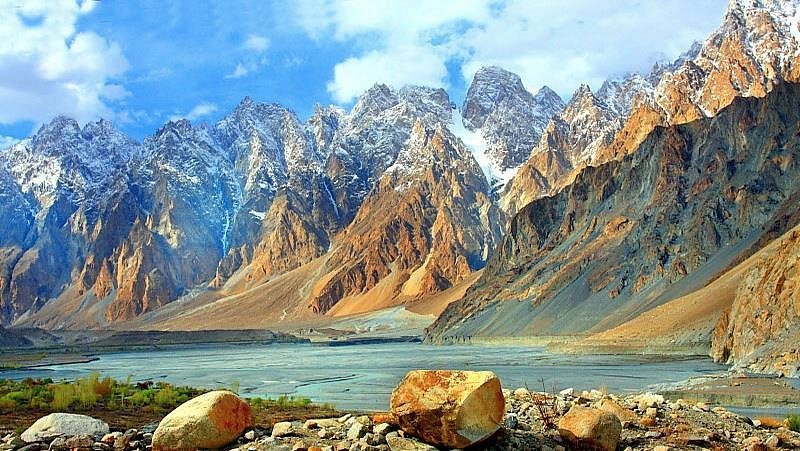
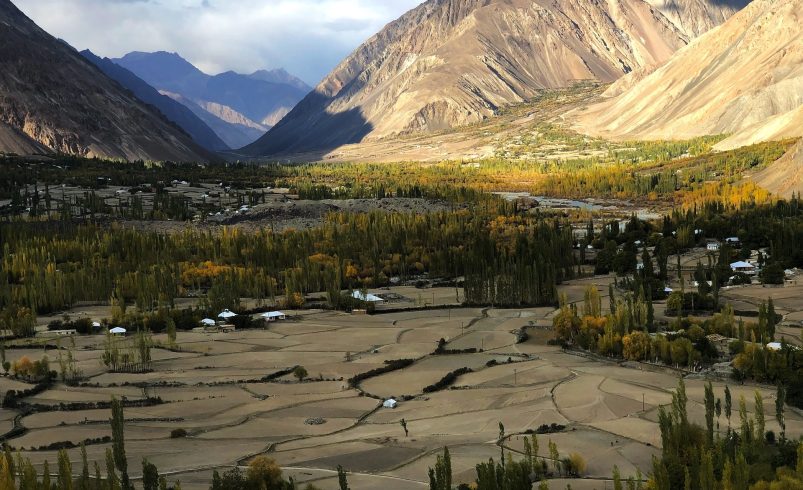
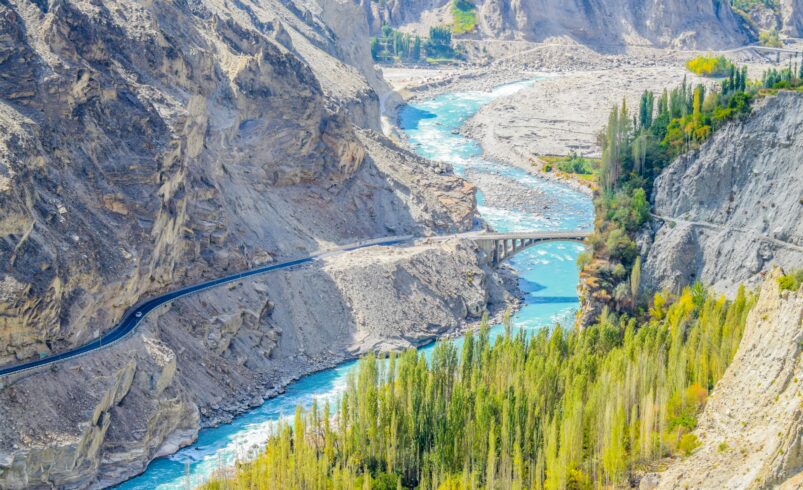
Here’s the part that matters most for readers of this site. Gilgit-Baltistan, home to Hunza, Skardu, and the Karakoram Highway, is not among the regions foreign advisories list as high-risk. The UK’s FCDO specifically removed its “essential travel only” designation for Gilgit-Baltistan in April 2026. That’s a real, dated change, not a vague reassurance. The northern tourist belt has a genuinely strong safety track record. The practical risks there are more about altitude, weather, and road conditions than security.
That distinction is worth understanding clearly. A Level 3 national advisory doesn’t mean every region carries equal risk. Gilgit-Baltistan’s profile looks meaningfully different from Balochistan’s or the tribal districts of Khyber Pakhtunkhwa.
Major cities: a more mixed picture
Lahore, Karachi, and Islamabad see far more visitors than the north. The risk profile there is different again. It’s more tied to general crime and occasional civil unrest than the armed conflict language used for border regions. The consulate staff withdrawal from Lahore and Karachi in March 2026 reflects genuine caution from the US government. It’s worth factoring into how you plan a city-heavy itinerary, particularly around large gatherings or protests.
Practical safety steps worth taking
- Check the current advisory from your own government before booking, not a version from months ago. Conditions change, and so does official guidance.
- Register with your embassy if one is available, so they can reach you in an emergency.
- Get travel insurance that includes medical evacuation coverage, especially for northern or high-altitude itineraries.
- Use a registered tour operator for the north, which also helps with the logistics covered in our guide to hiring a guide in northern Pakistan.
- Avoid political demonstrations and large gatherings, particularly in major cities, where unrest is more likely to occur without warning.
- Stay updated on regional tensions, since the situation near Pakistan-administered Kashmir and the Line of Control has seen real developments through 2026.
So, is Pakistan safe to visit in 2026?
For the northern tourist corridor specifically, the answer leans genuinely positive. Advisories back this up by distinguishing the region from higher-risk areas. For the country as a whole, the honest answer is more nuanced. Real risk is concentrated in specific, named regions. Avoiding those while staying informed is a reasonable approach for most travelers. What it isn’t is a simple yes or no. Any source telling you otherwise, in either direction, isn’t giving you the full picture.
Pair this with your e-visa planning and our trekking permits guide if you’re heading into Gilgit-Baltistan. Both processes are unaffected by the security situation elsewhere.
Frequently asked questions
Is northern Pakistan safe for tourists?
Current advisories distinguish Gilgit-Baltistan from higher-risk regions, and it has a strong safety track record. The UK removed its essential-travel-only designation for the region in April 2026. Altitude and road conditions are a bigger practical concern than security there.
What areas of Pakistan should tourists avoid?
Balochistan, Khyber Pakhtunkhwa’s former tribal areas, and the immediate Afghanistan border zone all carry elevated risk under current advisories. So does the area near the Line of Control in Azad Jammu and Kashmir.
Why did the US withdraw staff from its Lahore and Karachi consulates?
In March 2026, the State Department ordered non-emergency personnel and families out of both consulates due to security concerns. The embassy in Islamabad continued normal operations.
Should I cancel a planned trip to Hunza or Skardu?
Based on current advisories, Gilgit-Baltistan is treated differently from higher-risk provinces. That said, check your own government’s latest advisory close to your travel date, since conditions can shift.
Is it safe to visit Lahore or Karachi right now?
Both cities see regular tourism, but current advisories reflect real caution, including the March 2026 consulate staff withdrawal. Avoiding demonstrations and staying alert to local news is a reasonable precaution.