
- August 10, 2026
Some parts of northern Pakistan you can explore on your own. Others genuinely require a guide, whether for safety, navigation, or because the law requires it. Knowing which is which, and what a guide actually costs, saves you from either overpaying or underpreparing.
When you actually need a guide
Overall, for open-zone destinations like Hunza, Skardu, and the main Karakoram Highway route, a guide is optional. Roads are marked, checkpoints are routine, and independent travel is common. For restricted-zone treks, though, like K2 Base Camp, Concordia, and the Baltoro Glacier routes, a licensed guide registered with the Alpine Club of Pakistan is mandatory. It’s part of the permit process, not just a safety recommendation.
Even where it’s not required, a local guide adds real value on multi-day treks. Route knowledge, language help in remote villages, and current trail conditions are all things a guide brings.
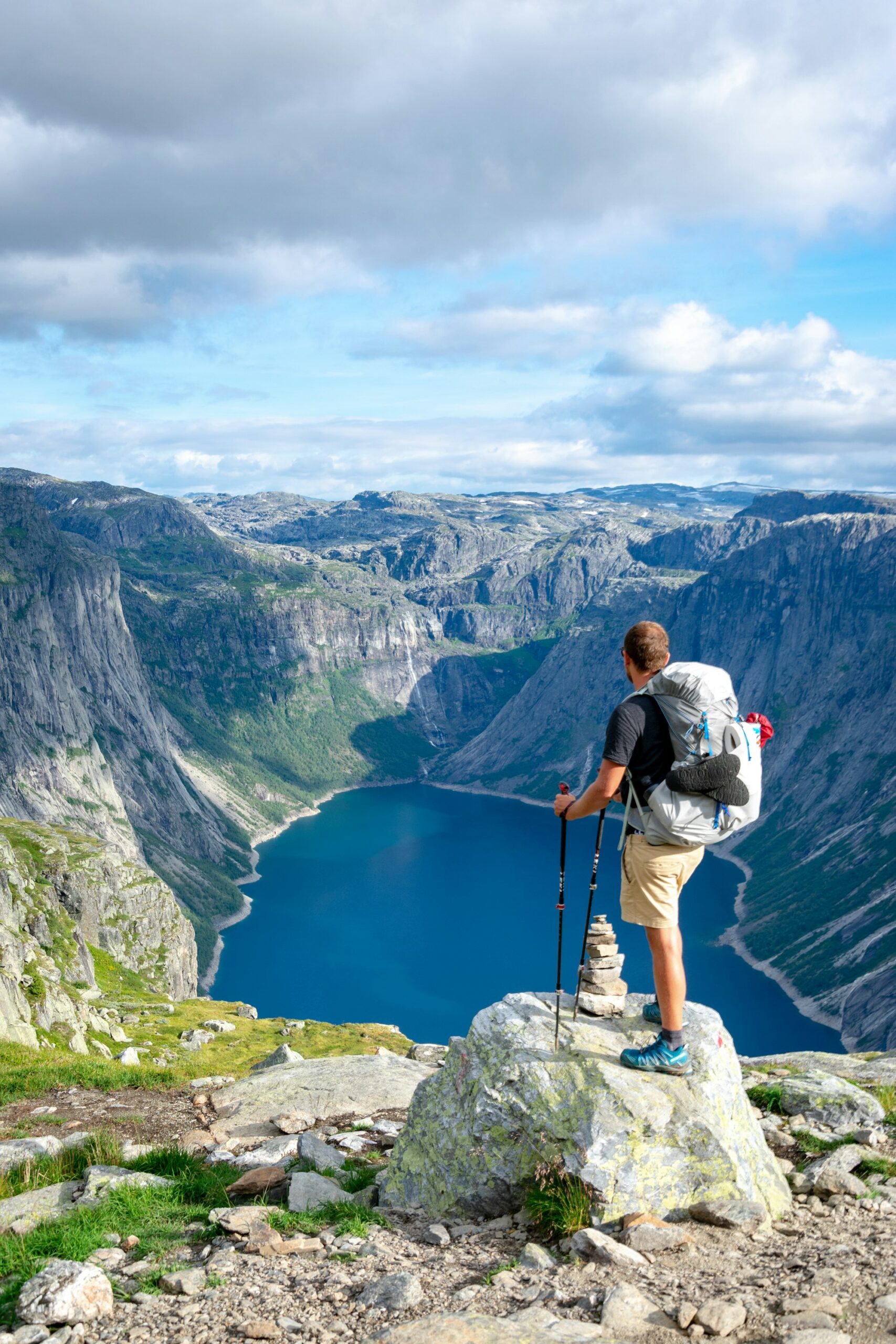
Hiring a guide in northern Pakistan: what it costs
In terms of cost, local guides typically charge PKR 2,000 to 4,000 per day, depending on the region and the guide’s experience. Porters run separately, usually PKR 1,500 to 3,000 per day depending on load and terrain. For major treks like K2 Base Camp, expect a full guide-and-porter package. These routes require a support team, not a single guide working alone.
High-altitude camps with guide services included often run PKR 2,000 to 5,000 per night. Restricted-area permits add another PKR 3,000 to 10,000 per person, on top of guide fees.
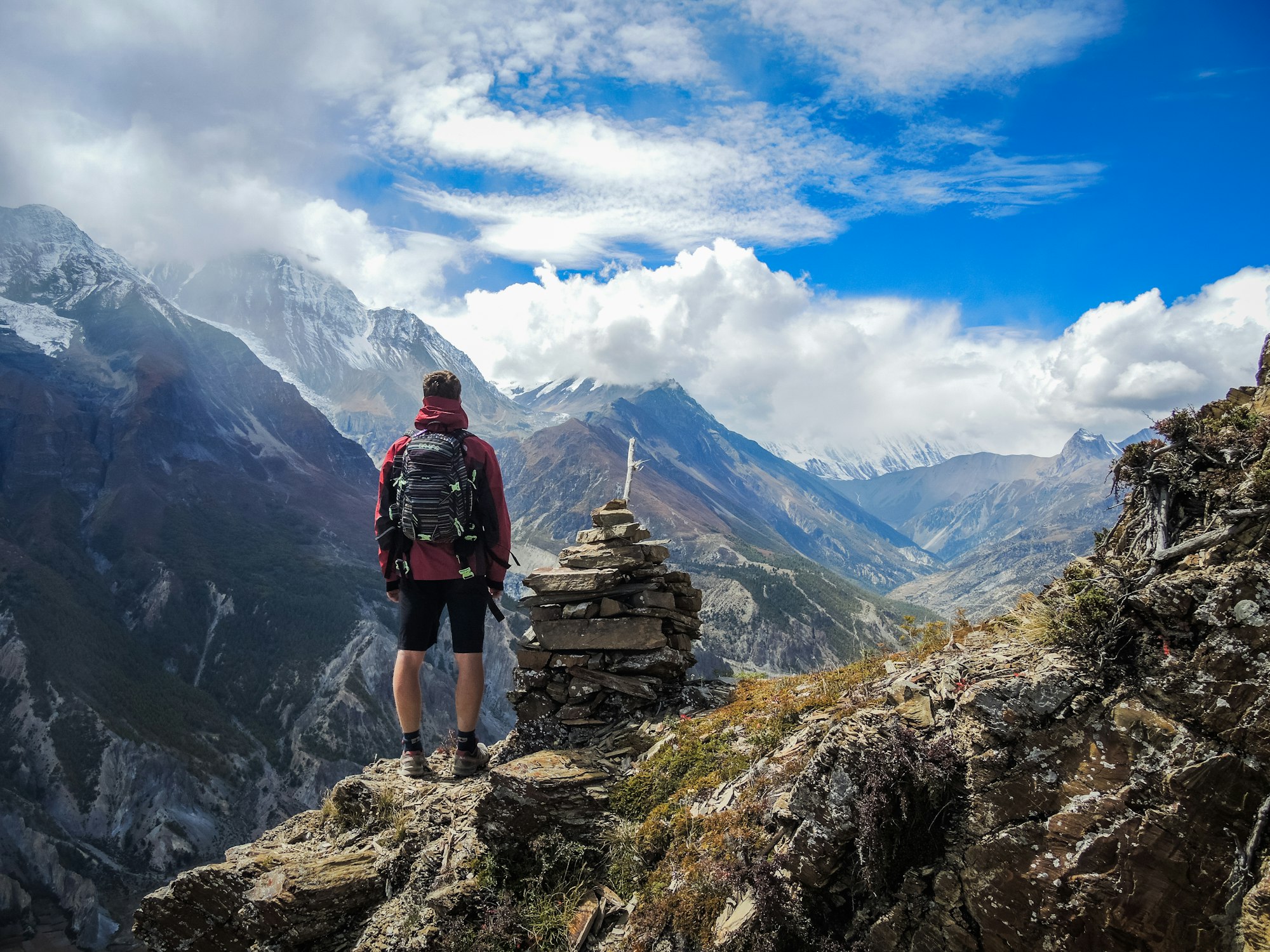
How to find a legitimate guide
First, the most reliable route is booking through a tour operator registered with Pakistan’s Directorate of Tourist Services. For restricted-zone treks, this isn’t optional anyway, since the permit process requires it. For open-zone trips, local guesthouses and trekking associations in towns like Skardu, Gilgit, and Karimabad can usually connect you with a guide directly. Rates are often better than booking through a larger agency in advance.
Ask specifically whether a guide is licensed for the route you’re planning. Licensing requirements and route knowledge vary by region. A guide experienced in Hunza isn’t automatically qualified for a Baltoro Glacier trek.
Hiring a guide in northern Pakistan: questions worth asking first
- Do you have a license for this specific route? Not all guides are certified for every trek.
- What’s included in the daily rate? Meals, equipment, and permit assistance sometimes come separately.
- How many trekkers have you guided on this route before? Route-specific experience matters more than years of general guiding.
- What happens in a weather delay or emergency? A good guide should have a clear answer, not a vague one.
Guide versus porter: what’s the difference?
A guide navigates, communicates with locals, and manages the overall route and logistics. A porter carries gear and supplies. On demanding multi-day treks, you typically need both, not one or the other. Some smaller operations combine the roles. Above 4,000 meters, though, a dedicated guide and separate porter team is the norm.
A few practical tips
- Book restricted-zone guides well in advance. Since the permit process requires a registered guide, this isn’t something you can sort out on arrival.
- Negotiate rates before you start, not during. Agree on the daily rate, what’s included, and tipping expectations up front.
- Carry cash for guide and porter payments. Most operate outside formal payment systems, especially in remote areas.
- Check reviews or ask fellow travelers. Word of mouth in towns like Skardu and Gilgit is often more reliable than online listings.
Pair this with our guides to trekking permits in Gilgit-Baltistan and altitude sickness if you’re planning a serious high-altitude trek. All three go hand in hand for the bigger routes.
Frequently asked questions
Do I need a guide to visit Hunza or Skardu?
No. Both are open zones where independent travel is common. A guide is optional there, though still useful for multi-day treks in the surrounding valleys.
Is a guide mandatory for K2 Base Camp?
Yes. Restricted-zone treks like K2 Base Camp and Concordia require a licensed guide. It’s part of the permit process, not just a safety recommendation.
How much does a guide cost per day in northern Pakistan?
Typically PKR 2,000 to 4,000 per day for a guide, with porters running PKR 1,500 to 3,000 per day separately.
What’s the difference between a guide and a porter?
A guide handles navigation, local communication, and route logistics. A porter carries gear. Major treks usually need both.
Can I hire a guide after arriving in Pakistan, or do I need to book ahead?
For open-zone trips, guides can often be arranged locally on short notice. For restricted-zone treks, book well ahead, since the permit process requires a registered guide before you can even apply.