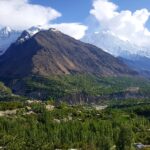
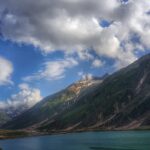
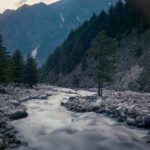
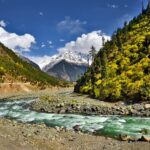
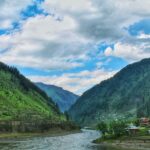
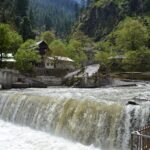
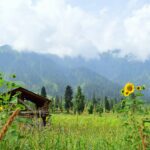


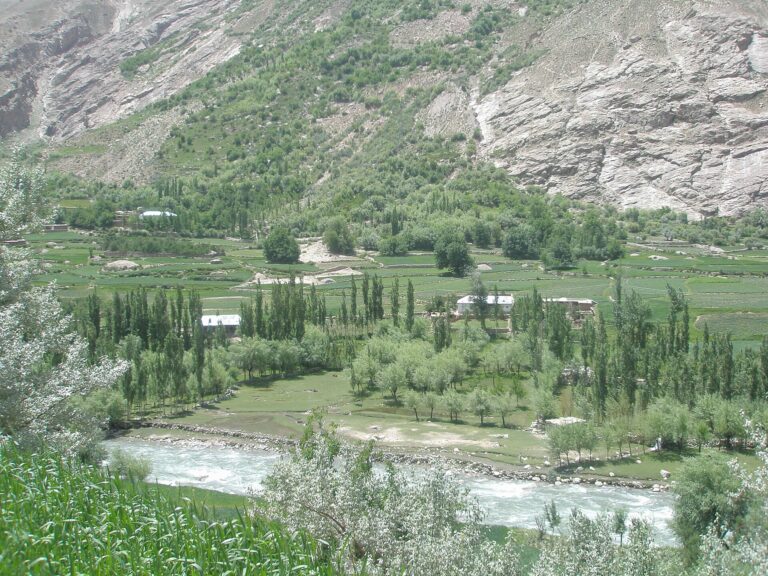
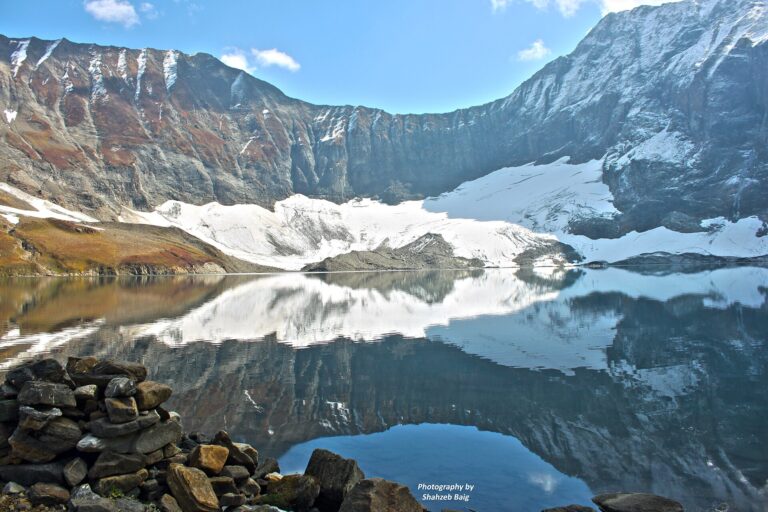
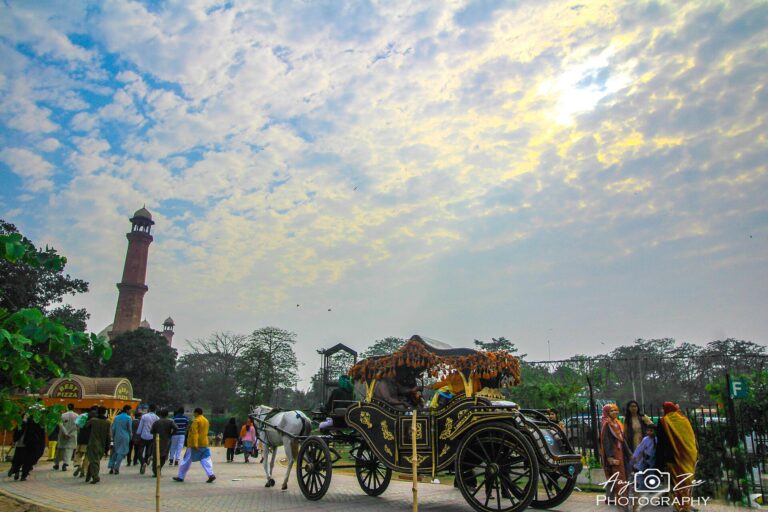
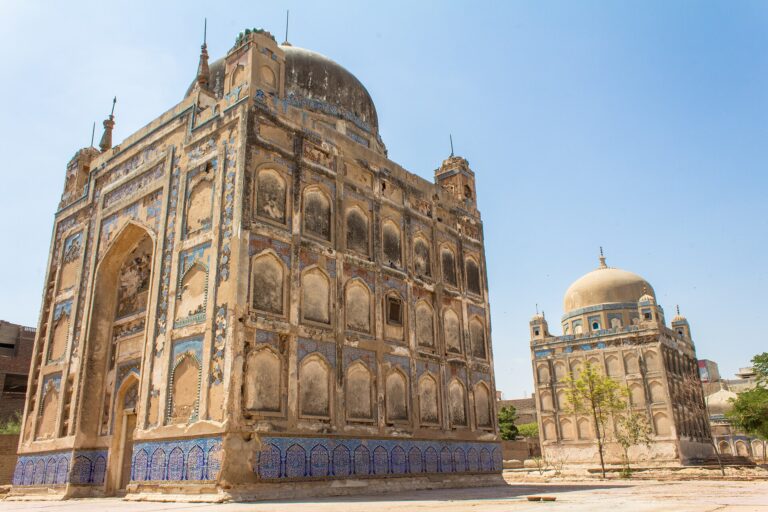

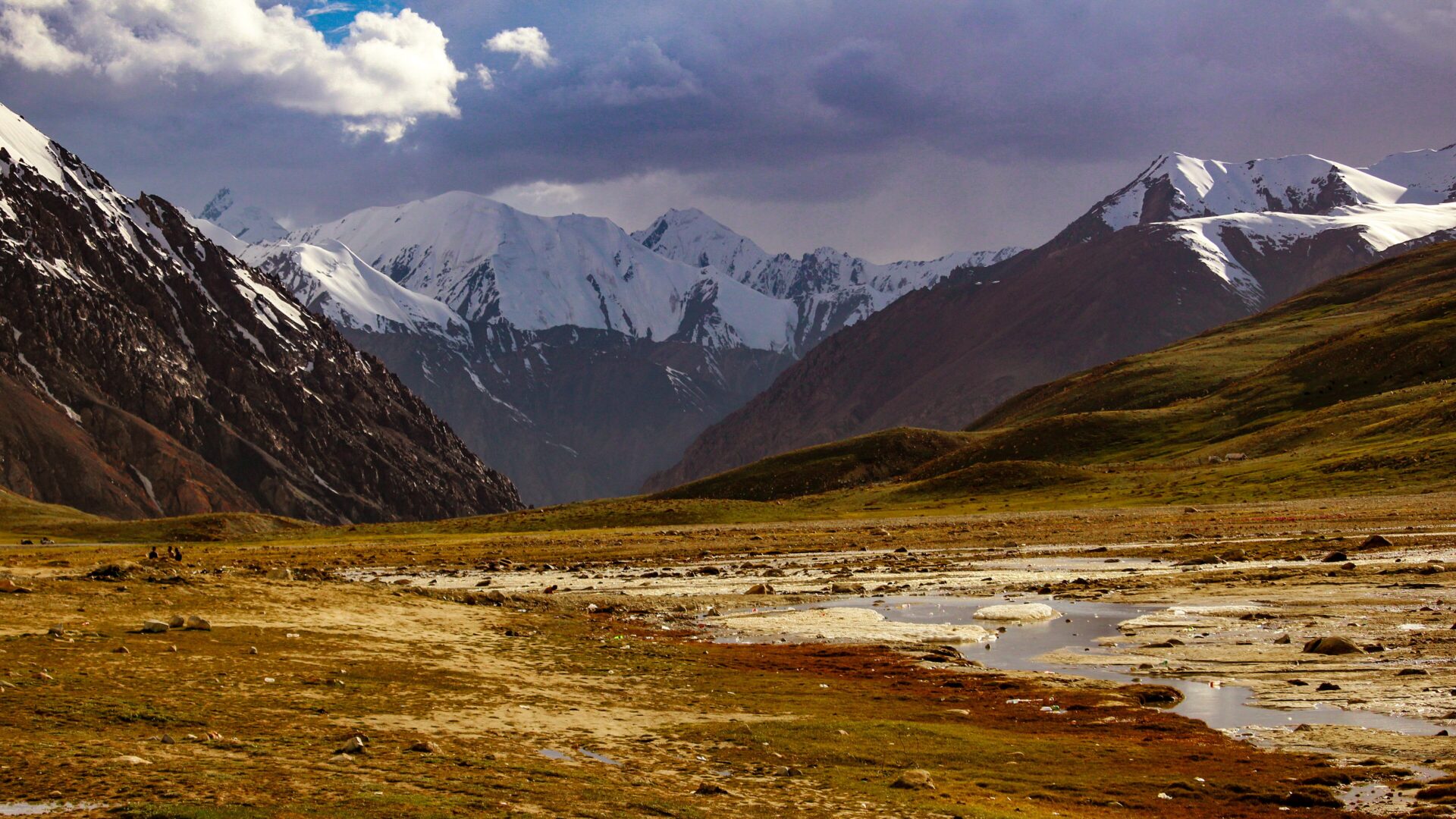
This Khunjerab National Park travel guide covers one of the highest protected areas in the world, a Karakoram park in upper Hunza that borders China and the Taxkorgan Natural Reserve. The Karakoram Highway runs through it to Khunjerab Pass, so visitors can enter by road, but the altitude, weather and border rules make the trip very different from a normal drive. The park exists mainly to protect the Marco Polo sheep and the snow leopard.
Quick answer: how do you visit Khunjerab National Park?
Base yourself in Sost, the last town with hotels and food before the pass, and drive up the Karakoram Highway on a day trip in the open season. The pass is usually reachable from mid-May to October. Carry ID, expect checkpoints and allow time for altitude, since the road climbs to about 4,700 metres.
Khunjerab National Park quick facts
| Detail | Khunjerab National Park |
|---|---|
| Region | Hunza, Gilgit-Baltistan |
| Established | 1975 |
| Area | About 2,269 km2 (226,913 hectares) per the Gilgit-Baltistan Forest Department; ICIMOD gives about 4,455 km2, so figures differ |
| Rank | Pakistan third largest national park |
| Elevation | From about 3,200 m to over 7,000 m within the park |
| Khunjerab Pass | About 4,700 m; sources range from about 4,655 to 4,934 m |
| Key wildlife | Marco Polo sheep, snow leopard, Himalayan ibex, brown bear, Tibetan wolf, golden marmot |
| Gateway town | Sost |
| Languages | Wakhi and Burushaski locally; Urdu is widely understood |
| Mobile coverage | Limited near the pass; expect gaps |
Location
The park lies in the extreme north of Pakistan, in Upper Hunza, and adjoins China across the pass. Over half the park sits above 4,000 metres. Sost and Gojal valley lie to the south; see our Gojal Valley guide.
History
The park was created in 1975 mainly to protect the Marco Polo sheep, which is found in this part of Pakistan. Reports from the 1980s recorded small groups crossing the pass, and later conservation work has relied on local communities for monitoring. Management has been criticised in the past for weak protection, so conservation remains an ongoing effort.
How to reach Khunjerab National Park
- Nearest airport: Gilgit Airport, with Islamabad flights that depend on weather. See our domestic flights guide.
- Nearest railway station: None in Gilgit-Baltistan; Rawalpindi is the usual rail starting point.
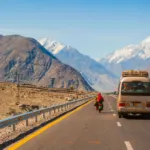
- Road access: Drive the Karakoram Highway from Gilgit through Hunza to Sost, then continue up to the pass. See our Karakoram Highway road trip guide and our Sost border guide.
Best time to visit and weather
The pass is usually accessible from mid-May to October, and wildlife viewing is considered best in the warmer months. Weather can change quickly, and snow can close the road even outside winter. We do not give temperatures, since they vary widely by altitude.
Places to visit and things to do
- Khunjerab Pass: the high border crossing and viewpoint. See our Khunjerab Pass guide.
- Wildlife watching: ibex, marmots and, with luck, Marco Polo sheep; snow leopard sightings are rare.
- Shimshal and Chipursan: nearby valleys within the wider region; see Shimshal Valley.
Photography spots
The pass, open grasslands and alpine slopes give wide shots in clear weather. Keep a respectful distance from wildlife. Do not photograph military or checkpoint areas unless it is clearly allowed.
Where to stay and what to eat
Sost has hotels and simple restaurants, and Passu and Karimabad offer more choice. See our Hunza hotels guide and Hunza food guide. There are no hotels inside the park.
Estimated costs
We do not publish PKR prices we cannot verify. Costs include vehicle hire from Sost or Gilgit, a park entry fee collected at the checkpoint, meals and a hotel. Confirm the current park fee and any registration steps at Sost.
Packing checklist
- Warm layers, windproof jacket, hat and gloves
- Sun protection and sunglasses
- Passport or CNIC for checkpoints
- Water, snacks and a small first-aid kit
- Camera and spare batteries
Travel tips
- Start from Sost early to allow time for checkpoints and weather.
- Check the pass is open before leaving, since closures happen.
- Solo travellers should go with a driver familiar with the road.
- Respect local customs; see our etiquette guide.
Safety tips
- Ascend slowly and read our altitude sickness guide.
- Do not leave the road to chase wildlife.
- Carry ID and follow checkpoint instructions.
- Do not travel in snow or storms without local advice.
Responsible tourism
Stay on the road, carry out all rubbish, do not feed animals and keep noise low. The park supports threatened species and herding communities, so follow ranger guidance.
Emergency contacts
Ask your hotel in Sost or Passu for local emergency contacts and keep them saved. We do not publish a phone list because numbers change.
Possible itinerary
- Day 1: Travel from Hunza to Sost and rest.
- Day 2: Early drive to Khunjerab Pass, wildlife watching and return to Sost.
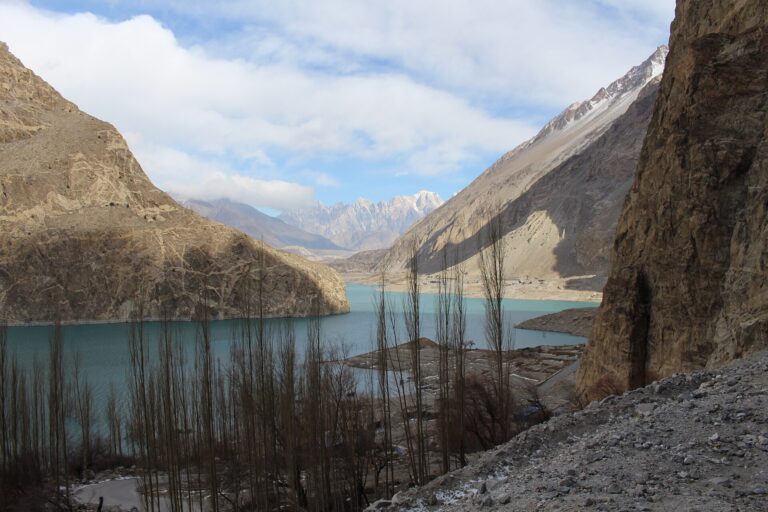
- Day 3: Visit Passu and Attabad Lake on the way back.
Frequently asked questions
When was Khunjerab National Park established?
In 1975, mainly to protect the Marco Polo sheep.
What animals live in Khunjerab National Park?
Marco Polo sheep, snow leopard, Himalayan ibex, brown bear, Tibetan wolf and golden marmot, among others.
When is Khunjerab Pass open?
Usually mid-May to October, though weather can close it.
How big is Khunjerab National Park?
Sources differ: about 2,269 km2 per the Gilgit-Baltistan Forest Department, and about 4,455 km2 per ICIMOD.
Where should I stay?
Sost is the last town before the pass. There is no lodging inside the park.
Nearby attractions and related guides
Conclusion
A trip to Khunjerab National Park combines wildlife, big mountain scenery and one of the great border roads. Go in the open season, travel slowly and follow park and checkpoint rules.
Sources
- Forest, Wildlife and Environment Department, Gilgit-Baltistan: Khunjerab National Park
- ICIMOD: Khunjerab National Park factsheet
Last reviewed October 2026. Fees, border rules and road conditions change; verify before you travel.