

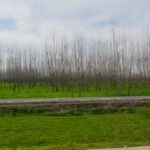











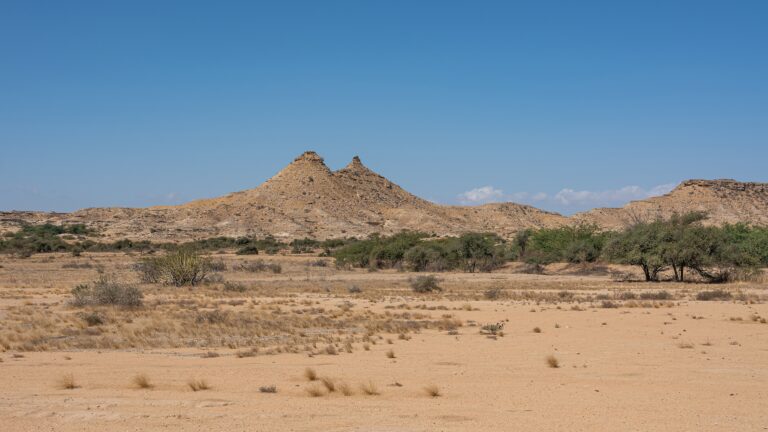
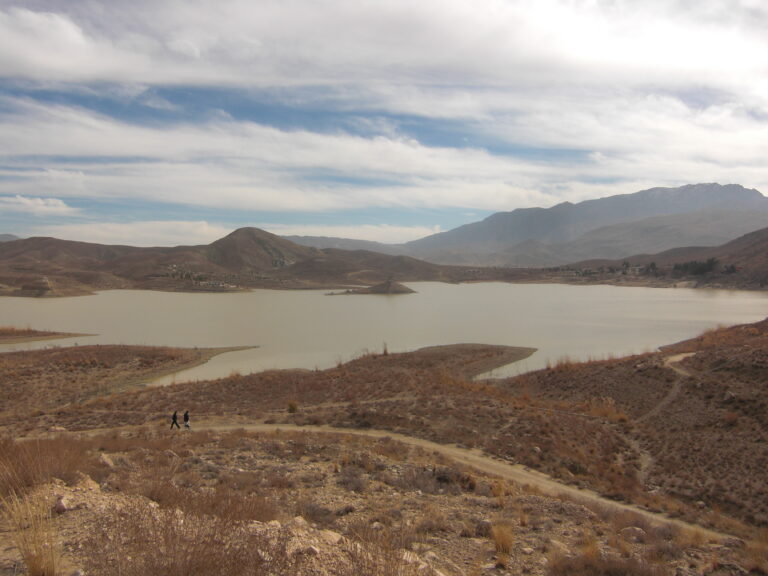

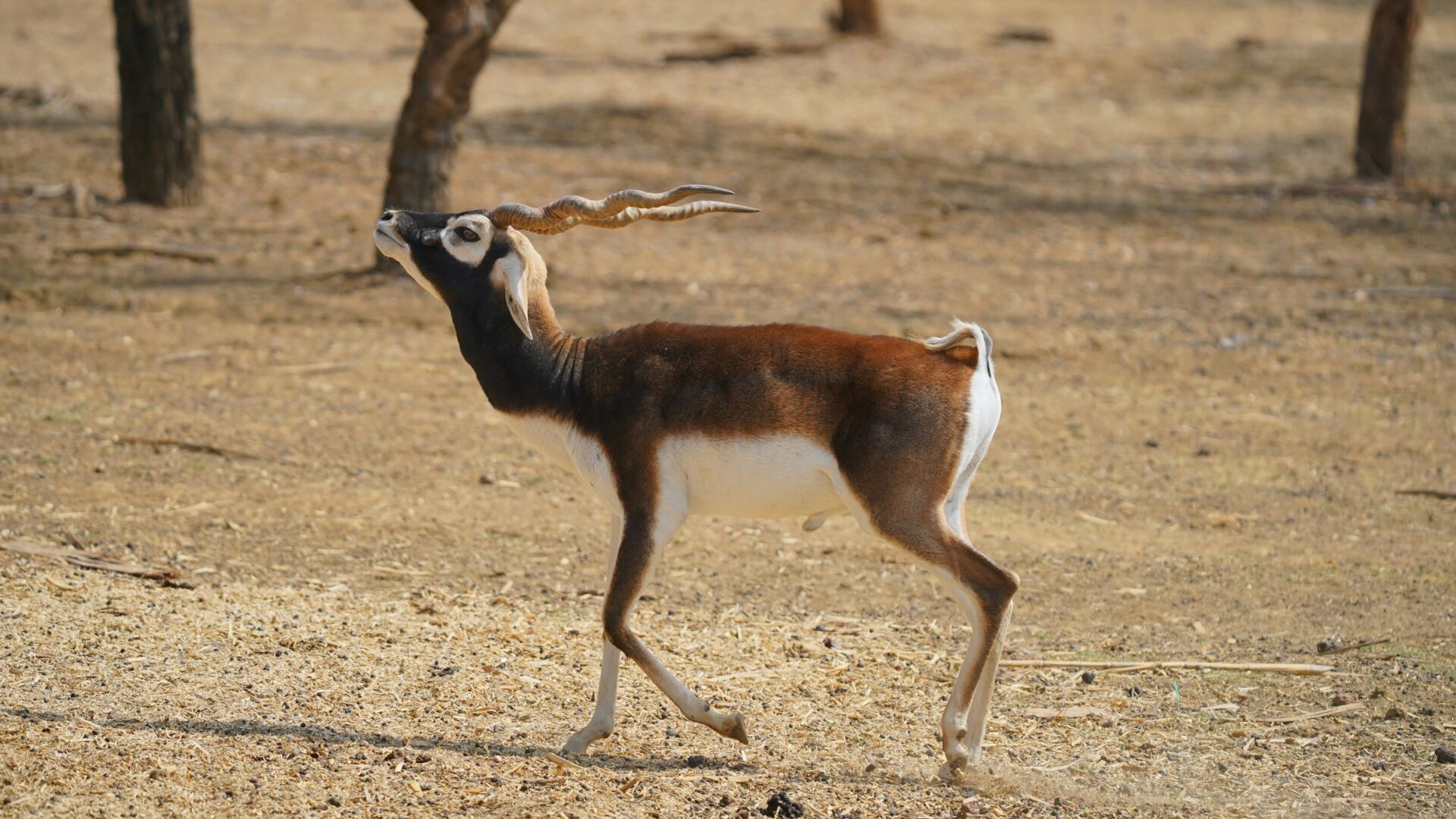
Lal Suhanra National Park sits where south Punjab’s farmland runs out and the Cholistan Desert begins, about 36 km east of Bahawalpur. In one morning you can drive from shaded canal plantations past the blackbuck enclosures to Patisar Lake, which holds 10,000 to 30,000 ducks and coots in midwinter. Last checked: November 2026.
Quick answer: what is Lal Suhanra National Park?
Lal Suhanra National Park is a protected area of 162,568 acres (about 658 sq km) at the edge of the Cholistan Desert, about 36 km east of Bahawalpur. It was declared a national park on 26 October 1972 and became a UNESCO Biosphere Reserve in 1977. It combines sand dunes, irrigated forest plantations and Patisar Lake, and it is best known for its blackbuck breeding enclosures and winter waterbirds. Go between October and March; summer temperatures reach 50°C.
Lal Suhanra National Park quick facts
| Item | Detail |
|---|---|
| Province and district | Punjab, Bahawalpur District |
| Distance from Bahawalpur | About 36 km east |
| Area | 162,568 acres (about 658 sq km) |
| Status | National park from 26 October 1972; UNESCO Biosphere Reserve from 1977 |
| Habitats | Desert dunes, irrigated plantations, Patisar Lake and the dry bed of the Hakra River |
| Managed by | Punjab Wildlife and Parks Department |
| Main wildlife | Blackbuck, chinkara, nilgai, waterbirds and raptors |
| Best months | October to March |
| Languages | Saraiki, Punjabi and Urdu |
Where is Lal Suhanra National Park?
The park lies east of Bahawalpur on both sides of the Desert Branch canal, where the irrigated plains of Punjab give way to the Cholistan Desert. It is crossed by the dried up bed of the Hakra River, the course of an ancient river that once ran through the region. Bahawalpur is the base for every visit; see our Bahawalpur travel guide.
History of the park
The park was declared on 26 October 1972, following the recommendations of the Wildlife Enquiry Committee of 1971. It began with 77,480 acres; the Punjab government added 50,000 acres in 1984 and 35,088 acres in 2000, bringing it to its current size. UNESCO listed it as a Biosphere Reserve in 1977.
Lal Suhanra became widely known for a pair of Indian rhinoceros gifted by the King of Nepal in 1982. Both have since died, the female in January 2019 and the male a month later, so there are no rhinos in the park today, even though some older guides still list them.
How to reach Lal Suhanra National Park
Bahawalpur has an airport with domestic flights and is on the main railway line between Lahore and Karachi. From Bahawalpur city, the park is about 36 km east by road, around 45 minutes to an hour by car. There is little public transport into the park itself, so hire a car or a rickshaw for the day. See our train travel guide and domestic flights guide.
Tickets
Entry is managed by the Punjab Wildlife and Parks Department, which sells tickets for its parks. Fees and opening hours change, so check the department’s website or ask at the gate.
Best time to visit
| Season | Conditions | Verdict |
|---|---|---|
| October to November | Warm days, cooler evenings | Good for driving and walking |
| December to February | Cool to cold, foggy mornings possible | Best for waterbirds at Patisar Lake |
| March | Warming up | Good early and late in the day |
| April to September | Extreme heat, up to about 50°C | Avoid, or visit only at dawn |
Winter fog can slow the drive from Bahawalpur, so read our fog season safety guide if you travel in December or January.
Weather
This is one of the hottest and driest parts of Pakistan, with summer temperatures around 50°C, winter nights near or below freezing and very little rain. Dust storms are possible in the hot months.
What to see in Lal Suhanra National Park
Blackbuck and chinkara
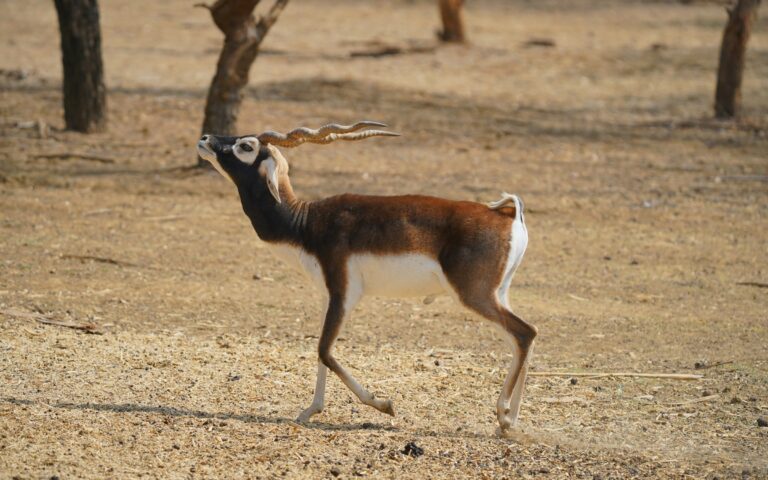
Blackbuck had all but disappeared from the wild in Pakistan, and Lal Suhanra became the main centre for bringing them back. They are bred in large enclosures alongside chinkara gazelle, and visitors can watch the herds from the tracks. The enclosures are the most reliable place in the park to see large mammals.
Patisar Lake
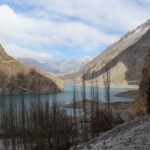
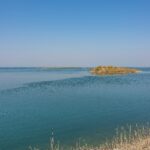
Patisar Lake sits in the centre of the park and is the best place for birdwatching. In midwinter it regularly holds between 10,000 and 30,000 ducks and coots, making it one of the most important wetlands in south Punjab.
Desert, forest and lake in one park
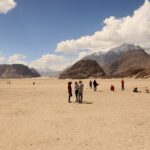
Within a short drive you move from shady irrigated plantations to open desert with dunes 1 to 6 metres high and then to the lake. Few places in Pakistan show the contrast between farmland and desert so clearly.
Visitor area
The park has a recreation area, a breeding centre and enclosures for other animals, including a lion safari area. Facilities change over time, so ask at the gate which sections are open.
Things to do
- Drive the tracks past the blackbuck enclosures in the early morning.
- Spend an hour at Patisar Lake with binoculars in winter.
- Walk into the dunes at sunset for desert views.
- Picnic in the shaded plantation area with family.
- Combine the park with Bahawalpur’s palaces in a two day trip.
Photography spots
Patisar Lake at sunrise in winter is the standout scene, with birds on the water and mist over the reeds. The dunes give clean desert shots in low evening light. Use a long lens at the enclosures and keep behind the fences.
Where to stay
Most visitors stay in Bahawalpur and drive to the park for the day. The city has hotels in a range of budgets. Ask the Punjab Wildlife and Parks Department about any rest house or motel inside the park, as availability changes.
What to eat
Bring water and snacks, especially in the warmer months; food options in the park are limited. In Bahawalpur, try local Saraiki dishes and the sweets sold in the old bazaars. Our Pakistani desserts guide covers the sweets of the region.
Getting around
A car is the easiest way to move between the plantations, enclosures and lake. Distances inside the park are long and there is little shade away from the forest, so walking is best kept to short stretches.
Estimated costs
We have not verified current entry fees or car hire rates. Budget for:
- A car or rickshaw from Bahawalpur for the day
- Park entry and any safari or enclosure tickets
- Water, snacks and fuel
- Hotel nights in Bahawalpur
Packing checklist
- Plenty of water and electrolyte drinks
- Sun hat, sunglasses and sunscreen
- A warm jacket for winter mornings
- Binoculars and a zoom lens
- Closed shoes for sand and scrub
Travel tips
- Arrive early: animals are most active and the light is best in the first hours.
- Visit Patisar Lake between December and February for waterbirds.
- Check which enclosures are open on the day of your visit.
- Carry cash; card payment may not be available.
Safety tips
- Avoid the middle of the day for most of the year.
- Drive slowly on winter mornings.
- Stay outside enclosure fences and never feed animals.
- Do not wander far into the desert without a guide.
Responsible tourism
Take all rubbish back to Bahawalpur, keep noise down near the enclosures and the lake, and stay on marked tracks. Disturbance at Patisar Lake can drive birds away for the whole season.
Emergency contacts
Rescue 1122 and police 15 are the standard emergency numbers in Punjab. Bahawalpur has the nearest hospitals.
Nearby attractions
Suggested 2 day plan from Bahawalpur
Day 1: Lal Suhanra
- Leave Bahawalpur at sunrise and drive about 36 km to the park.
- Visit the blackbuck enclosures and the plantation area in the morning.
- Spend the late afternoon at Patisar Lake and the dunes.
Day 2: Bahawalpur or Derawar
- See Noor Mahal and the city’s palaces, or drive into Cholistan to Derawar Fort.
Frequently asked questions
How far is Lal Suhanra National Park from Bahawalpur?
About 36 km east of the city, roughly an hour by road.
Are there rhinos in Lal Suhanra National Park?
No. The pair gifted by Nepal in 1982 both died in early 2019.
When was Lal Suhanra National Park established?
It was declared a national park on 26 October 1972 and became a UNESCO Biosphere Reserve in 1977.
What is the best time to visit Lal Suhanra National Park?
October to March, with December to February best for birds at Patisar Lake.
What animals can I see at Lal Suhanra National Park?
Blackbuck and chinkara in the breeding enclosures, nilgai, and large numbers of waterbirds in winter.
Is there an entry fee for Lal Suhanra National Park?
Tickets are sold by the Punjab Wildlife and Parks Department. Check the current rates before you go.
Conclusion
Lal Suhanra is at its best on a winter morning, when the blackbuck are active and Patisar Lake is full of birds. From April to September, go at dawn or not at all.
Sources
- UNESCO: Lal Suhanra Biosphere Reserve
- Express Tribune: Male rhino dies at Laal Suhanra National Park