






Pakistan is a welcoming country for visitors, and a little cultural awareness goes a long way. Hospitality is central to daily life, customs vary by region, and most people are happy to guide you if you are unsure. This guide to cultural etiquette in Pakistan covers greetings, dress, mosques and shrines, photography, dining, Ramadan and everyday manners, so you can travel respectfully and avoid common missteps. Customs differ between cities, villages and valleys, so treat this as a general guide and follow local cues.
Quick answer: what are the most important etiquette rules?
Dress modestly, greet politely, ask before photographing people, remove your shoes when entering a mosque or home, and use your right hand for eating and passing things. Be discreet about eating and drinking in public during Ramadan daylight hours, and avoid public displays of affection. If you are not sure what is expected, watch what locals do or simply ask.
Greetings and social manners
The standard greeting is “Assalam-o-alaikum”, answered with “Wa alaikum assalam”. Among men, handshakes are common, often followed by a hand on the chest as a sign of respect. Between men and women, many people avoid physical contact, especially in conservative areas, so let the other person offer a handshake first, or simply nod and greet verbally. Use titles and polite forms with elders, and expect a few questions about your family, country and travels, which are usually a sign of friendliness rather than intrusion. Our guide to common Urdu phrases for travelers has the key greetings.
Dress etiquette
Modest clothing is the safest approach everywhere. Men should wear long trousers in most settings, and women are generally more comfortable in loose clothing that covers the shoulders, arms and legs, with a scarf or dupatta that can cover the head when needed. Cities such as Karachi, Lahore and Islamabad are more relaxed than rural and mountain areas, but modest dress is respected everywhere. See our guide on what to wear in Pakistan for season-by-season advice.
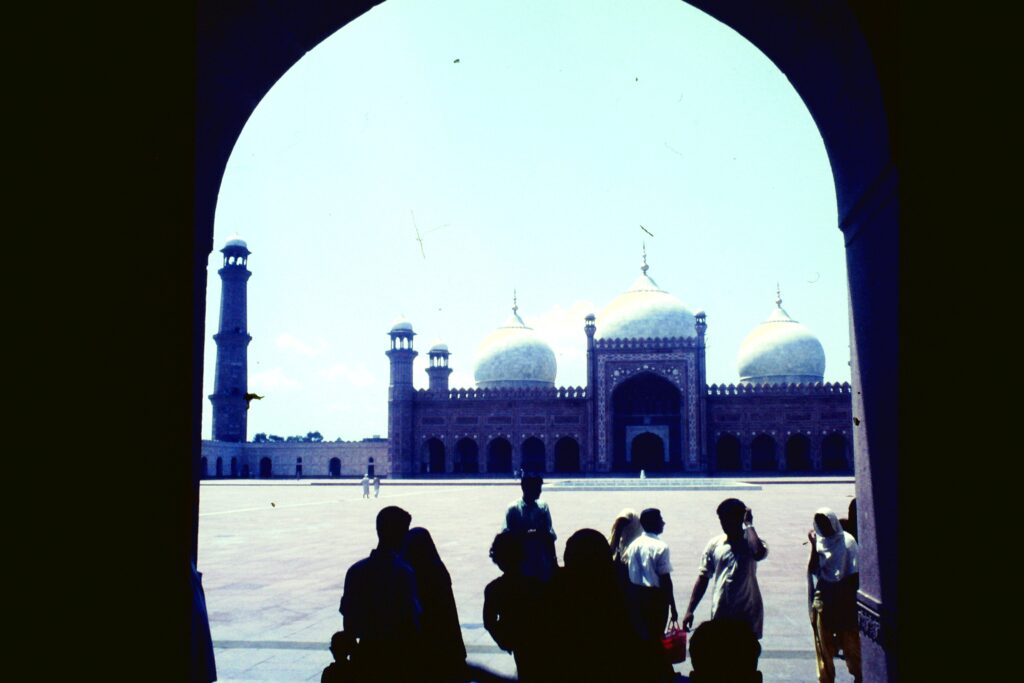
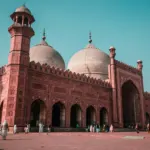
Mosque etiquette
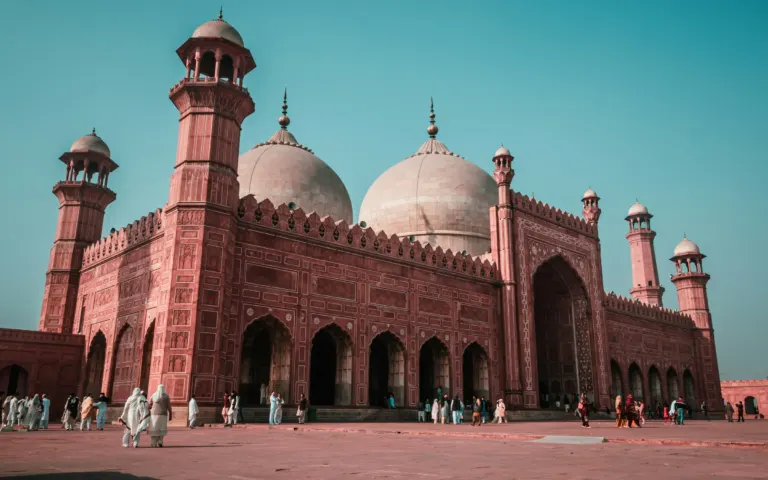
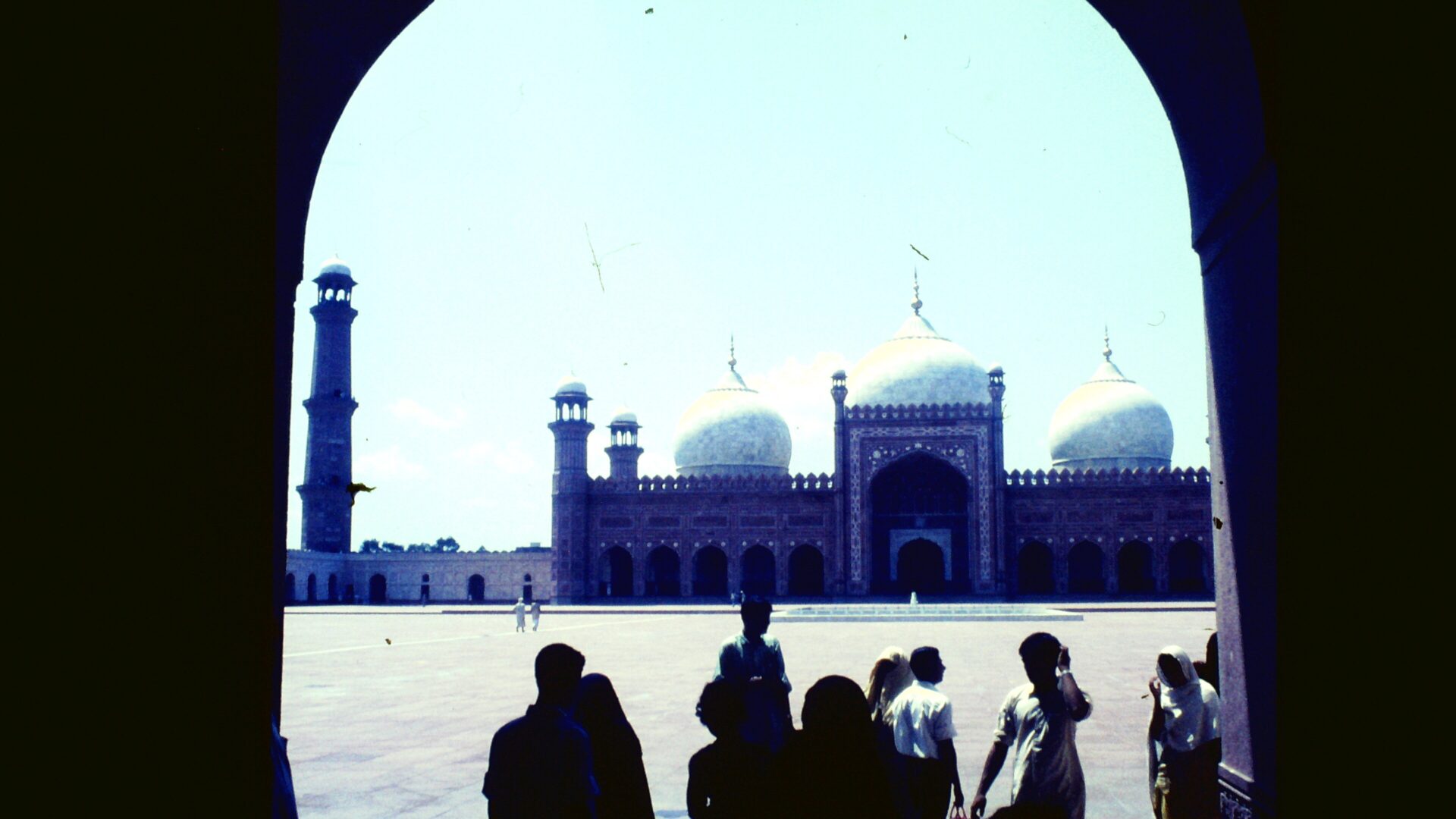
- Remove your shoes before entering prayer areas and walk quietly.
- Dress modestly; women should cover their heads, and everyone should cover shoulders and legs.
- Avoid visiting during congregational prayer times unless you are invited, and do not walk in front of people who are praying.
- Keep your voice low, turn off your phone and avoid pointing your feet toward the prayer direction.
- Some mosques have separate areas or hours for visitors, so ask a caretaker if you are unsure.
Shrines and religious sites
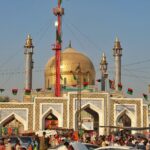
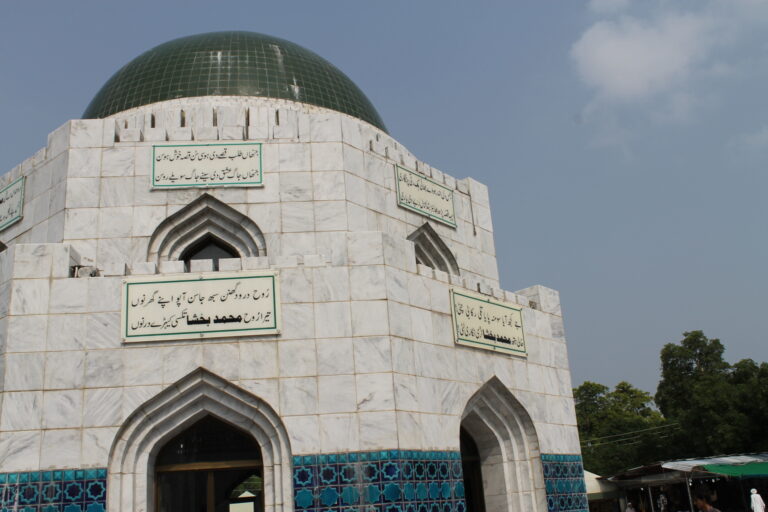
Shrines are active places of worship, and many visitors come to pray. Cover your head, remove your shoes, speak quietly and follow the lead of devotees. Men and women often use separate areas at some shrines. Ask before taking photographs, especially of worshippers. For more context, read our guide to Sufi shrines in Pakistan.
Photography etiquette
Always ask before photographing people, particularly women and families, and respect a polite no. Avoid photographing military sites, checkpoints and security personnel, and follow any signs you see. Do not photograph people at prayer or in private moments, and share the photograph or a small thank-you if you promised to. Drone use has its own rules, so check current regulations before you fly one.
Dining and hospitality
Being invited for tea or a meal is common, and accepting is a kind gesture. Eat with your right hand or a spoon, wait to be invited to start and try a little of everything offered. Refusing food repeatedly can seem impolite, so politely accept a small amount if you cannot finish. Pork is not widely eaten, and alcohol is restricted and not widely available. If you are a guest in a home, bring a small gift such as sweets or fruit. Read more about local dishes in our food guides, and see our advice on street food safety.
Ramadan and religious festivals
During Ramadan, many people fast from dawn to sunset, and some restaurants close or reduce service during the day. Be discreet about eating, drinking and smoking in public during fasting hours. Around Eid, shops and transport can be crowded or closed, so plan ahead. The date of Ramadan and Eid shifts each year, so check the current calendar before you book.
Everyday manners
- Use your right hand for giving, receiving and eating.
- Avoid public displays of affection between couples.
- Be careful when discussing religion and politics; listen more than you argue.
- Do not point your feet at people or sit with the soles of your feet toward others.
- Many shops close briefly around Friday midday prayers, so plan around them.
- Bargain politely in bazaars, and accept that fixed-price shops and restaurants do not negotiate.
- Tipping is appreciated for good service, but there is no fixed rule, so use your judgement.
Etiquette for women travelers
Women travellers often receive extra courtesy and help from families and shopkeepers. Dress modestly, expect curious looks in some places and consider using women-only seating where it is available. Our guides to solo travel safety and tips for solo female travelers add practical detail.
Responsible tourism
Support local guesthouses, restaurants and guides, and ask permission before entering villages or private land. Do not leave rubbish at heritage sites or in mountain areas, and avoid giving money directly to children, which can encourage begging. Learn a few phrases and treat every interaction as a chance to build goodwill.
Frequently asked questions
What should I wear in Pakistan as a tourist?
Dress modestly in loose clothing that covers shoulders and legs, and carry a scarf for mosques and shrines.
Can non-Muslims enter mosques in Pakistan?
Many historic mosques welcome visitors, but rules vary. Dress modestly, remove your shoes and ask the caretaker if you are unsure.
Is it okay to take photos of people in Pakistan?
Ask permission first, especially with women and families. Do not photograph military sites or security personnel.
How should men and women greet each other?
Many people avoid physical contact between men and women, so wait for the other person to offer a handshake or greet verbally.
Can I eat in public during Ramadan?
Be discreet during fasting hours and eat in hotels or places that serve visitors.
Conclusion
Cultural etiquette in Pakistan comes down to respect, modesty and a willingness to ask. Greet warmly, dress sensibly, ask before taking photographs and accept hospitality graciously, and you will find that most people respond in kind.