








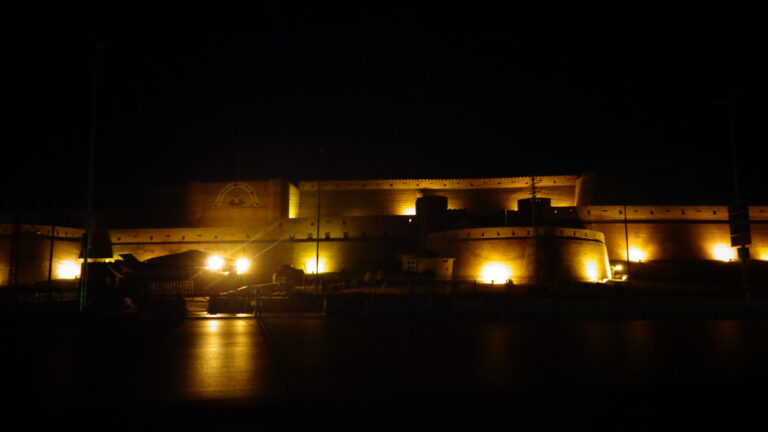
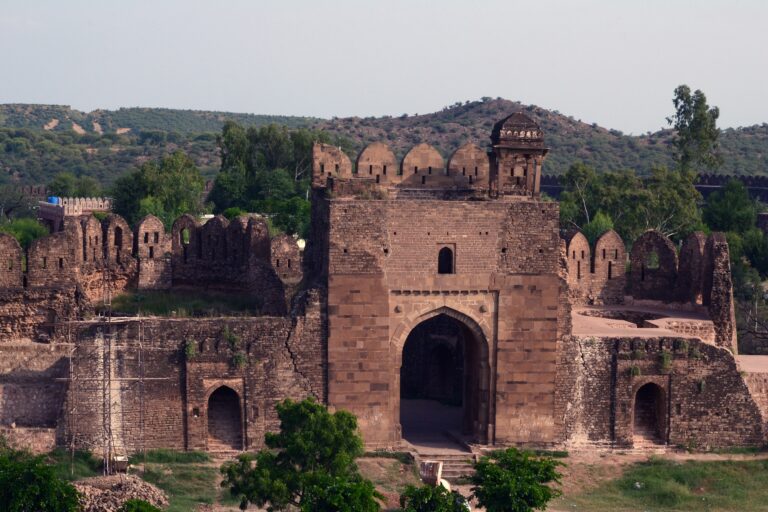

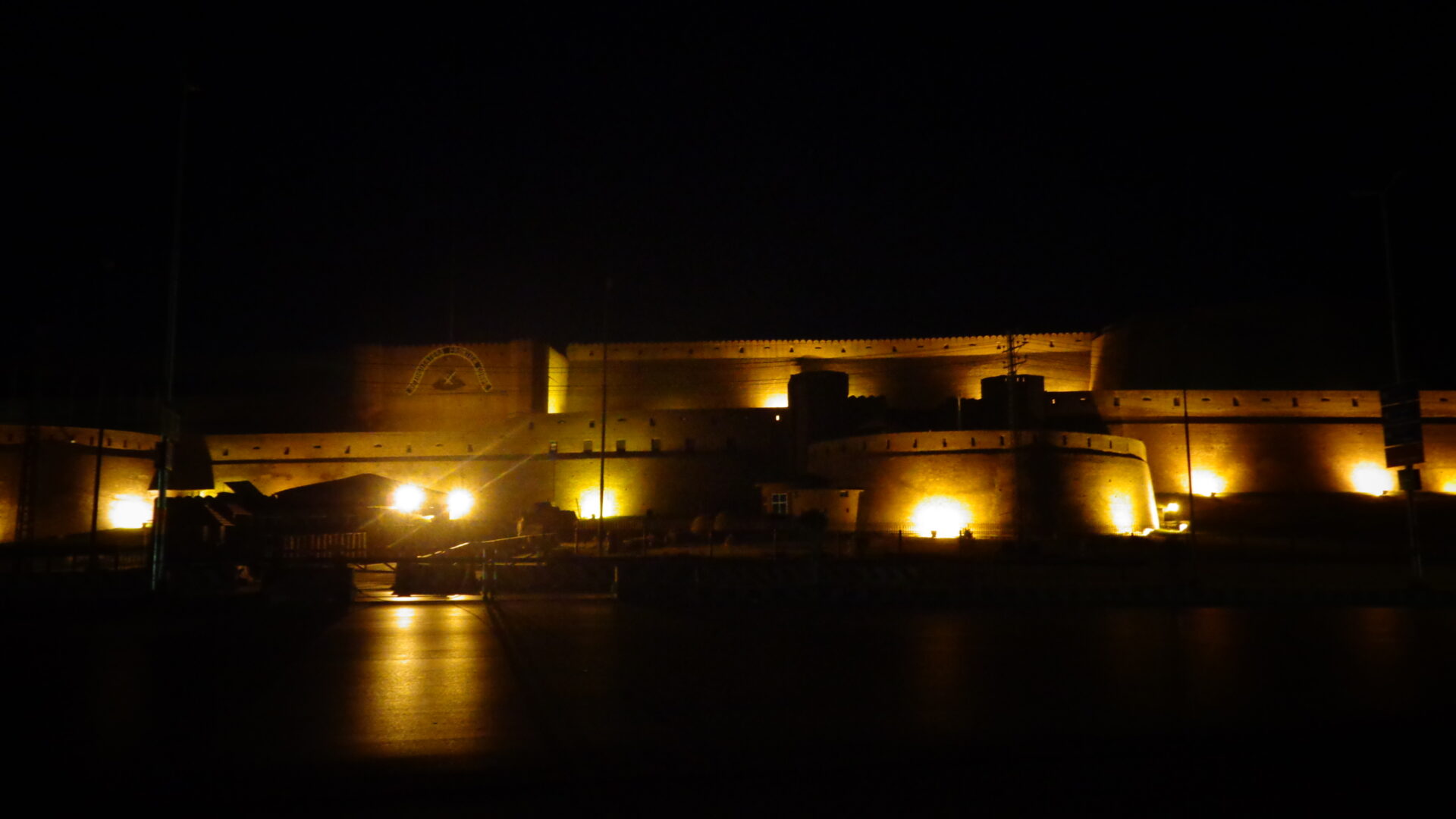
Bala Hisar Fort stands on a high mound at the north-western edge of Peshawar, and it is one of the oldest and most recognisable landmarks in Khyber Pakhtunkhwa. It is also a working military site, which makes it different from most forts on this website. This Bala Hisar Fort guide explains its history, what access is realistically possible, what to see around it and how to fit it into a Peshawar trip. Last checked: October 2026. Access rules for the fort can change without notice, so confirm before you travel.
Quick answer: can tourists visit Bala Hisar Fort?
Not casually. The fort has been the headquarters of the Frontier Corps since 1948, and the public cannot simply walk in. Reports from earlier years described parts of the fort opening to visitors on weekends, and in August 2026 a group of university students on an organised programme was taken through the fort and its museum. In practice, treat an interior visit as something that needs prior arrangement. The walls and mound are still worth seeing from outside as part of a Peshawar heritage day.
Bala Hisar Fort quick facts
| Detail | Bala Hisar Fort |
|---|---|
| Location | North-western edge of Peshawar city, Khyber Pakhtunkhwa |
| Meaning of the name | “High fort” (Dari Persian) |
| Earlier names | Samir Garh (Sikh period) |
| Current use | Frontier Corps headquarters, with a small museum inside |
| Public access | Limited; by arrangement only |
| Best months | October to March |
| Time needed | 30 to 60 minutes for the exterior; longer if you combine it with the Old City |
Where is Bala Hisar Fort?
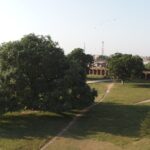
The fort sits on a raised mound on the western side of Peshawar, close to the Old City. It was once clearly separate from the city, but later building has filled the gap. The height gives it a commanding view over Peshawar and the wider valley, and it faces west towards the Khyber Pass route that shaped the city’s history.
History of Bala Hisar Fort
Bala Hisar is one of the oldest fortified sites in the Peshawar valley, though the dates depend on the source. The Chinese pilgrim Hiuen Tsang, who visited Peshawar around 630 AD, described a royal residence that historians such as Ahmad Hasan Dani have linked to this mound. Some accounts, citing the Mughal chronicler Abul Fazl, credit Babur with rebuilding the fort in 1526.
The name Bala Hisar came with the Afghan Durrani rulers, who used the fort as a royal residence and winter base in the early nineteenth century. The Sikhs destroyed the Afghan royal court, rebuilt the fort in mud in the 1830s and briefly called it Samir Garh. After the British took control, the walls were rebuilt in red brick, and the fort later became a military site. It has housed the Frontier Corps since 1948. One wall collapsed in the October 2015 earthquake and was later reconstructed.
How to reach Bala Hisar Fort
Nearest airport
Bacha Khan International Airport serves Peshawar. Confirm current airline schedules directly with the airlines.
Nearest railway station
Peshawar is the western end of the main Pakistan Railways line from Lahore and Rawalpindi. Check the station and train timetable with Pakistan Railways before travelling.
Road access
Peshawar is connected to Islamabad and Rawalpindi by the motorway and the older Grand Trunk Road. Inside the city, ride-hailing services, taxis and rickshaws are the easiest way to reach the fort area. Ask your driver to take you to the Bala Hisar area and agree the fare first.
Best time to visit and weather
October to March is the most comfortable period for walking around Peshawar. Summer afternoons are very hot, so plan outdoor sightseeing for the early morning or late afternoon. Check the local forecast before you go, because winter evenings can be cool and monsoon rain can disrupt plans.
What to see at and around Bala Hisar
- The walls and mound: the brick ramparts are the main visible feature from outside, and the elevation explains why the site mattered for centuries.
- The Frontier Corps museum: inside the fort, with uniforms and weapons used by local units over time. It is reachable only when an official visit is arranged.
- Ramparts viewpoint: visitors who have been admitted describe wide views over Peshawar, but this depends on access on the day.
Nearby heritage sites
The Old City is a short ride away. Mahabat Khan Mosque, built in 1630 under the Mughal governor of Peshawar, is among the finest in the city. The Peshawar Museum holds a large collection of Gandharan art, and Gor Khatri, an old caravanserai complex, is also nearby. For wider context, our Peshawar travel guide covers more of the city.
Things to do and photography
The best plan is a half-day heritage walk that combines the fort exterior with the Old City, a stop at Mahabat Khan Mosque and a meal in the bazaar area. For photography, the mound and walls are best in soft morning or late-afternoon light. Because this is a military site, do not photograph soldiers, checkpoints or security installations, and follow any instruction from personnel. If you are unsure, ask first.
Where to stay and what to eat
Most visitors stay in the University Town, Cantonment or Hayatabad areas and travel into the Old City for the day. Hotel prices and availability change often, so check current options with the hotels directly. Peshawar is known for chapli kebab, charsi tikka, kahwa and fresh bread; see our Peshawari food guide for what to try.
Estimated costs
No public ticket price for the fort is confirmed, because access is not run as a regular tourist attraction. For planning, budget separately for local transport (agree rickshaw or taxi fares in advance), meals and any guide you hire. Prices change, so treat any figure you hear as a starting point and confirm locally.
Packing checklist
- Modest clothing that covers shoulders and knees
- Comfortable walking shoes for uneven Old City streets
- Original ID or passport and a photocopy
- Sun protection, water and a light layer for evenings
- Power bank and a charged phone
Travel tips and safety tips
- Ask about access before you go, through a local tour operator or the relevant authorities.
- Carry ID at all times, as security checks are routine in Peshawar.
- Dress modestly and be respectful in the Old City and at mosques.
- Ask permission before photographing people, especially women and families.
- Go in daylight and keep to busy, well-travelled areas.
- Check current local conditions before arriving, and be ready to adjust the plan.
Responsible tourism
Respect restrictions around the fort, keep the Old City clean, buy from local shops and hire local guides where possible. Do not climb on historic walls or remove anything from heritage sites.
Emergency contacts
Police: 15. Rescue 1122 (ambulance and emergency rescue). Save the number of your hotel and a trusted local contact in your phone.
Nearby attractions
Beyond the Old City, Takht-i-Bahi and Taxila are good heritage day trips from Peshawar, and the Khyber Pass route is a popular excursion that needs current local advice before you plan it.
Possible half-day itinerary
- Morning: view the walls and mound of Bala Hisar Fort from the road.
- Mid-morning: Peshawar Museum and its Gandharan collection.
- Midday: Mahabat Khan Mosque and the Old City bazaars.
- Lunch: chapli kebab or charsi tikka at a busy local restaurant.
- Afternoon: Gor Khatri and a slow walk through the bazaar area.
Frequently asked questions
Can I visit Bala Hisar Fort?
Access is limited because the fort is a Frontier Corps headquarters. Treat a visit as something to arrange in advance, and enjoy the walls from outside if you cannot go in.
Who built Bala Hisar Fort?
There is no single builder. The site is very old, was rebuilt by successive rulers including the Mughals, Durranis, Sikhs and British, and its current brick walls date from the British period.
What does Bala Hisar mean?
It is a Dari Persian name meaning “high fort”.
Is there a museum inside Bala Hisar Fort?
Yes. A small Frontier Corps museum inside displays uniforms and weapons, but it can only be seen when a visit is permitted.
What is the best time to visit Peshawar?
October to March is the most comfortable period.
Conclusion
Bala Hisar Fort is best understood as a landmark you see and learn about rather than a ticketed attraction. Plan around the Old City, check access in advance and confirm current conditions before you go. Combined with the museum, mosque and bazaars, it makes a rewarding heritage day in Peshawar.
Sources and official information
See the APP report on the history of Bala Hisar and the Radio Pakistan report on the August 2026 visit.