









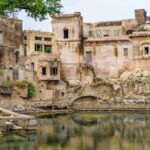
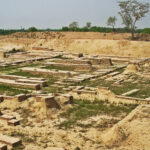
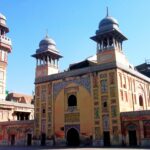
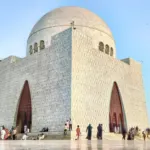










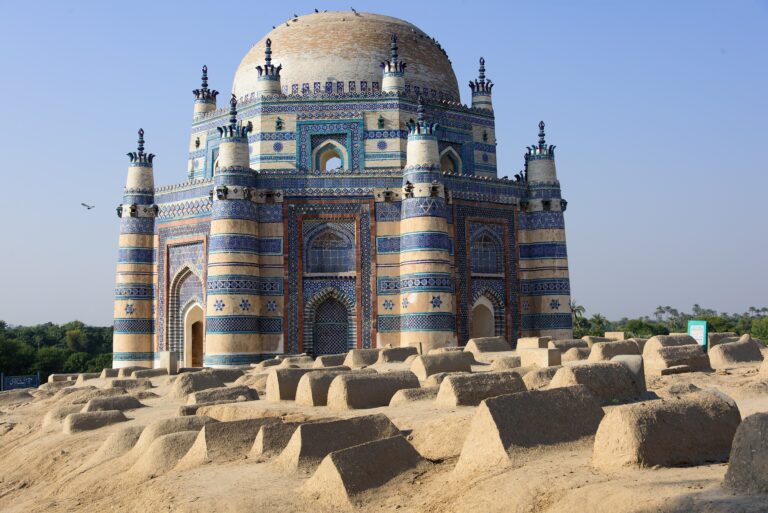
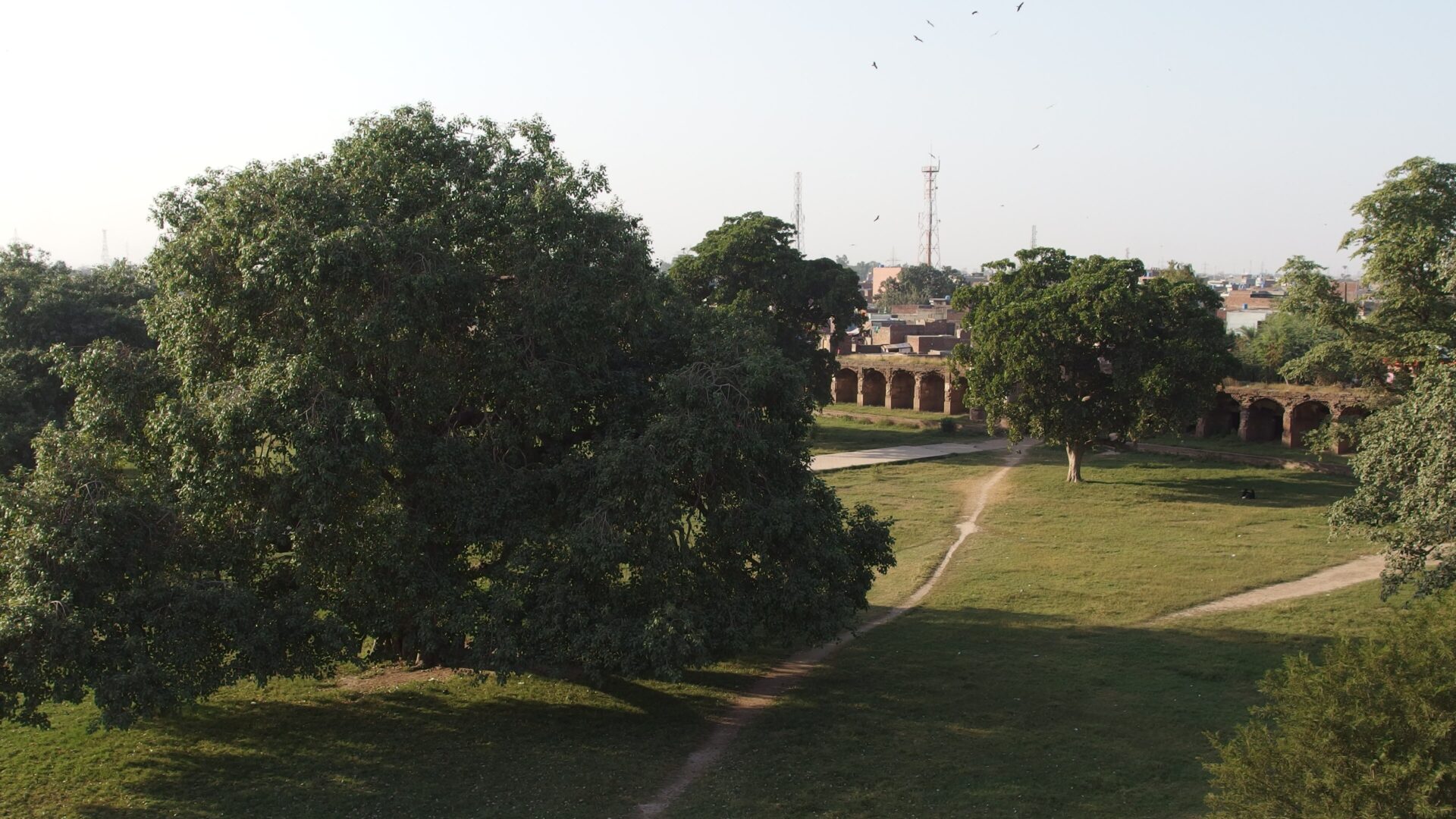
The Tomb of Jahangir lies in Shahdara Bagh on the western bank of the Ravi River, north-west of Lahore’s Walled City. It is the resting place of the fourth Mughal emperor, set in a large garden with red sandstone walls inlaid with white marble, and it is often overlooked by visitors who stop at Lahore Fort and the Badshahi Mosque.
This guide covers the history, the layout of the complex, what to look for and what to check before visiting.
Quick Answer
The Tomb of Jahangir was begun in 1627 and completed in 1637, at a cost reported as Rs 10 lakh. Jahangir’s son Shah Jahan ordered it built. It stands in a Persian char-bagh garden about 500 metres on each side, with four octagonal minarets rising to about 30 metres. The complex also includes the Akbari Sarai and the tombs of Asif Khan and Nur Jahan. Ticket prices and hours could not be confirmed, so check locally.
Quick Facts
| Location | Shahdara Bagh, west bank of the Ravi, Lahore |
| Built | 1627 to 1637, ordered by Shah Jahan |
| Garden | Char-bagh quadrangle about 500 m per side |
| Minarets | Four octagonal, about 100 feet (30 m) |
| Materials | Red sandstone with white marble inlay and pietra dura |
| Heritage status | UNESCO Tentative List since 1993 |
| Hours and tickets | Not confirmed; check locally |
History
The site was originally the Dilkusha Garden, laid out in 1557. Jahangir’s tomb was built over about ten years, from 1627 to 1637. Shah Jahan ordered its construction.
The complex has had a difficult history. Under Sikh rule, Ranjit Singh’s army pillaged it, and building materials were taken for the Golden Temple in Amritsar. Under the British, a railway line was built between the tombs of Asif Khan and Nur Jahan.
What You Can See
- The tomb. A square single-storey plinth about 22 feet tall, with a red sandstone facade inlaid with white marble motifs, and pietra dura work on the cenotaph and minaret bases.
- The minarets. Four octagonal minarets, about 100 feet tall.
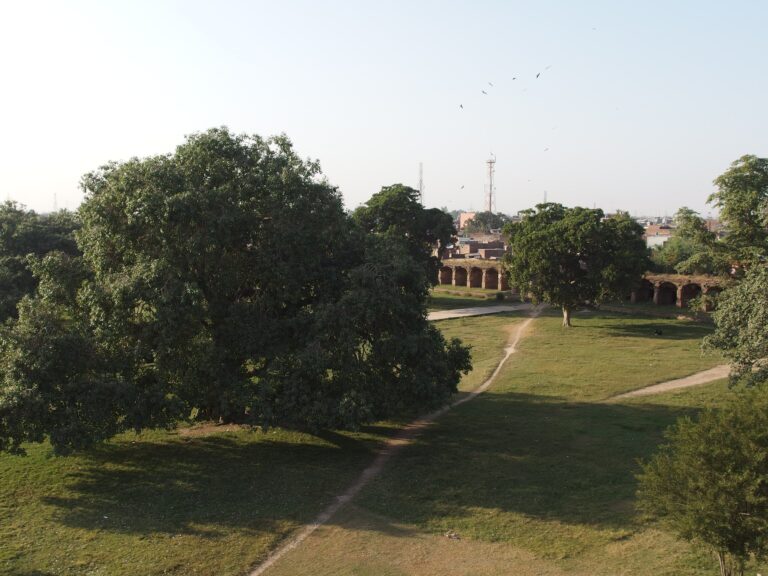
- The Akbari Sarai. A caravanserai built in 1637 immediately west of the tomb. The entry to the complex runs through it.
- Tomb of Asif Khan. Built in 1645, immediately west of the Akbari Sarai.
- Tomb of Nur Jahan. Slightly southwest of Asif Khan’s tomb.
How to Reach It
Shahdara Bagh is north-west of the Walled City, across the Ravi from the main city centre. Traffic can be heavy, so allow extra time. Our Lahore guide and the top historical places in Lahore help you slot it into a longer plan.
Tickets and Hours
Current ticket prices and opening hours could not be confirmed from a reliable source. Ask your hotel or check with the Punjab Archaeology Department.
Visitor Tips
- Dress modestly, since the tomb is a respected monument.
- Go in the cooler months, roughly October to March.
- Bring water, as the garden is large and open.
- Combine the visit with Lahore Fort and Shalamar Gardens on a Mughal Lahore day.
FAQs
Where is the Tomb of Jahangir?
In Shahdara Bagh, on the west bank of the Ravi, north-west of Lahore’s Walled City.
When was it built?
Between 1627 and 1637.
Is it a UNESCO site?
It has been on UNESCO’s Tentative List since 1993 but is not inscribed.
What else is in the complex?
The Akbari Sarai and the tombs of Asif Khan and Nur Jahan.
Conclusion
The Tomb of Jahangir adds a quieter chapter to a Mughal day in Lahore. Allow time to walk through the Akbari Sarai and the garden, and confirm hours before you set out.