


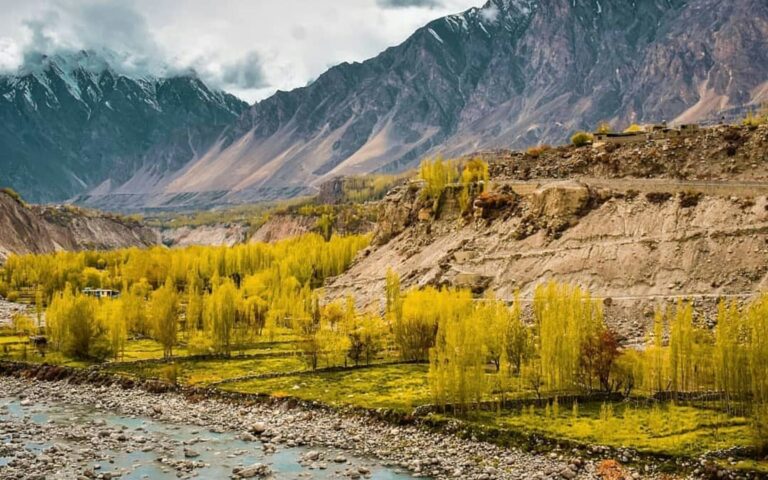
Fairy Meadows vs Deosai Plains is a common question for travelers building a Gilgit-Baltistan itinerary. The honest answer is that they’re different enough experiences that many travelers do both on the same trip. Here’s what actually separates them.
Fairy Meadows vs Deosai Plains at a glance
The table in the next section covers landscape, elevation and season. This one adds the practical points that decide most trips.
| Fairy Meadows | Deosai Plains | |
|---|---|---|
| Starting point | Raikot Bridge on the Karakoram Highway, about 80 km south of Gilgit | Skardu or Astore side |
| How you get there | Jeep track, then a hike to the meadow | 4×4 drive across the plateau |
| Physical effort | Moderate, because of the hike with your bags | Low walking effort, but very high altitude |
| Altitude risk | Moderate at about 3,300 m | Higher at about 4,114 m; plan to acclimatise |
| Where you sleep | Log cabins or camping at the meadow | Camping only on the plateau; hotels in Skardu or Astore |
| Best for | Close views of Nanga Parbat | Open plateau, wildlife and big skies |
| Suggested stay (our suggestion) | 1 to 2 nights | A long day trip, or 1 night camping |
Neither place suits a regular car. If you plan to do both, read our guides to Fairy Meadows and Deosai National Park, and our altitude sickness guide before you go.
Fairy Meadows vs Deosai Plains: the core difference
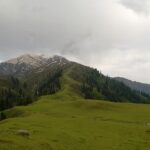
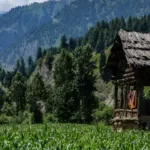
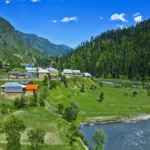
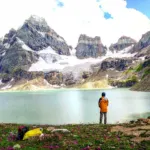
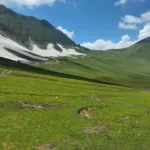
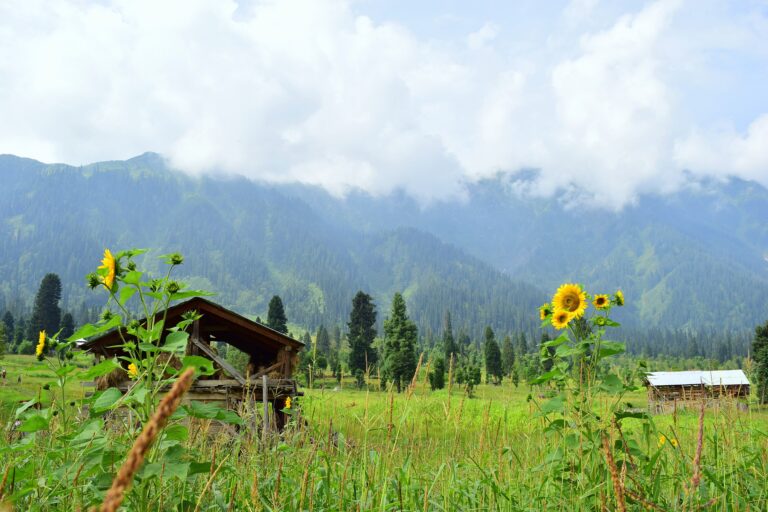
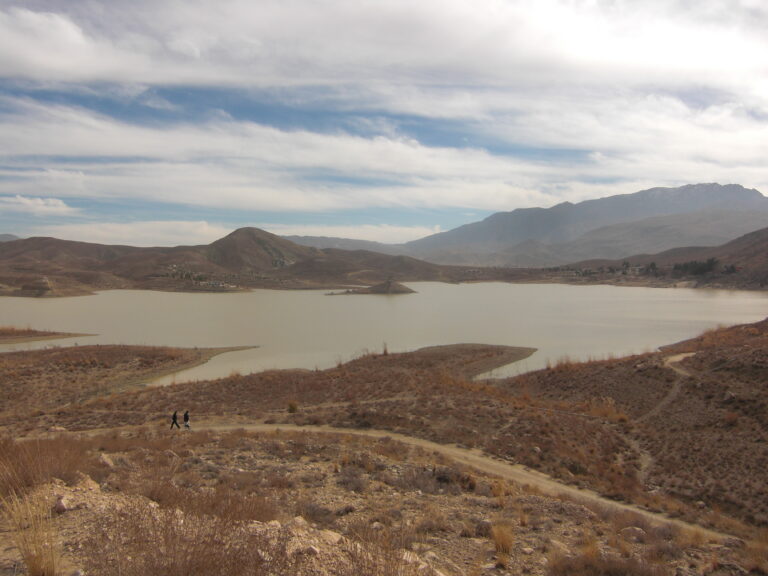
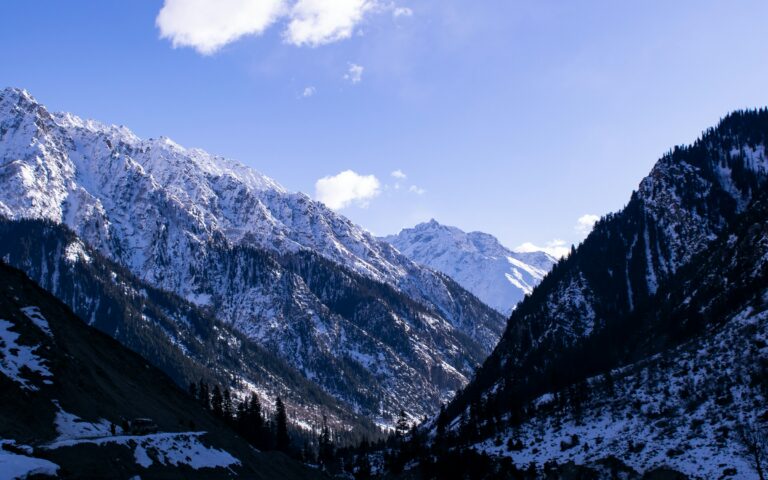
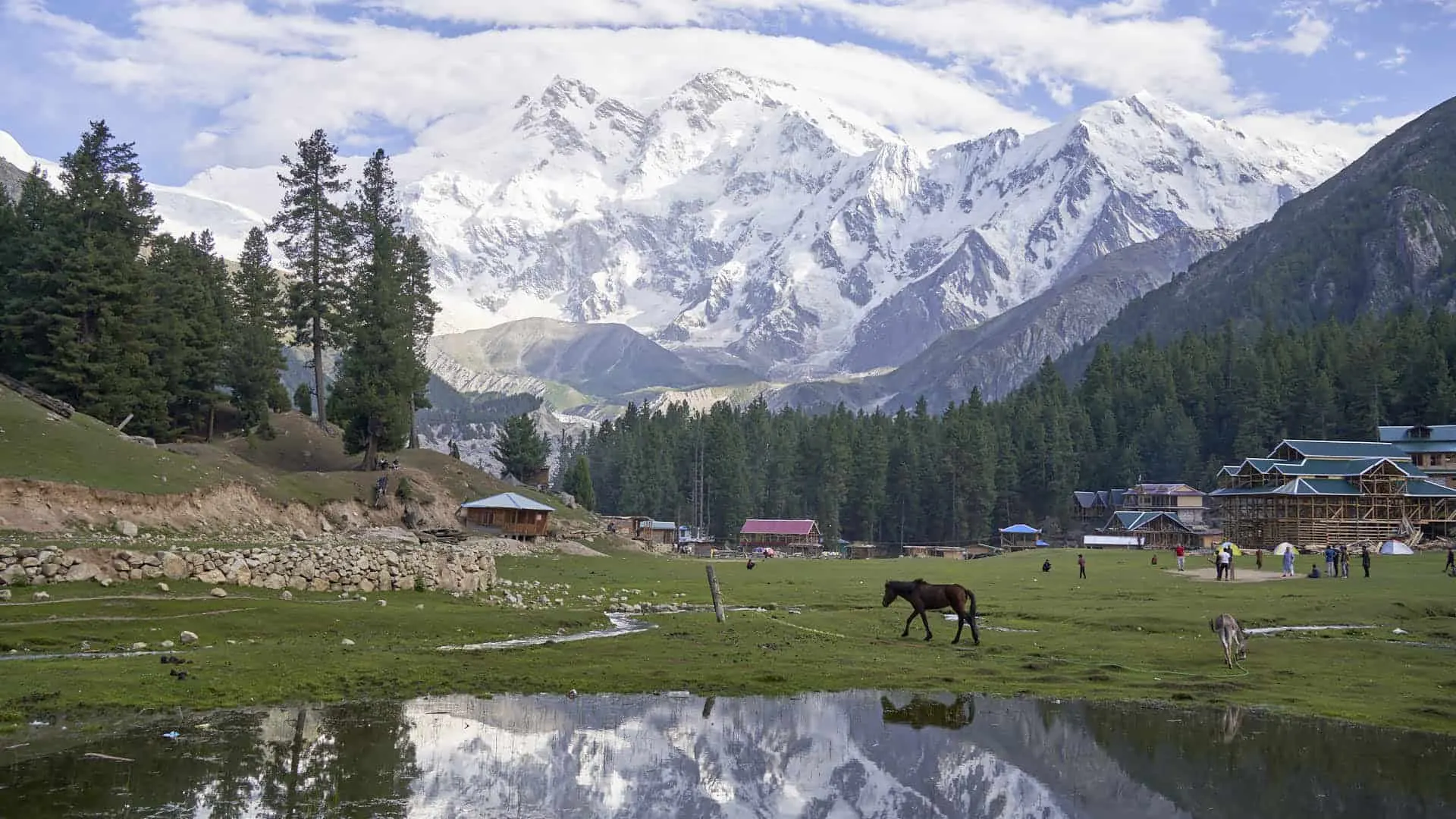
Fairy Meadows is an intimate forest meadow at 3,300 meters. It delivers the closest accessible view of an 8,000-meter peak anywhere in Pakistan without a multi-day expedition. Nanga Parbat rises directly above it. Deosai is the opposite kind of landscape entirely. It’s a vast, open, treeless plateau at 4,114 meters, where the sky feels bigger than the mountains.
| Fairy Meadows | Deosai Plains | |
|---|---|---|
| Landscape | Forested meadow beneath Nanga Parbat | Open, treeless high plateau |
| Elevation | 3,300 meters | 4,114 meters |
| District | Diamer | Between Skardu and Astore |
| Season | April to September | Late June to September (narrower window) |
Access: which is actually harder to reach
Fairy Meadows starts at Raikot Bridge on the Karakoram Highway, about 80 km south of Gilgit. A jeep track and a short hike follow from there. Deosai’s roads only fully open from late June, later than Fairy Meadows, and close faster if weather turns. Both require a 4×4 vehicle. Neither is a place to drive in a regular car.
Also, foreign visitors pay an entrance fee at Deosai, reported at about PKR 3,100 in recent traveller guides (older park notice boards showed USD 20), so confirm the current fee at the gate. It’s worth budgeting for alongside your cash planning for the trip.
Wildlife and scenery: two very different experiences
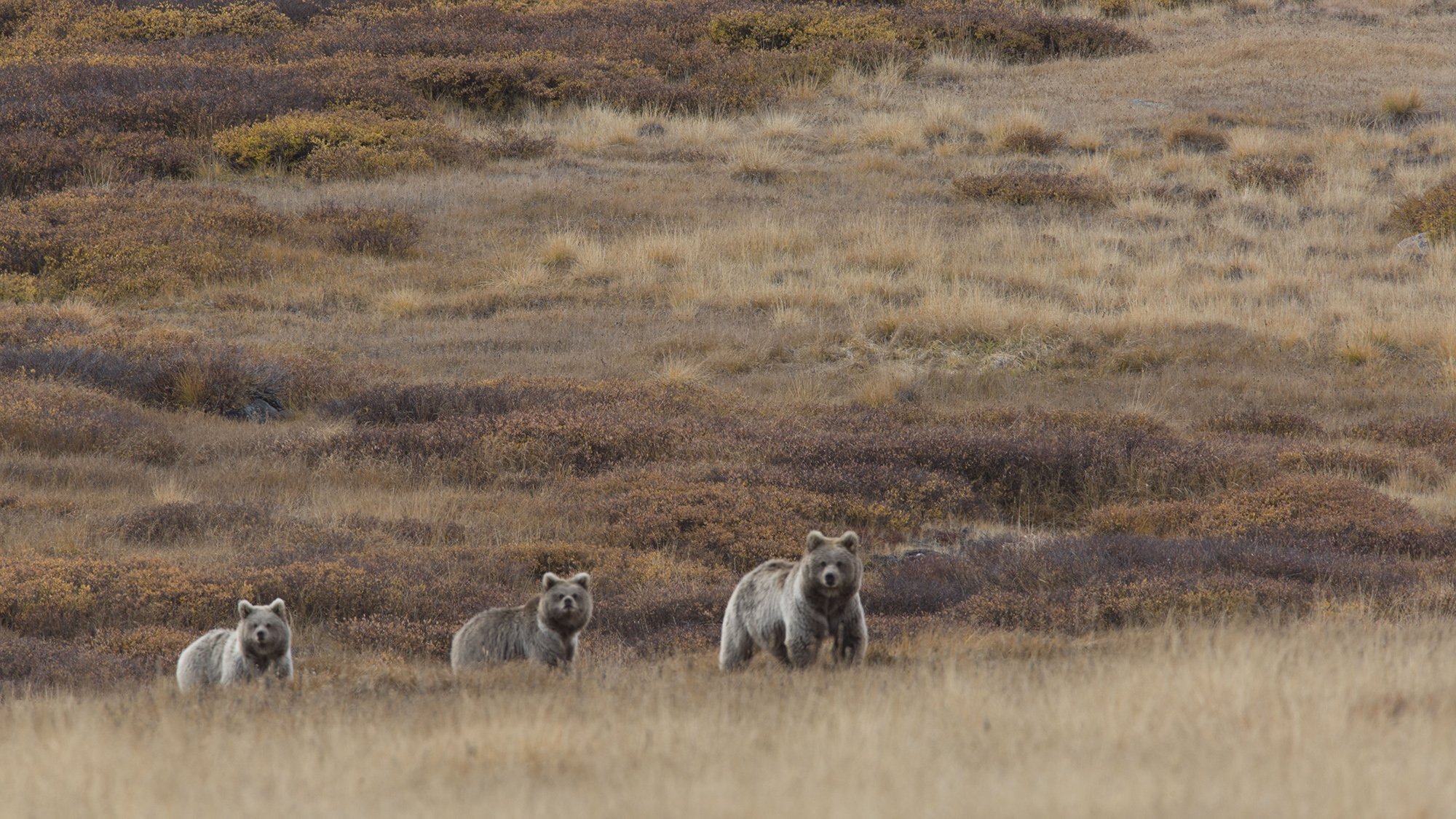
Deosai is known for its wildlife, including the Himalayan brown bear and marmots. The landscape is also dotted with small tarns like Sheosar Lake. It’s the closest thing to a wildlife safari that northern Pakistan offers. Fairy Meadows doesn’t compete on wildlife. It competes on the mountain view itself, since few places let you camp with an 8,000-meter peak rising directly overhead.
Additionally, for stargazing specifically, the two complement each other rather than compete. Fairy Meadows combines forest edges and mountain silhouettes for dramatic foreground shots. Deosai’s open plains, though, give a full, uninterrupted horizon. Doing both on one trip covers both styles of night photography.
Fairy Meadows vs Deosai Plains: where you’ll actually sleep
Fairy Meadows has real accommodation infrastructure. Wooden log cabins run roughly USD 60 to 110 a night, including breakfast and dinner, while camping with a provided tent costs closer to USD 25, or as little as PKR 500 to 1,000 if you’re booking more basic local setups directly.
Deosai is a different situation entirely. There’s no formal lodging on the plateau itself, so camping is the only real option once you’re there. The nearest hotels sit in Skardu or Astore, meaning most visitors either camp overnight on the plains or treat Deosai as a long day trip from one of those towns.
Budget and logistics worth knowing
A full Fairy Meadows trip typically runs PKR 20,000 to 35,000 per person, covering the jeep transfer, accommodation, food, and porter costs. One detail worth planning around: there are no ATMs past Chilas or Gilgit, so bring more cash than you think you’ll need.
Travelers doing both destinations in one extended trip often follow a route like Islamabad to Babusar Top to Fairy Meadows, then on to Deosai and Skardu, roughly 12 to 15 days for the full loop. Flying one leg, Islamabad to Skardu or Gilgit, saves about two days of road travel if your schedule allows it.
Costs compared: Fairy Meadows vs Deosai Plains
These are approximate ranges reported by 2026 guides, tour operators and travellers. Fares and rates change with season and fuel costs, so check current rates before you go.
| Item | Fairy Meadows | Deosai Plains |
|---|---|---|
| Jeep | Union jeep from Raikot Bridge to Tato, round trip, about PKR 16,000 to 20,000 per jeep (5 to 6 people); some 2026 sources quote 12,000 to 15,000 | Full-day 4×4 from Skardu, about PKR 15,000 to 20,000 per jeep (up to about 28,000 for some vehicles) |
| Extra to reach the destination | Pony from Tato to the meadow about PKR 2,500 to 4,000 one way; porters about PKR 1,000 to 3,000 | Entry fee for foreign visitors, noted above |
| Where you sleep | Camping pitch about PKR 200 to 500; guesthouse and cottage rooms about PKR 2,000 to 7,000; some lodges up to about 12,000 | Camping only on the plateau; hotels in Skardu or Astore |
| Food | Priced above town rates; one 2026 guide puts it at about PKR 1,500 to 2,500 per person per day | Bring supplies, or eat in Skardu or Astore |
| Typical trip total | About PKR 20,000 to 35,000 per person for a few days | Mostly the jeep cost, split among passengers, plus your Skardu stay |
Jeep costs are fixed per vehicle, not per person, so a full group of five or six cuts the cost for each person sharply on either trip. Keep spare cash, because there are no ATMs past Chilas or Gilgit, and see our ATM and cash guide.
Fairy Meadows vs Deosai Plains: which should you visit first?
Choose Fairy Meadows first if:
- You want the closest possible view of an 8,000-meter peak without a real expedition
- You’re traveling earlier in the season, since it opens before Deosai does
- Forested, intimate mountain scenery appeals more than open plains
Choose Deosai first if:
- Wildlife spotting is part of what you want from the trip
- You want the widest possible open-sky views and don’t mind colder nights
- You’re already routing through Skardu or Astore, since Deosai sits between them
Many travelers combine both in a single loop. Think Fairy Meadows, then Astore and Rama Lake, then Deosai, continuing on to Skardu. If your schedule allows it, this route works better than picking just one.
A few practical tips
- Budget for a 4×4 either way. Neither destination is reachable in a standard car.
- Go for Fairy Meadows earlier in the season if you want to do both. It opens in April, while Deosai doesn’t fully open until late June.
- Pack for cold nights at both. Even in peak summer, elevation means real temperature drops after dark.
- Watch the weather closely for Deosai. Its roads close faster than Fairy Meadows’ when conditions turn.
Pair this with our altitude sickness guide, since both sit well above 3,000 meters. Also useful: our packing list for northern Pakistan, for the layering approach both destinations require.
See also: Wildlife Conservation Efforts in Pakistan's National Parks.
Frequently asked questions
Can I visit Fairy Meadows and Deosai in one trip?
Yes, and many travelers do. A common route runs Fairy Meadows, then Astore and Rama Lake, then Deosai, continuing to Skardu.
Which is harder to reach, Fairy Meadows or Deosai?
Both require a 4×4 and real effort. Deosai’s window opens later, from late June, and its roads tend to close faster when weather turns.
Is there an entrance fee for Deosai National Park?
Yes, foreign visitors pay an entrance fee, reported at about PKR 3,100 in recent guides. Confirm the current amount at the park entrance. Fairy Meadows doesn’t have an equivalent formal entrance fee.
Which has better wildlife, Fairy Meadows or Deosai?
Deosai, without question. It’s known for Himalayan brown bears and marmots, while Fairy Meadows’ appeal is its mountain view, not wildlife.
Do I need trekking experience for Fairy Meadows or Deosai?
Both reward travelers with at least some high-altitude experience, given the physical effort and basic facilities involved. Neither requires technical mountaineering skills, though.