






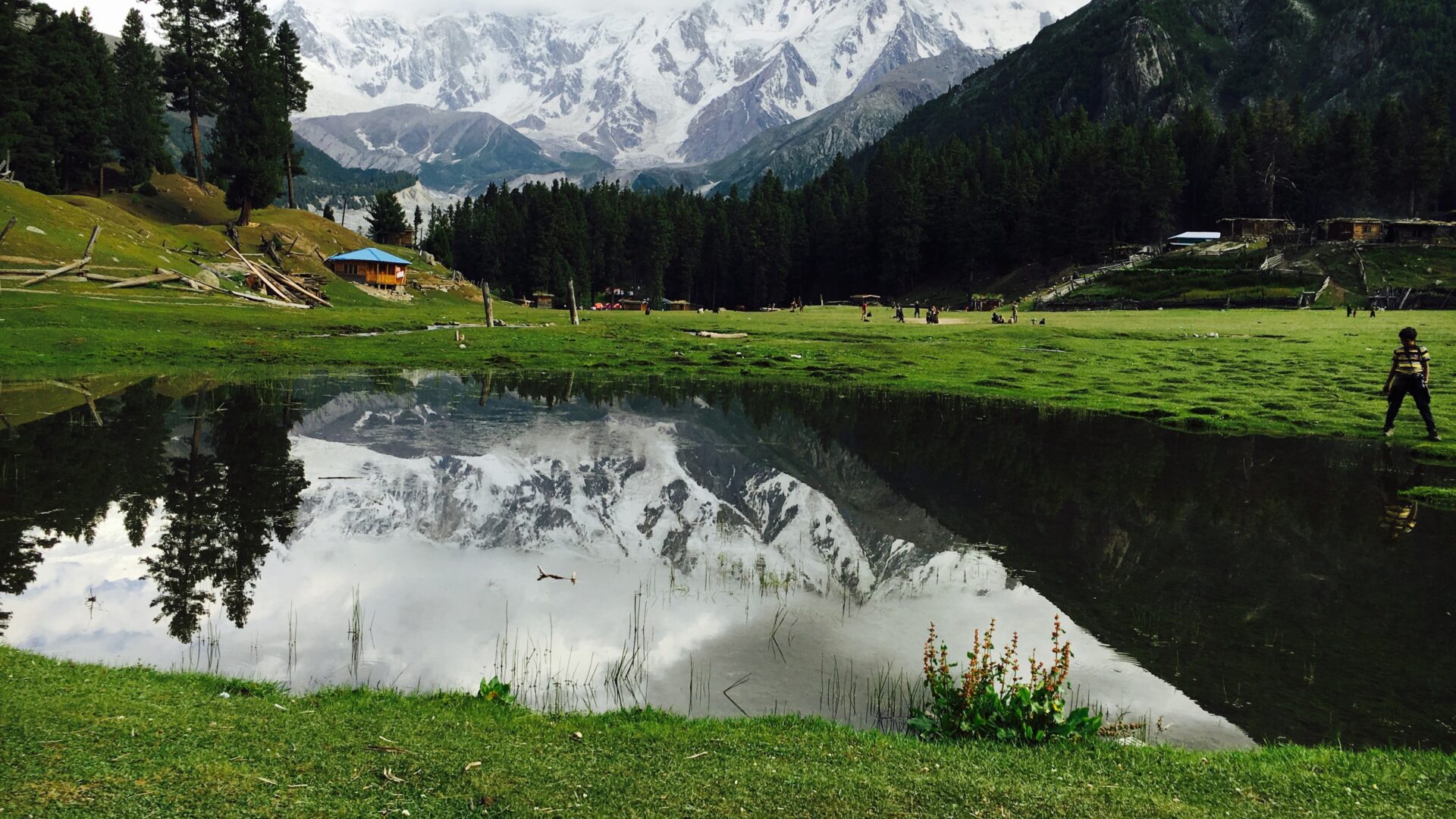
July is the heart of the monsoon. Islamabad, Murree, Lahore and the lower valleys get the heaviest rain of the year, while the dry upper north of Gilgit-Baltistan stays comparatively clear. It is also peak summer holiday season, so the high valleys are busy, and the glacier-flood risk is at its highest.
This guide explains what July is like in each region, where to go, where to avoid and how to travel safely. Last checked: October 2026. Monsoon, flood and road conditions change by the day, so check current alerts and road status before you travel.
Quick Answer: Where to Go in Pakistan in July
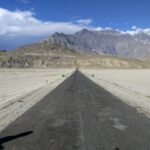
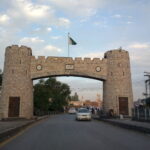
July suits Hunza, Skardu, Deosai and Chitral, which sit outside the heaviest monsoon belt. Naran, Kaghan, Neelum, Swat, Murree and the Galiyat are lush but carry landslide and flood risk, so go with buffer days or save them for September. The plains are hot and humid, and are not a good month for sightseeing.
Pakistan in July at a Glance
| Place | July weather (average) | What it is like |
|---|---|---|
| Karachi | About 34 °C high and 28 °C low; about 86 mm of rain | Hot and humid |
| Lahore | About 36 °C high and 27 °C low; about 189 mm of rain | Hot, humid and wet |
| Islamabad | About 35 °C high and 25 °C low; about 311 mm of rain | Heavy monsoon rain |
| Murree | About 23 °C high and 17 °C low; about 418 mm of rain (older NOAA normals) | Very wet, landslide-prone |
| Quetta | About 37 °C high and 22 °C low; dry | Hot and dry highlands |
| Gilgit | About 36 °C high and 18 °C low; little rain | Hot by day |
| Skardu | About 32 °C high and 16 °C low; little rain (older PMD averages, 1961 to 2009) | Warm, dry, busy |
These are long-term averages from published climate tables, so individual weeks can differ. High meadows and passes are much colder.
Where the Monsoon Matters
As our August guide explains, the upper north stays relatively dry, while the plains and lower valleys sit deep in the monsoon. Our monsoon safety guide rates routes in general terms:
| Route | Typical risk |
|---|---|
| Islamabad to Murree | Moderate |
| Islamabad to Naran via Mansehra | High, with landslides |
| Islamabad to Swat | Moderate |
| Gilgit to Hunza | Low |
| Jaglot to Skardu | High, with flooding |
These are general indications, so ask locally about the current state of each road.
Glacier Floods
Heat accelerates snow and ice melt in July. In 2026, Pakistan’s NDMA warned of heightened glacial lake outburst flood (GLOF) risk in Gilgit-Baltistan and Khyber Pakhtunkhwa through the first week of July, advising tourists to avoid trekking in glacier-prone areas and to stay away from glacier sites. Check alerts before and during your trip, avoid camping beside glacial streams and keep spare days.
Events in July
- Shandur Polo Festival. The festival is traditionally held on 7 to 9 July at Shandur Pass, though in 2026 it opened on 11 June. Confirm the 2027 dates before you plan. See our Shandur Polo guide.
Our cultural festivals guide has a month-by-month table.
Where to Go in July
- Skardu, Shigar and Deosai. Warm, dry and busy. See Skardu in summer, Deosai and Kachura Lakes.
- Hunza and Nagar. Low monsoon risk. See Hunza and Attabad Lake.
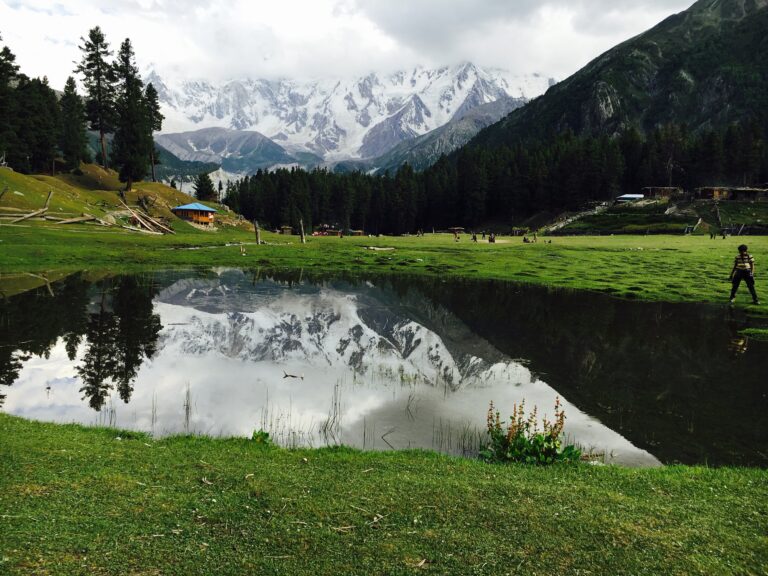
- Fairy Meadows. Popular in summer, but watch for rain. See the Fairy Meadows guide.
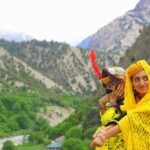
- Chitral and Kalash. Warm days and mountain views. See Chitral.
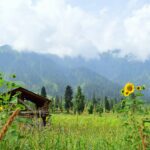
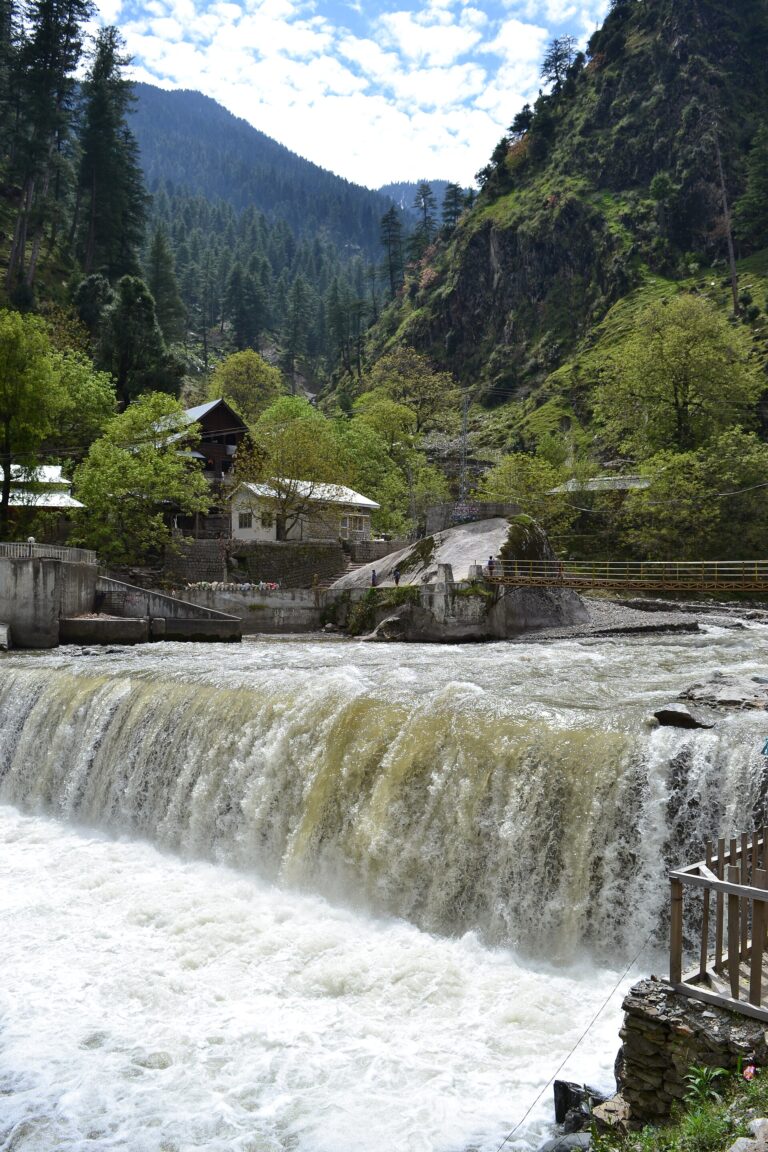
- Naran, Kaghan, Neelum and Swat. Green and beautiful, but plan buffer days and check roads. See our summer destinations guide.
Safety and Health in the Rains
- Avoid river crossings, flooded roads and campsites beside streams.
- Do not travel on mountain roads at night or during heavy rain.
- Drink bottled or purified water and be careful with street food, as the monsoon raises the risk of waterborne illness.
- Carry offline maps and a power bank.
- Know the emergency numbers in our monsoon guide.
What to Pack for July
- A waterproof jacket, rain cover and waterproof bags.
- Quick-dry clothing and sturdy shoes with good grip.
- Light clothing for the plains, and warm layers for the high north.
- Sunscreen, insect repellent and a basic medical kit.
- Cash, since cards and ATMs are unreliable outside cities.
See our packing list.
Sample Routes for July
Seven days: Hunza and Skardu
- See our 7-day Hunza and Skardu itinerary.
Five days: Skardu and Deosai
- See our 5-day Skardu itinerary.
Four days: Chitral and Shandur
- Plan around the festival dates and keep two spare days for weather.
Costs and Planning Notes
July is peak season. Book rooms, jeeps and flights early, and keep your plans flexible. Flights to Skardu and Gilgit are weather-dependent. See our travel cost guide and domestic flights guide.
FAQs
Is July a good time to visit Pakistan?
Yes for Hunza, Skardu and Deosai. It is wet and risky in the lower valleys.
Where should I avoid in July?
Landslide-prone routes such as Naran via Mansehra and the Jaglot to Skardu road in heavy rain, unless you have buffer days.
When is the Shandur Polo Festival?
Traditionally 7 to 9 July, but 2026 started on 11 June. Confirm the 2027 dates.
Is there a glacier flood risk?
Yes. Authorities have warned of heightened GLOF risk in the north in early July, so check alerts.
Is Karachi good in July?
It is hot and humid, so it is better visited in winter.
Conclusion
July rewards travellers who choose the dry north, check alerts and leave buffer days. Save the lush lower valleys for September, and avoid being on mountain roads in heavy rain.
Sources
- Pakistan warns of glacial flood threat in northern regions through early July, Arab News Pakistan (27 June 2026)
- Three-day Shandur Polo Festival gets underway, The News (June 2026)
Pakistan month by month
- Pakistan in January
- Pakistan in February
- Pakistan in March
- Pakistan in April
- Pakistan in May
- Pakistan in June
- Pakistan in July
- Pakistan in August
- Pakistan in October
- Pakistan in November
- Pakistan in December