


Self-driving in Pakistan is genuinely possible for tourists. It requires real preparation, though: an International Driving Permit, a firm grasp of left-hand traffic, and an honest assessment of whether your planned route actually suits a first-time visitor behind the wheel.
Self-drive guide for Pakistan: what you actually need
- Overall, your home country’s valid driving license. An expired license isn’t valid here, even if it would be at home.
- An International Driving Permit (IDP). Get this before you travel; it cannot be obtained after arrival. It’s valid for one year and must be carried alongside your home license, not instead of it.
- Your passport and visa. Rental agencies will check that your visa covers the full rental period.
- Minimum age rules vary by rental company, often 23 to 25, and some agencies rent to younger drivers for an added fee. Confirm the rules and your insurance cover before you book.
The one rule that trips up most visitors
Pakistan drives on the left side of the road, a holdover from British colonial administration. It’s the same system as the UK, India, and Sri Lanka. If you’re used to right-hand traffic, this genuinely takes real mental effort. Roundabouts and turns especially require conscious attention.
What rental actually costs
- Economy cars: roughly PKR 3,000 to 5,000 per day.
- SUVs and 4x4s: roughly PKR 10,000 to 18,000 per day, genuinely worth it for northern routes.
- A driver, if you choose one: roughly PKR 1,000 to 2,500 per day, on top of the vehicle cost.
- Fuel and tolls: not included in most rental rates.
When self-drive genuinely isn’t the right call
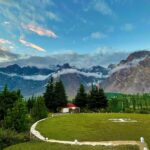
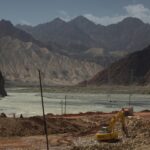
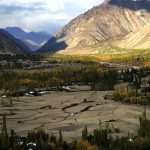
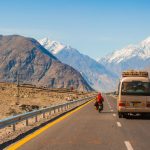
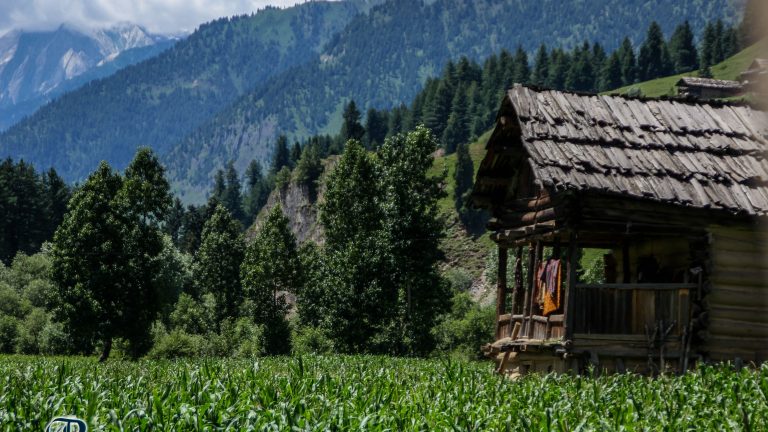
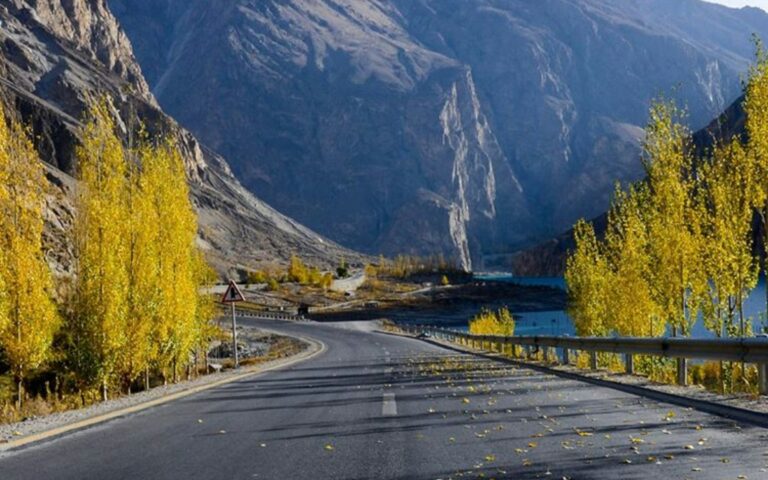
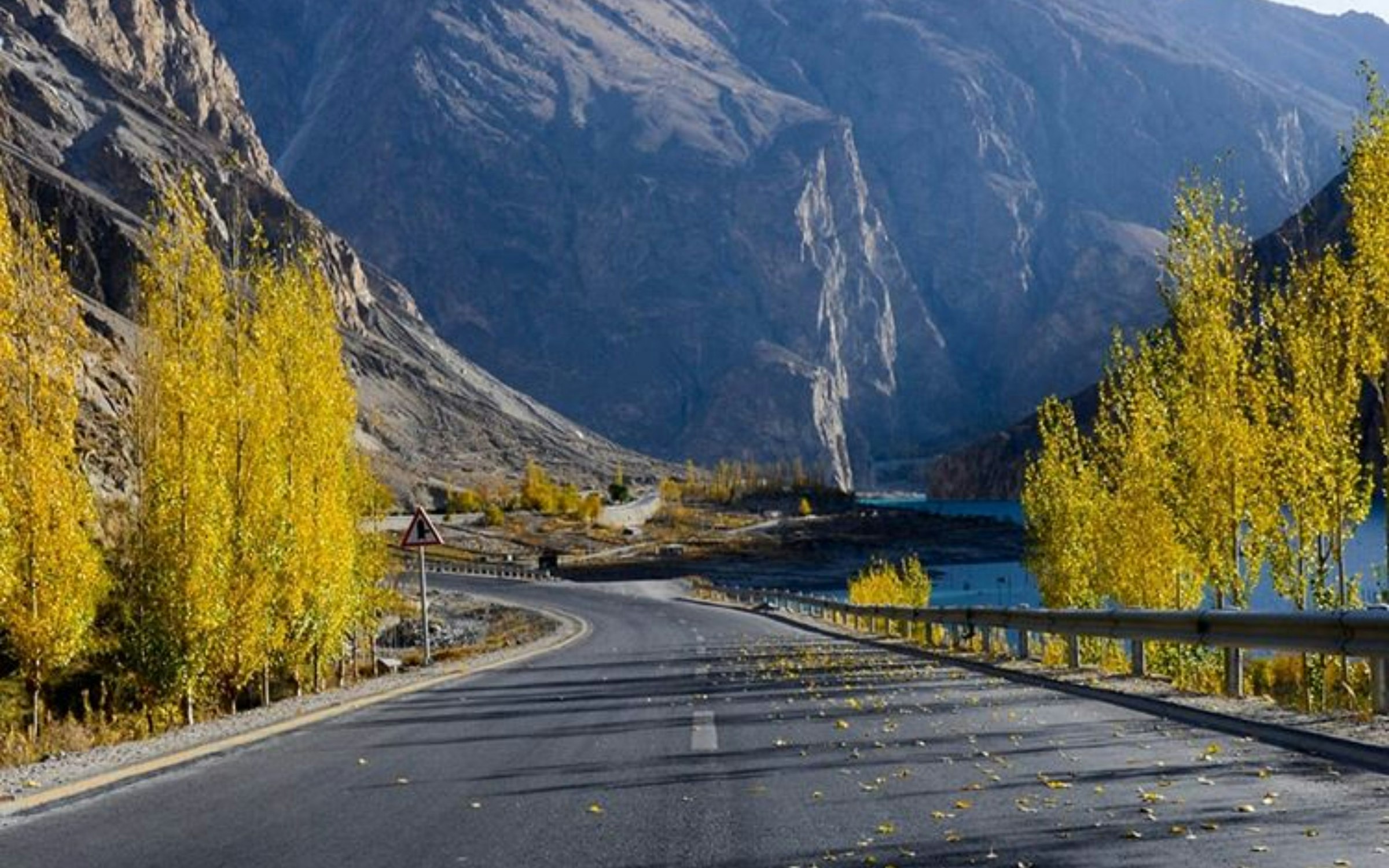
Rental companies themselves often recommend a chauffeur for visitors unfamiliar with local routes. Honestly, that advice is worth taking seriously for certain trips. Urban roads can be congested and unpredictable. Rural roads may be unpaved and impassable in bad weather, and mountain routes like the Karakoram Highway demand real experience with switchbacks, landslide risk, and altitude. If your trip is mostly city-to-city on the motorway network, self-drive works genuinely well. If it involves the northern mountain passes, a hired driver is often the wiser choice.
Self-drive guide for Pakistan: practical tips
- Carry your license and IDP together at all times. Police checkpoints are frequent, and you could face a fine without proper documents on hand.
- Inspect the rental vehicle thoroughly before leaving the lot. Photograph any existing damage.
- Read the insurance terms carefully. Coverage, excess amounts, and mileage limits vary significantly between agencies.
- Consider a hybrid approach for mountain routes. Self-drive the motorway sections, then hire a local driver for the more demanding mountain stretches.
Pair this with our train travel guide as an alternative for long-distance legs.
Frequently asked questions
Can tourists drive in Pakistan?
Overall, yes, with a valid home country license and an International Driving Permit, both carried together at all times.
Does Pakistan drive on the left or right side of the road?
Overall, the left, a holdover from British colonial administration, the same system used in the UK, India, and Sri Lanka.
Do I need an International Driving Permit to rent a car in Pakistan?
It’s strongly recommended and often required by rental agencies. It can’t be obtained, though, after you’ve already arrived in the country.
Is self-drive a good idea for northern Pakistan’s mountain routes?
Not always. Rental companies themselves often recommend a chauffeur for routes like the Karakoram Highway, given the switchbacks, altitude, and landslide risk.
How much does it cost to rent a car in Pakistan?
Roughly PKR 3,000 to 5,000 daily for economy cars. SUVs and 4x4s run PKR 10,000 to 18,000, with fuel and tolls charged separately.
Safety and rules to check
Rules for foreign drivers, rental insurance and checkpoint procedures can change, so confirm them with the rental company and local authorities before you plan a self-drive trip. Many visitors prefer a hired driver, especially in the north, where roads are steep and conditions change quickly. Carry your passport, licence and permit at all times, expect security checkpoints, and avoid night driving on mountain roads. Government advisories differ by region, so read our safety guide first. Rental rates in this guide are approximate. Last checked: October 2026.