



Introduction
Pakistan is a country of contrasts and colors, rich in tradition, hospitality, and natural beauty. To make your journey smoother and more rewarding, here are 45 important things to know before traveling to Pakistan. These insights will help you avoid surprises, understand the culture, and enjoy a seamless experience.
Geography of Pakistan
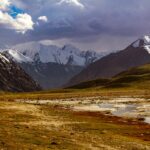
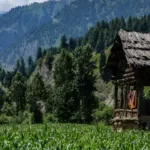
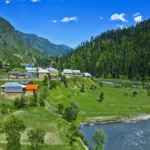
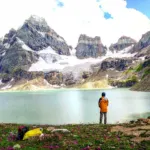
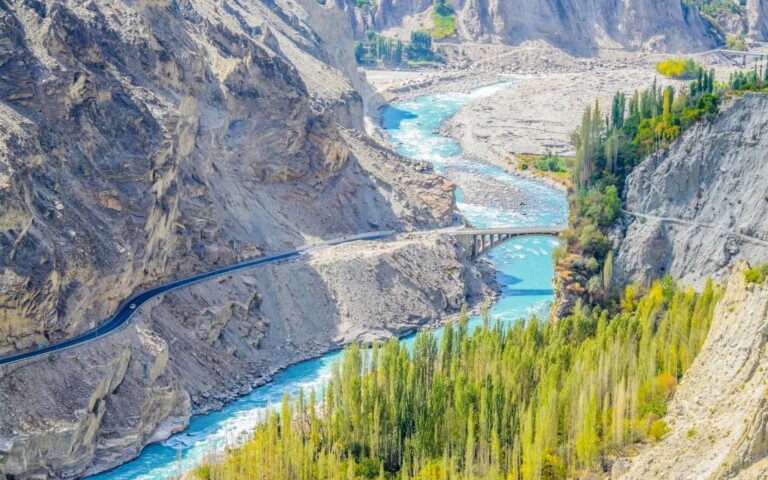
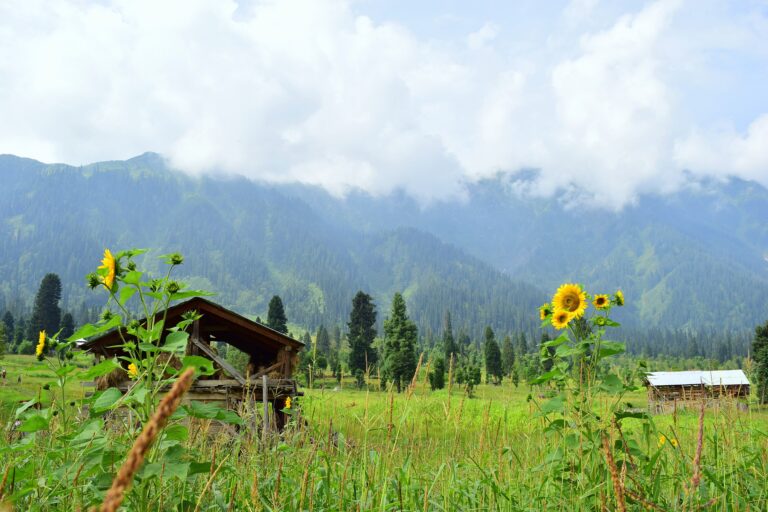
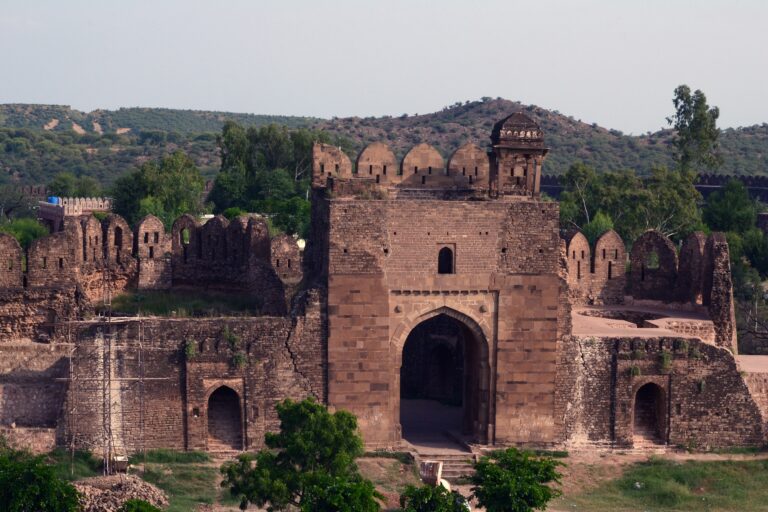
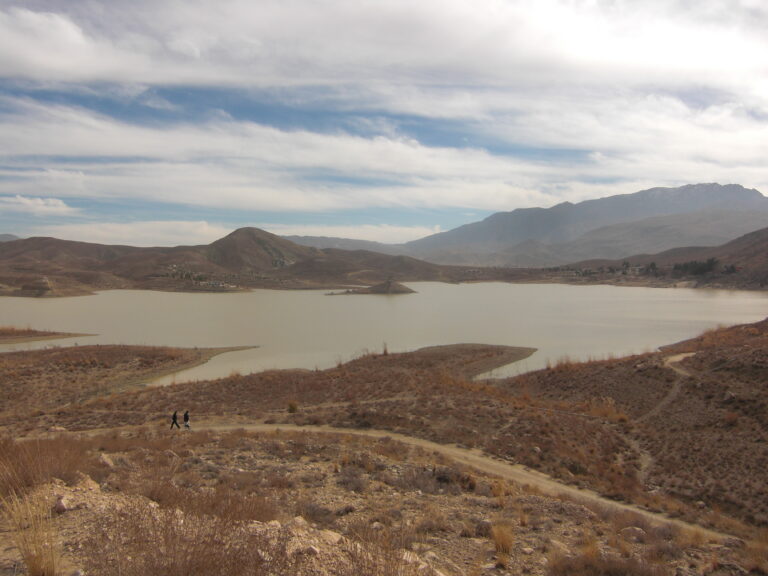
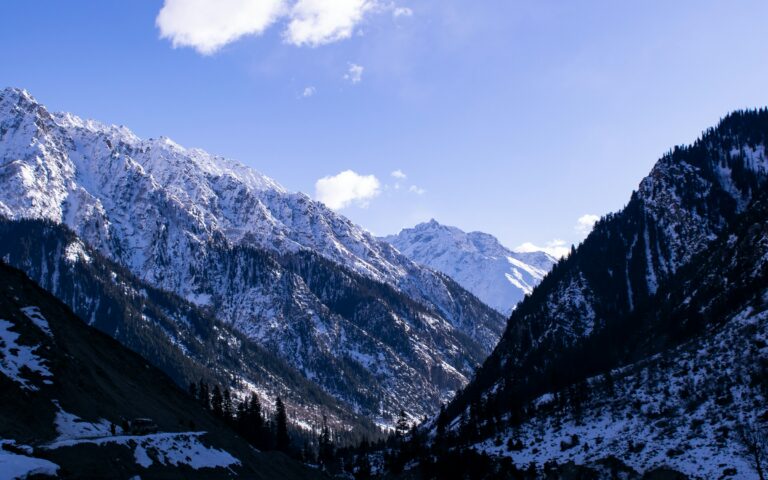
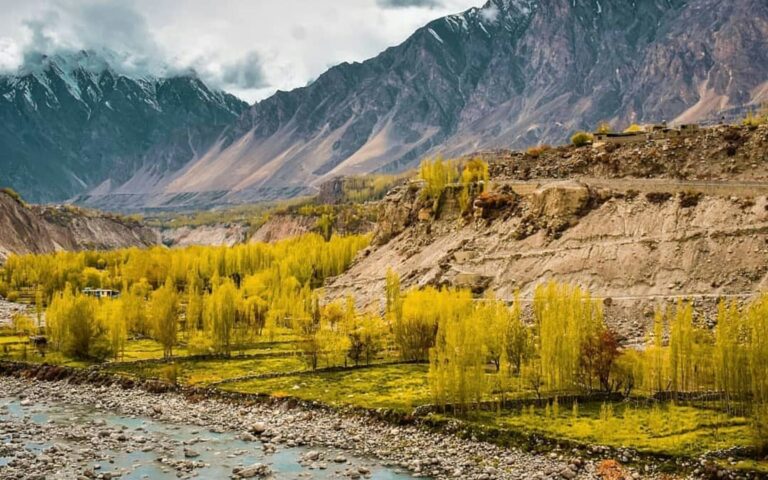
Pakistan consists of four provinces and two autonomous territories, each unique in landscape, culture, and language. The northern areas boast majestic mountains, lakes, and valleys, while the southern regions feature deserts and coastal areas like Karachi.
Visa & Entry Requirements
Apply for a Pakistan e-visa via the official NADRA portal. Many nationalities are eligible for an online application, but you may also need a Letter of Invitation (LOI) from a hotel or tour operator.
Buy Travel Insurance
One of the smartest things to know before traveling to Pakistan is to get travel insurance that covers medical emergencies, theft, and cancellations. Hospitals may require insurance for treatment.
Best Cities to Start Your Journey
- Islamabad – Modern, clean, and peaceful
- Lahore – Known for food, culture, and Mughal architecture
- Karachi – Pakistan’s bustling business and cultural hub
Learn Basic Urdu
English is widely understood in cities, but learning Urdu greetings like Salam (hello), Shukriya (thank you), and Kitna hai? (how much is it?) can be incredibly helpful and respectful.
Currency and Exchange
The currency is the Pakistani Rupee (PKR). Exchange rates fluctuate, but usually, 1 USD equals around 280–300 PKR. Keep cash on hand for rural areas, as card machines are not always reliable.
Mobile SIM & Internet
Buy a local SIM card from Jazz, Zong, or Telenor at the airport. Don’t forget to register your phone’s IMEI at the PTA DIRBS portal. Internet speed is good in cities but spotty in remote areas.
Public Transport
Use inDrive, Yango and Bykea for city rides. For intercity travel, Daewoo and Faisal Movers are safe and comfortable options. Rickshaws are great for short distances.
Emergency Contact Numbers
| Service | Number |
|---|---|
| Police | 15 |
| Ambulance | 115 |
| Fire Brigade | 16 |
Dress Code
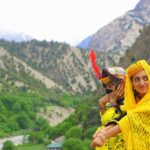
Wearing modest clothing is a sign of respect. Men can wear jeans and shirts, while women are advised to wear loose-fitting clothes and carry a scarf, especially outside urban areas.
Pakistani Hospitality
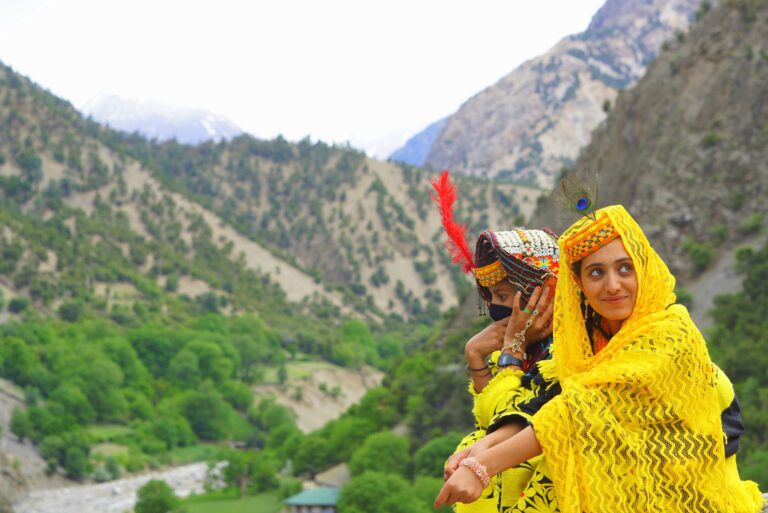
Expect generous hospitality! It’s common for locals to invite travelers into their homes for tea or a meal. Accepting such offers respectfully enhances your travel experience.
Pakistani Cuisine
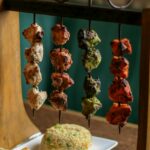
You must try
- Biryani
- Chapli Kebab
- Nihari
- Paratha & Chai breakfast
Be cautious of spicy street food and drink bottled water to avoid stomach issues.
Local Festivals to Experience
- Eid-ul-Fitr & Eid-ul-Adha – Nationwide celebrations
- Shandur Polo Festival – Held annually in Gilgit-Baltistan
- Independence Day (14th August) – Parades, flags, and fireworks
Respect for Religion
Pakistan is a deeply religious country. Show respect by
- Dressing modestly at religious sites
- Removing shoes before entering mosques
- Avoiding loud behavior during prayer times
Photography Etiquette
Always ask before taking photos, especially of women and families. Avoid photographing military areas, checkpoints, or sensitive infrastructure.
Safety for Travelers
Follow local guidance and read our Pakistan safety guide before you travel.
Female Travel Tips
Solo female travel is growing in Pakistan, especially in Hunza, Skardu, and Swat. Wear modest clothes, stay in reputable hotels, and connect with local female groups online.
Best Time to Visit Pakistan
| Region | Best Months |
|---|---|
| Northern Pakistan | April–October |
| Southern Pakistan | November–February |
| Central Cities | March–May & September–November |
Avoid traveling to the north in December to February due to roadblocks and extreme cold.
Essential Packing Checklist
- Lightweight modest clothes
- Warm layers for mountains
- Power bank, adapter, first-aid kit
- Rehydration salts, toilet paper, sunglasses
- Good hiking shoes
Road Travel Tips
Mountain roads can be risky due to landslides. Hire local drivers familiar with the terrain. Google Maps works in most areas, but offline maps like Maps.me are recommended.
Restricted Areas
Some northern areas like Siachen, K2 base, and certain border villages require special permits (NOC). Check ahead with your embassy or local tour guides.
Electricity and Plugs
- Voltage: 230V
- Plugs: Type C and D
- Carry a universal adapter for your electronics
Must-Have Apps
- inDrive, Yango – for city transport
- Foodpanda – food delivery
- Google Translate – real-time Urdu translation
- Zameen.com – property rental info
Visiting Mosques
Non-Muslims can visit many famous mosques like Badshahi Mosque (Lahore). Be sure to remove your shoes, cover your head, and avoid loud conversation.
Daily Budget Estimate
| Expense | Cost (PKR) |
|---|---|
| Budget Meal | 300–500 |
| Hotel (mid-range) | 3,000–6,000 |
| Daily Transport | 500–1,500 |
| SIM/Data | 300–800 |
| Entry Tickets | 100–500 |
| Total Avg. | 4,000–8,000 |
Where to Stay
Options include
- Guesthouses & homestays (especially in Hunza, Skardu)
- Budget hotels in cities
- Luxury hotels in Islamabad, Lahore, and Karachi
Wi-Fi and Internet
Wi-Fi is available in hotels, restaurants, and cafes. In rural areas, mobile internet via Zong or Jazz performs better than Wi-Fi.
Tipping Culture
Tipping is not mandatory but always appreciated
- Restaurants: 5–10%
- Hotel staff: 100–300 PKR
- Drivers/Guides: 500–1,000 PKR per day
Important Local Laws
- Alcohol is restricted to non-Muslims with permits
- Drones require official approval
- Avoid public discussion on politics or religion
Cultural Etiquette
- Use right hand for eating
- Don’t show the soles of your feet
- Avoid public displays of affection
Toilet Situation
- Most public restrooms have squat toilets
- Always carry toilet paper and hand sanitizer
Bargaining is Normal
In bazaars and markets, bargaining is expected. But avoid haggling in restaurants or fixed-price stores.
Souvenirs Worth Buying
- Handmade shawls (Hunza, Swat)
- Peshawari chappals
- Multani blue pottery
- Dry fruits and local honey
Stay Informed
Follow local media like Dawn, Geo, or Express News for weather and political updates. Also follow @PTDC_Official for tourism updates.
Health Tips
- Get vaccinated for Hepatitis A & B, Typhoid
- Avoid raw food
- Use hand sanitizers and drink sealed bottled water
See also: Fun Facts About KPK That Will Amaze Every Traveler and National Symbols of Pakistan and Their Meanings.
FAQs
What are the most important things to know before traveling to Pakistan?
Understanding cultural norms, dressing modestly, and respecting religion are key things to know before traveling to Pakistan.
Can tourists feel safe in Pakistan?
Follow local guidance and read our Pakistan safety guide before you travel.
Is English commonly spoken in Pakistan?
Yes, especially in major cities. However, learning basic Urdu is one of the things to know before traveling to Pakistan that can greatly improve your experience.
What food should I try, and what should I avoid?
Try biryani, kebabs, and nihari. Avoid uncooked food and always drink bottled water—this is vital among the things to know before traveling to Pakistan.
How do I get internet access in remote areas?
Buy a Zong or Jazz SIM, as they offer the best 4G coverage in the north. This is one of the practical things to know before traveling to Pakistan.
Are there cultural taboos I should be aware of?
Yes. Avoid public affection, don’t point your feet at people, and always greet with respect—important cultural things to know before traveling to Pakistan.
Conclusion
Whether you’re heading to the mountains of Hunza, the spiritual heart of Lahore, or the bustling streets of Karachi, knowing the things to know before traveling to Pakistan will prepare you for a more respectful, enjoyable, and authentic adventure. Embrace the diversity, hospitality, and beauty of Pakistan, and let your journey be guided by understanding and awareness.