









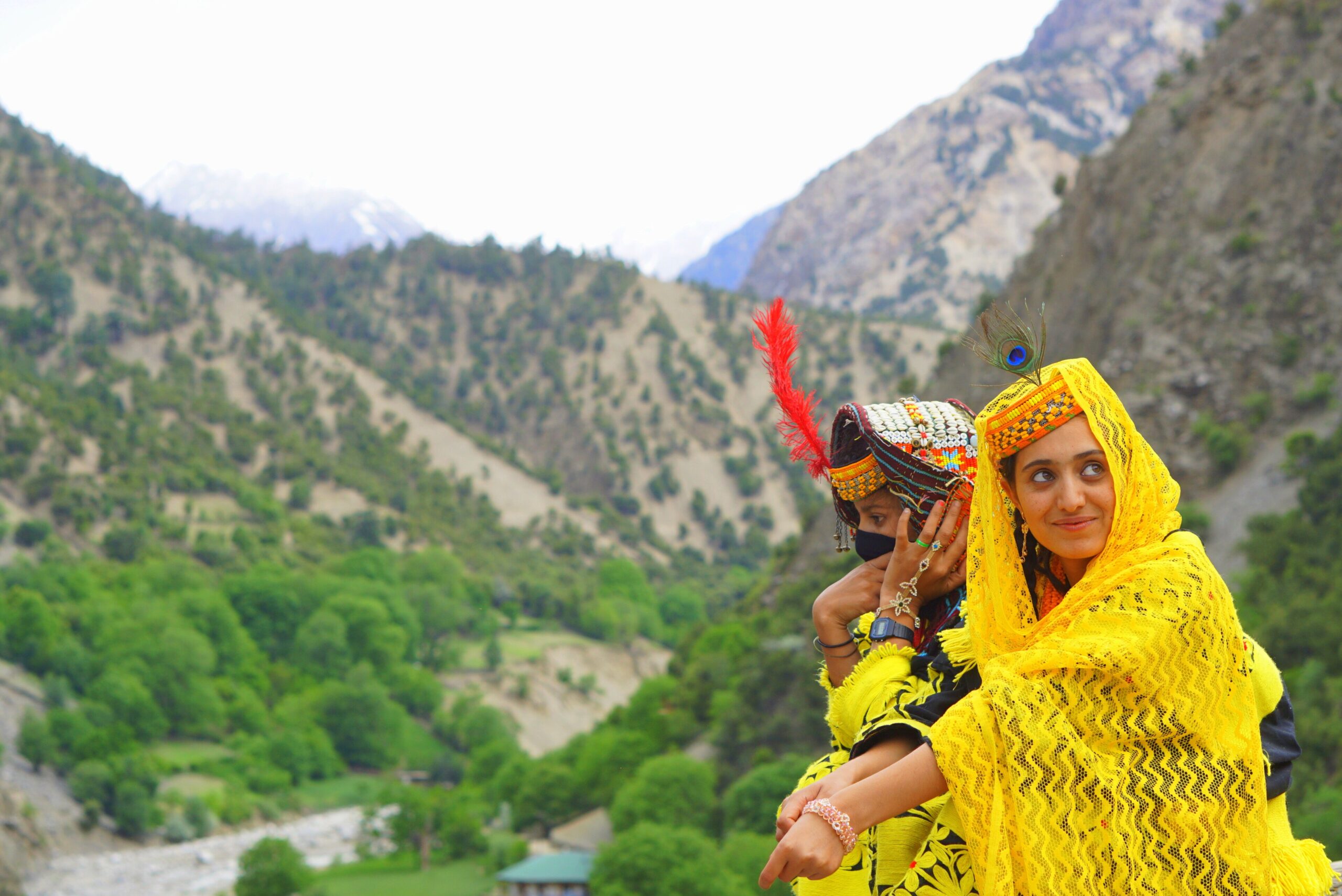
The Kalasha people live in three small valleys of Chitral, and their year is organised around festivals rather than around the Islamic or Gregorian calendar. Spring, the high-pasture season, the harvest and the deepest part of winter each have their own celebration, with its own dances, songs and rituals.
This page puts the four main festivals in one calendar so you can decide when to go. Exact dates are set by the community each year, so use the timings below as a planning range, not a booking date.
Quick Answer
| Festival | Season | Usual timing | Main idea |
|---|---|---|---|
| Chilam Joshi (Joshi) | Spring | Mid to late May, around four days | Welcomes spring and offers thanks for the herds |
| Uchal (Uchau) | Late summer | Late August | Harvest thanksgiving |
| Pul | Autumn | September, around the full moon | Celebrated in Birir and linked to the protection of the herds |
| Choimus (Chaumos) | Winter | Roughly 7 to 22 December | The biggest festival, marking the end of the year |
If you can only go once, Choimus is the most important and the most layered. It is also the coldest, so plan for winter travel.
Where the Kalasha Live
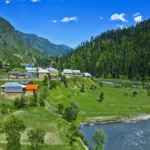
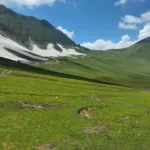
The three Kalasha valleys are Bumburet, Rumbur and Birir. They open off the Chitral River about 20 km south of Chitral town, in Chitral district, Khyber Pakhtunkhwa. Birir is considered the most traditional of the three. Bumburet is the largest and the easiest to reach, and it has most of the guesthouses.
Visitors pay a small entry fee, which the government uses toward preserving Kalasha culture. Rates change, so ask at the checkpoint or your guesthouse.
For wider context on the valleys, see our Kalash Valley travel guide and our Chitral guide.
Chilam Joshi (Spring)
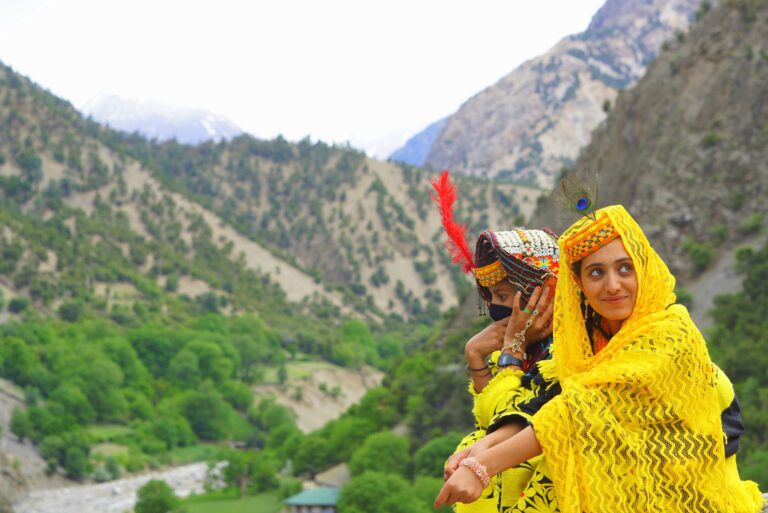
Chilam Joshi, also called Joshi, is the spring festival and one of the best known. Press coverage of the 2024 edition described a programme running from 13 to 17 May across all three valleys. Girls and boys dance to drumbeats in traditional dress.
The days follow a pattern. The first day is a milk day, with milk saved for around ten days offered in ritual, and young people gather wildflowers and walnut leaves from the high pastures. The second day is for drinking and sharing milk. On the third, each village gathers at its highest point to share dried mulberries and walnuts for newborns. The last day centres on a ceremony at the main gathering ground.
Because the date shifts a little each year, wait for the local announcement before you book.
Uchal (Late Summer)
Uchal, also written Uchau, is the harvest thanksgiving. It falls in late August and includes cheese, bread and rituals that mark the end of the high pasture season. We have a full write-up in our Uchal Festival guide, so this page only places it in the calendar.
Pul (Autumn, Birir)
Pul is the autumn festival and is celebrated in Birir, the smallest and most secluded of the three valleys. It is linked to the September full moon and to Goshidai, the pastoral deity who protects the herds. Because it is held in one valley only, it is likely to be a smaller gathering than Choimus, though that is worth confirming locally.
Information on exact dates is thin. Ask a Chitral-based guide or guesthouse before travelling.
Choimus (Winter)
Choimus, also written Chaumos or Chawmos, is the winter solstice festival and the most important of the Kalasha year. It runs for about two weeks, roughly 7 to 22 December. It marks the end of the agricultural year and the start of a new one.
The festival has several parts: ceremonies to comfort families who have lost relatives, a children’s festival, three days of animal sacrifice offered to Mahandeo, the main Kalasha deity, and a closing celebration with singing and dancing that visitors can usually attend. Not every ritual is open to outsiders. During some of the rites, people who have not been purified are not admitted, and that is a rule to accept without argument.
If you want to see Choimus this December, the practical steps are:
- Book a guesthouse early in Bumburet, Rumbur or Birir. Choimus draws domestic and foreign visitors, and winter capacity is limited.
- Check road access to Chitral. Winter weather affects the Lowari Tunnel route and flights. Our tunnels guide explains the Lowari Tunnel.
- Pack for cold. Evenings drop sharply, and many guesthouses have only basic heating. See our packing list for northern Pakistan.
- Ask your host which parts of the festival are open to visitors on which days.
How to Reach the Kalasha Valleys
The usual route is to Chitral town, then by jeep into the valley. Jeeps run from Chitral, usually in the afternoon, and depart according to demand and weather. Because fares and departure times change, confirm them with your hotel. For getting to Chitral, check domestic flights in Pakistan and the road route over the Lowari Tunnel. Winter flights depend on weather, so keep a flexible schedule.
Where to Stay
Guesthouses and small hotels cluster in Bumburet, with fewer options in Rumbur and Birir. Rates vary by season and spike during festivals, so ask for a current quote rather than relying on old figures. Our Kalash Valley guide lists the basics.
Etiquette When Attending a Kalasha Festival
The Kalasha practise their own religion, and festivals are religious events first and visitor attractions second. A few habits help:
- Dress modestly and cover your shoulders and knees. Women usually cover their hair with a scarf.
- Ask permission before photographing people, and do not photograph during rituals unless you are invited to.
- Stay where your host tells you to stand. Some spaces are off-limits to outsiders.
- Do not touch altars, offerings or ceremonial objects.
- Buy crafts directly from local makers where you can.
- Keep a respectful distance during mourning rites.
Possible Itinerary
A three-day festival trip
- Day 1: Reach Chitral, then travel to your chosen valley.
- Day 2: Spend the day at the festival, with a guide or host to explain what you are watching.
- Day 3: Walk through the villages, then return to Chitral.
Add a day at either end for weather delays, especially in winter.
FAQs
What are the main Kalasha festivals?
Chilam Joshi in spring, Uchal in late summer, Pul in autumn and Choimus in winter.
When is Choimus?
Roughly 7 to 22 December each year. The community sets the exact dates.
Can tourists attend Kalasha festivals?
Yes, in general, though some rituals are closed to outsiders. Follow your host’s instructions.
Which valley is best for festivals?
Bumburet is the easiest to reach. Birir is considered the most traditional and hosts Pul.
Is there an entry fee for the Kalash valleys?
Visitors pay a small fee that supports Kalasha cultural preservation. Ask for the current rate on arrival.
Conclusion
The Kalasha calendar gives you four separate reasons to visit Chitral. Spring suits Chilam Joshi, late summer suits Uchal, autumn suits a quieter trip to Birir for Pul, and December suits Choimus. Whichever you choose, confirm dates locally, travel with respect, and allow extra time for weather.
Sources and further reading
- Kalash people, Wikipedia
- APP report on Chilam Joshi (28 April 2024)
- Zameen blog on the Kalash winter festival