
- August 8, 2026
Essentially, the Uchal Festival is the Kalash people’s thanksgiving for the wheat and barley harvest. It’s held every August in the three Kalash valleys of Chitral. It’s smaller and more community-centered than the better-known spring festival, Chilam Joshi. That makes it a genuinely different experience for visitors who make the trip.
Uchal Festival guide: dates and what it actually celebrates
Specifically, Uchal runs from August 20 to 22 each year. It marks the end of the wheat and barley harvest across Bumburate, Birir, and Rumbur, the three valleys where the Kalash community lives. The festival is fundamentally about gratitude. Think the harvest, livestock, and the season itself, rather than anything staged for visitors.
UNESCO added Suri Jagek, the Kalash people’s traditional sun-and-star observation practice used to help time festivals like Uchal, to its list of Intangible Cultural Heritage in 2018. It’s a real, formal acknowledgment of how distinct and worth preserving this tradition is.
What happens during the festival
Overall, celebrations center on a procession to a high plateau at Balangkuru, just outside the villages. Elders lead prayers of thanks there. The night that follows is filled with dancing, accompanied by drums and traditional songs. Women in traditional Kalash dress perform group dances. Communities also share food made from the fresh harvest: corn, buttermilk, cheese, and traditional wine.
However, unlike Chilam Joshi, which draws larger crowds and has a livelier, more public feel, Uchal stays intimate. Expect a smaller, quieter gathering focused on ritual and community rather than spectacle.
How to get there
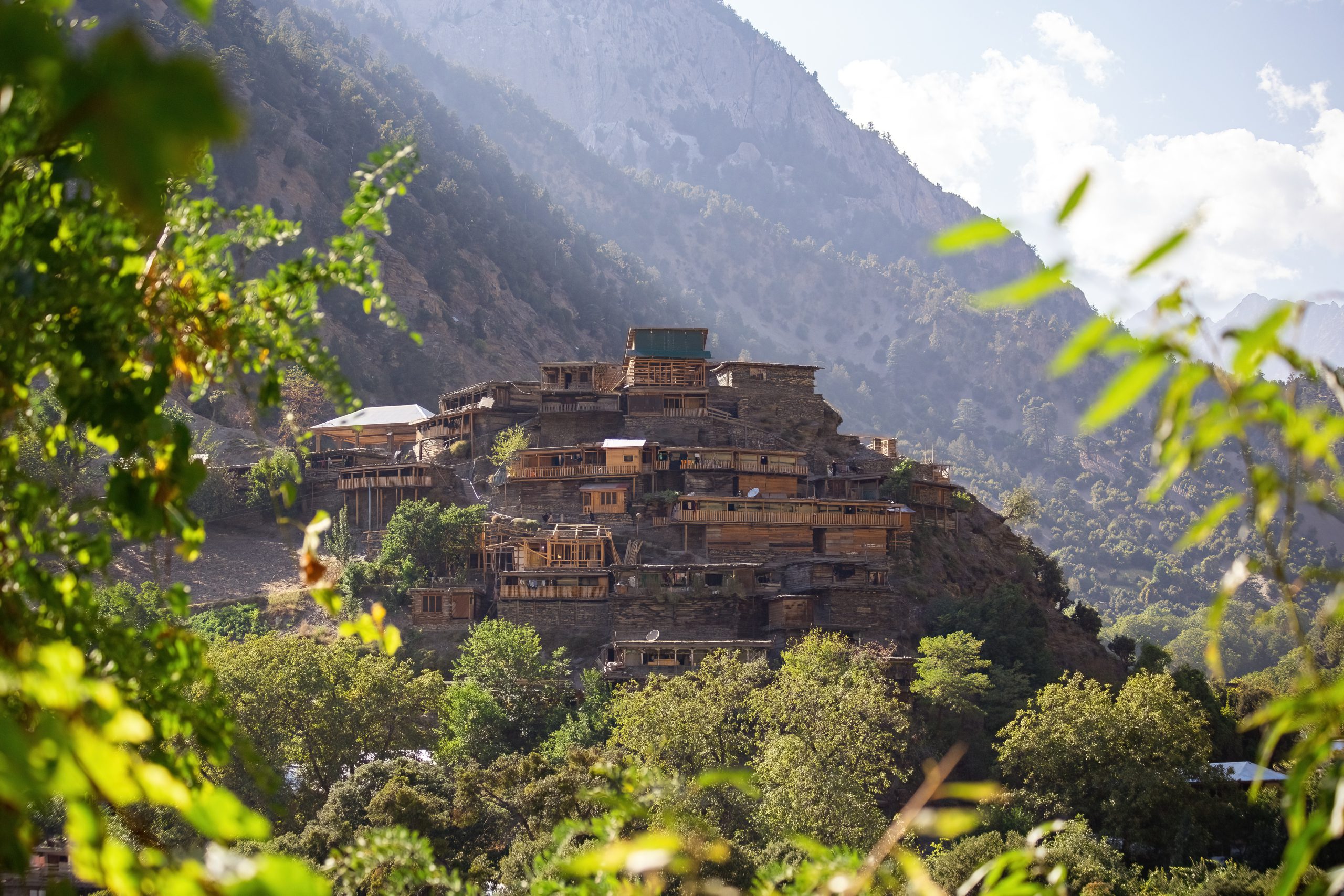
Geographically, the Kalash valleys sit in Chitral district, reached from Islamabad via Peshawar, Dir, and the Lowari Tunnel. From Chitral town, it’s a further 30 to 40 kilometers by jeep or local transport. Flights from Islamabad to Chitral exist but are weather-dependent, similar to other mountain routes covered in our domestic flights guide.
Visiting respectfully
Also, the Kalash are a distinct religious and ethnic minority with their own animist beliefs, separate from Pakistan’s Muslim majority. Their festivals are genuine religious observances, not performances staged for tourism. Ask before taking photos of individuals, especially during rituals. Follow the lead of your host or guide on what’s appropriate to observe versus participate in.
Uchal Festival guide: practical tips
- Book accommodation ahead. Guesthouses in the Kalash valleys are limited. Festival dates also draw more visitors than a typical week.
- Bring cash. Card payments are unreliable this far from major cities.
- Dress modestly and pack layers. Evenings in Chitral district cool down noticeably even in August.
- Consider a local guide. Someone familiar with the community can help you understand what you’re seeing and avoid unintentional missteps.
Pair this trip with our Pakistan tourism for foreigners guide. It covers broader etiquette and logistics that apply across the country, not just Chitral.
Frequently asked questions
When is the Uchal Festival held?
August 20 to 22 each year. That marks the end of the wheat and barley harvest in the Kalash valleys of Bumburate, Birir, and Rumbur.
How is Uchal different from Chilam Joshi?
Uchal is smaller and more community-focused, centered on harvest gratitude. Chilam Joshi, held in spring, draws larger crowds and has a more public, festive atmosphere.
How do I get to the Kalash Valley for the festival?
Travel from Islamabad via Peshawar, Dir, and the Lowari Tunnel to Chitral. From there, it’s 30 to 40 kilometers further by jeep or local transport. Weather-dependent flights to Chitral are also an option.
Is the Uchal Festival open to tourists?
Yes, visitors are welcome, though it’s a genuine religious observance rather than a tourist show. Respectful behavior, including asking before photographing individuals, matters here.
Is UNESCO involved with Kalash festivals?
Suri Jagek, the Kalash sun-observation tradition used to help time festivals including Uchal, was added to UNESCO’s Intangible Cultural Heritage list in 2018, reflecting its cultural significance and vulnerability.