

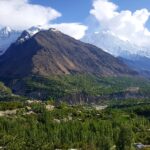
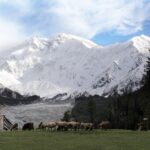
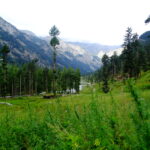
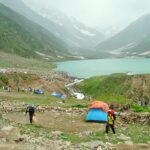
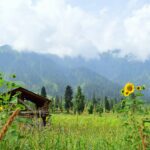
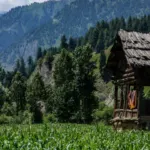
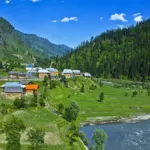




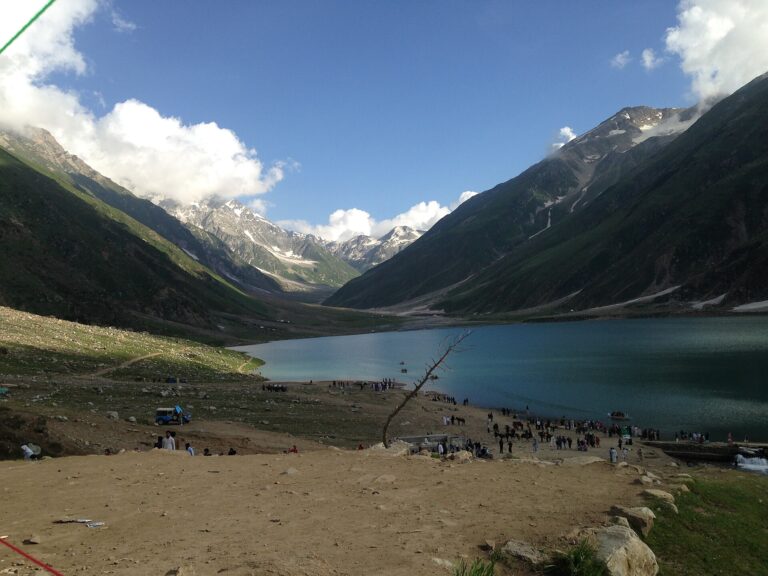
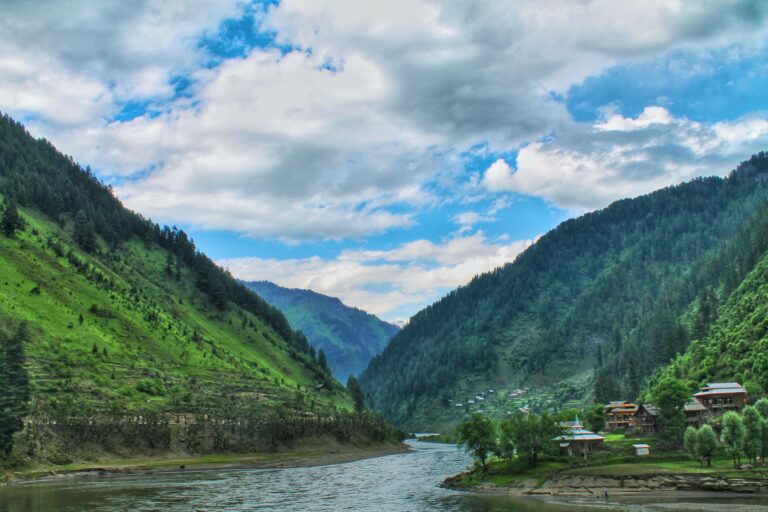
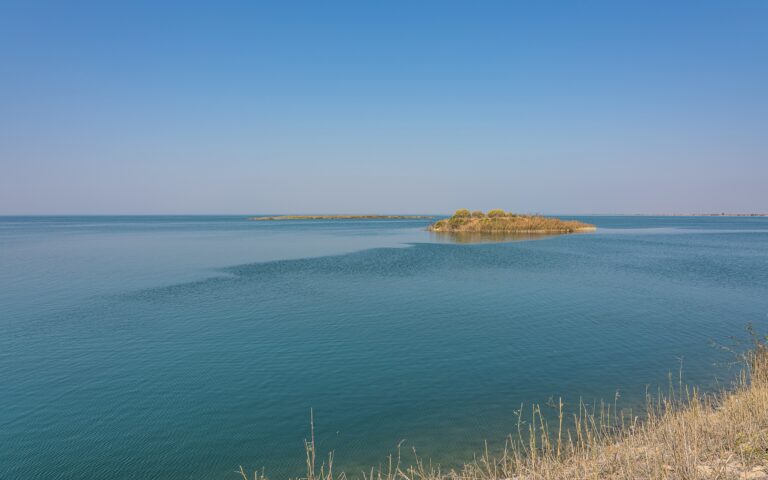
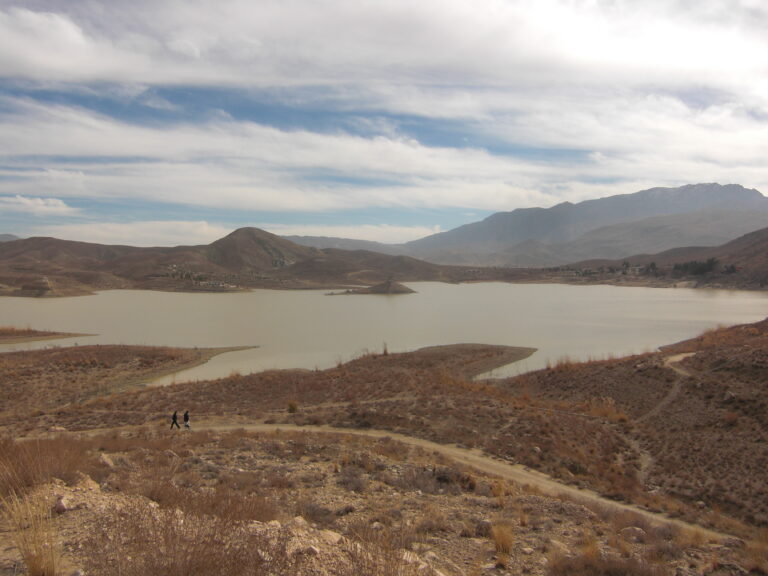

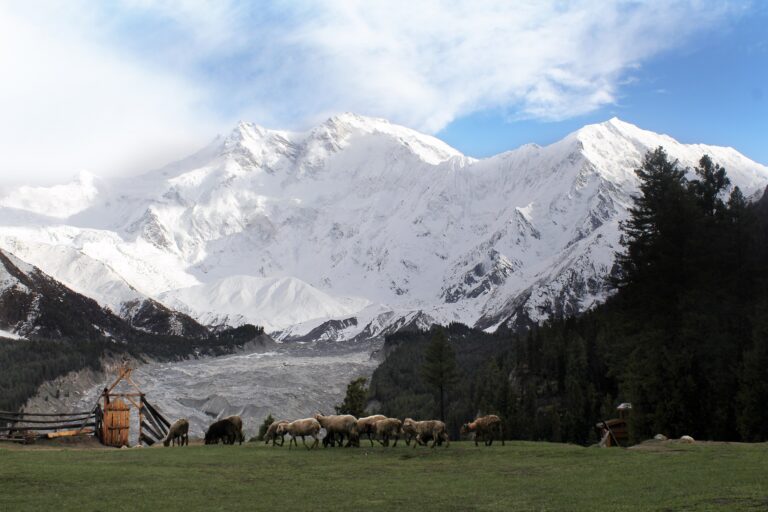
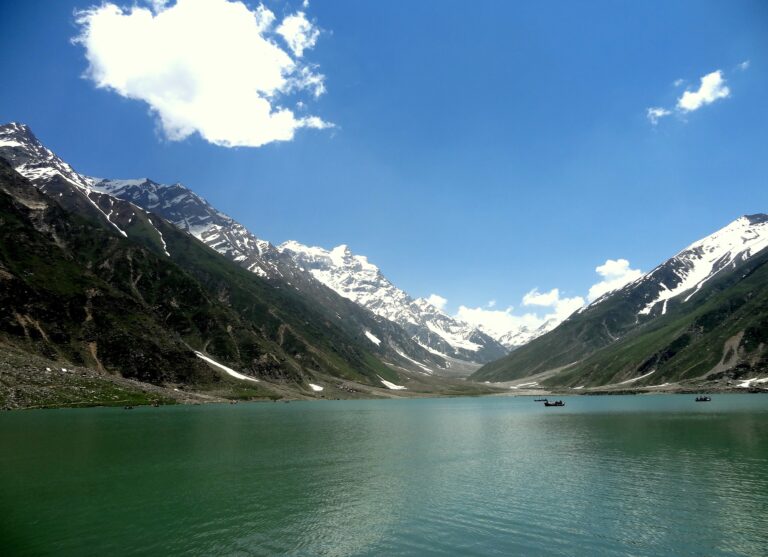
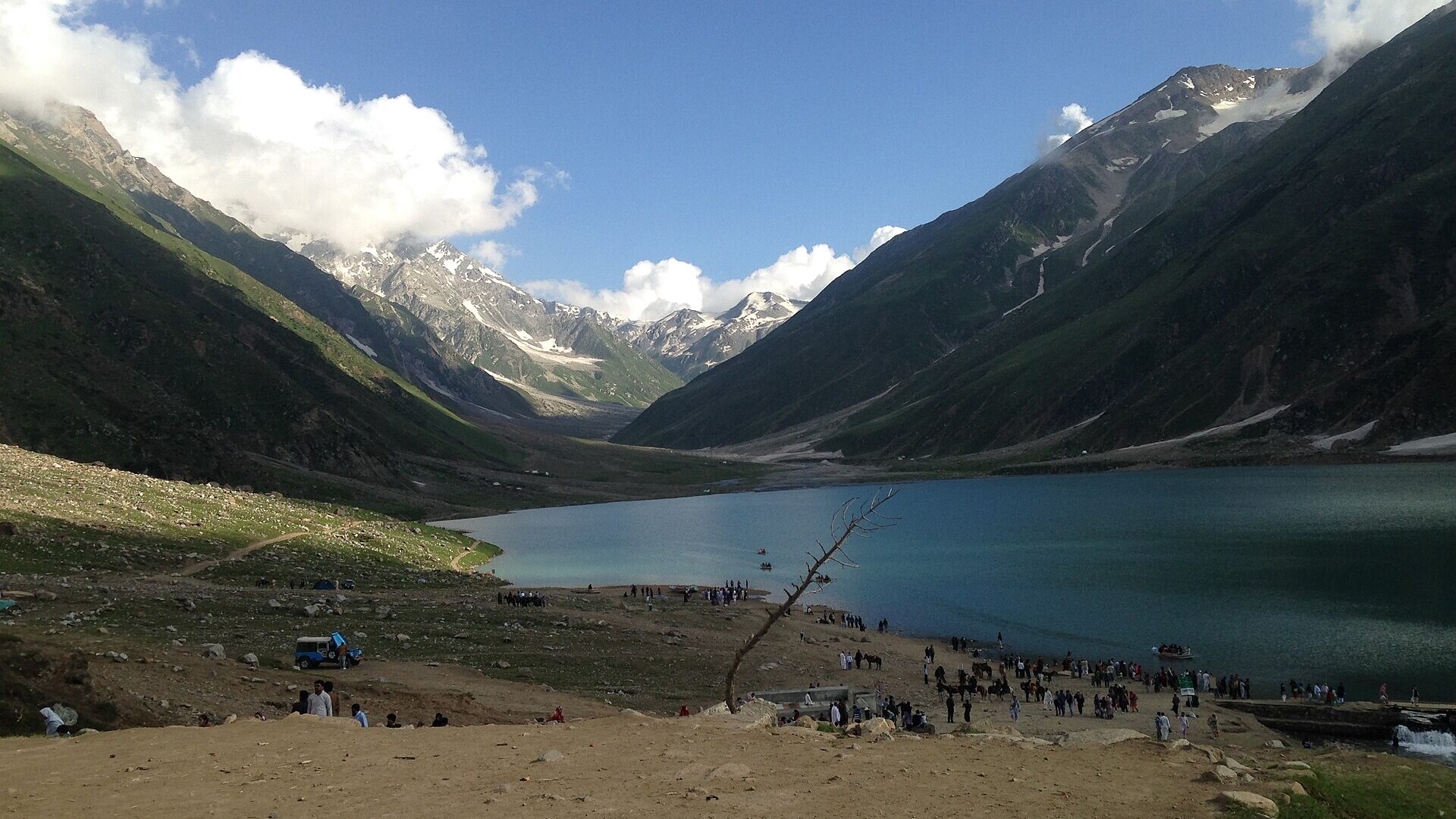
The main lakes in Naran Kaghan are Saif-ul-Mulook, Lulusar, Dudipatsar and Ansoo. Saif-ul-Mulook is the famous one, reached by jeep and a short walk. Lulusar sits beside the road to Babusar Top. Dudipatsar and Ansoo are high-altitude treks that most visitors only reach with a guide and an overnight stay.
This guide compares the four so you can match a lake to your time, fitness and the season. It draws on our detailed lake guides and the sources listed at the end. Last checked: October 2026. Distances, jeep rates and trek times differ between sources and change year to year, so confirm locally.
Quick answer: which Naran Kaghan lake is right for you?
- Easiest and most popular: Saif-ul-Mulook, at about 3,200 m near Naran, usually reached by jeep and a short walk.
- No trek needed: Lulusar Lake, the largest lake in the valley, beside the Naran to Babusar road.
- For fit trekkers: Dudipatsar and Ansoo Lake, both summer-only treks.
- Best months: roughly June to September for all four, depending on snow.
Lakes in Naran Kaghan at a glance
| Lake | Elevation | How you reach it | Difficulty | Season |
|---|---|---|---|---|
| Saif-ul-Mulook | About 3,200 m | Jeep from Naran, then a short walk | Easy | Roughly June to September |
| Lulusar | About 3,410 m | Drive of about 1.5 to 2 hours from Naran | Easy | June to September |
| Dudipatsar | About 3,800 m | Drive to Besal, then a trek reported at 17 to 18 km each way | Moderate | About July to September |
| Ansoo Lake | About 4,245 m | Jeep to Saif-ul-Mulook, then a long trek | Hard | About July to September |
Figures come from our individual lake guides. Sources disagree on trek lengths and times, so treat them as a rough guide.
Saif-ul-Mulook Lake
Saif-ul-Mulook is the best-known lake in Pakistan’s north, set among snow-capped peaks and meadows at about 3,200 m. It takes its name from a folk romance written by the Sufi poet Mian Muhammad Bakhsh, in which a prince falls in love with a fairy. Local legend is part of the draw.
Most visitors take a private jeep from Naran and walk the last stretch. Our guide reports a private round trip at about PKR 3,000 to 7,000, but rates vary with season and demand, so agree the price first. The lake is generally accessible from around June to September depending on snow, and was reported reopened to four-by-four vehicles on 30 April 2025 after about six months.
Who it suits: almost everyone. It is also the start of the Ansoo Lake trek.
Lulusar Lake
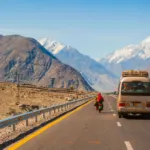
Lulusar is the largest lake in the Kaghan Valley and the headwater of the Kunhar River. It lies at about 3,410 m inside Lulusar-Dudipatsar National Park, and needs no trek. Our guide puts it at about 48 to 50 km from Naran, roughly 1.5 to 2 hours by road in good conditions.
It works as a half-day stop or as the first halt on the way to Babusar Top. Give it 30 to 60 minutes rather than a quick photo stop. Mobile signal is patchy past Naran, so carry cash.
Who it suits: families and anyone who wants a high lake without hiking.
Dudipatsar Lake
Dudipatsar, often called the Queen of Lakes, sits at about 3,800 m inside the same national park. The trek starts at Besal, around two hours by jeep from Naran, and is reported at roughly 17 to 18 km each way. Most trekkers camp overnight, with one guide listing Mulla ki Basti about 2 km before the lake as a camping point.
The window is short, from about mid-June or July to early September. Snow can return by mid-September. Hire a local guide and check trail conditions with local authorities before you start. See the Dudipatsar Lake guide for route notes.
Who it suits: reasonably fit hikers comfortable camping at altitude.
Ansoo Lake
Ansoo means tear in Urdu, a reference to the lake’s teardrop shape. At about 4,245 m it is the highest of the four, and often clouded over. Our guide describes the trek from Saif-ul-Mulook as 7 to 9 hours one way and moderate to hard, recommended only for fit and experienced trekkers. There is no accommodation at the lake.
The trek is best from July to September, and earlier in the season the paths can hold snow and avalanche risk. Read the full Ansoo Lake guide before planning, and take a guide.
Who it suits: experienced trekkers with spare days and the right gear.
How to combine the lakes in Naran Kaghan
- One day: Saif-ul-Mulook in the morning, then back to Naran.
- Two days: Saif-ul-Mulook on day one, and Lulusar plus Babusar Top on day two if the road is open.
- Trekkers: Dudipatsar or Ansoo as a dedicated overnight trip with a guide.
Best time to visit the lakes of Naran Kaghan
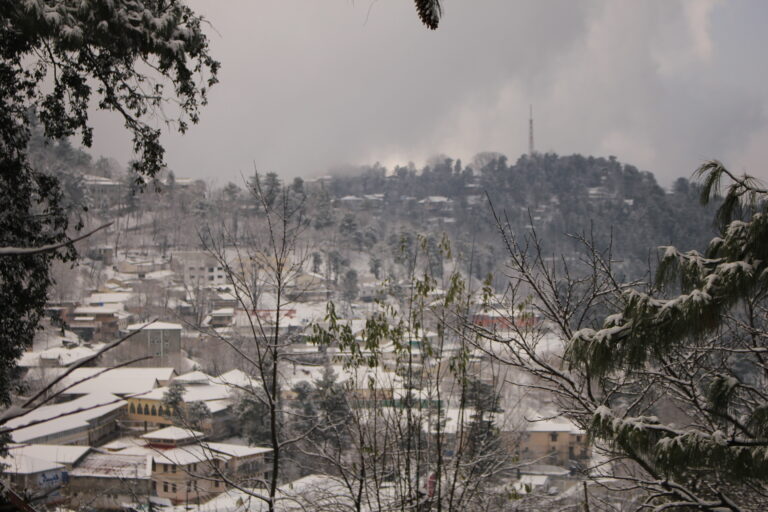
The safest main window is June to mid-September, when roads are normally open. Naran is closed to tourists in winter, and the roads reopen in stages from April to May. Our best time to visit Naran Kaghan guide lists dated opening reports, and the Babusar road usually closes from November.
Practical tips
- Stay in Naran. See top hotels in Naran Kaghan Valley.
- Start early. Afternoon weather turns quickly at altitude.
- Carry cash. Signal and ATMs are limited beyond Naran.
- Dress in layers, and see what to pack for Naran Kaghan.
- Do not litter. These lakes sit inside a national park.
Frequently asked questions
Which is the most beautiful lake in Naran Kaghan?
Saif-ul-Mulook is the most famous, but Dudipatsar and Ansoo reward trekkers with quieter scenery.
Can I visit Lulusar Lake by car?
Yes. It sits beside the Naran to Babusar road and needs no trek, though the road is only open in summer.
How high is Ansoo Lake?
Our guide gives about 4,245 m, which makes it the highest of the four.
Do I need a guide for Dudipatsar?
A guide is advisable. The trail is long and the weather changes quickly.
When is Saif-ul-Mulook closed?
Snow closes the access road for much of the winter, and the lake usually reopens from around late April or May, depending on the year.
Roads, jeep rates and trail conditions change. Confirm them locally before you travel.