

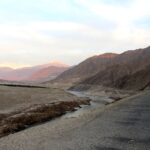
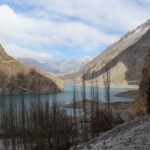
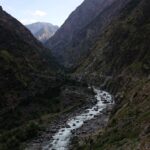


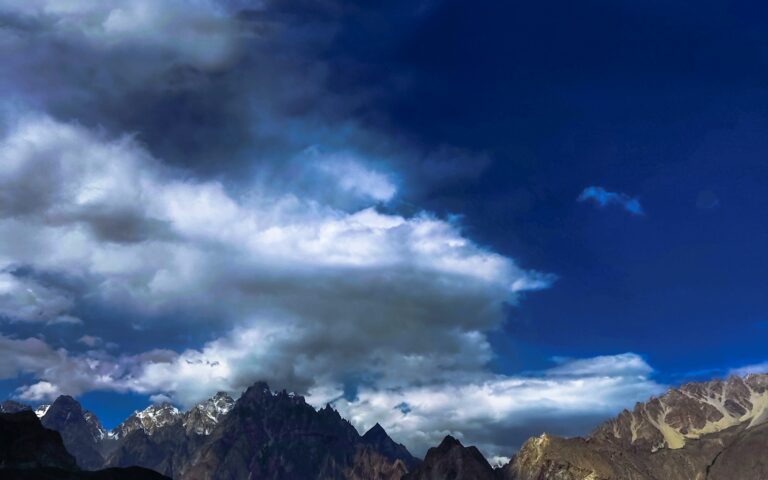
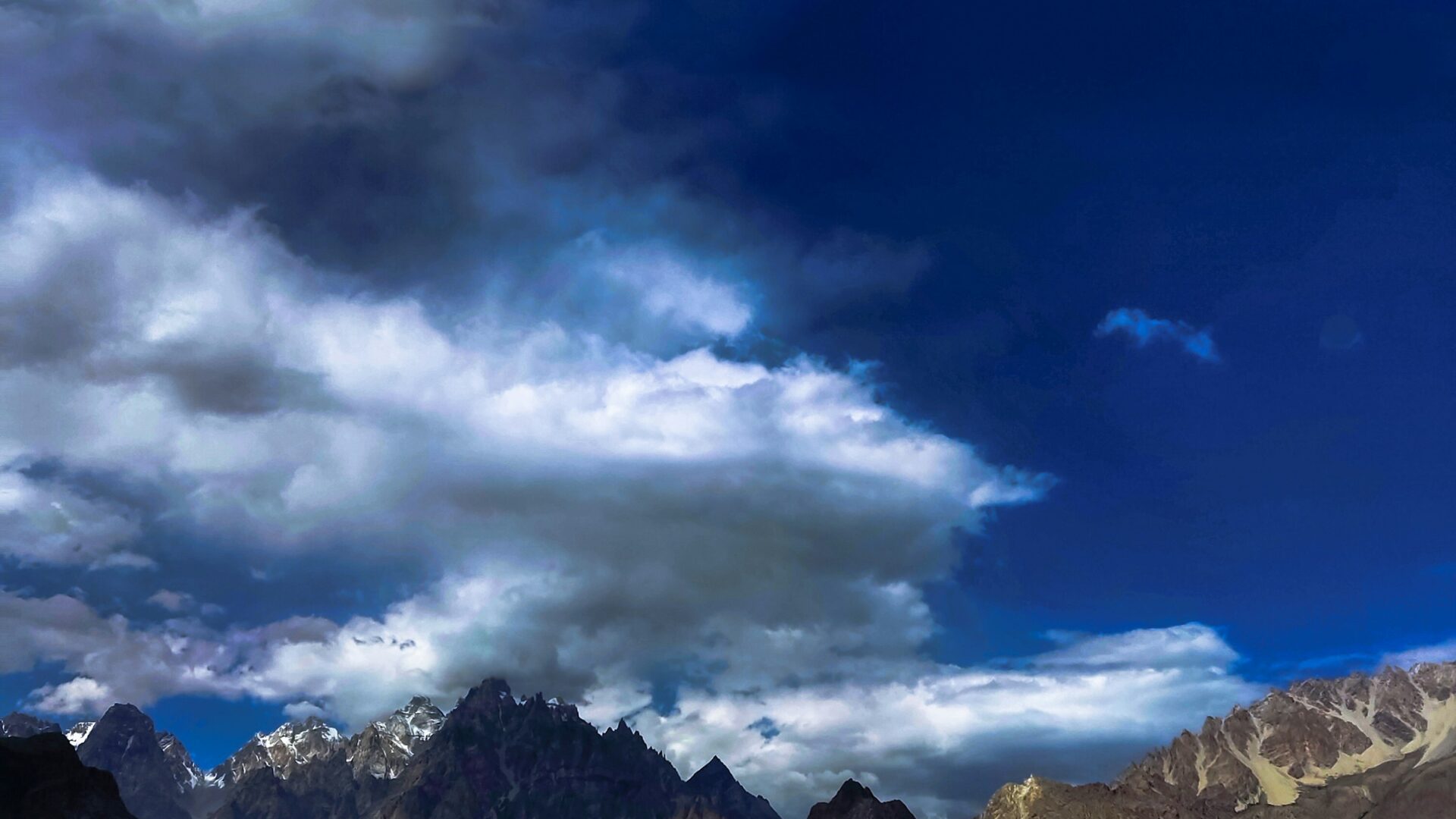
You do not need to hike to see the Passu Cones: the Karakoram Highway runs right beneath them. The row of spires belongs to Tupopdan, a 6,106 m peak north of Passu village in Upper Hunza, and it looks best in the first and last hour of sun. Last checked: November 2026.
Quick answer: how to see the Passu Cones
The Passu Cones are the row of sharp rock spires on Tupopdan, a 6,106 m mountain north of Passu village in Gojal, Upper Hunza. You do not need to hike to see them: the Karakoram Highway runs straight past, and the classic view is from the road in Passu, with more angles from the Hussaini suspension bridge and the Attabad Lake area. Come in early morning or late afternoon for the best light, and between April and October for the easiest travel.
Passu Cones quick facts
| Item | Detail |
|---|---|
| Official name | Tupopdan; also called Passu Cathedral or Passu Cones |
| Height | 6,106 m (20,033 ft) |
| Range | South Ghujerab Mountains, Karakoram |
| Rock | Limestone |
| Location | North of Passu village, Gojal, Hunza District, Gilgit-Baltistan |
| First ascent | 6 July 1987, Andy Cave and John Stevenson, by the northeast ridge |
| Distance from Karimabad | Passu is about 40 to 50 km by road |
| Distance from Gulmit | About 20 km |
| Language | Wakhi is spoken in Passu; Urdu is widely understood |
What the name Tupopdan means
Two meanings are given for the name. One is “sun-drenched mountain”. The other is a Wakhi meaning, “hot rock”, which refers to the way snow slides off the sunny southern faces soon after winter storms. The names Passu Cones and Passu Cathedral came later, from travellers describing the row of pointed spires.
Where are the Passu Cones?
Passu is a small village on the Karakoram Highway in Gojal, the Upper Hunza area north of Attabad Lake. It sits along the Hunza River between Hussaini and the turn off for Shimshal, which leaves the highway about 5 km north of Passu. Tupopdan rises on the east side of the river, north of the village, with Passu Sar (7,478 m) and the Passu and Batura glaciers on the west. See our Gojal Valley travel guide for the wider region.
How to reach Passu
Gilgit has the nearest airport, with flights that depend on the weather from Islamabad. From Gilgit, the drive along the Karakoram Highway through Hunza, the Attabad tunnels and Gulmit takes around four to five hours. From Karimabad, it is roughly an hour to Passu. Public vans run along the highway, but a hired car lets you stop at viewpoints. Our Karakoram Highway road trip guide covers the route.
Best time to visit
| Season | What you get |
|---|---|
| Spring (April to May) | Blossom in the villages and snow still on the spires |
| Summer (June to August) | Long days and the easiest travel; afternoon haze is possible |
| Autumn (September to November) | Golden poplars, clear air and some of the best photographs |
| Winter (December to March) | Snow covered peaks, very cold, with some guesthouses closed |
Compare seasons in our spring vs autumn in Hunza and Hunza in winter guides.
Weather
Passu is dry and sunny, with warm summer days, cold nights and harsh winters well below freezing. Wind often picks up in the afternoon along the river. The sun is strong at this altitude even when the air is cool.
Best viewpoints for the Passu Cones
| Viewpoint | What you see | Best time |
|---|---|---|
| Karakoram Highway at Passu | The full row of spires above the road and river | Early morning and late afternoon |
| Hussaini suspension bridge | The cones beyond the bridge and the Hunza River | Morning |
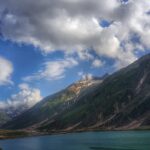
| Gulmit and the Attabad Lake area | The cones in the distance across the lake and valley | Morning |
| Ondra Poygah in Gulmit | A raised view toward the cones from the old fort | Late afternoon |
Read our guides to Ondra Poygah and Attabad Lake for these viewpoints.
Climbing history
Tupopdan was first climbed on 6 July 1987 by a five member British expedition. Andy Cave and John Stevenson reached the summit after approaching through the Markhun valley and climbing the northeast ridge. Climbing the peak is a serious mountaineering undertaking that needs permits and an experienced team; see our trekking and climbing permit fees guide.
Things to do around Passu
- Photograph the cones from the highway at sunrise or sunset.
- Cross, or simply look at, the Hussaini suspension bridge over the Hunza River.
- Walk up to the Passu Glacier viewpoint.
- Hike to Borith Lake near Hussaini.
- Visit the Batura Glacier, one of the longest outside the polar regions.
- Drive north to Sost and the Khunjerab Pass.
Our Borith Lake and Passu Cones guide covers the walks in more detail.
Photography tips
The south facing spires catch warm light at both ends of the day, so plan for golden hour. A wide lens captures the road and the full ridge, while a short telephoto isolates individual spires. Stop only where it is safe to pull off the Karakoram Highway, and ask before photographing people in the village.
Where to stay
Passu has family run guesthouses and small hotels, and Gulmit and Hussaini nearby have more options. Staying overnight lets you see the cones in both morning and evening light. See our best hotels in Hunza.
What to eat
Guesthouses in Passu serve home style Hunza and Wakhi food, including apricot dishes and local breads. Our Hunza food guide lists the main dishes.
Estimated costs
There is no fee to see the Passu Cones. We have not verified current rates for transport or accommodation, so budget for a car or van along the Karakoram Highway, guesthouse nights and meals. Our Pakistan travel cost guide helps you estimate the rest.
Packing checklist
- Warm layers and a windproof jacket
- Sunglasses, sun hat and sunscreen
- Walking shoes for glacier viewpoints and village paths
- Camera with a wide and a short telephoto lens
- Cash, as card payment is rare in Gojal
See our northern Pakistan packing list.
Travel tips
- Stay at least one night in Passu or Gulmit to catch both sunrise and sunset.
- Fill up with fuel and cash in Aliabad or Karimabad.
- Check the highway status after heavy rain or snow.
- Take your time at altitude; see our altitude sickness guide.
Safety tips
- Park well off the Karakoram Highway; trucks travel fast here.
- The Hussaini bridge has wide gaps between planks; cross only if you are confident, and hold both side cables.
- Do not walk onto glacier ice without a local guide.
- Carry warm clothing even on summer evenings.
Responsible tourism
Passu is a small village. Keep drone noise and loud music away from homes, carry litter out of viewpoints and glaciers, dress modestly and support local guesthouses and guides.
Emergency contacts
Rescue 1122 operates in Hunza and police 15 is the standard police number. Mobile coverage is available in Passu but can be weak away from the highway.
Nearby attractions
Suggested one day plan from Karimabad
- Morning: drive through the Attabad tunnels and stop at the lake.
- Late morning: stop at Gulmit, then the Hussaini suspension bridge.
- Afternoon: walk to Borith Lake or the Passu Glacier viewpoint.
- Golden hour: photograph the cones from the highway at Passu, then stay overnight or return to Karimabad.
Frequently asked questions
How high are the Passu Cones?
The summit of Tupopdan, the Passu Cones, is 6,106 m (20,033 ft).
Do I need to hike to see the Passu Cones?
No. They are clearly visible from the Karakoram Highway at Passu and from several nearby viewpoints.
What does Tupopdan mean?
It is translated either as “sun-drenched mountain” or, in Wakhi, as “hot rock”.
Has anyone climbed the Passu Cones?
Yes. Andy Cave and John Stevenson made the first ascent on 6 July 1987 by the northeast ridge.
How far are the Passu Cones from Karimabad?
Passu is about 40 to 50 km from Karimabad, roughly an hour by road.
When is the best time to photograph the Passu Cones?
Early morning and late afternoon, especially in spring and autumn.
Conclusion
Stay one night in Passu or Gulmit if you can. The cones catch the sun at both ends of the day, and a day trip from Karimabad usually sees only one of them.