








🧭 Introduction
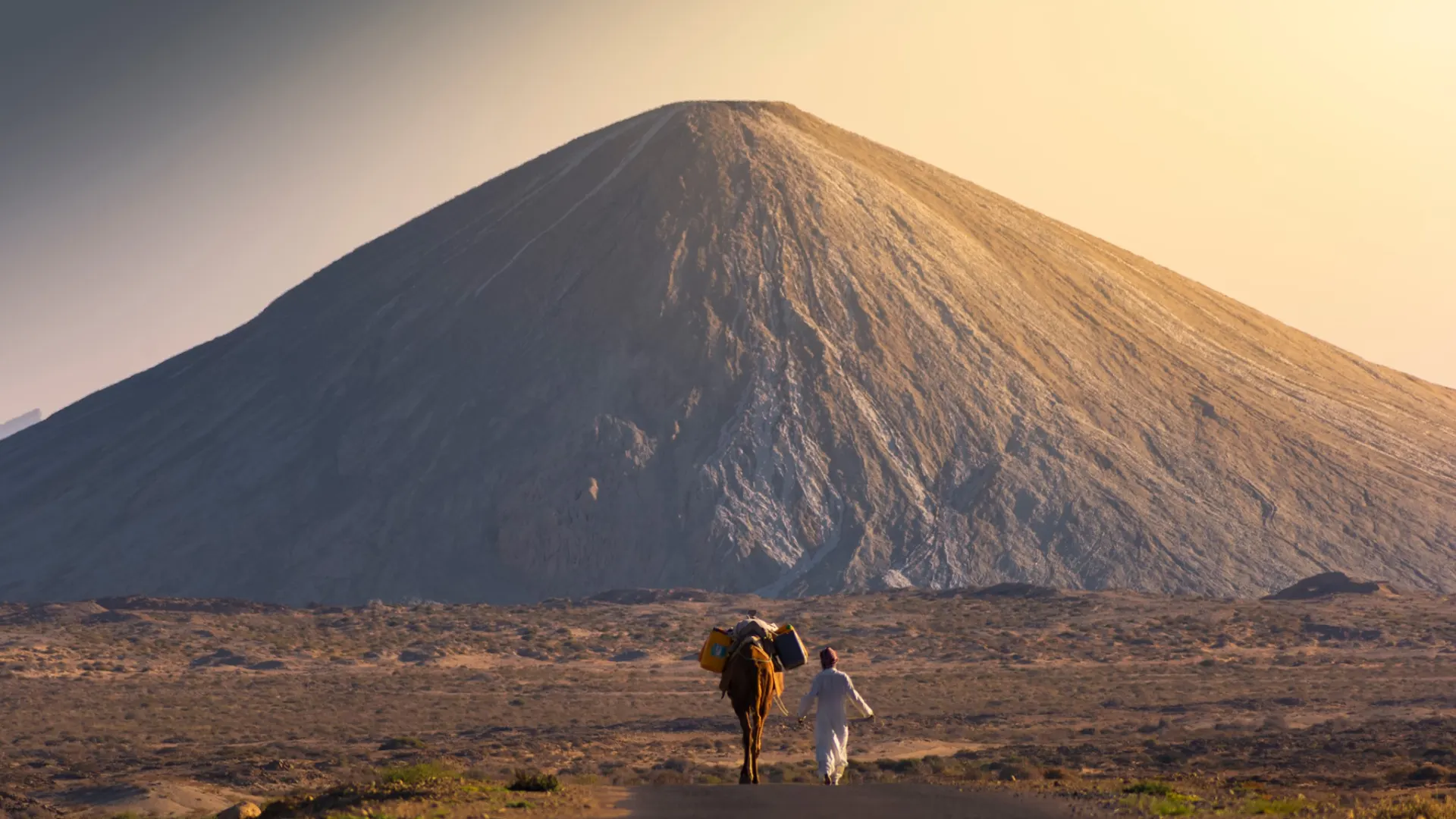
Set within the rugged terrains of Balochistan, the mud volcanoes stand as a testament to Earth’s dynamic processes. Unlike their fiery counterparts, these volcanoes ooze out cold mud, creating unique landscapes that captivate geologists and travelers alike.
📍 Location & Accessibility
The mud volcanoes are primarily located within Hingol National Park, approximately 100 km from Uthal, the district headquarters of Lasbela. The most renowned among them are the Chandragup and Khandewari volcanoes.
🛣️ Distance
| Starting Point | Distance to Chandragup | Estimated Travel Time |
|---|---|---|
| Karachi | 240 km | 4-5 hours |
| Uthal | 100 km | 2 hours |
| Gwadar | 300 km | 5-6 hours |
🌄 Geological Significance
These volcanoes are formed due to the expulsion of mud, water, and gases from deep within the Earth. The process is driven by tectonic activity, making Balochistan’s landscape a dynamic and ever-changing canvas.
🛕 Cultural & Religious Importance
The Chandragup Mud Volcano holds religious significance for Hindu pilgrims en route to the Hinglaj Mata Temple. Devotees often stop here to offer prayers, believing the volcano to be a sacred entity.
📅 Best Time to Visit Mud Volcanoes
The optimal period to explore these natural wonders is between November and February, when the weather is cooler and more conducive for travel.
🏞️ Nearby Attractions
- Hingol National Park: Home to diverse wildlife and unique rock formations.
- Kund Malir Beach: A pristine shoreline offering serene views.
- Princess of Hope: A naturally sculpted rock formation resembling a poised woman.
🎒 Travel Essentials for Mud Volcanoes
- Water & Snacks: Essential due to the remote location.
- Sun Protection: Hats, sunglasses, and sunscreen are recommended.
- Navigation Tools: GPS devices or offline maps.
- First Aid Kit: For minor injuries or ailments.
🚗 Getting There
Travelers can embark on a journey via the Makran Coastal Highway, a scenic route that offers scenic views of the Arabian Sea and the surrounding landscapes.
📸 Photography Tips
- Golden Hour: Capture the volcanoes during sunrise or sunset for dramatic lighting.
- Wide-Angle Lens: To encompass the vastness of the landscape.
- Drone Photography: Offers a unique aerial perspective, but ensure compliance with local regulations.
🛌 Accommodation Options
While the area is remote, travelers can find basic accommodations in nearby towns like Uthal or opt for camping experiences within Hingol National Park.
🍽️ Local Cuisine
Experience Balochistan’s rich culinary heritage by trying local dishes such as Sajji (roasted lamb) and Kaak (traditional bread).
🛡️ Safety Precautions
- Travel in Groups: Due to the remoteness, it’s safer to travel with companions.
- Inform Authorities: Notify local authorities about your travel plans.
- Check Weather Conditions: Avoid visiting during extreme weather.
🙋 Top FAQs
What are mud volcanoes?
Mud volcanoes are geological formations where a mixture of mud, water, and gases are expelled from the Earth’s crust, creating dome-like structures.
Are mud volcanoes dangerous?
Generally, they are not dangerous as they emit cold mud and gases. However, it’s advisable to maintain a safe distance during active eruptions.
Can tourists visit the mud volcanoes?
Yes, tourists can visit the mud volcanoes. However, due to their remote locations, it’s recommended to plan ahead and possibly hire a local guide.
Is there any entry fee?
Currently, there is no entry fee to visit the mud volcanoes. However, donations for maintenance are appreciated.
What should I wear when visiting?
Wear comfortable clothing suitable for hiking, along with sturdy footwear. Sun protection is also essential.
🏁 Conclusion
The mud volcanoes of Balochistan offer a unique blend of geological wonder and cultural significance. Whether you’re a geology enthusiast, a spiritual seeker, or an adventurous traveler, this destination promises an unforgettable experience. As you stand amidst these natural marvels, you’ll witness the Earth’s dynamic processes in action, leaving you with a profound appreciation for the planet’s ever-evolving landscape.
Facts, distances and seasons in this guide are approximate and vary by source. Confirm current access, permits and conditions with local authorities or a registered operator before you travel. Last checked: October 2026.
Facts about the Hingol mud volcanoes
- Where. They lie inside Hingol National Park in Balochistan, along the Makran Coastal Highway. Distances from Karachi are reported at roughly 190 to 250 km depending on the site and route.
- Size. The best-known, Chandragup (also Chandrakup, “Moon Well”), is an active mud volcano reported at about 100 m (around 300 ft) tall, with a crater of grey-brown mud and methane gas bubbles. There are about ten clusters of mud volcanoes in the Hingol and Hinglaj area, including Chandragup and Khandewari.
- Why it matters. Hindus treat Chandragup as sacred and an important stop before the Hinglaj Mata temple, a cave shrine in the park. The annual Hinglaj Yatra takes place in April and has drawn thousands of pilgrims, and UNESCO’s tentative-list entry notes more than 5,000 come for the April gathering.
- Not a typical volcano. The mud is cold and is pushed up by gas, not magma. Even so, treat the surface as unstable, because mud can be soft and slippery.
Visiting etiquette and safety
This is both a natural site and a place of worship. Dress modestly, follow local guidance, do not throw rubbish into the crater and ask before photographing pilgrims. Our Makran Coastal Highway guide and Hingol National Park guide cover the wider route.
See also: Botanical Gardens in Pakistan for Nature Enthusiasts, Exploring the Rich Flora and Fauna of Pakistan’s Northern Areas and Indus River Pakistan.