






Last checked: October 2026. Border schedules, fees and who may cross change often. Confirm with your operator or the Sost checkpoint, and check whether you need a Chinese visa for onward travel.
Sost is the last town in Pakistan before China. Every truck, bus, and traveler crossing the Khunjerab Pass passes through its customs post first. Understanding how this actually works matters more than at almost any other border crossing in the country.
Sost Dry Port travel guide: the basics
| Detail | Sost Dry Port |
|---|---|
| Established | 1985 |
| Elevation | 2,800 meters |
| Distance from Khunjerab Pass | Roughly 75 to 85 km |
| Distance from Islamabad | Roughly 870 km |
What the Dry Port actually is
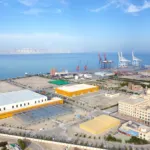
Sost Dry Port is the first formal customs facility on the Pakistan-China border. It was established in 1985 to handle trade between the two countries. Today it’s a genuine link in the China-Pakistan Economic Corridor, processing both cargo and passenger traffic. Every vehicle, whether carrying goods or tourists, clears Pakistani immigration and customs here before continuing toward the pass.
How the crossing actually works
- Border operating days: Monday through Friday only. It’s closed on weekends and during Chinese and Pakistani holidays.
- Season: the road and crossing usually open from around April or May to November, depending on snow and landslides, and may close at short notice. Tourist access to the pass itself and through-crossings to China follow separate arrangements, so confirm current status locally before you travel.
- Operating hours: the Pakistani side runs roughly 9 AM to 5 PM Islamabad time, three hours behind Beijing time on the Chinese side.
- Vehicle convoys: motorbikers and private vehicles typically cross alongside scheduled NATCO buses as part of a convoy, not independently.
- Khunjerab National Park fee: payable on the Pakistani side even if you are only passing through. Reports give roughly USD 6 to 10 per person for foreigners, so confirm the current amount at the checkpoint.
Sost Dry Port travel guide: practical tips
- Exchange currency in Sost, not after. This is the last reliable place to change Pakistani rupees to Chinese yuan; options on the Chinese side are limited.
- Bring snacks and water regardless of season. The pass itself sits above 4,600 meters, and the crossing process takes hours.
- Carry your police registration card. Pakistani immigration requests this on departure from the country.
- Don’t rush your paperwork. Health check forms and immigration stamps both happen at the Sost office, and the process takes patience.
Pair this with our Khunjerab National Park guide and Gojal Valley guide, since Sost sits within this wider region.
Crossing to China by bus from Sost
Sost is the last town on the Karakoram Highway in Pakistan, with Pakistani immigration and customs and the Sost Dry Port. Foreign travellers cannot simply drive to the border and walk across: crossings are made on scheduled buses run by NATCO and the Hunza-Xinjiang transport company between Sost and Tashkurgan in China. Traveller reports describe a journey of about five to six hours, plus time for checks on both sides.
- Arrive the day before. Immigration starts around 9 am, and buses often wait to fill, so reports advise reaching Sost the day before you plan to cross.
- Weekdays only. Reports say the border is closed to this traffic on weekends, so plan around that and check current days with the bus offices.
- Ticket prices vary. Recent traveller reports mention about PKR 2,800 to 3,300 for a NATCO ticket, while older reports gave lower figures. Confirm at the office.
- National park fee. Foreigners are charged a Khunjerab National Park fee at the park gate, reported from about USD 6 to 10 (roughly PKR 800 to 1,300), so keep cash handy.
- Paperwork. Expect a health declaration at Pakistani immigration, and you need a valid Chinese visa for onward travel.
- Distances. The Pakistani side is about 75 to 85 km from the pass, and the Chinese port of entry is at Tashkurgan.
Open days, bus schedules, visa rules and fees change often. Confirm them with the bus companies before you plan. See our borders of Pakistan guide and the Khunjerab Pass guide.
The Sost Dry Port
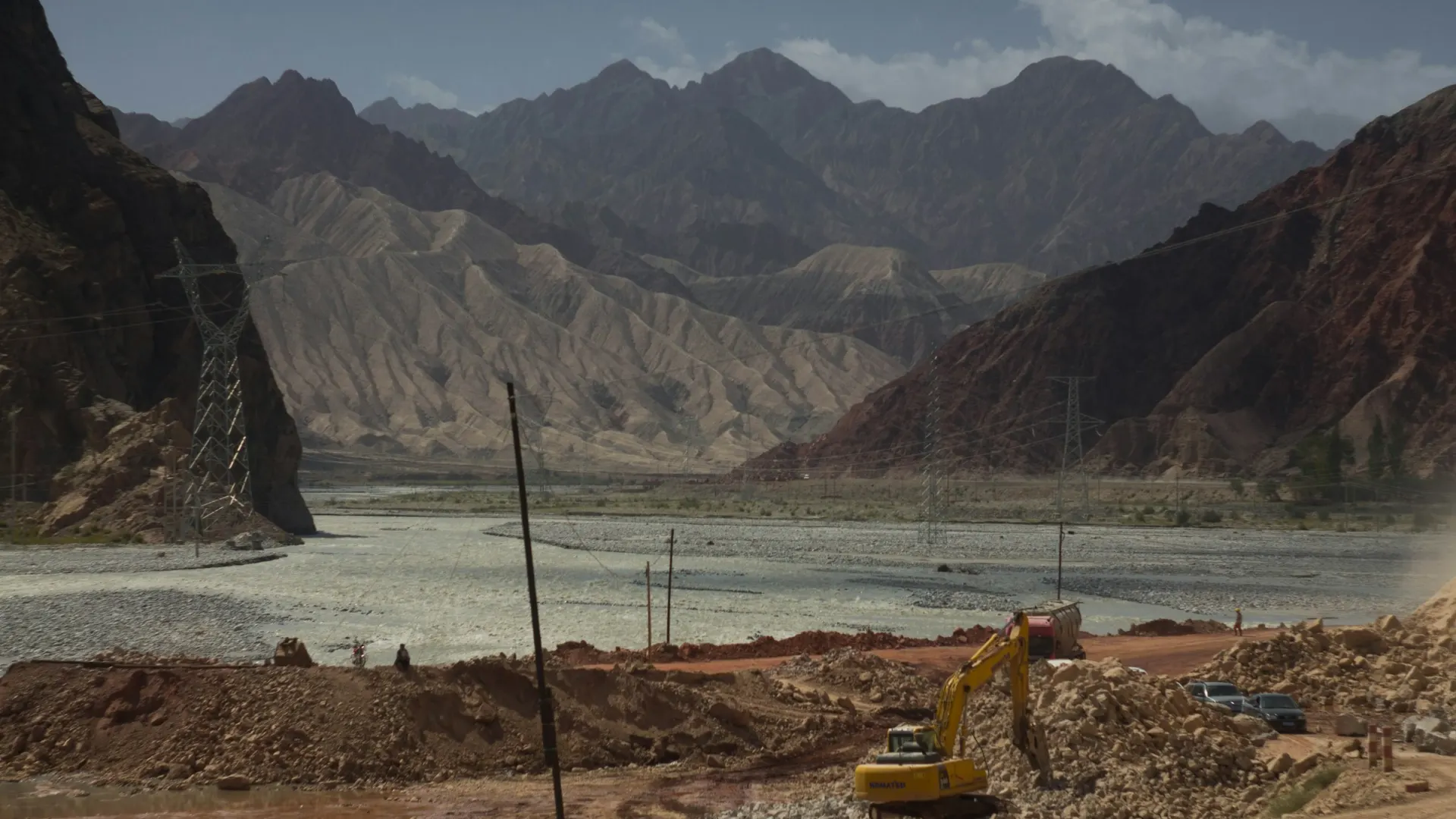
The Silk Route Dry Port at Sost handles cargo crossing the Pakistan-China border, and Pakistani customs and immigration offices are based in town. It is a working trade hub, with truck workshops, small shops and ticket offices rather than major tourist sights.
Frequently asked questions
What is Sost Dry Port?
Pakistan’s first formal customs facility on the China border. Established in 1985, it’s now a key link in the China-Pakistan Economic Corridor.
What days is the Khunjerab border open?
Monday through Friday only, closed on weekends and during Chinese and Pakistani holidays.
Where should I exchange currency before crossing into China?
In Sost. It’s the last reliable place to convert Pakistani rupees to Chinese yuan before the border.
How far is Sost from the actual Khunjerab Pass?
Roughly 75 to 85 km, depending on the source, a drive of a few hours through Khunjerab National Park.
Do I need to pay a fee even if I’m just passing through Khunjerab National Park?
Yes, a park entrance fee applies on the Pakistani side regardless of whether you stop. It runs roughly $8 to $10 per person for foreigners.