

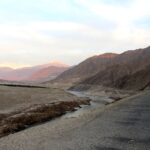
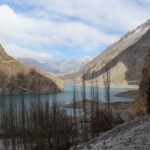
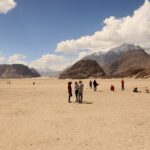
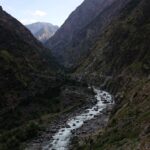



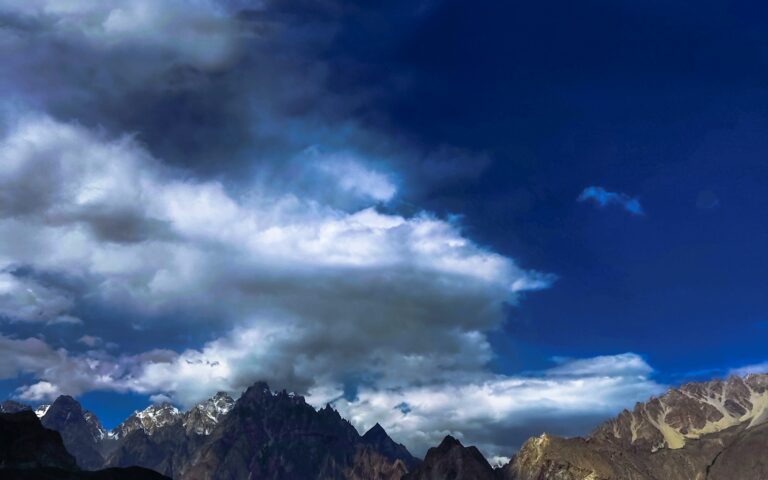

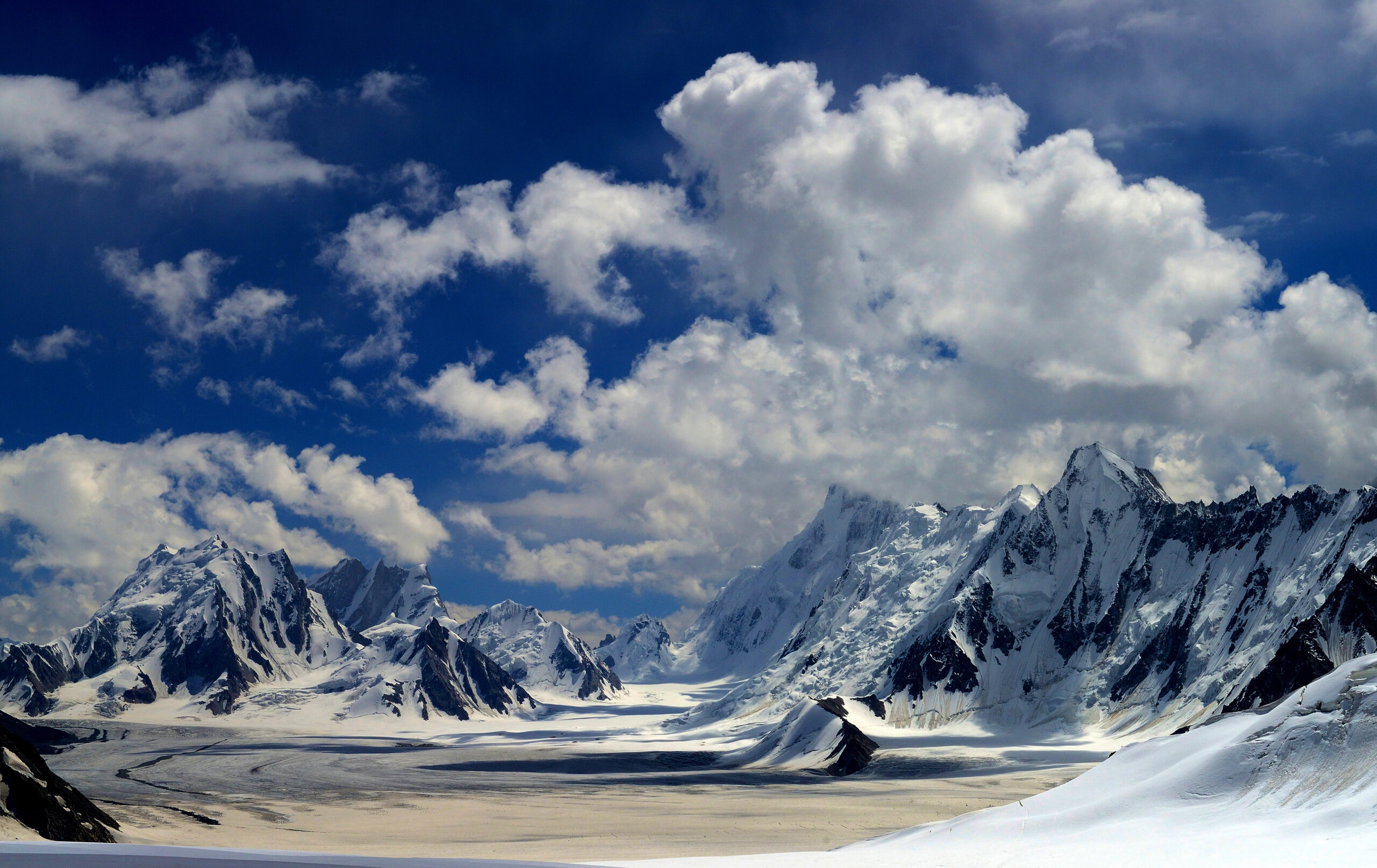
The Snow Lake trek is one of the longest and most remote glacier journeys in the Karakoram. It follows the Biafo Glacier from Askole up to Snow Lake, crosses the Hispar La and descends the Hispar Glacier to Hispar village in Nagar. It is a serious expedition, not a casual hike, and it needs guides, permits, glacier experience and weeks of time. This Snow Lake trek guide explains the route, difficulty, season, permits and planning, and what to confirm with an operator before you commit. Last checked: October 2026. Permit rules, fees and conditions change, so confirm every requirement with your operator and the relevant authorities.
Quick answer: what is the Snow Lake trek?
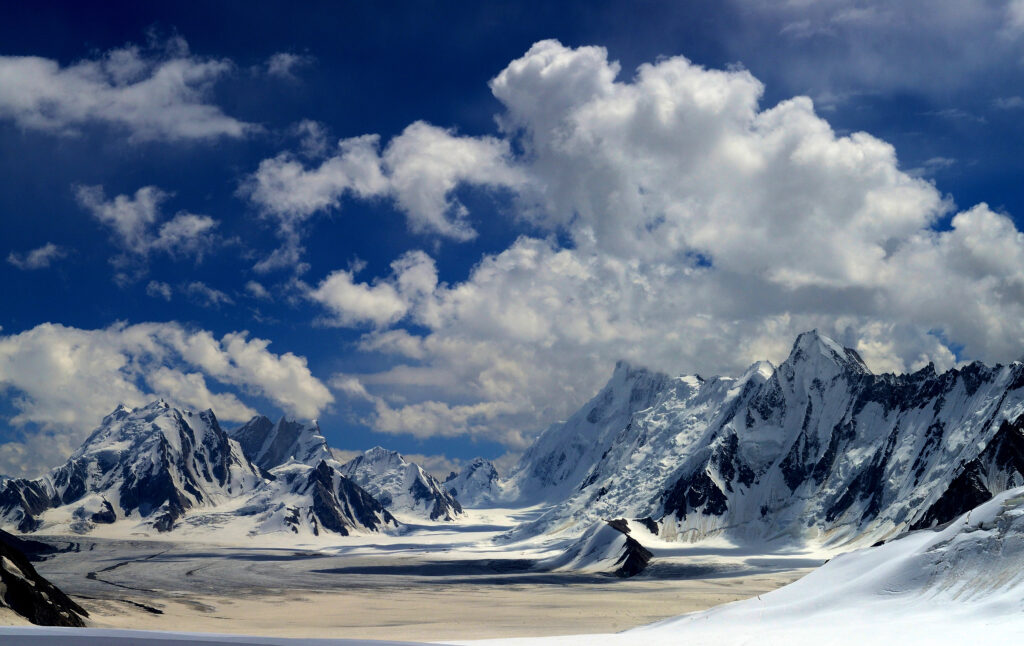
It is a point-to-point glacier traverse in Gilgit-Baltistan, usually done in the summer months with a guide, porters and a full camping team. Snow Lake itself, also called Lukpe Lawo, is a high glacial basin at the head of the Biafo and Hispar glaciers, at about 4,877 m. Together the two glaciers form a continuous ice system of roughly 100 km. The route is demanding and remote, and reference sources state that a guide is mandatory because it passes through restricted areas of Central Karakoram National Park.
Snow Lake trek quick facts
| Detail | Snow Lake trek (Biafo to Hispar) |
|---|---|
| Region | Central Karakoram, Gilgit-Baltistan |
| Start | Askole village, about 3,000 m, reached by jeep from Skardu |
| Finish | Hispar village, Nagar |
| Snow Lake elevation | About 4,877 m |
| Hispar La | Roughly 5,100 to 5,200 m, depending on the source |
| Duration | Typically 12 to 22 days, depending on the itinerary and weather |
| Typical season | June to September |
| Difficulty | Strenuous; remote, with crevasses and long moraine days |
| Guide | Mandatory |
The route
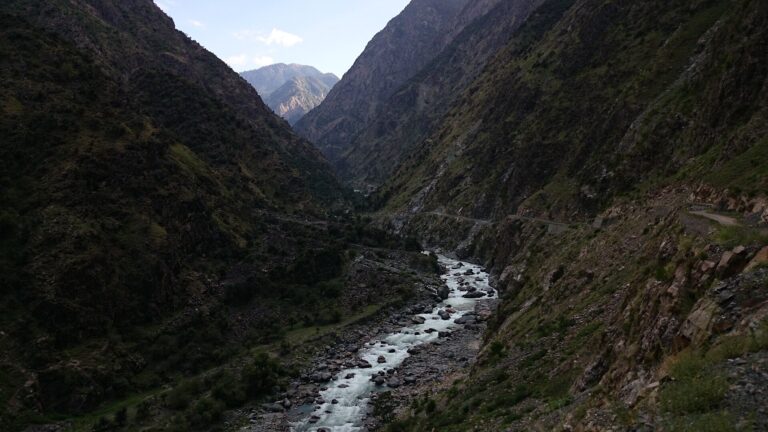
From Skardu, a jeep ride through the Braldu Gorge to Askole takes roughly six to eight hours depending on road conditions. The trek starts on the K2 Base Camp trail and then turns onto the Biafo Glacier, which is about 67 to 68 km long. The first stage is several days up the glacier, with camps on moraine and grassy ledges, and one day spent crossing the glacier and its unstable edges.
The route then reaches Snow Lake and continues to the Hispar La. The descent on the Hispar side is widely described as harder than the Biafo ascent, with crevasses and a number of tributary glaciers to cross. The trek finishes at Hispar village after several days along the Hispar Glacier.
Permits and rules
The trek lies inside Central Karakoram National Park, and operators and reference sources describe a guide as mandatory, with independent trekking not permitted. Rules, fees and any No Objection Certificate requirements change, so ask your operator which permits they will arrange and confirm the current position with the Gilgit-Baltistan tourism authorities. Allow buffer days in Skardu in case paperwork is delayed. For background, see our guides to trekking permits in Gilgit-Baltistan and the Central Karakoram National Park.
Best time to do the Snow Lake trek
Operators typically run the trek from June to September. Weather and snow conditions on the Hispar La vary from year to year, so itineraries include spare days. Do not plan a fixed return flight too close to the end of the trek.
How hard is the Snow Lake trek?
It is harder than most well-known treks in Pakistan. Days of five to eight hours, and sometimes longer, on moraine and glacier ice are common. You carry or arrange food for the whole trip, and there are no villages or communication network along the glacier. Some trekkers describe it as tougher than K2 Base Camp because it is more remote and less travelled. It suits experienced trekkers who have already completed multi-day treks at altitude, ideally with glacier and crevasse awareness.
How to reach the start
Nearest airport
Skardu has an airport, and flights from Islamabad are weather-dependent. Confirm schedules with the airline and keep spare days in your plan.
Road access
Skardu is also reached by the Karakoram Highway. From Skardu, the jeep road to Askole follows the Braldu Gorge. Read our Skardu guide for more on the base town.
Where to stay and what to eat
Most trekkers spend a rest day in Skardu before and after the trek. Check hotel options in our Skardu hotel guide and confirm availability directly. On the trek, your operator’s cook provides meals, and you should carry snacks you like.
Estimated costs
Operators price the trek as a package in US dollars, and quotes vary widely with the length of the itinerary, group size, what is included and the season. Ask for an itemised quote covering permits and park fees, guide, cook, porters, food, transport, equipment and emergency arrangements, and compare at least two operators. Do not rely on a single advertised price.
Packing checklist
- Broken-in mountaineering or trekking boots and gaiters
- Layered clothing, a warm sleeping bag and a four-season tent if not provided
- Sun hat, glacier glasses and high-factor sunscreen
- Trekking poles, headlamp and spare batteries
- Personal first-aid kit and water purification
- Crampons and harness if your operator requires them
Travel tips and safety tips
- Choose an operator with glacier experience and ask how they handle rescue and evacuation.
- Buy travel insurance that explicitly covers high-altitude trekking and helicopter evacuation.
- Carry a satellite communicator or confirm your guide has one, because there is no mobile network.
- Build acclimatisation days into the plan and descend if symptoms of altitude sickness appear.
- Watch for crevasses, unstable moraine and fast-changing weather.
- Respect local guides and porters, and agree fair pay and equipment for them in advance.
Responsible tourism
Carry out all your rubbish, use designated camps where possible, treat water carefully and avoid disturbing wildlife. Pay porters fairly, make sure they have proper clothing and shelter, and respect local customs in Askole and Hispar.
Emergency contacts
In towns, Police is 15 and Rescue 1122 is available where services exist. On the glacier, you rely on your operator’s emergency and evacuation plan, so agree it in writing before departure.
Nearby attractions
After the trek, Hispar village is in Nagar, near Hunza; read our Hispar Valley travel guide. For other Karakoram routes, see the K2 Base Camp trek, the Baltoro Glacier trek and the Concordia trek.
Possible outline itinerary
- Days 1 to 3: arrive in Skardu, rest, organise permits and gear.
- Day 4: jeep to Askole.
- Days 5 to 10: trek up the Biafo Glacier, including rest and acclimatisation days.
- Days 11 to 13: reach Snow Lake and cross the Hispar La.
- Days 14 to 18: descend the Hispar Glacier to Hispar village.
- Remaining days: weather buffer and transfer to Hunza or Gilgit.
Frequently asked questions
How long is the Snow Lake trek?
Itineraries typically run 12 to 22 days, depending on the route, pace and weather buffer.
Do I need a guide for the Snow Lake trek?
Reference sources state a guide is mandatory because the route enters restricted areas, so plan to book an operator.
When is the best time for the Snow Lake trek?
Operators typically run it from June to September.
Is Snow Lake a real lake?
No. It is a high glacial basin at the head of the Biafo and Hispar glaciers.
How hard is the Snow Lake trek?
It is strenuous and remote, with long moraine days, crevasses and high passes, so it is best for experienced trekkers.
Conclusion
The Snow Lake trek is one of the great glacier routes of the Karakoram, but it demands preparation, experience and a reliable operator. Confirm permits and costs with them, build in spare days and insure for high-altitude evacuation before you commit.
Sources and official information
See the reference entry for Snow Lake and the route notes on SummitPost. Confirm current permit and fee rules with the Gilgit-Baltistan tourism authorities.