



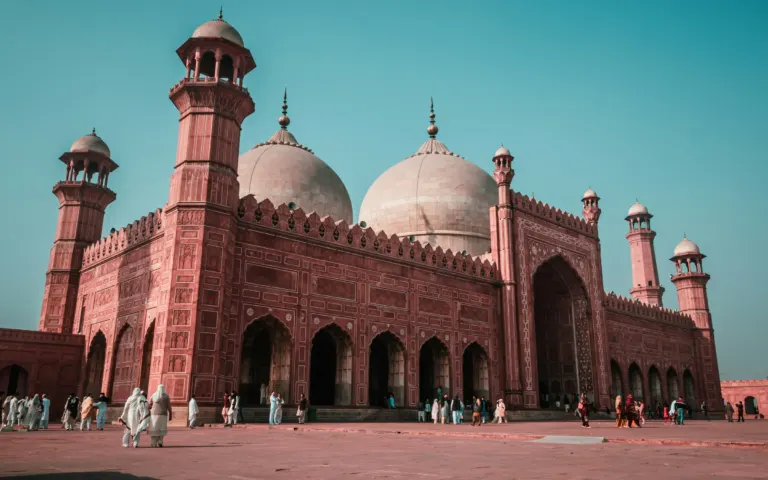
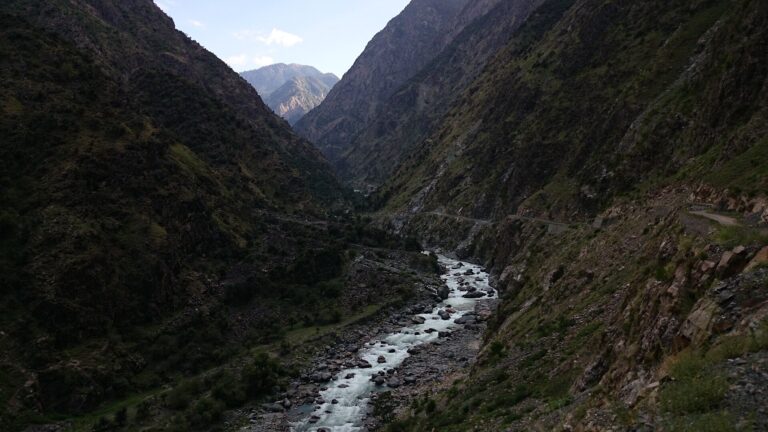
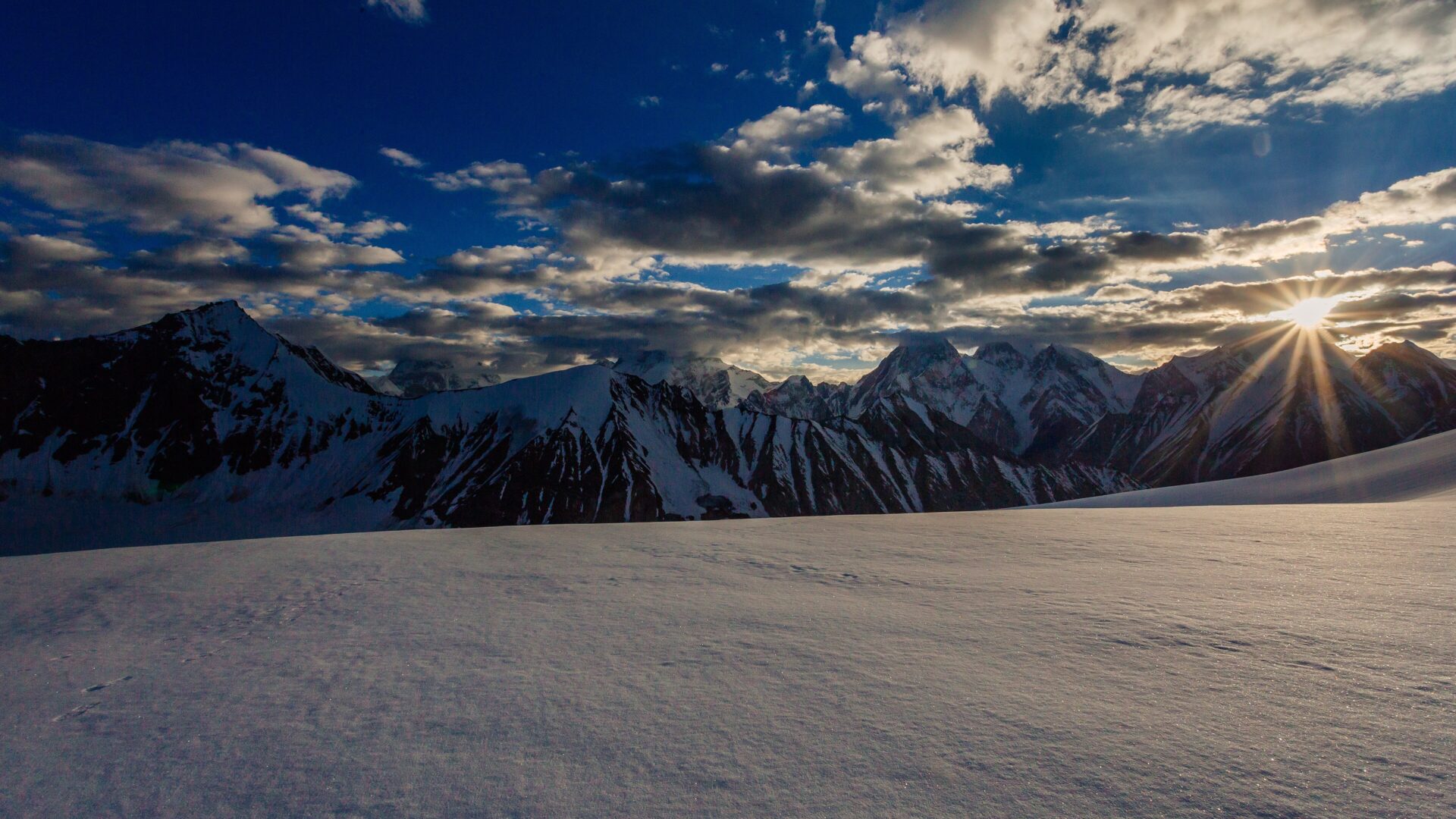
The Gondogoro La trek extends the K2 Base Camp route into a full loop. Trekkers go up the Baltoro Glacier to Concordia, then cross the Gondogoro La pass at about 5,585 m and descend into the Hushe Valley instead of walking back the way they came. It is one of the most celebrated high-altitude journeys in the Karakoram, and also one of the most demanding. This Gondogoro La trek guide explains the route, difficulty, season, equipment and planning questions to settle with an operator. Last checked: October 2026. Permit rules, fees and conditions change, so confirm every requirement with your operator and the relevant authorities.
Quick answer: what is the Gondogoro La trek?
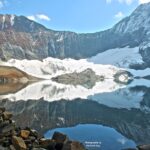
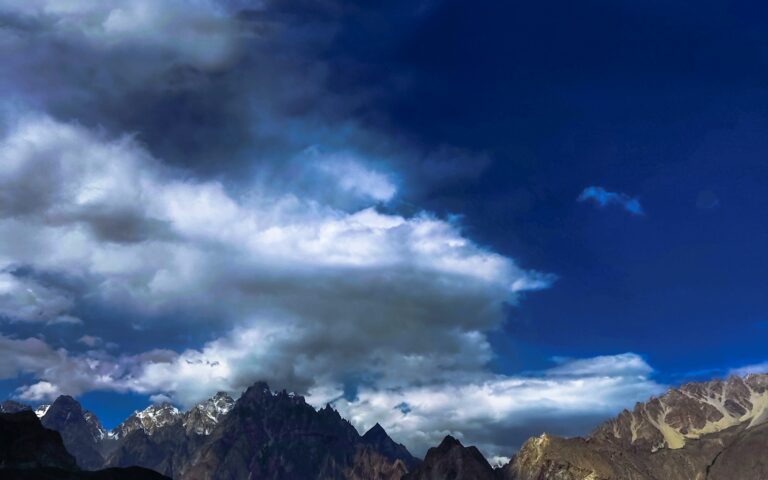
It is a point-to-point trek from Askole to Hushe, usually run in summer with a guide, cook and porters. Most operators combine it with K2 Base Camp and Concordia, so the whole loop typically takes two to three weeks. The crossing of the pass itself is a pre-dawn climb on snow and ice, and operators describe it as requiring basic mountaineering skills and equipment such as an ice axe and crampons. Views from the top include K2, Broad Peak and the Gasherbrum peaks.
Gondogoro La trek quick facts
| Detail | Gondogoro La trek |
|---|---|
| Region | Central Karakoram, Gilgit-Baltistan |
| Start | Askole, reached by jeep from Skardu |
| Finish | Hushe village, in the Hushe Valley (Ghanche District) |
| Gondogoro La height | About 5,585 m; some operators quote slightly higher figures |
| Concordia | About 4,700 m |
| Duration | Typically 14 days trek only, or about 20 to 21 days with transfers, depending on the operator |
| Typical season | June to September |
| Difficulty | Very demanding; high pass, glacier travel and steep snow |
| Guide | Required for permitted treks in this area |
The route
From Skardu, jeeps take trekkers through the Braldu Gorge to Askole. The trek follows the Baltoro Glacier through camps such as Jola, Paiju, Urdukas and Goro II to Concordia, where the Baltoro meets the Godwin-Austen Glacier beneath K2. Many groups make a day trip from Concordia to K2 Base Camp. For the lower part of the route, see our guides to the K2 Base Camp trek, the Baltoro Glacier trek and the Concordia trek.
From Concordia the route turns up the Vigne Glacier to Ali Camp, the high camp below the pass. Operators quote its elevation at roughly 4,800 to 5,000 m, so treat the exact figure as approximate. The climb to the pass starts in the middle of the night, usually around 2 or 3 am, so that the snow is firm and the crossing is finished before the sun softens it.
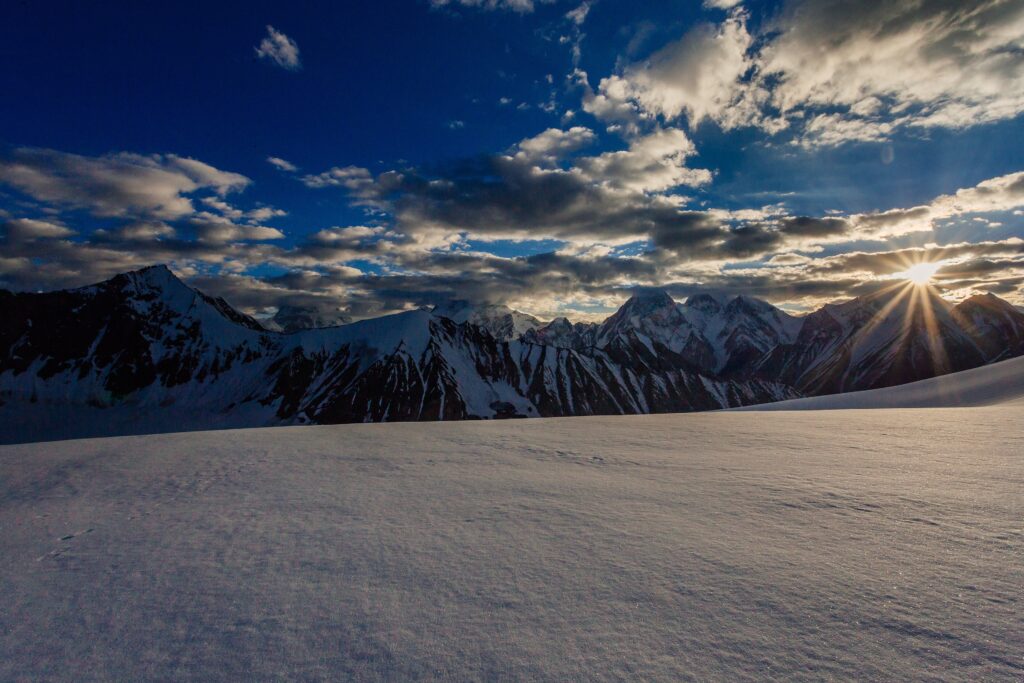
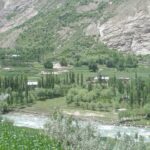
The descent leads to the Gondogoro Glacier and then down through the camps of the Hushe side to the village of Hushe, with drives back to Skardu via Khaplu. Read our guides to Hushe Valley and Khaplu Valley for what to see at the end of the route.
How hard is the Gondogoro La trek?
It is harder than the standard K2 Base Camp route. The Baltoro approach is long and rugged but relatively straightforward, while the pass crossing needs a good head for heights, steady footwork on steep snow and the fitness to climb for many hours at high altitude. Above Concordia, groups may move roped together where the glacier is snow-covered. It suits experienced trekkers with previous multi-day high-altitude experience, and ideally some basic crampon and ice-axe practice.
Permits and rules
The route lies in the restricted trekking zone of Gilgit-Baltistan and passes through Central Karakoram National Park. Trekking permits for restricted areas are normally arranged through a registered tour operator, and a guide is required. Fees and conditions change, so ask your operator what is included and confirm the current rules with the Gilgit-Baltistan tourism authorities. Our guide to trekking permits in Gilgit-Baltistan explains the general process.
Best time to do the Gondogoro La trek
June to September is the usual season. Snow and weather conditions on the pass vary between years, so itineraries include spare days. Do not book an international flight home for the day the trek is due to end.
How to reach the start
Nearest airport
Skardu has an airport, and flights from Islamabad depend on the weather. Confirm schedules with the airline and keep buffer days.
Road access
Skardu can also be reached over the Karakoram Highway. From Skardu the jeep road to Askole follows the Braldu Gorge and takes most of a day. See our Skardu guide for the base town.
Where to stay and what to eat
Most trekkers rest in Skardu before and after the trek. Check hotel options in our Skardu hotel guide and confirm availability directly. On the trek, your operator’s cook provides meals, and you should carry snacks you enjoy.
Estimated costs
Operators price this trek as a package in US dollars, and quotes vary with the length of the itinerary, group size, season and what is included. Ask for an itemised quote covering permits and park fees, guide, cook, porters, food, transport, camping equipment and emergency arrangements, and compare more than one operator. Do not rely on a single advertised price.
Packing checklist
- Broken-in mountaineering boots that take crampons
- Ice axe, crampons, harness and helmet, if not supplied by your operator
- Layered clothing, a warm sleeping bag and down jacket for high camps
- Glacier glasses, sun hat and high-factor sunscreen
- Trekking poles, headlamp and spare batteries
- Personal first-aid kit and water purification
Travel tips and safety tips
- Choose an operator with experience on the Gondogoro La and ask about their rescue and evacuation plan.
- Buy travel insurance that covers high-altitude trekking and helicopter evacuation.
- Carry a satellite communicator or confirm your guide has one, because there is no mobile network on the glacier.
- Allow time to acclimatise and be prepared to turn back if the conditions or your health are not right.
- Start the pass crossing early and keep a steady pace; stay with your guide and rope team.
- Agree fair pay, clothing and equipment for porters in advance.
Responsible tourism
Carry out your rubbish, use established camps, treat water carefully and avoid disturbing wildlife. Pay porters fairly, make sure they have proper clothing and shelter, and respect local customs in Askole and Hushe.
Emergency contacts
In towns, Police is 15 and Rescue 1122 is available where services exist. On the glacier, you rely on your operator’s emergency and evacuation plan, so agree it in writing before departure.
Nearby attractions
Around the end of the trek, Hushe and Khaplu are the main places to visit. If you want a different glacier route, see our guide to the Snow Lake trek.
Possible outline itinerary
- Days 1 to 3: arrive in Skardu, rest, organise permits and gear.
- Day 4: jeep to Askole.
- Days 5 to 11: trek up the Baltoro Glacier to Concordia, with acclimatisation days.
- Day 12: day trip to K2 Base Camp, or rest.
- Day 13: trek to Ali Camp.
- Day 14: pre-dawn crossing of the Gondogoro La, then descend.
- Days 15 to 17: walk down to Hushe village.
- Remaining days: weather buffer and transfer to Skardu.
Frequently asked questions
How high is the Gondogoro La?
About 5,585 m, though some operators quote a slightly higher figure.
How long is the Gondogoro La trek?
Typically about 14 days trek only, or around 20 to 21 days with transfers and rest days, depending on the operator.
Do I need technical equipment for the Gondogoro La?
Operators describe the crossing as needing an ice axe and crampons, and some groups rope up where the glacier is snow-covered.
When is the best time to cross the Gondogoro La?
June to September is the usual season.
Where does the trek finish?
At Hushe village in the Hushe Valley, followed by a drive to Skardu.
Conclusion
The Gondogoro La trek rewards experienced trekkers with a full loop through the heart of the Karakoram and one of the best mountain panoramas in the world. It demands fitness, preparation and a reliable operator, so confirm permits, costs and emergency plans before you commit.
Sources and official information
Confirm current permit and fee rules with the Gilgit-Baltistan tourism authorities, and see our guide to Central Karakoram National Park for park background.