














An urs is the annual commemoration of a Sufi saint’s death, understood by devotees as the saint’s union with God. Across Pakistan, the biggest urs turn shrines and the streets around them into fairs of qawwali, drumming, free food and pilgrimage. For a traveller they are among the most vivid cultural events in the country, and also among the most crowded.
This guide lists the major urs, explains why their dates move, and covers how to attend one respectfully.
Quick answer
Urs follow the Islamic lunar calendar, so each one moves about eleven days earlier in the Gregorian calendar every year. The best-known are the urs of Lal Shahbaz Qalandar in Sehwan (18 Sha’ban), Data Ganj Bakhsh in Lahore (18 to 20 Safar), Shah Abdul Latif Bhittai at Bhit Shah (14 Safar) and Baba Farid in Pakpattan (Muharram). Always check the current year’s dates with the shrine’s administration or local announcements.
Major urs at a glance
| Shrine | Place | Islamic date | Known for |
|---|---|---|---|
| Lal Shahbaz Qalandar | Sehwan, Sindh | 18 Sha’ban, about 3 days | Dhamal, very large crowds |
| Data Ganj Bakhsh | Lahore, Punjab | 18 to 20 Safar (a 2015 report) | Processions, qawwali, langar |
| Baba Farid | Pakpattan, Punjab | Muharram, about 15 days | The Bahishti Darwaza (Gate of Paradise) |
| Shah Abdul Latif Bhittai | Bhit Shah, Sindh | 14 Safar, 3 days | Sufi music, a literary gathering, horse races |
| Bahauddin Zakariya | Multan, Punjab | Not confirmed | Ritual bathing of the shrine, qawwali |
| Shah Hussain (Mela Chiraghan) | Baghbanpura, Lahore | Not confirmed | Festival of lamps |
The shift in practice is easy to see in Sehwan: one blog’s record has its urs starting on 31 March in 2021 and 22 March in 2022.
Urs of Lal Shahbaz Qalandar, Sehwan
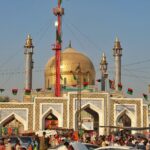
This is the largest urs in Sindh. The 774th was inaugurated in early February 2026, with about three million visitors expected after roughly 2.8 million the year before. Expect a very heavy security and traffic plan. Read our full guide to Sehwan Sharif.
Urs of Data Ganj Bakhsh, Lahore
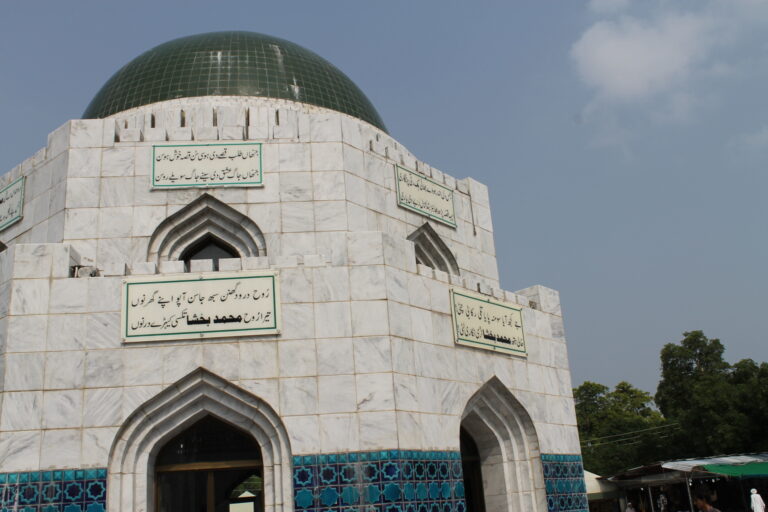
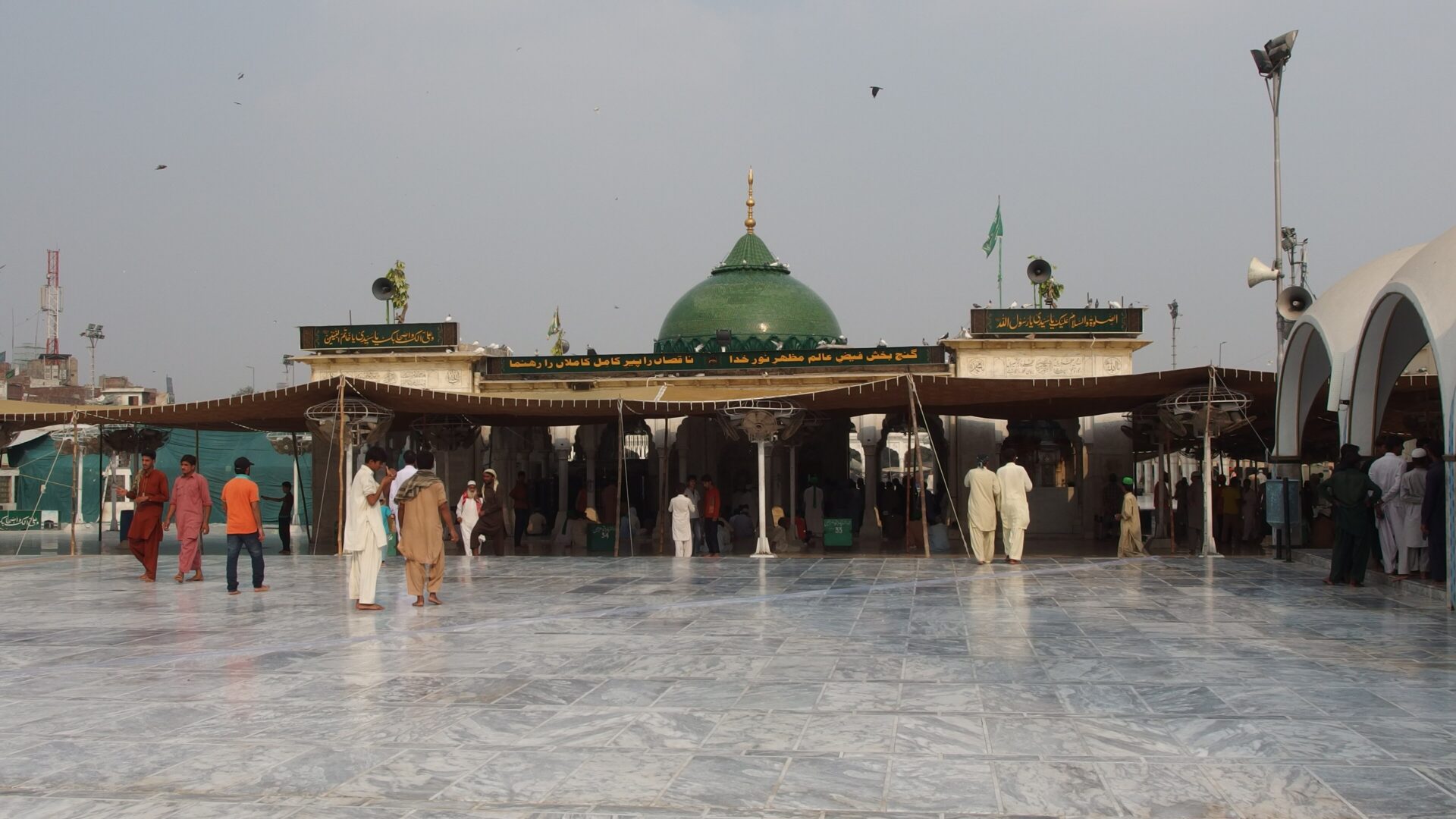
Data Darbar is open at all hours, and a report says it receives 30,000 to 60,000 visitors daily and about a million during the urs. The 983rd urs began on Sunday 2 August 2026. Visitors see processions, drumming, lamps, qawwali and free food. Our Lahore guides, including the Lahore Fort guide and the top historical places in Lahore, pair naturally with a visit. We could not confirm the saint’s death year, because sources disagree, so we leave it out.
Urs of Baba Farid, Pakpattan
The urs of Baba Farid, who died around 1266, runs for about fifteen days in Muharram. Its centrepiece is the Bahishti Darwaza, a gate in the shrine that opens only during the urs, from sunset to sunrise. Many believe that crossing it washes away sins. A stampede in 2001 killed 27 people, so crowd control is strict. The tomb chamber is small, and reports say women are generally not allowed inside. The 783rd urs began in June 2025.
Urs of Shah Abdul Latif Bhittai, Bhit Shah
Held on 14 Safar for three days, this urs honours the poet-saint who died in 1752. The shrine is about 50 km from Hyderabad. Past editions have included nights of Sufi singing, storytelling, a literary conference, horse races and wrestling, and the poet’s verse is sung at the shrine every Thursday evening.
Urs of Bahauddin Zakariya, Multan
The 787th urs began on Monday 20 July 2026 with the ritual bathing of the shrine, and the Multan district declared a public holiday. The 786th began on 31 July 2025 and ran for three days. We could not confirm the Islamic date. Read more in our guide to Multan, the city of saints.
Mela Chiraghan, Lahore
The Festival of Lamps marks the urs of the poet-saint Shah Hussain, who died in 1599, at Baghbanpura beside the Shalamar Gardens. A 2017 report placed it at the end of March and described lamps thrown on a bonfire, drumming and dhamal. The festival was moved out of the Shalimar Gardens site after a ban in 1958. We could not confirm whether its date follows the lunar or solar calendar, so check locally.
Why the dates move
The Islamic lunar year is about eleven days shorter than the Gregorian year, so an event fixed to an Islamic date arrives earlier each year and cycles through every season over about 33 years. Also, the start of each Islamic month depends on moon sighting, so the exact day can shift by a day.
How to attend an urs respectfully
- Dress modestly. Cover shoulders and legs, and carry a scarf for the head.
- Leave shoes where indicated and expect bag and camera checks.
- Accept langar food politely if it is offered.
- Ask before photographing people, and do not photograph security staff.
- Be ready for dense crowds. Keep valuables close, agree on a meeting point with your group, and arrive early.
- Book transport and rooms well ahead, because hotels fill up.
Our cultural etiquette guide covers the basics in more detail.
Frequently asked questions
What is an urs?
The annual death anniversary of a Sufi saint, marked with prayers, music and free food.
Why do urs dates change every year?
They follow the Islamic lunar calendar, which is about eleven days shorter than the Gregorian year.
Which is the biggest urs in Pakistan?
The urs in Sehwan draws some of the largest crowds, with about three million visitors expected in 2026, but several others draw very large gatherings.
Can visitors attend?
Yes, in general. Follow local etiquette and the instructions of shrine staff.
Dates and rules change each year. Confirm them with the shrine administration or local announcements before travelling.