










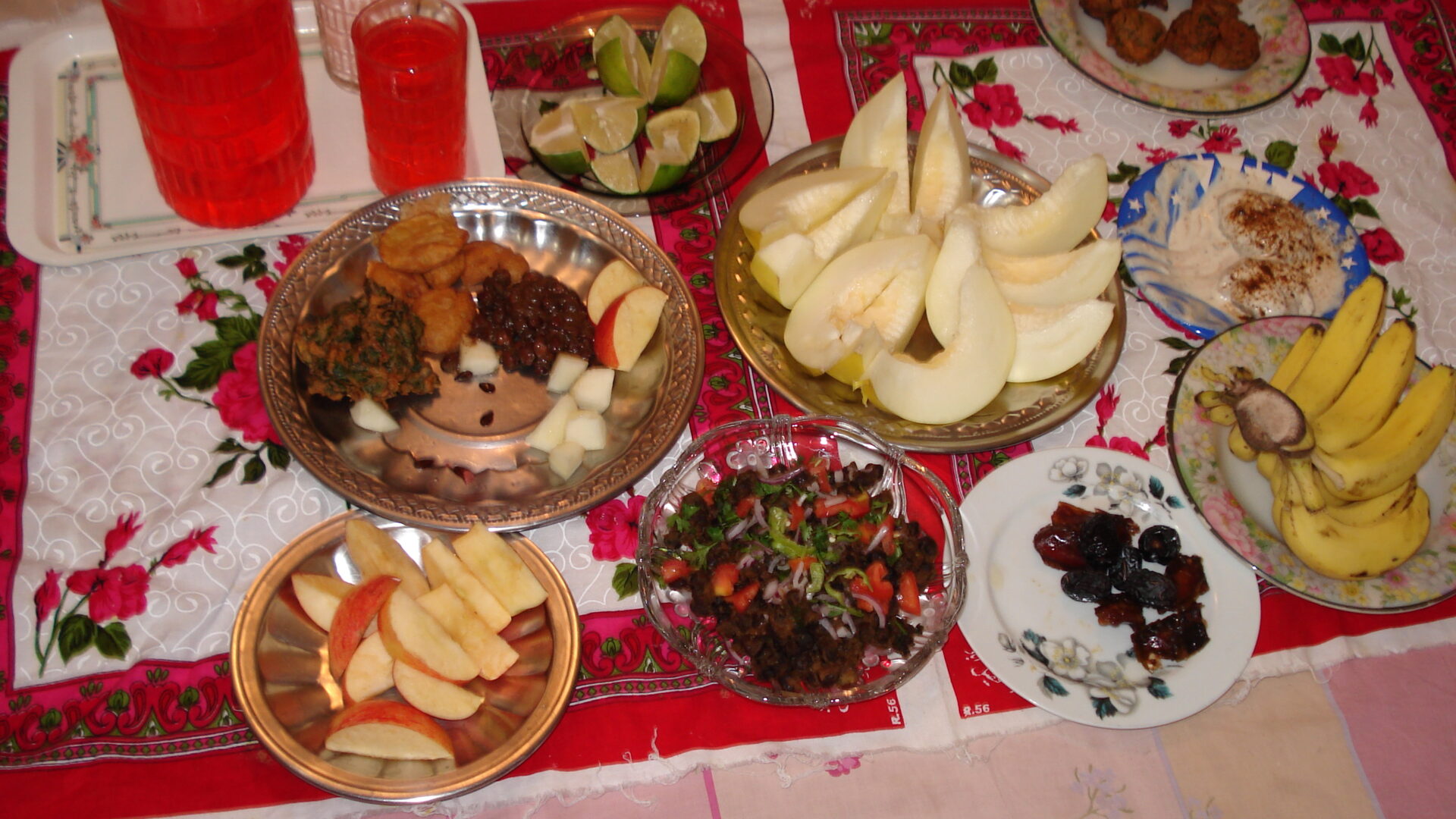

Ramadan 2027 is expected to begin in Pakistan on 8 or 9 February, depending on the moon, and to end with Eid ul Fitr around 9 or 10 March. For a month, restaurants close by day, cities slow down until sunset and then come alive at iftar and again before dawn at sehri. Most Ramadan travel tips for Pakistan come down to timing: eat out of sight by day, travel before the rush that ends at iftar, and book Eid travel early. Last checked: November 2026.
Quick answer: can you travel in Pakistan during Ramadan?
Yes, and it can be one of the best times to see the country’s hospitality. Expect most restaurants and food stalls to close during fasting hours, shorter office and bank hours, and heavy traffic in the hour before iftar. Do not eat, drink or smoke in public during the day; eat in your hotel or privately. Book transport and hotels early for Eid ul Fitr, when millions travel home. February and early March also bring cool weather to Lahore, Karachi and Sindh.
Ramadan in Pakistan: quick facts
| Item | Detail |
|---|---|
| Expected start (2027) | 8 or 9 February, subject to moon sighting |
| Expected Eid ul Fitr (2027) | Around 9 or 10 March |
| Who announces the dates | The Central Ruet-e-Hilal Committee, after the crescent is sighted |
| Fasting hours in February | About 12 hours, rising to about 13 hours by early March |
| Public eating | Not allowed during fasting hours under the Ehtram-e-Ramazan Ordinance 1981 |
| Restaurants | Mostly closed until iftar; open late into the night |
| Offices and banks | Shorter working hours |
| Eid holidays | Usually three or more days; travel demand peaks |
The rules: eating in public
The Ehtram-e-Ramazan Ordinance of 1981 bars people who are obliged to fast from eating, drinking or smoking in public places during fasting hours, and stops restaurants serving food to the public by day. Cinemas also close for set hours. Fines and enforcement vary by province and city, and police do raid restaurants that open in the day.
In practice, for visitors:
- Do not eat, drink, chew gum or smoke on the street, in parks or in cars with open windows
- Hotels serve meals to guests, often in a screened dining room or by room service
- Airports usually keep some food outlets open for travellers, often behind screens
- Supermarkets and bakeries sell food in the day; take it away and eat privately
- Carry water for emergencies and drink it discreetly if you must
Visitors of other faiths are not expected to fast, but they are expected to respect fasting hours in public. In Islam, travellers on a journey may skip the fast and make it up later, so do not be surprised to see Muslim travellers eating at airports.
A day in Ramadan
| Time | What happens |
|---|---|
| Before dawn | Sehri, the meal before dawn; food stalls and some restaurants open in the small hours |
| Dawn | Fajr prayer; the fast begins |
| Daytime | Quiet streets, closed restaurants, shorter office hours |
| Afternoon | Markets busy with iftar shopping |
| Hour before sunset | Heavy traffic as everyone rushes home |
| Sunset | Maghrib prayer and iftar; the fast is broken with dates and water |
| Evening | Taraweeh prayers in mosques; markets and restaurants busy late |
| Night | Food streets full until sehri |
Iftar in Pakistan
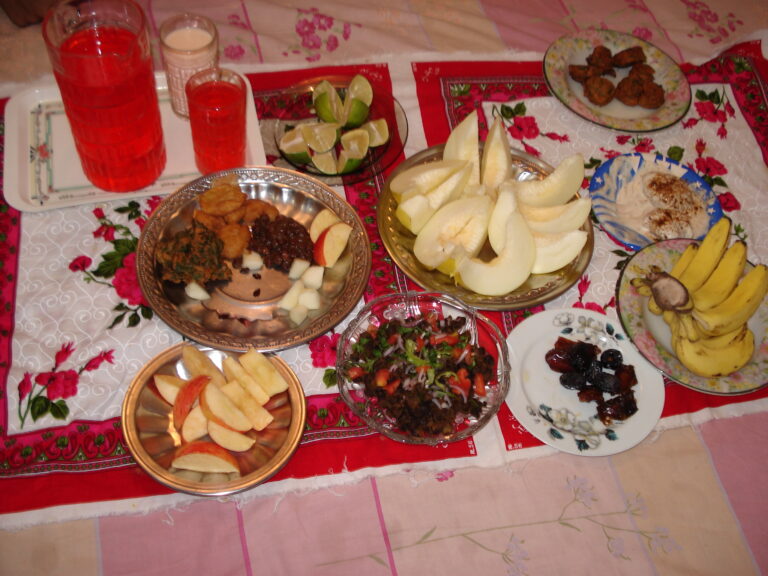
Iftar usually starts with dates and water or a sweet drink such as Rooh Afza, then pakoras, samosas, chana chaat and fruit chaat, followed by dinner. Mosques, shrines and roadside charities set up free iftar spreads for anyone passing, travellers included. If someone invites you to share iftar, accept; it is one of the warmest welcomes you will get in Pakistan.
Hotels and restaurants run iftar buffets in the big cities. Book a table a day or two ahead, especially in Lahore, Karachi and Islamabad.
Where to experience Ramadan
Lahore
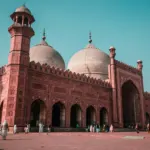
Lahore’s food streets come alive after iftar and stay busy until sehri, and the Badshahi Mosque holds large taraweeh prayers. See our Lahore food streets guide and Badshahi Mosque guide.
Karachi
Burns Road and Hussainabad fill up at iftar and run late for sehri. See our Karachi street food guide.
Islamabad
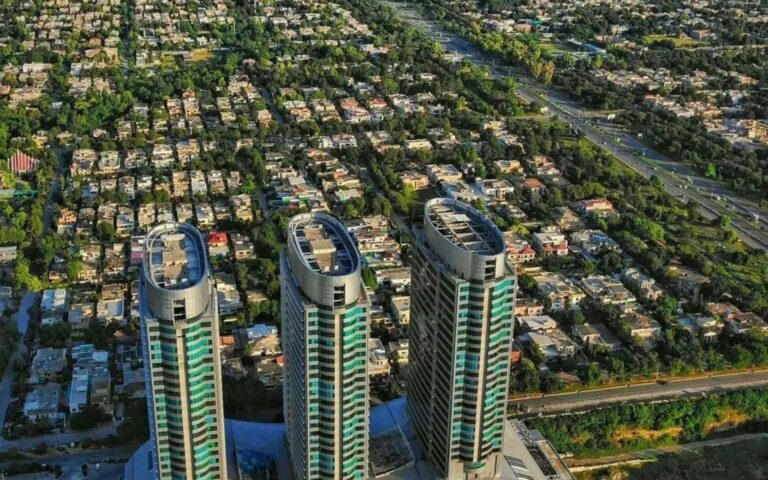
Faisal Mosque holds large prayers, and the markets of the capital stay open late. See our Faisal Mosque guide.
Shrines
Sufi shrines such as Data Darbar in Lahore are busy through the month, with food shared at iftar. See our Sufi shrines guide.
Planning a trip during Ramadan
- Plan sightseeing for the morning, when it is quiet and cool
- Expect museums and sites to keep normal hours, but confirm, as some close early
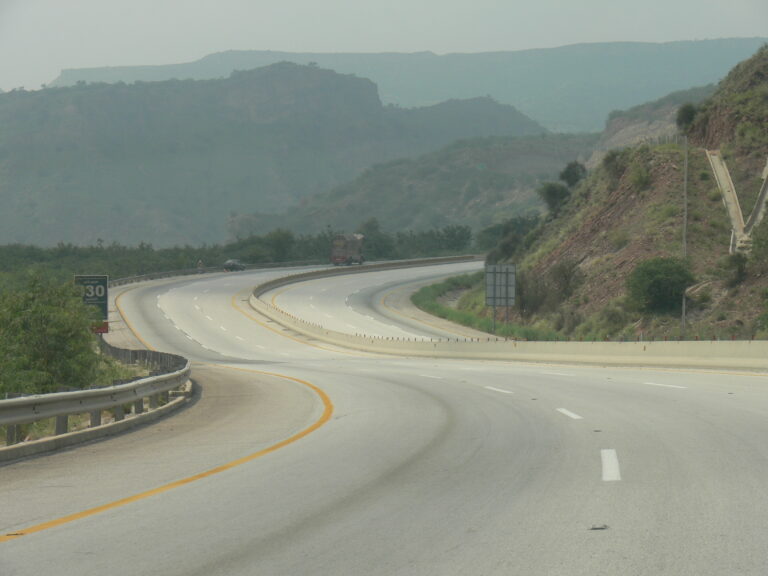
- Avoid road travel in the last hour before iftar, when roads are jammed
- Book intercity buses, trains and flights early for the last week of Ramadan
- Eat a large meal at sehri or in your hotel before a long day out
- Carry snacks in your bag and eat them privately
- Dress modestly; it matters even more during the month
Eid ul Fitr
Ramadan ends with Eid ul Fitr, announced the night before after the Shawwal moon is sighted. The night before Eid, Chand Raat, brings crowded bazaars, henna and bangle stalls. On Eid morning, families attend prayers, wear new clothes, visit relatives and give children money called Eidi.
For travellers, Eid means:
- Buses, trains and flights sell out days in advance
- Hill stations such as Murree, Swat and the Galiyat fill with domestic tourists
- Some shops and restaurants close for the first one or two days
- Hotels raise prices in popular destinations
If you plan to travel over Eid, book early or stay put in a big city.
Ramadan in the north
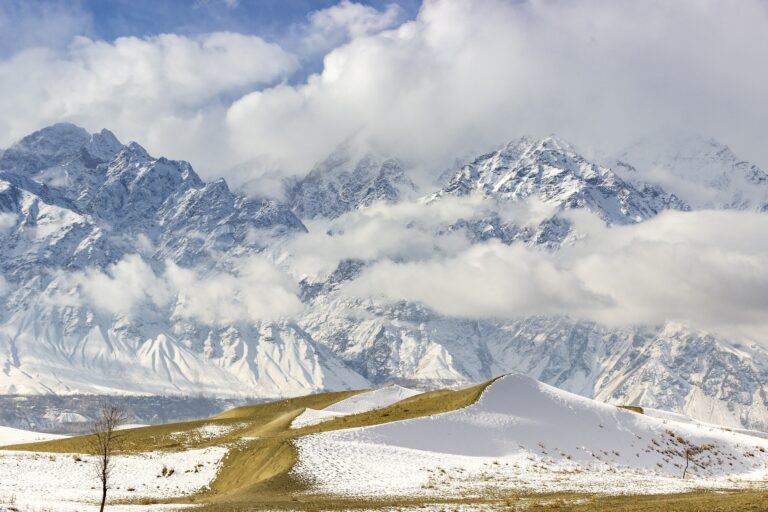
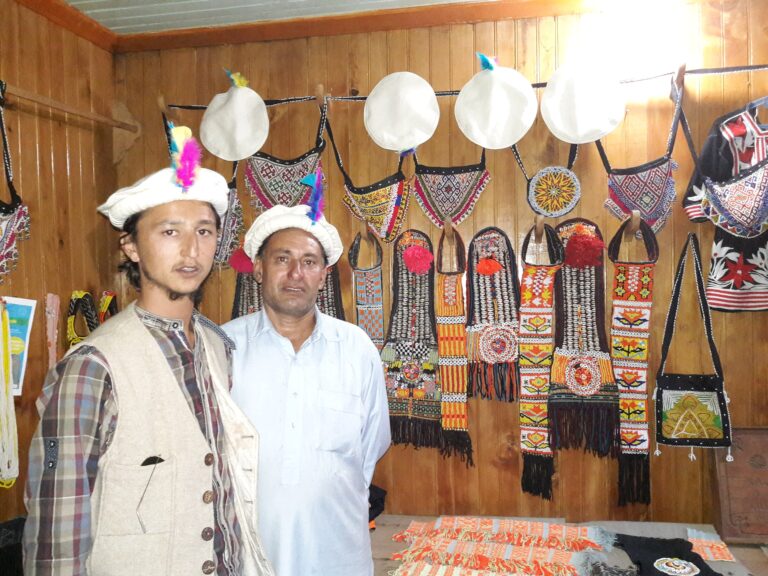
In February, the northern valleys are in deep winter, with Babusar and Deosai closed and many hotels shut. If you visit Hunza or Skardu during Ramadan, expect very few places open in the day. Read our winter road conditions guide and Pakistan in February guide.
Etiquette tips
- Say “Ramazan Mubarak” as a greeting during the month
- Do not play loud music near mosques, especially at prayer times
- Accept iftar invitations; arrive a little before sunset
- Avoid scheduling meetings in the late afternoon, when people are tired
- Be patient with slower service by day
See our cultural etiquette guide and what to wear guide.
Frequently asked questions
When does Ramadan 2027 start in Pakistan?
It is expected to start on 8 or 9 February 2027. The Central Ruet-e-Hilal Committee confirms the date after the moon is sighted.
Can tourists eat during Ramadan in Pakistan?
Yes, privately. Eat in your hotel or out of public view. Eating, drinking or smoking in public during fasting hours is not allowed.
Are restaurants open during Ramadan in Pakistan?
Most close in the day and reopen at iftar, staying open late. Hotel restaurants serve guests.
Is Ramadan a good time to visit Pakistan?
Yes, if you accept a slower day. The evenings, iftar invitations and food streets make it memorable, and February weather in the plains is cool.
When is Eid ul Fitr 2027 in Pakistan?
Around 9 or 10 March 2027, depending on the moon.
Do visitors who are not Muslim have to fast in Pakistan?
No, but they should not eat, drink or smoke in public during fasting hours.
Conclusion
If you travel during Ramadan, plan sightseeing for the morning, rest in the afternoon and be out for iftar. Book any travel around Eid ul Fitr at least two weeks ahead, and when a stranger at a roadside iftar waves you over, sit down and share the dates.