

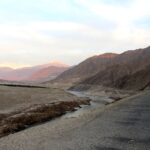
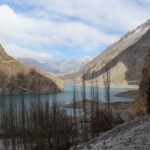
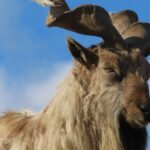
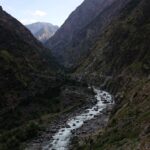
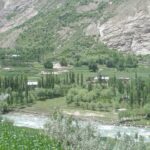
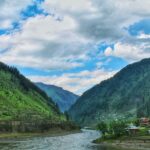
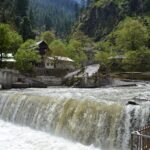
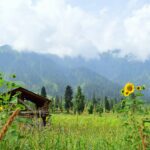
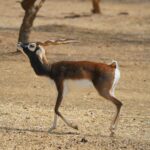








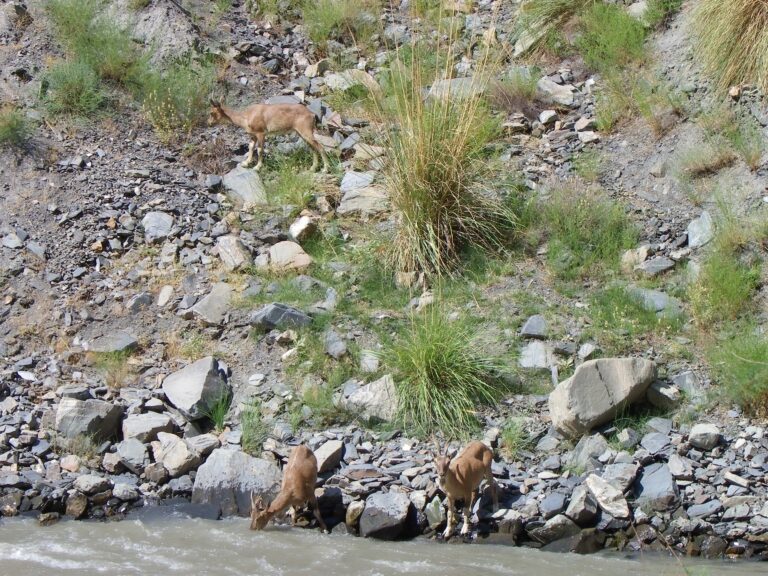
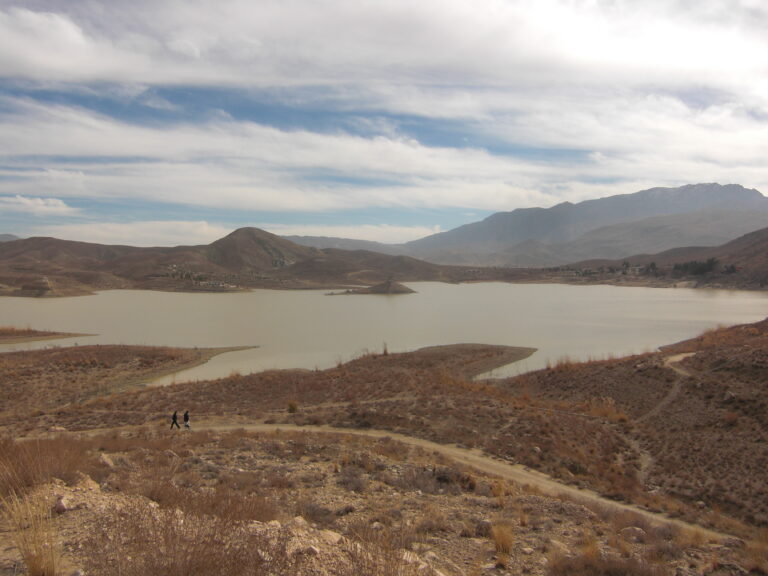


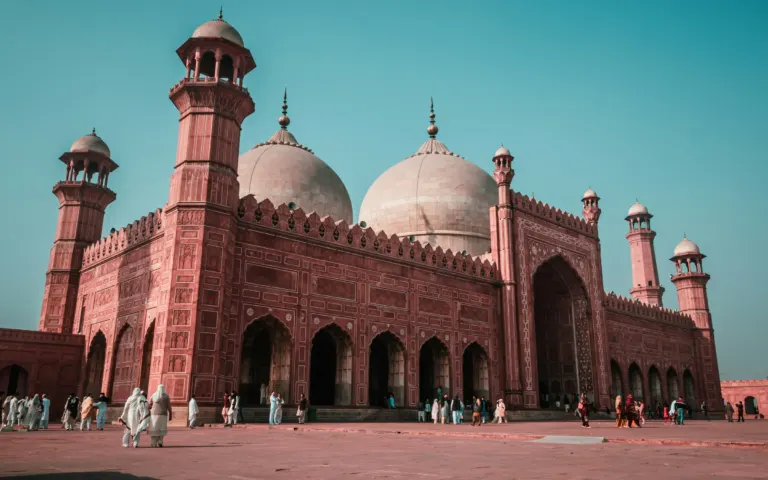
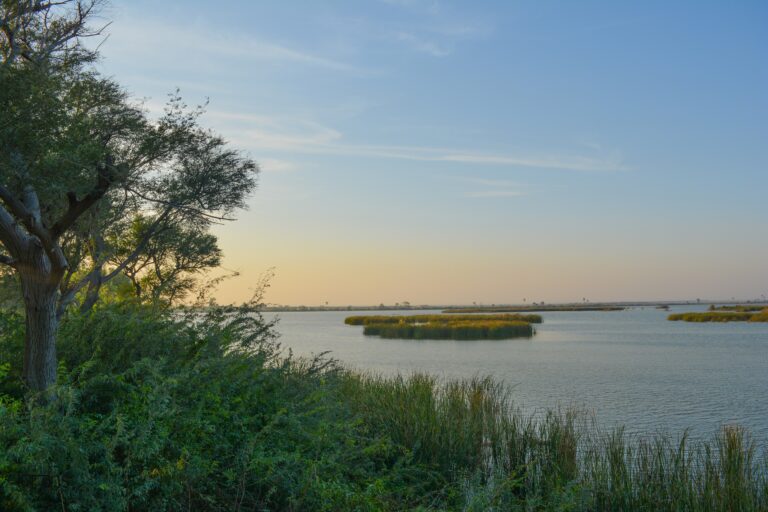
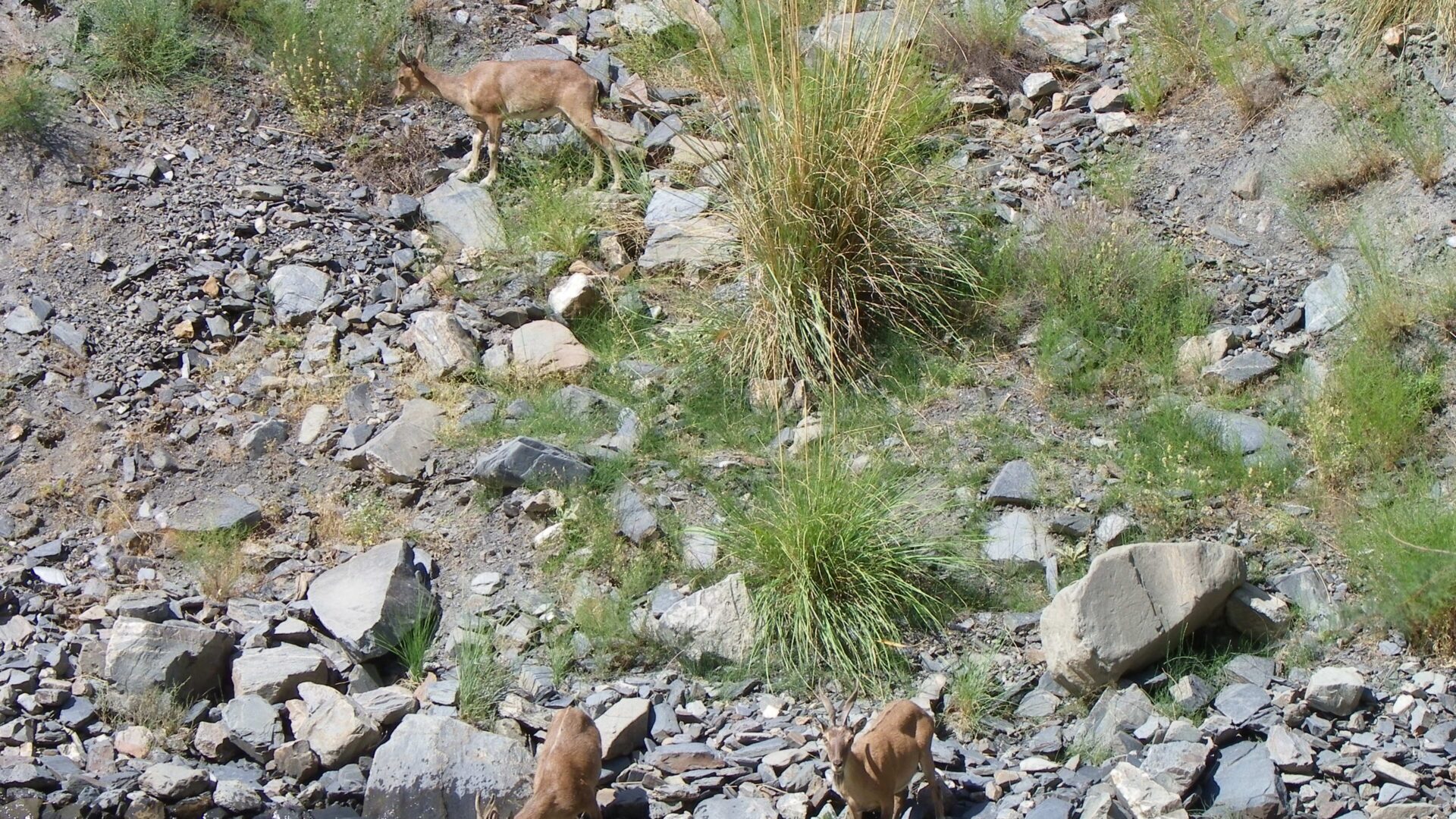

In winter, snow pushes the big male markhor down from the cliffs of Chitral to the river, and on some afternoons they drink within sight of the Garam Chashma road. Markhor watching in Pakistan is at its best from December to February, when the rut is on and the herds come low. Pakistan’s national animal lives in three main areas: Chitral, Gilgit-Baltistan and the mountains of northern Balochistan. Last checked: November 2026.
Quick answer: where can you see markhor in Pakistan?
The easiest place is Chitral. Go to the Tooshi-Shasha Conservancy, a short drive from Chitral town on the Garam Chashma road, in the afternoon, or take a jeep into Chitral Gol National Park in the morning. Visit between December and February for adult males with full horns. In Gilgit-Baltistan, the Astor markhor lives in community conservancies around Gilgit and Astore. In Balochistan, the Suleiman markhor lives in the Torghar Hills and the Takatu Range, where visits need local arrangement.
Markhor watching in Pakistan: quick facts
| Item | Detail |
|---|---|
| Scientific name | Capra falconeri |
| Status in Pakistan | National animal |
| IUCN status | Near Threatened (since 2015) |
| Types in Pakistan | Kashmir (flare-horned) markhor in Chitral; Astor markhor in Gilgit-Baltistan; Suleiman (straight-horned) markhor in Balochistan |
| Best viewing months | December to February |
| Rut | November to December |
| Best time of day | Early morning and late afternoon |
| Easiest site | Tooshi-Shasha Conservancy and Chitral Gol National Park, Chitral |
| Winter access to Chitral | By road through the Lowari Tunnel |
Why winter is markhor season
Markhor spend the summer high on cliffs and in open forest, where they are hard to find. Snow forces them down. From late November, adult males join the female herds for the rut, and their long spiralled horns and shaggy neck ruffs are on show. Females and young can be seen through the year, but the big males are mostly a winter sight.
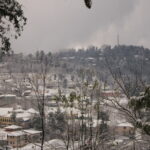
During heavy snow, markhor sometimes come very low. In January 2023, a large male walked out of Chitral Gol National Park into the middle of Chitral town before wildlife staff moved it back.
Where to see markhor in Pakistan
| Site | Region | Markhor type | Best months | How to visit |
|---|---|---|---|---|
| Tooshi-Shasha Conservancy | Chitral, Khyber Pakhtunkhwa | Kashmir markhor | December to February | Watch from the road side of the river in the afternoon |
| Chitral Gol National Park | Chitral, Khyber Pakhtunkhwa | Kashmir markhor | December to February | Jeep road from Chitral town; morning visits |
| Gahirait-Golen Conservancy | Chitral, Khyber Pakhtunkhwa | Kashmir markhor | December to February | Arrange through local community or wildlife staff |
| Haramosh, Bunji and Astore conservancies | Gilgit-Baltistan | Astor markhor | November to March | Community managed areas; go with a local guide |
| Torghar Hills | Qilla Saifullah, Balochistan | Suleiman markhor | Winter | Only through the local community organisation |
| Takatu Range | Near Quetta, Balochistan | Suleiman markhor | Winter | With wildlife department or local guides |
Tooshi-Shasha Conservancy, Chitral
This community managed conservancy covers about 20,000 hectares across the river from the Garam Chashma road. It began as a small game reserve in 1979 and was expanded in 1998. A district survey around 2020 counted about 1,349 markhor here.
The classic sighting here is simple. In the afternoon, groups come down the slope to drink, and you watch from the opposite bank. Bring binoculars, stay quiet and stay on your side of the river.
Chitral Gol National Park
Chitral Gol National Park covers 7,750 hectares of deodar forest and cliff just west of Chitral town. It became a wildlife sanctuary in 1979 and a national park in 1984. Before that, it was the hunting reserve of the Mehtar of Chitral.
Park counts have moved a lot. The park recorded 2,868 markhor at the start of 2019 and about 2,000 in 2021, and local residents have argued that the true number is lower. Sightings still come easily in a cold winter, when the herds sit on open slopes above the jeep road. Go with a park guide in the morning.
Gilgit-Baltistan: the Astor markhor
The Astor markhor lives in the steep valleys where the Indus, Gilgit and Astore rivers meet. Community controlled conservation areas such as Haramosh, Bunji, Jutial near Gilgit and Dashkin-Mushkin-Tarbuling in Astore protect it, and the Gilgit-Baltistan Forest, Wildlife and Environment Department counts the herds each rut season. Gilgit-Baltistan has 47 notified community managed hunting or conservation areas in all.
There is no visitor centre or fixed viewpoint here. Ask in Gilgit or Astore for a local guide from the conservancy committee, and plan an early morning scan of the cliffs with a spotting scope. Combine it with a winter stay in Gilgit or Astore Valley.
Balochistan: the Suleiman markhor
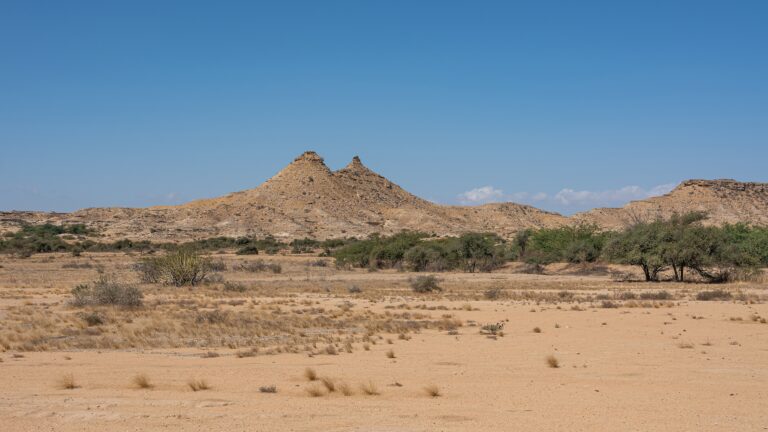
The straight-horned Suleiman markhor lives in the Torghar Hills of Qilla Saifullah District and in the Takatu Range near Quetta, with smaller numbers around Ziarat, Sherani and Zhob. In the middle of the 1980s fewer than 200 remained at Torghar. Local tribes then set up the Torghar Conservation Project, later the Society for Torghar Environmental Protection, and the population there passed 3,000. A 2023 count in the Takatu Range recorded 1,400.
Torghar is tribal land and is not open for casual visits; any trip has to be arranged through the community organisation. For the wider region, see our Quetta guide and Ziarat Juniper Forest.
Trophy hunting and conservation
Pakistan allows a small number of markhor trophy hunts each year in notified community areas. Permits sell for very large sums; in 2025 to 2026 a single Astor markhor permit in Gilgit-Baltistan went for $370,000. Most of the money goes to the local community, which in return guards the herds against poaching. In February 2025, the first non-exportable trophy hunt took place in the buffer zone of Chitral Gol National Park.
The system is debated, but it explains why villagers in Chitral, Gilgit-Baltistan and Torghar now act as watchmen. As a visitor, you see the result: herds that tolerate people at a distance.
How to reach Chitral in winter
Road access now runs through the 8.5 km Lowari Tunnel on the N-45, opened in 2017. Before the tunnel, the Lowari Pass closed from about the middle of December for five months. The drive from Peshawar takes about seven hours in good conditions. Check our Chitral travel guide and tunnels in Pakistan.
Flights from Islamabad to Chitral run when weather allows and are often delayed or cancelled in winter, so keep a road plan as backup. The Shandur Pass route from Gilgit is closed by snow in winter.
Markhor watching tips
- Go in the first three hours after sunrise or the last two before sunset
- Scan the cliffs slowly with binoculars; the grey brown coat blends into rock
- Look for the black and white legs and the dark beard of the males
- Stay at least a few hundred metres away and keep voices low
- Never chase, call or throw stones to make animals move
- Do not fly drones near herds
- Hire a local guide or watcher; they know which slopes the herds use this week
- Pack for cold: Chitral winter mornings fall below freezing
Three days in Chitral for markhor
Day 1: Peshawar to Chitral
- Drive through the Lowari Tunnel and reach Chitral by late afternoon
Day 2: Chitral Gol and Tooshi-Shasha
- Morning in Chitral Gol National Park with a park guide
- Afternoon on the Garam Chashma road, when the herds come down to drink at Tooshi-Shasha
Day 3: Second chance and return
- Early scan at Tooshi-Shasha or Chitral Gol, then start the drive back
Frequently asked questions
What is the best time for markhor watching in Pakistan?
December to February. Snow brings the herds down and the adult males are with the females after the November and December rut.
Where is the easiest place to see markhor in Pakistan?
The Tooshi-Shasha Conservancy and Chitral Gol National Park near Chitral town.
How many types of markhor live in Pakistan?
Three are usually recognised in Pakistan: the Kashmir or flare-horned markhor in Chitral, the Astor markhor in Gilgit-Baltistan and the Suleiman or straight-horned markhor in Balochistan.
Is the markhor endangered?
The IUCN lists the markhor as Near Threatened. It moved down from Endangered in 2015 after community conservation helped numbers recover.
Can I see markhor in Hunza?
Hunza is better known for Himalayan ibex and, near Khunjerab, Marco Polo sheep. For markhor, Chitral is the reliable choice.
Do I need a permit to watch markhor?
No permit is needed to watch from public roads. Entry to Chitral Gol National Park and community conservancies may involve a fee or a guide; confirm with the Khyber Pakhtunkhwa Wildlife Department or the local committee.
Conclusion
For a first markhor trip, book three nights in Chitral between the middle of December and the middle of February. Spend one morning in Chitral Gol with a park guide and one afternoon on the Garam Chashma road at Tooshi-Shasha. Check the Lowari Tunnel road and the weather the day before you leave Peshawar.
Sources
- Dawn: Markhor conservancies in Chitral
- Gilgit-Baltistan Forest, Wildlife and Environment Department: Trophy hunting