- August 4, 2026
Most people planning a Gilgit-Baltistan trip assume they’ll need a permit for something. In reality, the vast majority of the region requires no special paperwork at all. That includes Hunza, Skardu, Shigar, Deosai, and the whole Karakoram Highway. It’s only a specific set of high-altitude trekking routes and border-adjacent zones that actually need one. Here’s exactly which is which.
Open zones: no permit needed
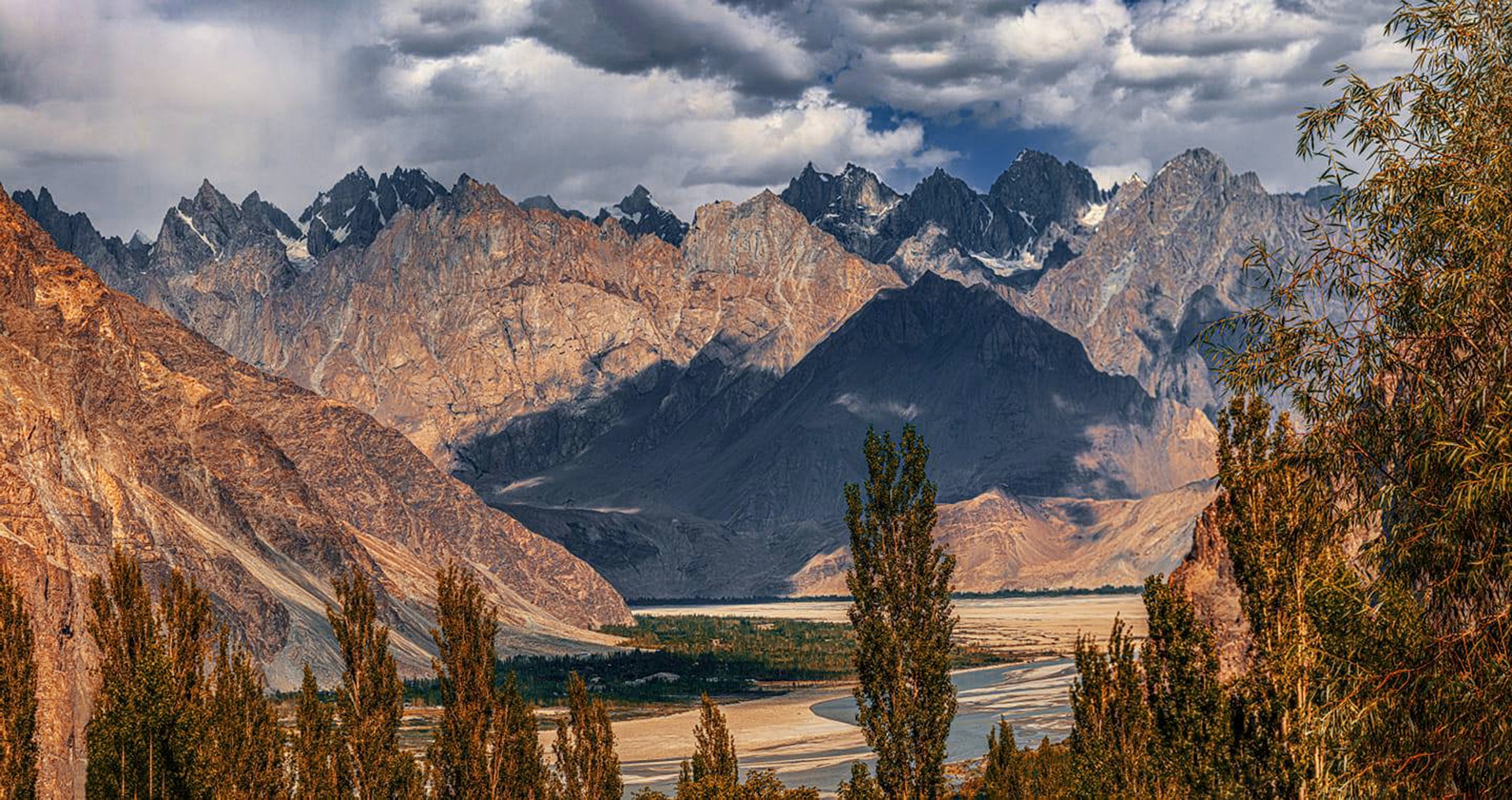
If your trip covers Hunza Valley, Skardu, Shigar Valley, Deosai National Park, or the Karakoram Highway, you don’t need a trekking permit. You’ll pass police checkpoints along the main roads, and showing your passport takes about a minute. That’s the entire process. Most tourist itineraries in Gilgit-Baltistan fall entirely within this open zone. That’s exactly why permits catch first-time visitors off guard, since for most routes, there’s genuinely nothing to arrange.
Trekking permits in Gilgit-Baltistan: restricted zones
A No Objection Certificate (NOC) from the Ministry of Interior is required for a specific set of routes. The main ones:
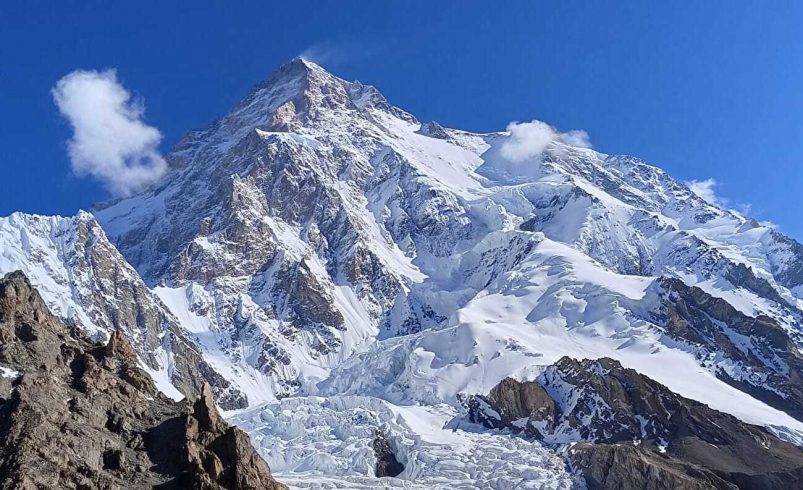
- Baltoro Glacier routes, including the approach to K2 Base Camp, Concordia, Broad Peak Base Camp, and Gasherbrum Base Camps
- Valleys near the Line of Control, particularly in eastern Baltistan’s Ghanche district, close to the India border
- Khunjerab border zone, for travel toward the Pakistan-China crossing itself, beyond the national park
These routes also require a separate trekking permit from the Alpine Club of Pakistan. Exact restricted zones do shift over time based on the security situation. Confirm current status with a registered operator before finalizing plans, rather than relying on any single blog post, including this one.
Two other permits worth knowing about
Beyond the trekking NOC, two park-specific permits apply if they’re on your route:
- Deosai National Park entry permit: simple, available on arrival right at the park gate
- Khunjerab National Park entry permit: required for the drive up toward Khunjerab Pass, also generally straightforward to arrange
Neither one takes nearly as long as the restricted-zone NOC. They’re closer to a standard park entry fee than a security clearance.
How the application actually works
For restricted-zone treks, applications go through a tour operator registered with Pakistan’s Directorate of Tourist Services, not directly from you. The operator submits your documents, passport copies, an official invitation letter, and a few standard items, to the Gilgit-Baltistan Council Secretariat. From there, it’s forwarded to the relevant security agencies for clearance.
Processing typically takes two to four weeks, so this isn’t something to leave until you land. Trekking parties in restricted areas must be accompanied by a registered guide or liaison officer. So you’ll need to book through an operator regardless, and they handle the actual application too.
What it costs
Restricted-area trekking fees are set each year by the government. So exact numbers change from year to year. As a rough guide, recent rates have run around $150 per person for a one-month trekking permit. National park zones like Central Karakoram add an environment and waste management fee on top. Your tour operator will quote current rates as part of your package. They’re the ones filing the paperwork, so they know the real cost.
One detail worth knowing: any peak above 6,500 meters requires a separate Gilgit-Baltistan Council permit. This applies whether it sits in an open or restricted zone.
A few practical tips
- Book through a registered operator if you’re heading into restricted zones. They handle the application and the required guide, and you can’t legally do these treks without one anyway.
- Apply well ahead of time. Two to four weeks of processing means this isn’t a last-minute item.
- Don’t assume you need a permit for the popular valleys, since most don’t. Hunza, Skardu, and Deosai are open zones. Checking too late that something wasn’t actually required wastes far less time than assuming you need paperwork you don’t.
- Confirm current restricted zones before finalizing your route. They can shift, so a quick check with your operator avoids planning around outdated information.
Pair this with our guide to altitude sickness in northern Pakistan if your route climbs past 4,000 meters. Also, sort your e-visa before you apply for any trekking permit.
Frequently asked questions
Do I need a permit to visit Hunza or Skardu?
No. Both are open zones. You’ll show your passport at routine checkpoints, but no advance permit or NOC is required.
Which treks require a special permit?
Routes into the Baltoro Glacier area require a No Objection Certificate plus a separate Alpine Club of Pakistan trekking permit. This includes K2 Base Camp, Concordia, and the Gasherbrum Base Camps.
How long does it take to get a trekking permit?
Typically two to four weeks once your tour operator submits a complete application. Apply well before your trip rather than on arrival.
Can I apply for a restricted-zone permit myself?
No. Applications must go through a tour operator registered with Pakistan’s Directorate of Tourist Services. Restricted-zone treks require a registered guide or liaison officer regardless.
Do I need a permit for Deosai National Park?
You need an entry permit, but it’s simple. It’s available on arrival at the park gate, not something to arrange in advance like the restricted-zone NOC.