
- September 27, 2026
Rush Lake sits at 4,694 meters in the Karakoram Range. It’s the 27th highest lake in the world, and the highest in Pakistan. Getting there means a genuine trek, not a scenic drive. The payoff, though, is a viewpoint that takes in K2, Spantik, and half the Karakoram’s giants in one sweep.
Rush Lake travel guide: getting there
Overall, access starts in Nagar Valley, reached via Hopar from the main Hunza road. From Hopar, the trek climbs through the Bualtar and Hopar Glacier area toward Bari Chakor. It then continues higher to Rush Lake itself. There’s no jeep track all the way, this is genuinely on foot for the final stretch.
| Detail | Rush Lake |
|---|---|
| Elevation | 4,694 meters |
| Trek length | Roughly 50 km round trip |
| Duration | 4 to 5 days |
| Difficulty | Moderate to challenging |
| Best season | June to September |
What the trek actually involves
This isn’t a technical climb, but it does cross glacier terrain and gains real altitude quickly. Most itineraries route through Hopar, then Bari Chakor as a camping stop around 3,300 meters. From there, they push on to the lake itself. Expect meadows and terraced fields lower down, giving way to moraine and glacier walking higher up.
Overall, good fitness and basic glacier-walking comfort matter more than technical climbing skill. If you’re considering the adjacent Rush Peak summit push at 5,098 meters, that’s a separate, more serious undertaking. It’s not something to add on casually after reaching the lake.
The view from Rush Lake
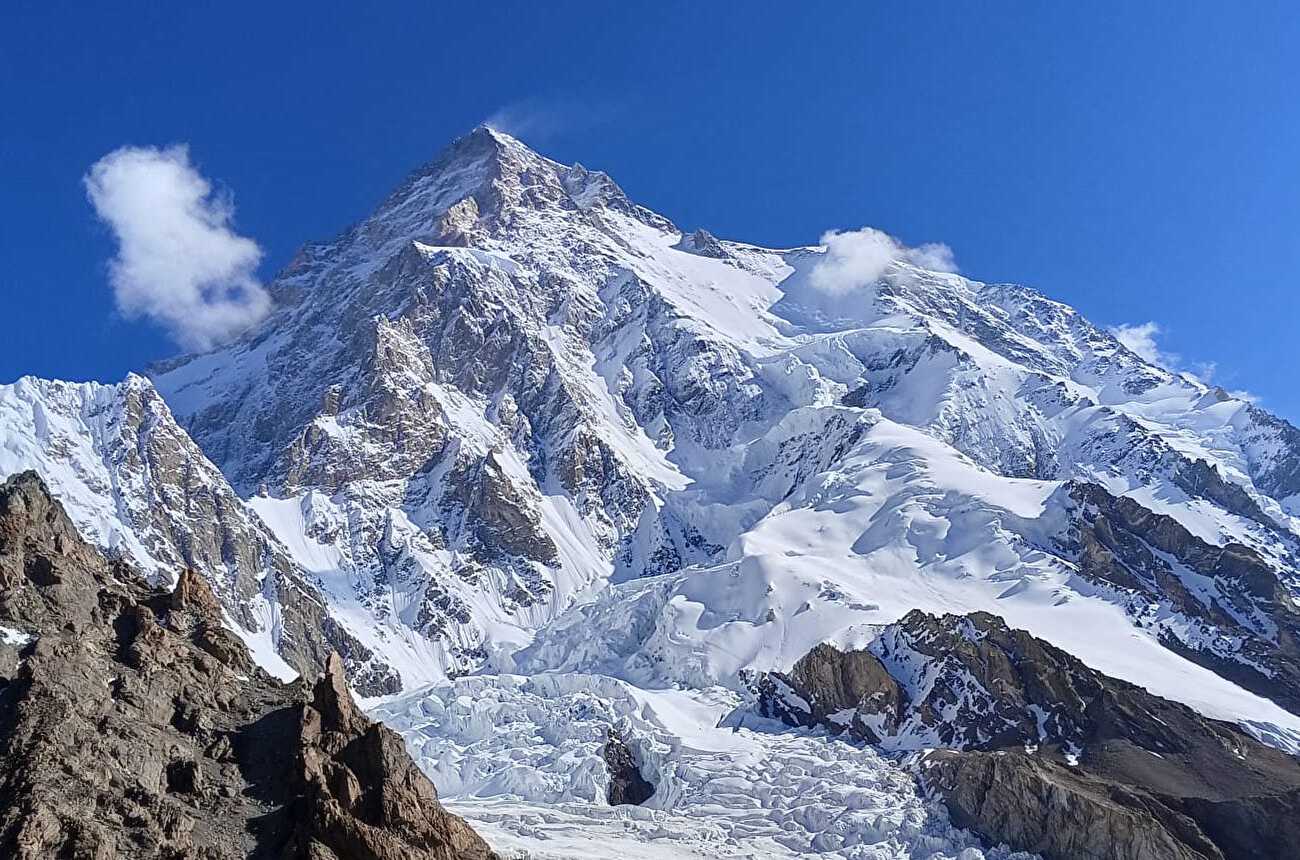
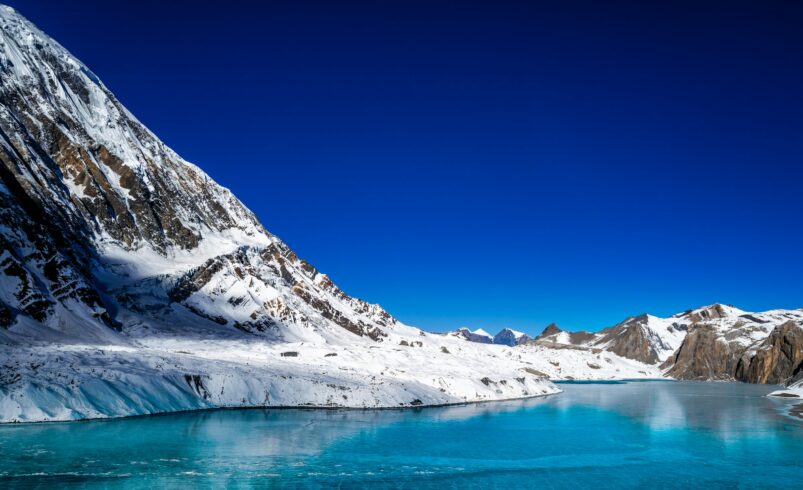
The payoff is genuinely one of the best panoramas in the Karakoram. From a viewpoint above the lake, you can pick out Spantik, Malubiting, Miar Peak, Phuparash Peak, and Ultar Sar. K2 and the Gasherbrums are visible too, on a clear day. The lake itself often holds a distinctive teardrop shape as seasonal ice melts unevenly. Its milky turquoise color is striking at sunrise.
A genuine seasonal constraint
Rush Lake stays frozen and snow-covered for roughly eight months of the year, clear for only about four. This isn’t a flexible shoulder-season destination the way lower-altitude lakes are. June through September is the real window, and pushing outside it means genuinely harder, riskier conditions.
Rush Lake travel guide: practical tips
- Hire a licensed guide. This route crosses genuine glacier terrain, and going with an experienced local team matters here more than on a simple valley walk. See our guide to hiring a guide.
- Budget real acclimatization time. Gaining significant altitude over just a couple of days carries real risk; read our altitude sickness guide before committing to this itinerary.
- Pack for genuine cold, even in summer. Nights at this elevation stay cold regardless of the season.
- Treat this as a quieter alternative to Fairy Meadows. Rush Lake sees far fewer visitors, which is part of its appeal, but also means less infrastructure if something goes wrong.
Pair this with our Hopper Valley guide for the approach route. Also useful: our packing list for northern Pakistan, before you go.
Frequently asked questions
How hard is the Rush Lake Trek?
Moderate to challenging. It’s non-technical but crosses glacier terrain and gains real altitude, so good fitness and some acclimatization matter.
How long does the Rush Lake Trek take?
Typically 4 to 5 days round trip, covering roughly 50 km from the Hopar trailhead.
When is the best time to trek to Rush Lake?
June through September. The lake stays frozen roughly eight months of the year, so this window is genuinely narrow, not just a preference.
Do I need a guide for the Rush Lake Trek?
Strongly recommended. The route crosses genuine glacier terrain. Going with an experienced local guide matters more here than on lower-altitude valley walks.
Can I see K2 from Rush Lake?
Yes, from a viewpoint above the lake on a clear day. Spantik, Malubiting, Miar Peak, Phuparash Peak, and Ultar Sar are also visible from there.