











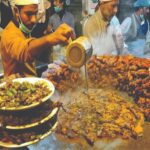














Street food is genuinely one of the best ways to experience Pakistan. Most travelers eat it constantly without serious problems. A few practical habits make the real difference between a great food experience and a ruined trip.
Street food safety tips: the core rules
- Choose busy stalls. High turnover means fresher ingredients and food that hasn’t been sitting out. Locals eating there in numbers is genuinely one of the most reliable signals available.
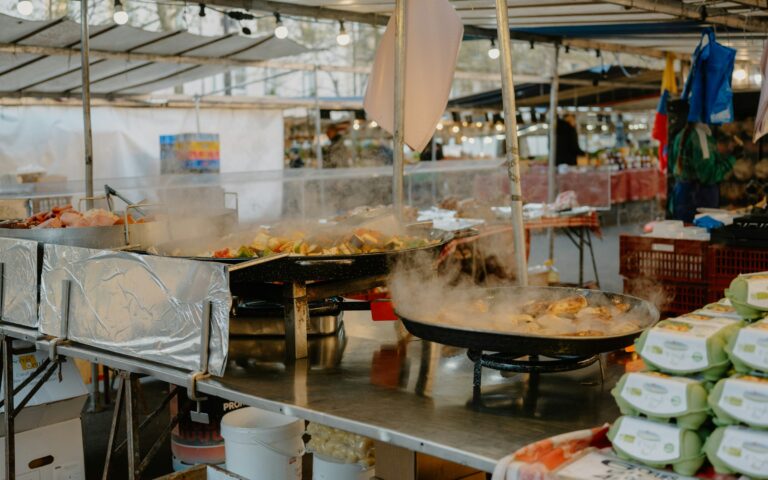
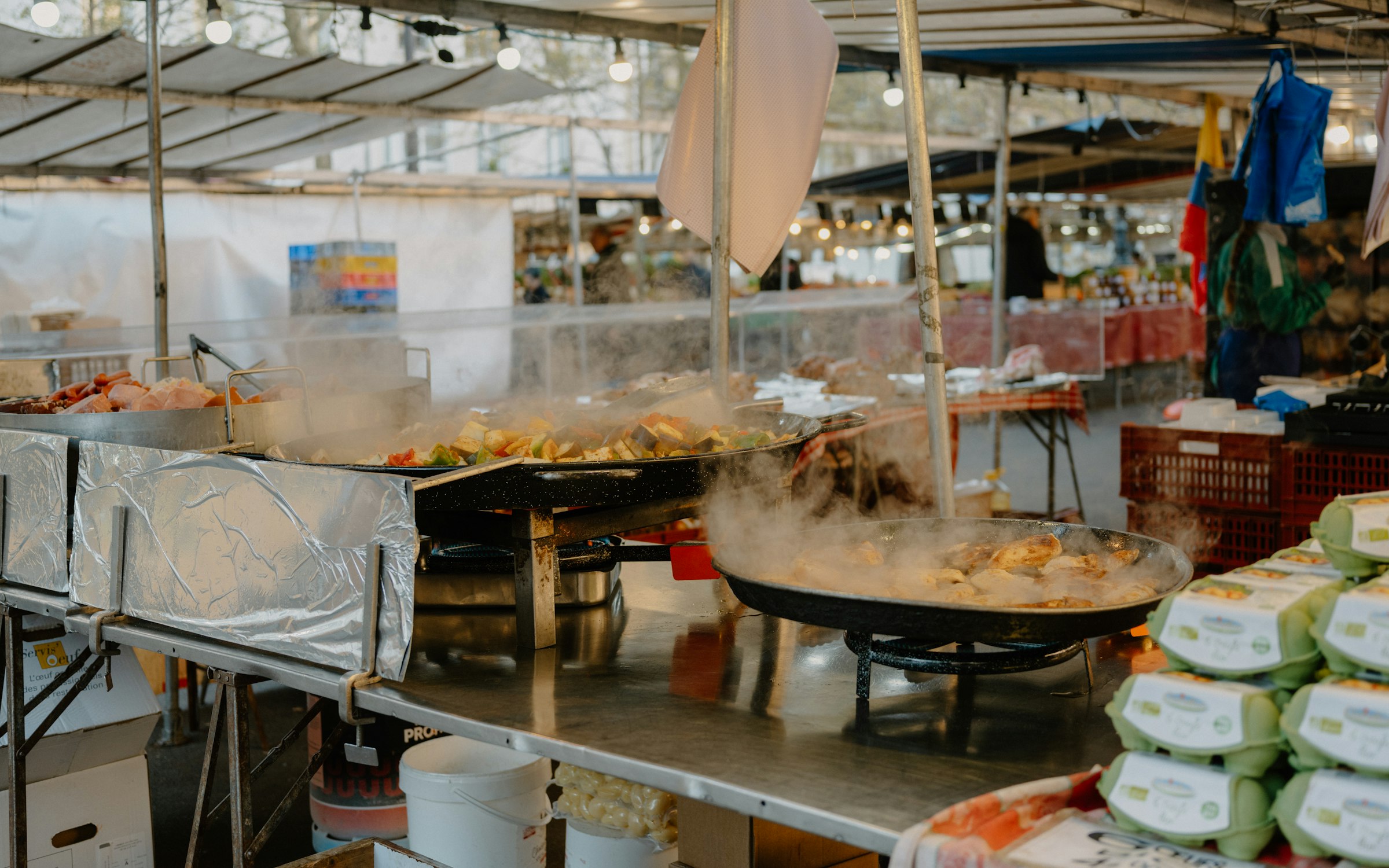
- Eat food cooked hot, right in front of you. Fresh parathas, deep-fried samosas, and grilled meats cooked to order carry far less risk than anything sitting on display.
- Skip raw items you didn’t peel yourself. Salads, unpeeled fruit, and garnishes are genuinely the most common source of contamination.
- Avoid ice unless you know its source. Ice made from untreated tap water carries the same risks as the water itself.
- Stick to bottled or properly treated water. This applies to drinking water and anything used to wash produce.
Street food safety: what’s actually at stake
Hepatitis A and typhoid both spread through contaminated food and water. Typhoid vaccination is only 50 to 80 percent effective, meaning it reduces risk without eliminating it. Karachi’s 2022 cholera outbreak, with 129 confirmed cases linked to contaminated water, is a genuine reminder. Water quality varies significantly across the country. Most street food illness, though, is milder: traveler’s diarrhea, cramping, and fatigue that pass within a few days.
Before you travel
- Talk to a travel health professional ahead of your trip. Hepatitis A, typhoid, and other vaccines are commonly recommended for Pakistan specifically, and timing matters.
- Pack basic rehydration supplies. Oral rehydration salts genuinely help more than sugary sports drinks if you do get an upset stomach.
- Wash your hands regularly, or carry hand sanitizer. A simple habit that meaningfully reduces risk regardless of where you’re eating.
When to seek medical care
Most digestive upset from travel resolves on its own within a few days. Seek medical attention if you experience bloody stool or a fever above 39u00b0C. The same goes for symptoms lasting more than three days.Don’t take preventive antibiotics before symptoms appear. This doesn’t protect you, and it contributes to a genuinely serious problem, antibiotic resistance, which has made some infections in the region harder to treat.
Read our Pakistan safety guide for broader travel safety context.
Frequently asked questions
Is street food in Pakistan safe to eat?
Generally yes, when prepared fresh at busy stalls with food cooked hot in front of you. Most travelers eat it regularly without serious problems.
What street food should I avoid?
Raw or unpeeled produce, anything not served hot, and ice unless you know its source. These carry the highest contamination risk.
How effective is the typhoid vaccine?
Only 50 to 80 percent effective, so it reduces risk without eliminating it. Other food safety precautions still matter even if vaccinated.
When should I see a doctor after getting sick from food?
If you have bloody stool, a fever above 39°C, or symptoms lasting more than three days, seek medical attention rather than waiting it out.
Should I take antibiotics before eating street food as a precaution?
No, preventive antibiotics aren’t recommended and contribute to antibiotic resistance, a genuinely serious problem in the region.