


People planning a trip usually ask what to wear in Pakistan before anything else. The short answer is loose, modest clothing that covers your shoulders and knees, plus a light scarf for mosques and shrines. This guide explains what that means for women and men, how it changes between the cities and the mountains, and what to pack. Last checked: October 2026. Customs vary by area and situation, so treat this as practical guidance rather than a rulebook.
Quick answer: is there a dress code in Pakistan?
There is no official dress code for visitors, and nobody expects you to wear local clothes. Pakistan is, however, a conservative society, and modest clothing makes daily travel easier, draws less attention and shows respect. In most places, a loose top that covers your shoulders and hips, long trousers or a long skirt, and a scarf you can pull over your head are enough. Large cities such as Lahore, Islamabad and Karachi are more relaxed. Smaller towns, older city districts, villages and religious sites expect more.
| Where | Women | Men |
|---|---|---|
| Big cities (Lahore, Islamabad, Karachi) | Loose long top with trousers or a long skirt, or shalwar kameez; scarf in your bag | Shirt with sleeves and long trousers |
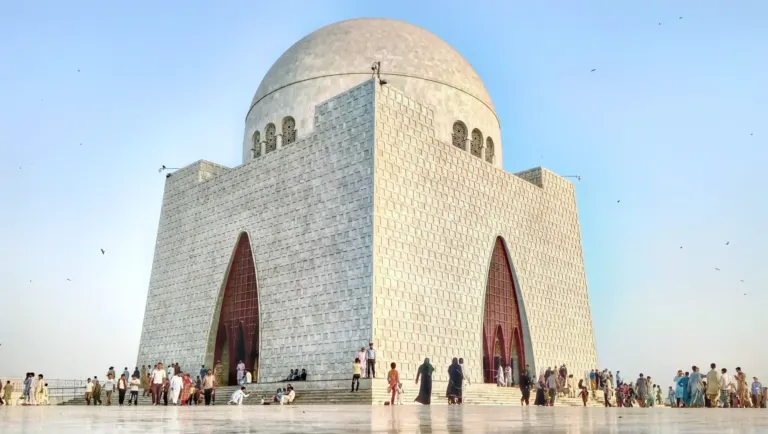
| Mosques and shrines | Cover arms and legs, scarf over your head, remove shoes | Long trousers and a sleeved shirt, remove shoes |
| Towns and villages | Shalwar kameez, or a long tunic with trousers and a scarf over your shoulders | Long trousers and a shirt with sleeves |
| Mountains (Hunza, Skardu, Swat) | Layers, long top, trousers and a warm jacket | Layers, trekking or casual trousers and a warm jacket |
| Trekking | Hiking trousers and base layers; a long top for village sections | Hiking trousers and base layers |
What women should wear in Pakistan
You do not have to dress like local women, but copying their general approach works well. Think loose, long and lightweight.
- Tops: choose loose tops that cover your shoulders and reach at least mid-thigh. Sleeves to the elbow are fine in cities; longer sleeves help in conservative areas. Avoid tight, sheer or low-cut tops.
- Bottoms: loose trousers, a long skirt or shalwar are the easiest options. Leggings are comfortable under a long tunic, but they are usually not worn on their own.
- Scarf (dupatta): carry one every day. You will need it at mosques and shrines, and many visitors drape it over their shoulders or hair in conservative areas. A lightweight cotton scarf is enough.
- Shalwar kameez: this long tunic with loose trousers is the national outfit for women and men. It is cool in hot weather, practical for sightseeing and easy to buy locally. Wearing one is optional, though it can make you feel more comfortable and help you blend in.
- Hair: as far as most travel guidance indicates, visitors are not required to cover their hair as a general rule. You will need to at mosques and shrines, and some women choose to in conservative areas.
For more on travelling alone, see our guides for solo female travellers and solo travel tips.
What men should wear in Pakistan
The rules are looser for men, but men are expected to cover up as well.
- Wear long trousers or jeans with a shirt or T-shirt that has sleeves. Sleeveless tops look out of place in most settings.
- Shorts are fine for trekking, sports and hotel pools. In cities, villages and at religious sites, long trousers are the safer choice.
- Shalwar kameez is optional. It is comfortable in summer heat and inexpensive, so many visitors buy one to wear to dinners or festivals.
Mosques, shrines and other religious sites
- Remove your shoes before entering prayer areas and many shrines. Slip-on shoes and clean socks make this easier.
- Cover your arms and legs. Women should also cover their hair with a scarf.
- Some sites have separate areas for women and men, and some limit access for non-Muslims. Ask before entering and follow signs and staff.
- Ask before photographing people at prayer, and avoid pointing cameras at worshippers.
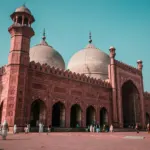
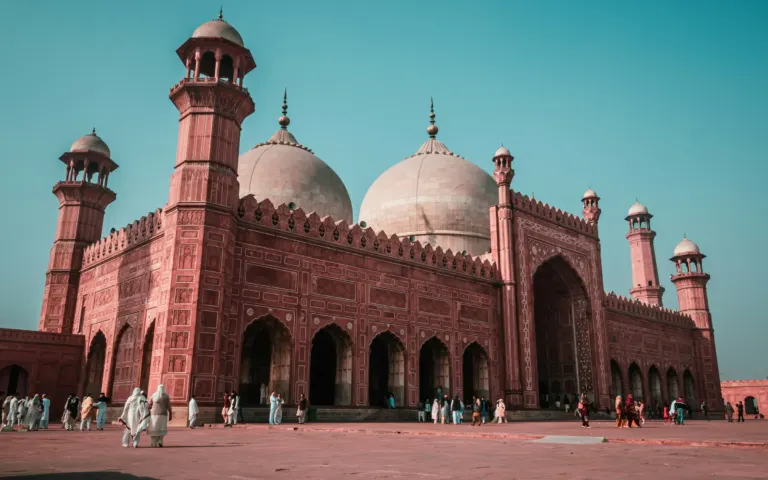
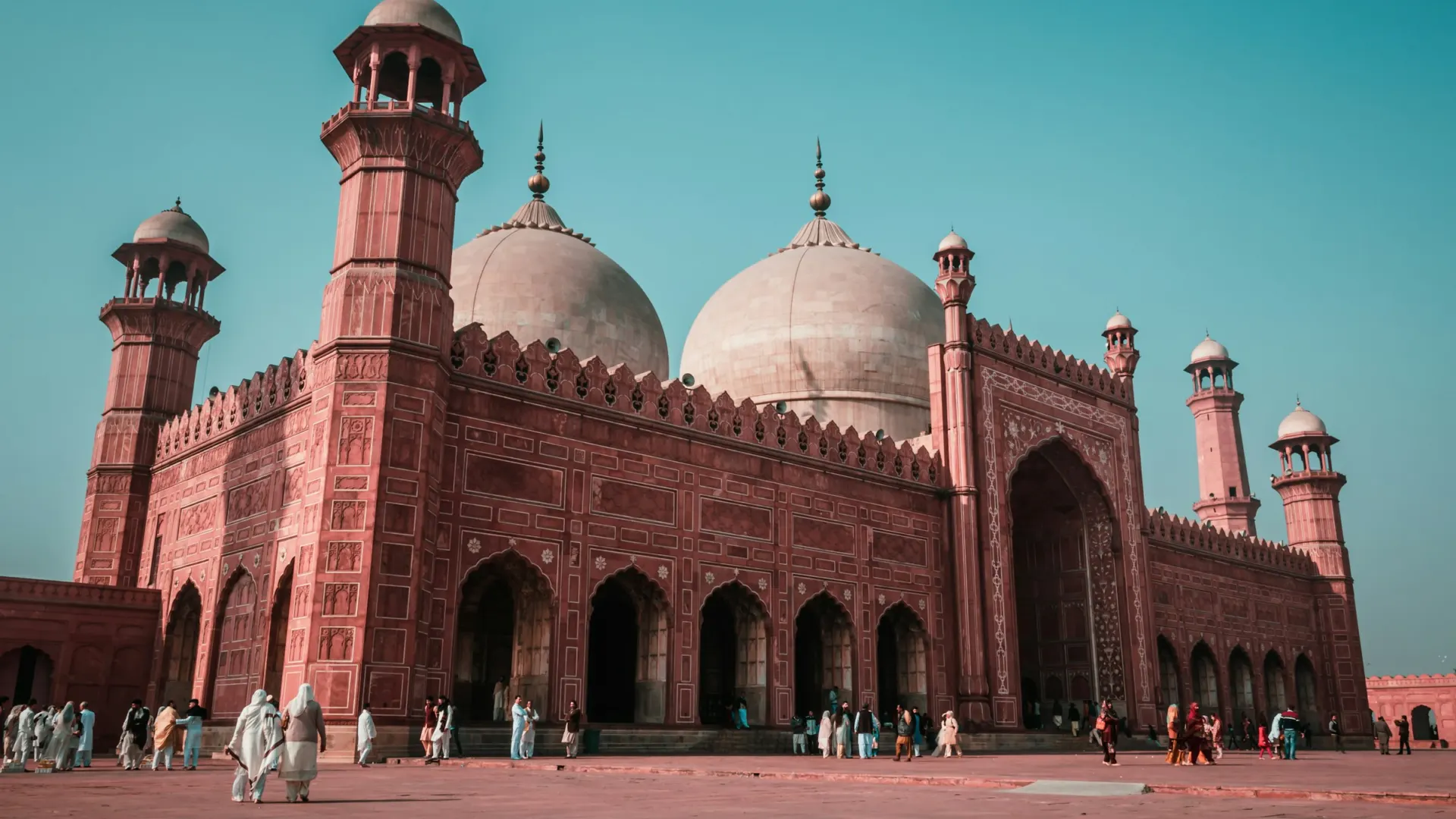
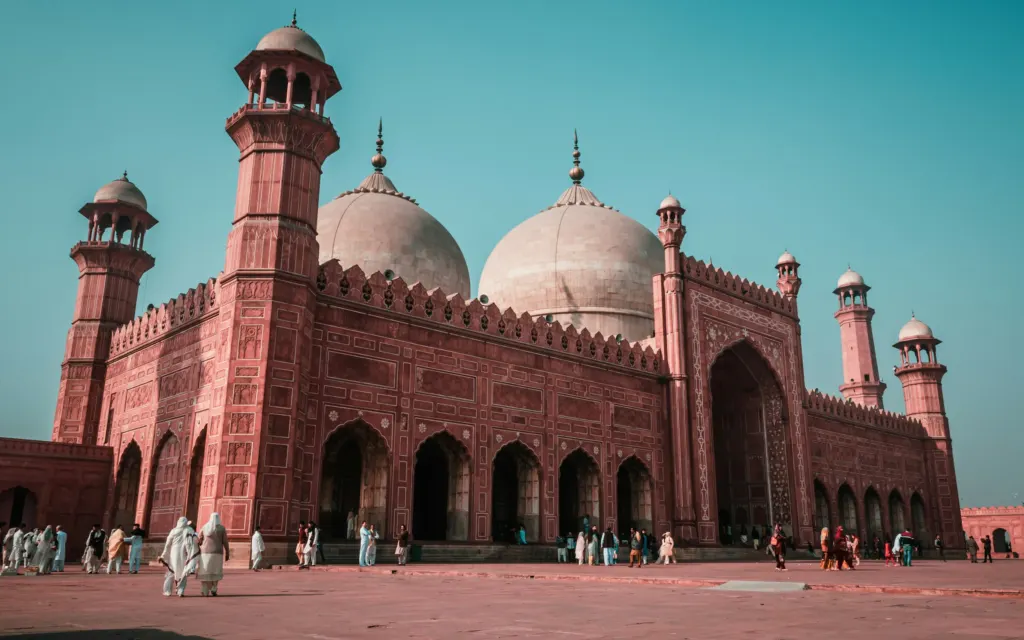
Our guides to the mosques of Pakistan and to Lahore cover specific sites such as the Badshahi Mosque.
What to wear in different parts of Pakistan
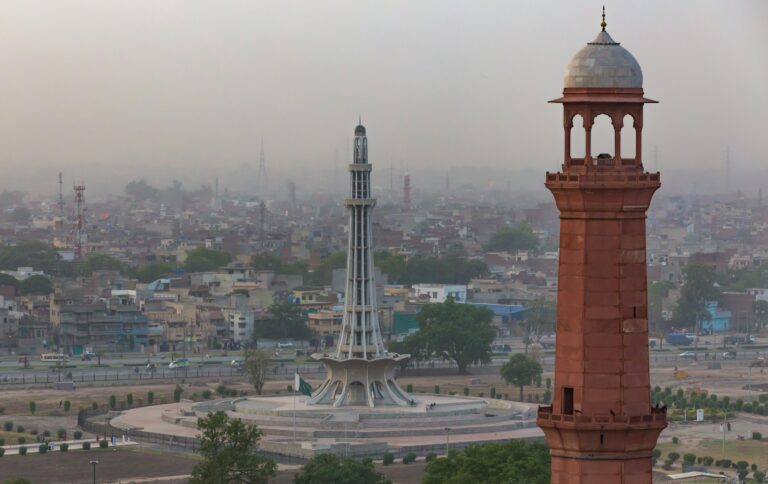
- Lahore, Islamabad and Karachi: the most relaxed. Modest Western-style clothing is common alongside shalwar kameez. Dress more conservatively in old bazaars, shrines and religious areas.
- Smaller towns in Punjab and Sindh: more conservative. Shalwar kameez, or a long tunic with trousers and a scarf, helps you feel comfortable.
- Khyber Pakhtunkhwa and Balochistan: conservative in towns and villages. A long tunic and scarf for women, or shalwar kameez for men, helps you blend in.
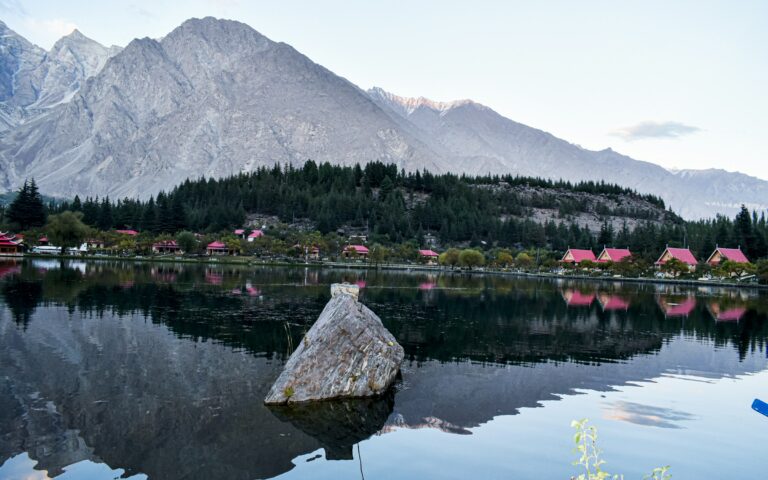
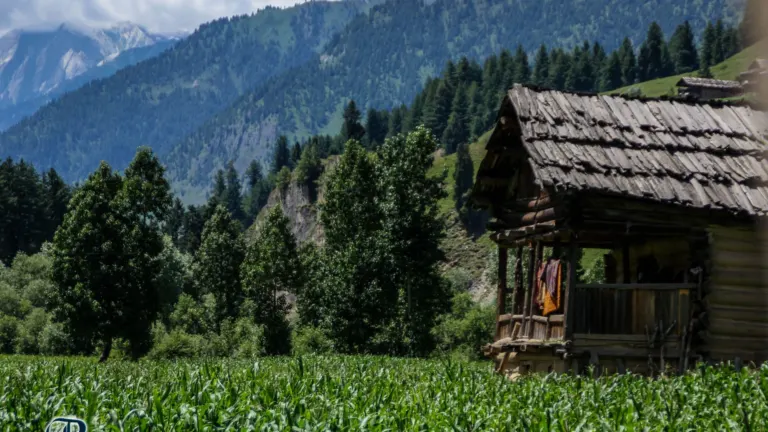
- Gilgit-Baltistan (Hunza and Skardu): tourist areas are used to visitors, and practical outdoor clothing is normal. Layers matter more than formality, but keep shoulders and knees covered in villages. See our Hunza guide and Skardu guide. For day-by-day ideas, read our guides to things to do in Karimabad and the Kachura Lakes.
- Swat, Kaghan and Naran: busy with domestic tourists in summer, so modest clothing is the norm, with warm layers for evenings.
- Chitral and the Kalash valleys: the Kalash communities have their own distinctive dress and customs. Dress modestly and ask before photographing people. See our Kalash Valley guide.
What to wear by season and altitude
- Summer on the plains: it is very hot. Loose cotton or linen with long sleeves and trousers feels cooler than exposed skin in direct sun.
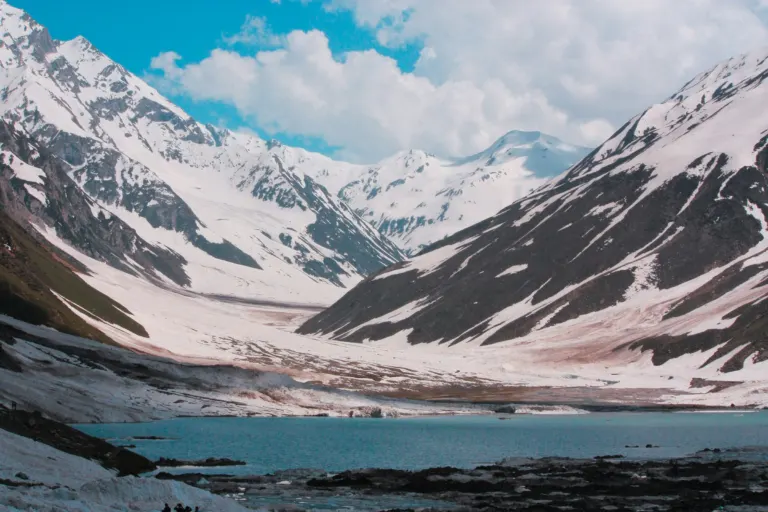
- Summer in the mountains: evenings are cold even in July. Bring a warm layer and a windproof jacket for Hunza, Skardu, Swat and Kaghan.
- Monsoon: rain falls mainly from July to September and can affect mountain roads. Pack a light rain jacket and read our monsoon travel guide.
- Winter: cold in the north and cool at night on the plains. Bring thermal layers for snow trips.
Not sure when to go? See our guide to the best time to visit Pakistan.
Trekking and hiking clothes
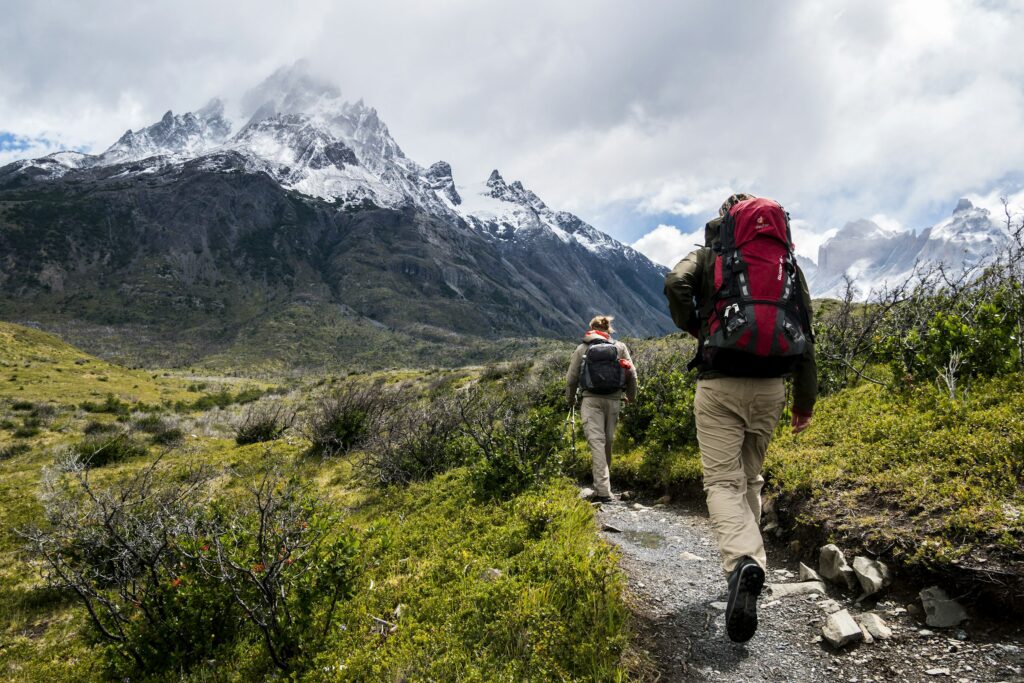
On trails and in camps, practical clothing comes first: hiking trousers, moisture-wicking base layers, a warm mid-layer, a shell jacket, a sun hat and sturdy boots. Women can wear hiking trousers on the trail and add a long top or scarf when passing through villages. Altitude, weather and permits matter more than fashion, so see our packing list for northern Pakistan, altitude sickness guide and trekking permits guide.
Beaches, pools and swimming
At public beaches many local swimmers stay fully clothed, and swimwear is mostly limited to private resorts and hotel pools. If you want to swim, ask your hotel where it is comfortable, and choose quick-dry clothes that cover your shoulders and thighs.
Weddings, festivals and Ramadan
If you are invited to a wedding or festival, dress smartly and modestly. A colourful shalwar kameez, or a long dress with a scarf, is appropriate. During Ramadan, many travellers dress more conservatively in public and avoid eating or drinking openly in the daytime out of respect for people who are fasting.
Where to buy shalwar kameez
Ready-made sets are sold in bazaars and shopping malls in every major city, and tailors can stitch one to your measurements. Ask how long a tailor needs before you commit, and compare a few shops. Buying one early in your trip also lets you test how comfortable it is in the heat.
Quick packing list
- Two or three loose long tops or tunics
- Lightweight trousers or a long skirt
- A cotton scarf (dupatta)
- Slip-on shoes for mosques, plus comfortable walking shoes
- A warm layer and a windproof jacket for the north
- A sun hat, sunglasses and sunscreen
For a longer checklist, see our packing list and our tips for first-time visitors.
Common mistakes to avoid
- Wearing tight or sheer clothes, or sleeveless tops, in villages and towns
- Forgetting a scarf when you plan to visit a mosque or shrine
- Packing only shorts, or only heavy fabrics
- Wearing shoes into prayer areas
- Assuming smaller towns follow the same norms as Lahore or Islamabad
Frequently asked questions
Do women have to cover their hair in Pakistan?
Not as a general rule for visitors. You do need a scarf over your hair at mosques and shrines, and some women choose to wear one in conservative areas. Carry one so you can decide on the spot.
Can I wear jeans in Pakistan?
Yes. Jeans are common in cities. Pair them with a loose long top if you are a woman, or a sleeved shirt if you are a man.
Can men wear shorts in Pakistan?
Shorts are fine for trekking, sports and pools. In cities, villages and at religious sites, long trousers are the safer choice.
Can women wear leggings?
Leggings are comfortable under a long tunic that covers your hips. Avoid wearing them on their own as trousers.
Do I have to wear shalwar kameez?
No. It is optional. Many visitors wear it because it is cool, comfortable and helps them blend in, but modest Western-style clothing is also fine.
What should I wear in Hunza and Skardu?
Modest outdoor clothing in layers: a long top or sleeved shirt, trekking or casual trousers and a warm jacket. Tourist areas are used to visitors, but keep your shoulders and knees covered in villages and at religious sites.
What should I wear on arrival?
Wear the same modest clothing you plan to wear in the city, such as a loose long top and trousers, and keep a scarf in your bag.