













From November to February, marriage halls across Pakistan are booked solid, the roads fill with decorated cars on weekend nights, and families who live abroad fly home for the season people jokingly call Decemberistan. Pakistani wedding traditions stretch a single marriage over several events, from the dholki singing nights to the mehndi, the nikah, the baraat and the walima, and visitors who get an invitation see the country at its most generous. Last checked: November 2026.
Quick answer: what happens at a Pakistani wedding?
A typical Pakistani wedding has five to six events over one to two weeks. It begins with dholki nights of singing, then the mayun, when the bride wears yellow and is rubbed with turmeric paste, and the mehndi, a colourful henna night with dances. The nikah is the Islamic marriage contract. At the baraat, the groom’s party arrives at the bride’s family’s event and takes the bride home in the rukhsati. The groom’s family then hosts the walima reception. Details change with region, family and faith.
Pakistani wedding traditions: quick facts
| Item | Detail |
|---|---|
| Peak season | November to February, when the weather is cool |
| Number of events | Usually four to six, over one to two weeks |
| Religious ceremony | The nikah, with a signed contract and witnesses |
| Main events | Dholki, mayun, mehndi, nikah, baraat, rukhsati, walima |
| Who hosts | The bride’s family hosts the mehndi and baraat; the groom’s family hosts the walima |
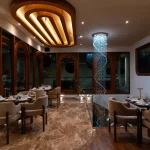
| Typical venues | Marriage halls, marquees, hotels, farmhouses and family homes |
| Punjab rules | One dish and a 10 PM finish for functions in public venues |
| Gift for the couple | Usually cash in an envelope |
The events of a Pakistani wedding
Rishta and engagement
Many marriages begin with a rishta, a proposal between families, followed by an engagement called mangni. Rings and sweets are exchanged and the wedding dates are fixed.
Dholki
In the week or two before the wedding, women of the family gather in the evenings to sing wedding songs to the beat of the dholki, a small drum with a head at each end. Dholki nights are informal, loud and full of teasing songs about the other family.
Mayun
At the mayun, the bride wears yellow and relatives rub ubtan, a paste of turmeric and flour, on her face and hands. Traditionally, she then stays out of sight until the wedding. Grooms often have their own version.
Mehndi
The mehndi is the most colourful night. The bride’s hands and feet are painted with henna, the families perform rehearsed dances, and guests wear green, yellow and orange. In many families, the bride’s and groom’s sides arrive with trays of sweets and henna and compete in song.
Nikah
The nikah is the Islamic marriage itself. A cleric conducts it, the couple consent in front of witnesses, the haq mehr, a sum promised to the bride, is recorded, and the nikahnama contract is signed. It may be held at home, at a mosque or on the day of the baraat.
Baraat
At the baraat, the groom arrives with his family and friends, often wearing a sherwani and a turban with a floral sehra. Dhol drummers lead the way, and the bride’s family welcomes them with garlands and rose petals. The bride’s family usually hosts this event.
Doodh pilai and joota chupai
Two playful customs belong to the baraat. In doodh pilai, the bride’s sisters offer the groom a glass of milk and ask for money in return. In joota chupai, they hide his shoes and bargain hard before giving them back.
Rukhsati
The rukhsati is the bride’s farewell from her parents’ home. A Quran is often held over her head as she leaves, and it is the most emotional moment of the wedding.
Walima
The walima is the reception hosted by the groom’s family, usually the day after the baraat. It is generally calmer and more formal, and it completes the wedding.
Regional variations
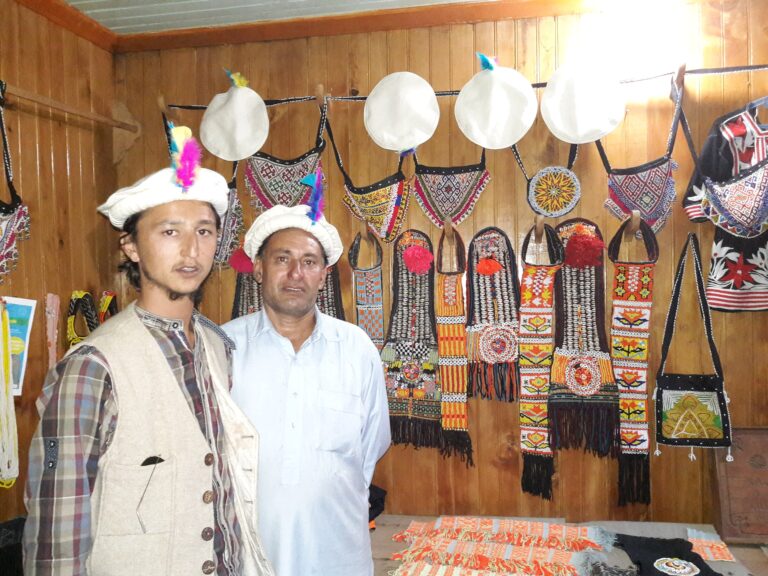
Customs change across Pakistan. Pashtun weddings may include the attan, a circle dance, and Baloch families hold the jannh, a ceremony hosted by the groom’s family. Sindhi, Punjabi, Kashmiri and Gilgit-Baltistan weddings each have their own songs, dress and rituals. Christian and Hindu families in Pakistan also hold dholki and mehndi nights alongside their own religious ceremonies.
Wedding rules: one dish and 10 PM
In Punjab, the Punjab Marriage Functions Act 2016 limits functions in marriage halls and other public venues to one main dish, a meat curry and rice with bread and a sweet, and requires them to end by 10 PM. It also bans fireworks and street lighting displays. The provincial government has extended enforcement to farmhouses and private grounds, and district teams seal halls that break the rules. Islamabad has similar limits. Expect the meal and the music to stop on time in the big Punjab cities.
What to wear as a guest
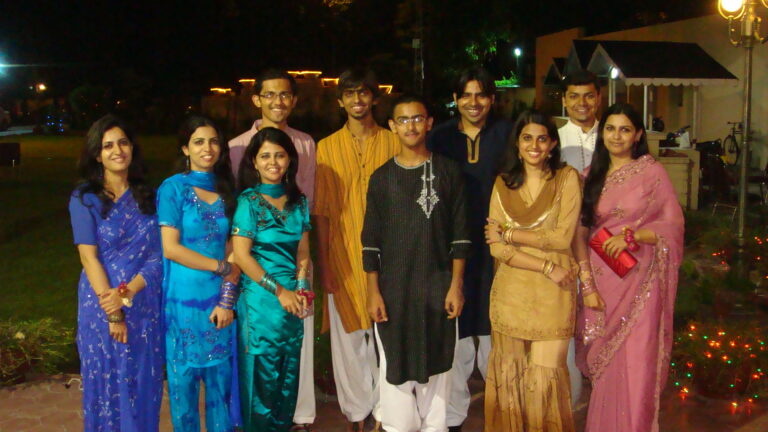
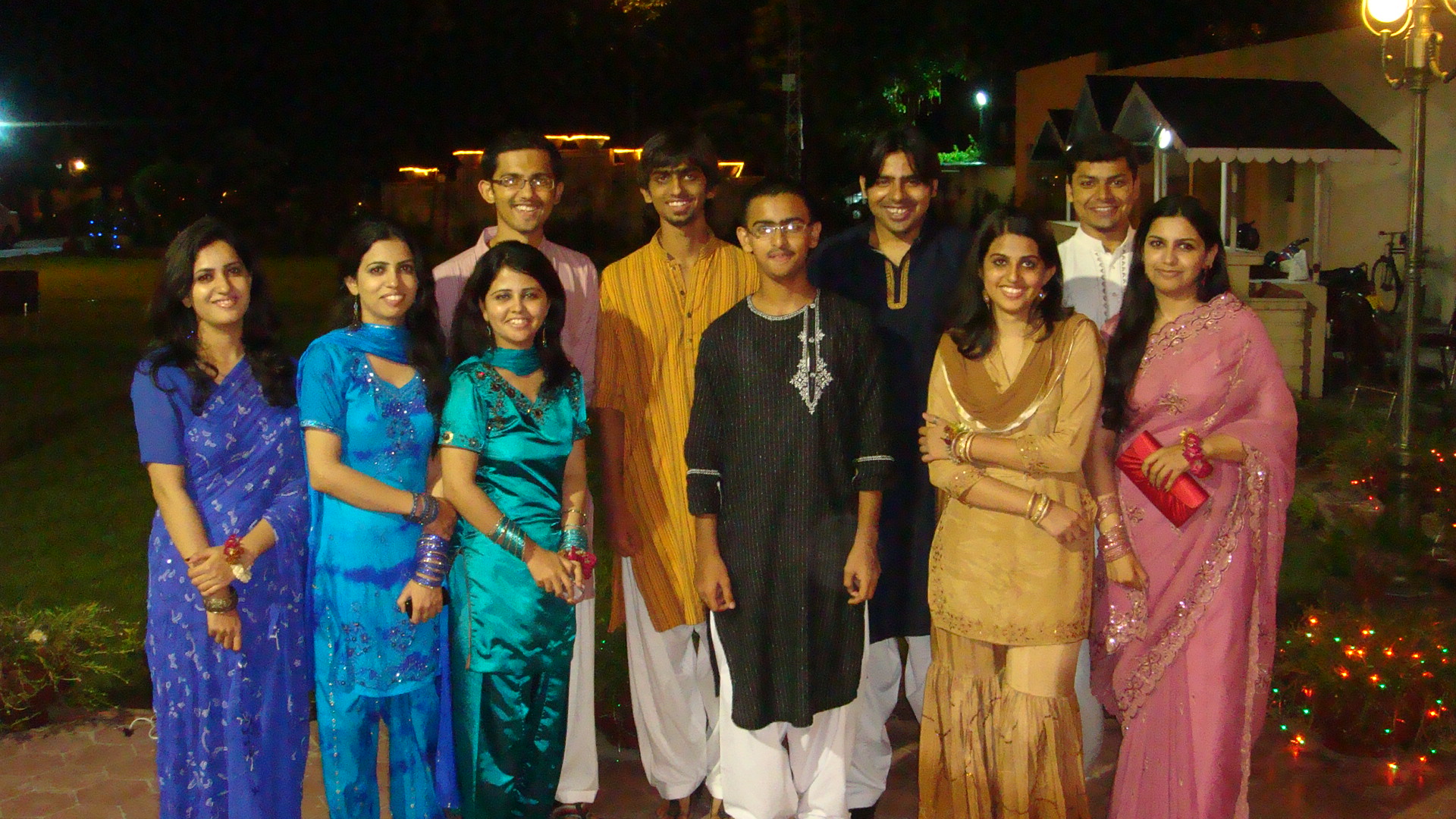
- Formal shalwar kameez, kurta or a long dress, in bright or jewel colours
- Women often cover the head at the nikah; carry a dupatta or scarf
- Men can wear a kurta with a waistcoat or a suit
- Save heavy outfits for the mehndi and baraat, and something more formal for the walima
- Avoid very revealing clothes
See our what to wear in Pakistan guide.
Etiquette for guests
- Arrive late rather than early; events rarely start at the time on the card, though the 10 PM finish in Punjab keeps things tighter
- Give cash in an envelope, handed to the couple or a parent
- Expect men and women to sit separately at some weddings
- Ask before photographing women and the bride
- Accept food and second helpings; refusing can seem rude
- Join the dancing at the mehndi if you are invited to
- Thank the hosts before you leave
Our cultural etiquette guide covers more.
Food at Pakistani weddings
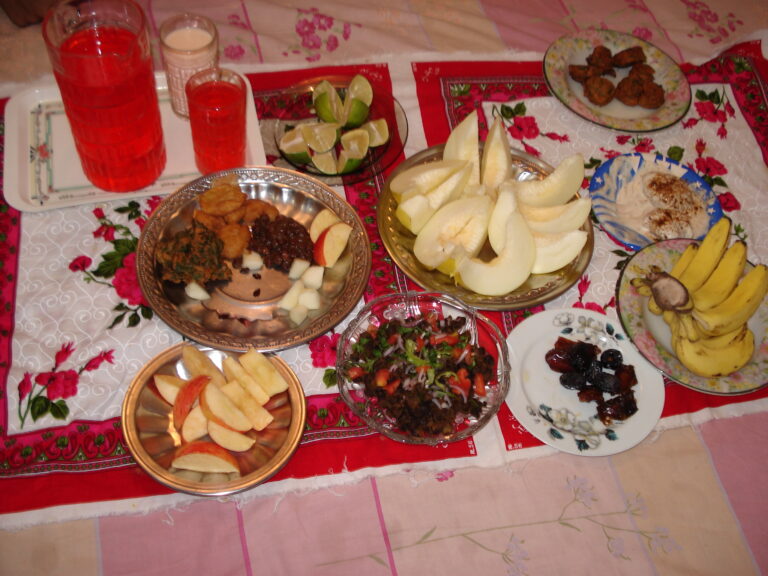
Biryani, korma, pulao and naan are the classics, with kheer, gajar ka halwa or ice cream to finish. In Punjab, the one dish rule keeps the menu to one meat dish and rice. Families outside Punjab and private home events often serve more. See our best biryani guide and Pakistani desserts guide.
Visiting Pakistan in wedding season
If you travel between November and February, expect busy marriage halls and noisy weekend nights in Lahore, Karachi, Islamabad and Rawalpindi. Hotels near city centres fill on weekends, and roads near halls jam around 8 PM. Pakistanis are generous with invitations, and many visitors end up at a stranger’s wedding; if you are asked, go. Our Pakistan in December guide covers the wider season.
Frequently asked questions
How many days does a Pakistani wedding last?
Usually several events over one to two weeks, with the mehndi, baraat and walima on consecutive or nearby days.
What is the difference between nikah and baraat?
The nikah is the religious marriage contract. The baraat is the celebration where the groom’s party arrives and takes the bride home.
What is a walima?
The reception hosted by the groom’s family after the wedding, usually the day after the baraat.
When is wedding season in Pakistan?
November to February, when the weather is cool.
What should I give as a wedding gift in Pakistan?
Cash in an envelope is normal. Hand it to the couple or a parent.
Why do Pakistani weddings end at 10 PM?
In Punjab and Islamabad, the law requires functions in marriage halls and public venues to finish by 10 PM.
Conclusion
If you are in Pakistan between November and February and someone invites you to a wedding, say yes, ask which event it is, and dress one step brighter than you think. Bring cash in an envelope, arrive a little late, and stay for the dancing at the mehndi.