





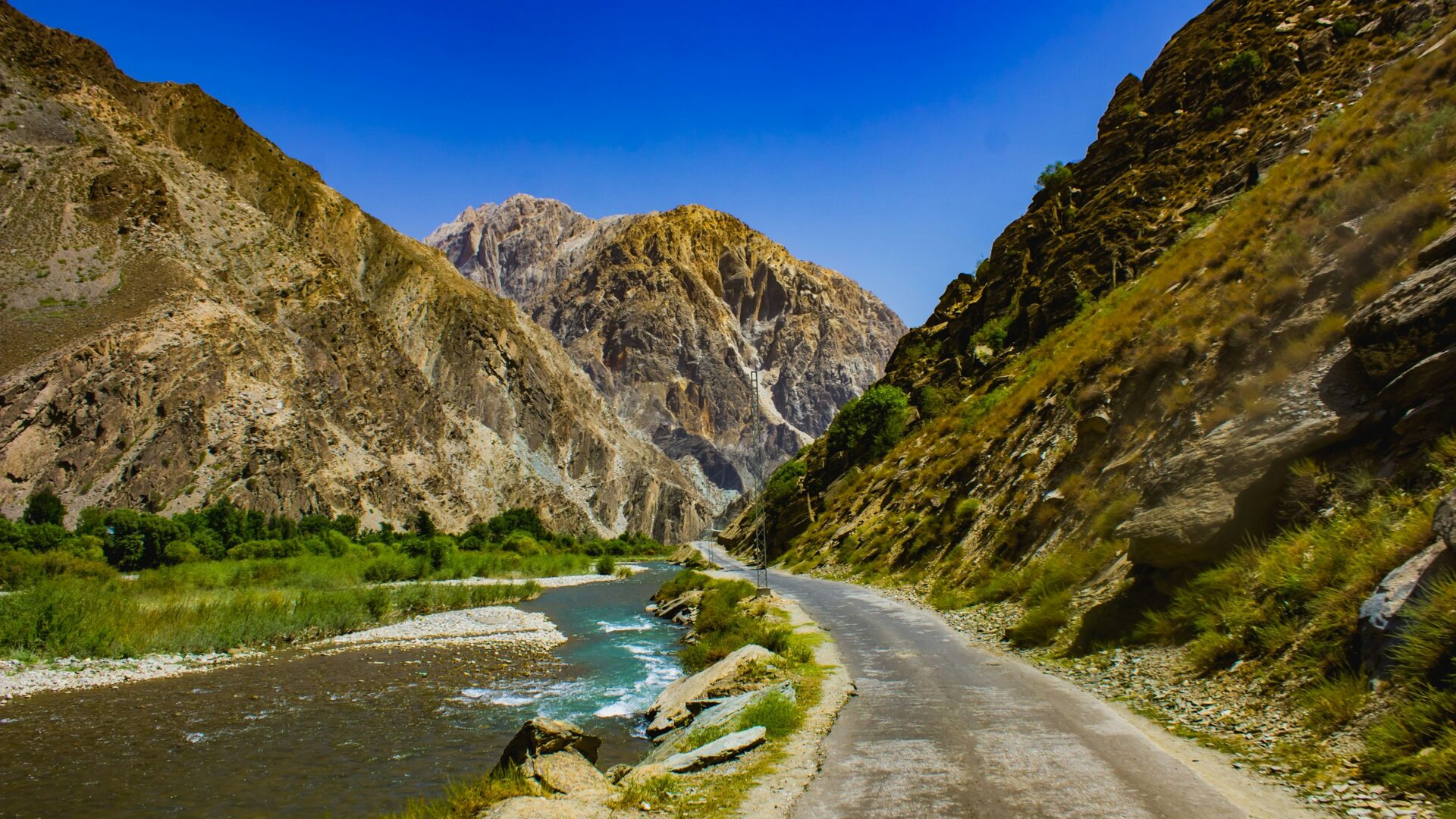
The best time to visit Pakistan depends on where you are going. The northern mountains are best from April to October, the cities are most comfortable from October to March, and the far south is pleasant from autumn to spring. This guide gives a quick answer, a month-by-month overview, a region-by-region table and the seasons to avoid, with links to our detailed guides. Last checked: October 2026. Snow, rain and road openings vary from year to year, so confirm conditions locally before you travel.
Quick answer: when is the best time to visit Pakistan?
- Northern mountains (Hunza, Skardu, Naran, Swat, Chitral): April to October. Spring brings blossom, July and August are the main trekking months, and September and October bring clear skies and autumn colour.
- Lahore, Islamabad and central Punjab: October to March, with March to April and October to November the most comfortable for sightseeing. Summers are very hot.
- Sindh, the coast and the deserts: roughly September to April. Summer heat in Sindh often exceeds 40°C.
- Mountains plus cities in one trip: October and November let you combine autumn colour in the north with comfortable weather in Lahore and Islamabad.
Best time to visit Pakistan by month
| Month | North (mountains) | Cities and plains |
|---|---|---|
| January to February | Cold and snowy; good for snow destinations, with many high roads closed | Cool; good for sightseeing, though smog can linger in January |
| March to April | Spring begins; blossom builds in Hunza and Swat, and passes start to open | Mild and comfortable; one of the best windows |
| May to June | Valleys are open and green; most vehicle passes open by June | Getting very hot |
| July to August | Peak trekking season; monsoon rain can affect roads | Hot, with monsoon rain in many areas |
| September to October | Clear skies and fewer crowds; autumn colour from mid-October | Heat easing; smog can begin in Lahore from October |
| November to December | Cold; Hunza foliage into November, then snow | Pleasant; a good time for cities and southern Pakistan |
Best time to visit by region
| Region | Best months | Why |
|---|---|---|
| Hunza and Gilgit-Baltistan | April to May, September to October | Blossom in spring, autumn colour and clear views later |
| Skardu and Deosai | May to October | Roads and lakes are open; Deosai is generally accessible until about mid-October |
| Naran, Kaghan and Babusar Top | June to mid-October | Babusar Top is usually sealed by authorities in late October |
| Swat and Kalam | April to October | Mild weather; December to February suits skiing |
| Chitral and Kalash | May to October | Roads are clearer outside the monsoon; Chaumos is held in December |
| Neelum Valley | May to early October | Upper areas become inaccessible with snow in winter |
| Lahore and Islamabad | October to March | Comfortable weather, with air quality worth checking from October to January |
| Sindh and the deserts | September to April | Avoid the extreme summer heat |
For detail, see the guides to the best time to visit Hunza, best time to visit Swat, Deosai National Park and Babusar Top.
Spring (March to May)
Spring brings mild weather and blossom across Swat, Hunza and Gilgit-Baltistan, and the plains are comfortable before the heat arrives. Early spring can still be cold at altitude, and some high passes are not yet open. It is a good time for sightseeing and gentle walks, and for the blossom season in Hunza; see spring vs autumn in Hunza.
Summer (June to August)
The north is at its most accessible in summer, and July and August are the main trekking months. Vehicle passes such as Babusar, Shandur and Khunjerab are generally open by June, but crossing high passes on foot is better from July. Plains cities are very hot, and the monsoon brings heavy rain and landslides in some areas, so keep buffer days. See our monsoon travel guide and the August guide.
Autumn (September to November)
Autumn is often the best all-round season. Skies are clear, crowds thin out, and the northern valleys turn gold, with colour usually building from mid-October. It is also the time when cities cool down, so you can combine mountains and heritage cities in one trip. Read our October guide for what is open and closing, and the top autumn destinations.
Winter (December to February)
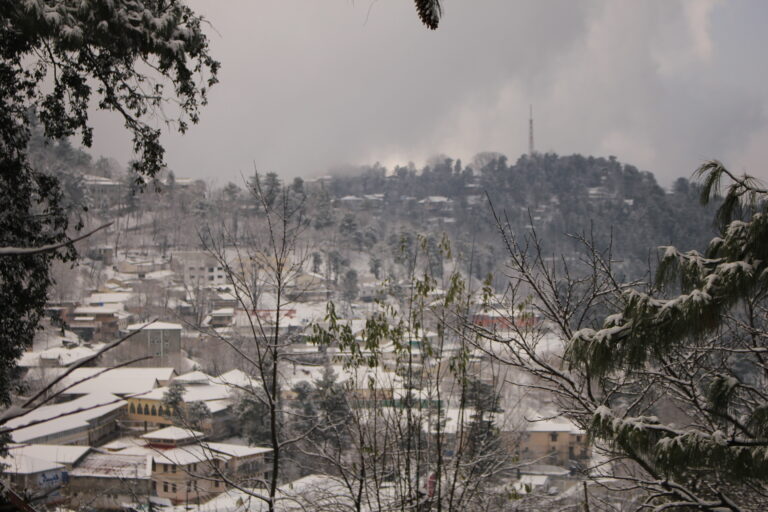
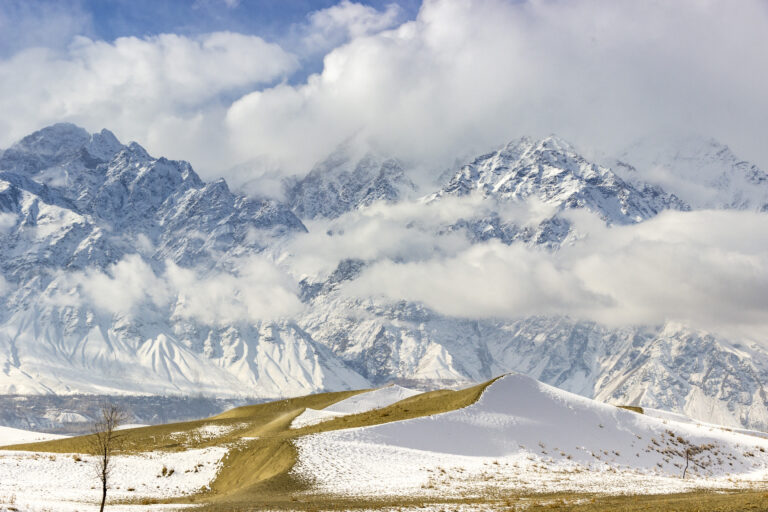
Winter suits snow destinations such as Murree, Naltar and Malam Jabba, and it is a good time for cities and the southern plains and deserts. The high north is cold, and many mountain roads and lakes are inaccessible. See our guides to Murree snowfall, winter tourism and winter in Thar and Cholistan.
Best time for specific activities and events
- Trekking: generally July and August, with June to September for most base-camp treks. See our hiking trails guide.
- Blossom: April to May in Hunza and the north.
- Autumn colour: from mid-October into November in Hunza, Skardu and Phander.
- Snow: December to February.
- Festivals: the Shandur Polo Festival is held in summer, the Kalash Uchal festival in late summer and Chaumos in December. See Shandur Polo Festival, Uchal Festival and cultural festivals in Pakistan.
- Cities and heritage: October to March for Lahore, Islamabad and Taxila.
When to avoid or plan carefully
- Monsoon (July to September) in the mountains: heavy rain can close roads, so keep spare days.
- Peak summer heat on the plains (May to August): plan early starts and indoor stops.
- Smog season in Lahore (October to January): check air quality and plan indoor visits on poor days.
- Ramadan and Eid: restaurant hours change in Ramadan, and transport and hotels are very busy around Eid.
- Late autumn and winter in the high north: many passes and lakes close with snow.
Crowds and prices
Summer and the Eid holidays are the busiest periods, with hotels filling up in Hunza, Skardu, Naran and Swat. Shoulder seasons (April to May and September to October) offer fewer crowds, and rates vary by property, so confirm directly. See our Pakistan travel cost guide.
Plan your trip
Once you have a season in mind, check the e-Visa guide, pack with our northern Pakistan packing list and what to wear in Pakistan, and see quick answers in the Pakistan travel FAQ. To choose between regions, read Hunza vs Skardu.
See also: Adventure Sports in Northern Pakistan and Pakistan's Best Camping Spots for the Tourists.
Frequently asked questions
What is the best month to visit Pakistan?
October is often the best all-round month, because the north has clear skies and autumn colour and the cities are cooling. April and May are best for blossom.
When is the best time to visit northern Pakistan?
April to October, with the peak trekking months in July and August.
When should I avoid visiting Pakistan?
Avoid the plains from May to August because of heat, and plan carefully for monsoon rain in the mountains from July to September.
Is winter a good time to visit Pakistan?
Yes for snow destinations, cities and the south, but the high north is cold and many roads close.
When do the passes open?
Vehicle passes such as Babusar, Shandur and Khunjerab are generally open by June. Babusar Top is usually sealed in late October. Confirm locally each year.
Can I visit the mountains and the cities in one trip?
Yes. October and November work well, with autumn colour in the north and comfortable weather in Lahore and Islamabad.
Pakistan month by month
- Pakistan in January
- Pakistan in February
- Pakistan in March
- Pakistan in April
- Pakistan in May
- Pakistan in June
- Pakistan in July
- Pakistan in August
- Pakistan in September
- Pakistan in October
- Pakistan in November
- Pakistan in December